
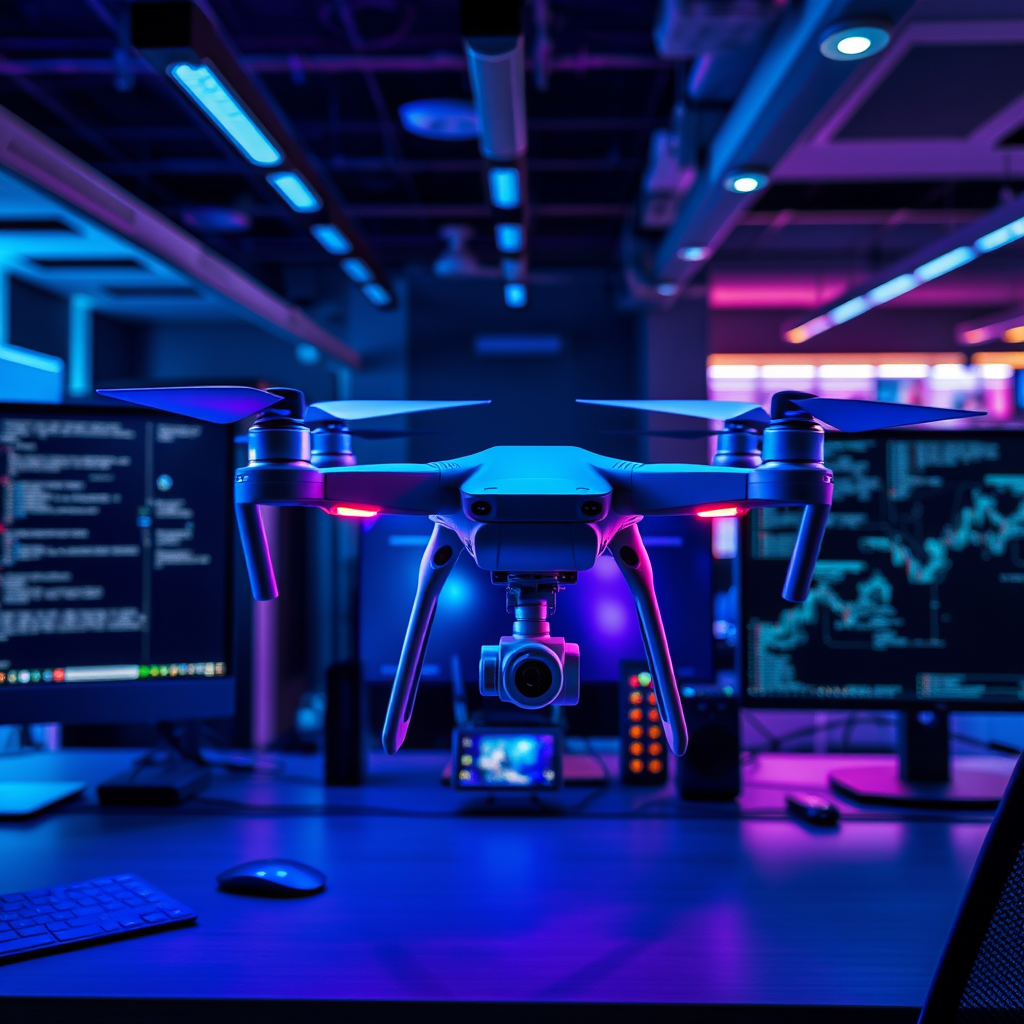
Yes, you can fly a drone in Toronto, but there are specific regulations and guidelines that you must follow to ensure safety and compliance. Understanding these rules will enable you to enjoy your drone flying experience while avoiding potential legal issues and penalties. The increasing popularity of drones for both recreational and commercial purposes necessitates a clear understanding of the rules that govern their use, especially in urban environments like Toronto.
Understanding Canadian Drone Regulations
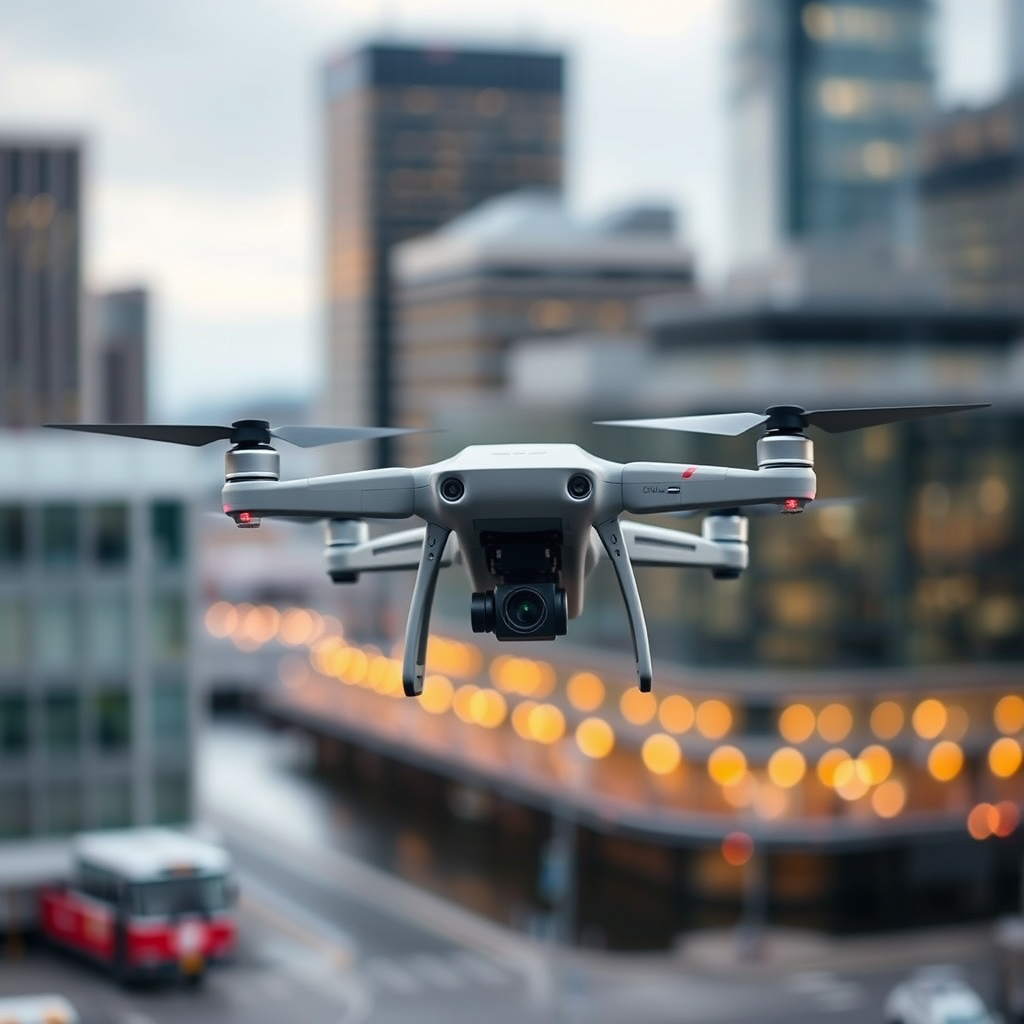
Drones in Canada are regulated by Transport Canada under the Canadian Aviation Regulations (CARs), which establish clear rules for their operation. These regulations categorize drone operations into two main types: recreational and commercial. Recreational users must adhere to basic operational guidelines, while commercial operators face more stringent requirements, including the need for specialized certifications.
It’s important to note that drone pilots must be aware of the legal obligations that come with flying. This includes understanding airspace classifications, the rights of other airspace users, and the implications of violating regulations. For instance, failure to comply with these regulations can result in fines, bans, or even legal action, underscoring the importance of thorough knowledge and adherence to the law.
Categories of Drone Use
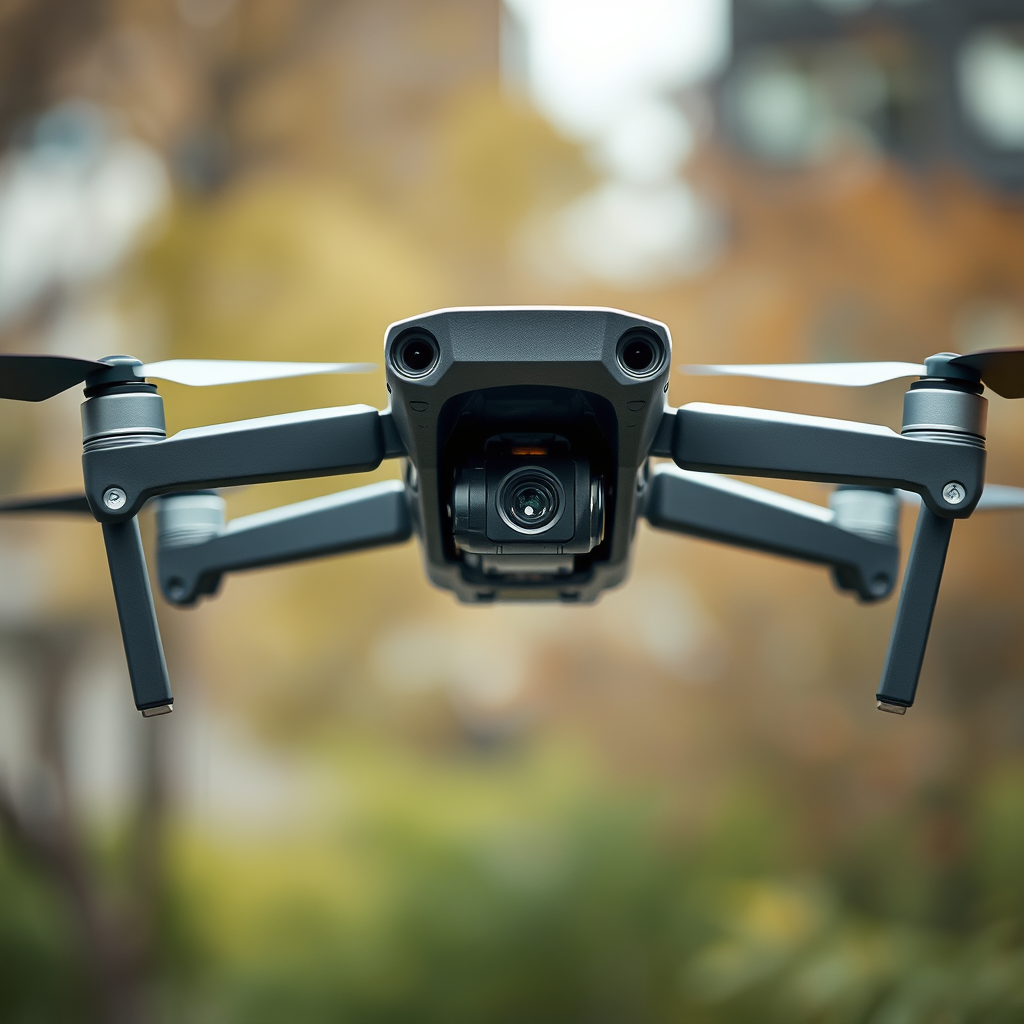
– Recreational Use: For hobbyists and enthusiasts, recreational drone use is permissible, provided that certain conditions are met. Drones must be flown below 400 feet, and operators must maintain a visual line of sight with their drones at all times. Furthermore, flying near people, buildings, or private property without consent is prohibited. These guidelines are designed to minimize risks and ensure the safety of both the drone operator and the surrounding public.
– Commercial Use: For those using drones for business purposes, a Special Flight Operations Certificate (SFOC) is required. This involves a more complex application process, necessitating detailed safety assessments and operational plans. Commercial drone operators are subject to stricter regulations, including limitations on where and when they can fly, and must be knowledgeable about the specific airspace they intend to operate in. Compliance with these regulations not only ensures safety but also enhances the professionalism of the commercial drone industry.
No-Fly Zones in Toronto
Toronto has designated no-fly zones that drone operators must be aware of to avoid legal repercussions. Key areas include airports, military bases, and certain urban spaces, where drone operations could interfere with manned aircraft or pose risks to public safety. In particular, the vicinity of Toronto Pearson International Airport is heavily regulated due to the high volume of air traffic.
Additionally, local regulations may impose further restrictions in specific neighborhoods or parks. To stay informed, drone pilots should regularly consult local maps and updates provided by Transport Canada or the City of Toronto. Utilizing resources such as the NAV CANADA website can assist in identifying restricted airspaces and ensuring compliance before takeoff.
Required Equipment and Safety Measures
For drone pilots, ensuring that equipment meets regulatory standards is essential. Drones weighing less than 25 kg can be operated without special permits, but it is crucial that operators maintain awareness of safety protocols. Pilots should also consider obtaining liability insurance to protect themselves from potential claims arising from accidents or damage caused by their drone.
Moreover, drones should be equipped with safety features such as fail-safes, return-to-home functions, and geofencing capabilities to prevent inadvertent incursions into restricted areas. Regular maintenance checks and adherence to manufacturer guidelines will also help ensure operational safety and reliability.
Local Parks and Spaces for Flying
Drone enthusiasts in Toronto can find several designated parks and open spaces where drone flying is permitted. Popular locations include the Toronto Islands, which offer expansive views and minimal interference from urban infrastructure. Other parks, such as High Park and Woodbine Beach, also provide suitable environments for drone flying, although it is essential to check for posted signage that may indicate restrictions.
Before flying in any public space, operators should familiarize themselves with local ordinances and any specific requirements for drone use in those areas. Engaging with local drone communities can also provide valuable insights into popular flying locations and best practices within the Toronto area.
Reporting Incidents and Compliance
In the event of an accident or incident involving a drone, it is mandatory for operators to report the occurrence to Transport Canada. This includes any situations where the drone causes harm to people or property, or if it collides with another aircraft. Timely reporting ensures that necessary investigations can be conducted and that the drone community is held accountable for compliance.
Moreover, it is advisable for drone pilots to stay informed about evolving regulations and local laws. Regularly reviewing Transport Canada’s updates and engaging with local drone associations can foster a culture of safety and compliance. Knowledge of the latest rules will help operators avoid penalties and contribute positively to the drone flying community.
In summary, flying a drone in Toronto is indeed possible, provided that individuals are well-versed in the relevant regulations and guidelines. By understanding the categories of drone use, identifying no-fly zones, ensuring compliance with equipment regulations, and being aware of local flying spots, drone operators can enjoy their flying experiences responsibly. As the popularity of drones continues to grow, it is crucial to prioritize safety and adherence to regulations to foster a positive environment for all airspace users. If you’re ready to take to the skies, gather your information, follow the rules, and prepare for a great aerial adventure!
Frequently Asked Questions
What are the regulations for flying a drone in Toronto?
In Toronto, drone operators must adhere to the regulations set by Transport Canada. This includes flying below 122 meters (400 feet), keeping the drone within visual line-of-sight, and not flying near airports or populated areas without special permission. Additionally, operators should ensure they have a valid drone pilot certificate if their drone weighs over 250 grams.
How can I obtain permission to fly my drone in restricted areas of Toronto?
To obtain permission to fly your drone in restricted areas of Toronto, you must submit a request to Transport Canada for a Special Flight Operations Certificate (SFOC). This process involves providing details about your flight plan, the purpose of your flight, and your safety measures. It’s crucial to plan ahead, as approval may take time, especially in busy urban areas.
Why is it important to register my drone before flying in Toronto?
Registering your drone in Toronto is important because it is a legal requirement for all drones weighing over 250 grams. Registration helps ensure accountability and safety, as it allows authorities to identify the owner in case of accidents or violations. Additionally, having a registered drone can enhance your credibility as a responsible operator, especially when flying in public spaces.
What are the best places to fly a drone in Toronto?
The best places to fly a drone in Toronto are typically areas that are less populated and away from airports, such as parks, waterfronts, and open spaces. Notable locations include Tommy Thompson Park, the Toronto Islands, and certain sections of the Scarborough Bluffs. Always check for local regulations and restrictions in these areas to ensure safe flying.
Which drone models are best for flying in urban environments like Toronto?
For flying in urban environments like Toronto, the best drone models are those that are compact, lightweight, and equipped with advanced features like obstacle avoidance and GPS stabilization. Popular models include the DJI Mini 2, which is under the weight limit for registration and offers excellent camera quality, and the DJI Air 2S, which provides advanced flight modes and safety features. Choosing a drone with strong battery life and portability can also enhance your flying experience in a city setting.
References
- https://www.tc.gc.ca/en/services/aviation/drone-safety.html
- https://www.cityoftoronto.ca/home/doing-business/drone-operations-in-toronto.htm
- https://www.cbc.ca/news/canada/toronto-drone-regulations-1.5648580
- https://www.ontario.ca/page/rules-flying-drones-ontario
- https://www.theglobeandmail.com/canada/article-toronto-drone-regulations/
- https://www.ontario.ca/page/flying-drones-ontario
- https://www.wired.com/story/drone-laws-canada-toronto/
- https://www.craigslist.org/about/terms.of.use
- https://www.toronto.ca/community-people/parks-gardens-beaches/parks/using-drones-in-parks/
