
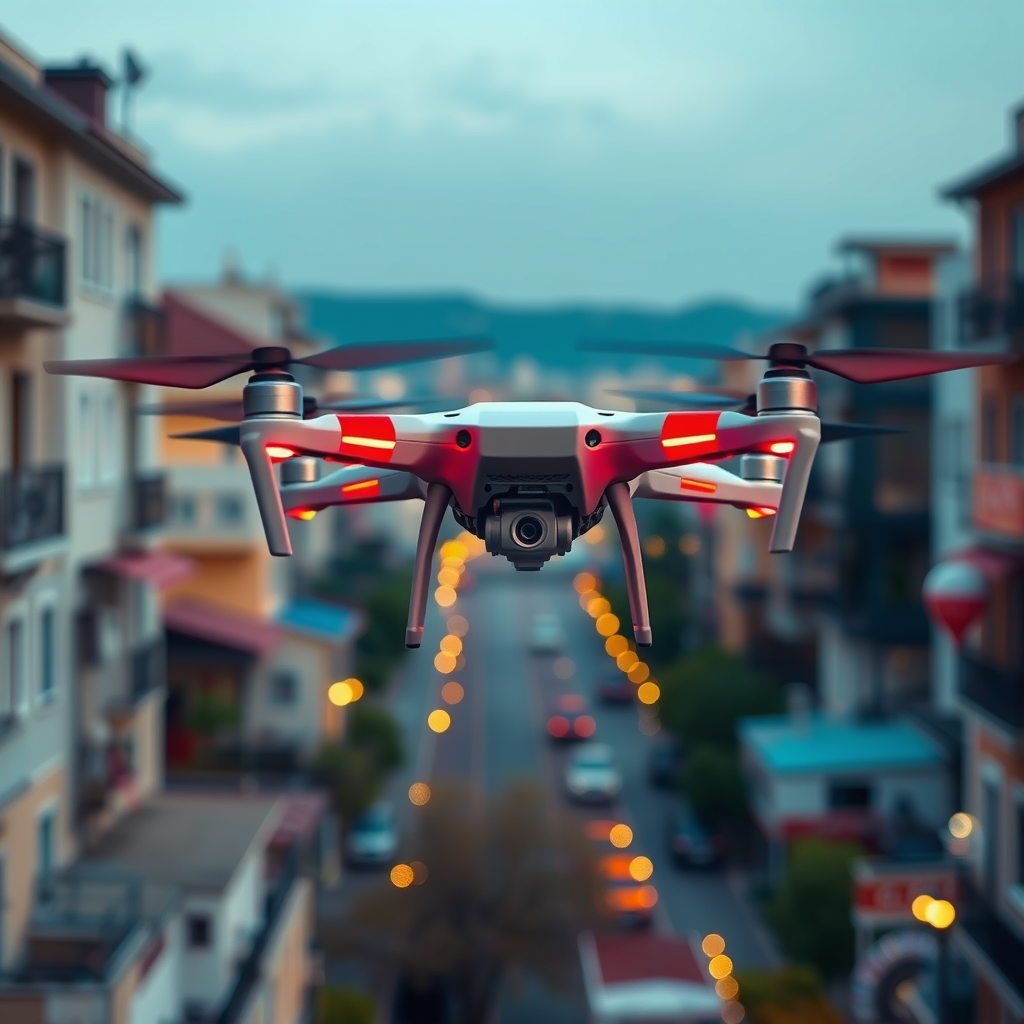
Yes, you can fly a drone in Turkey, but there are specific regulations and restrictions you need to follow to ensure compliance with local laws. With its breathtaking landscapes, vibrant cities, and historical sites, Turkey provides an enticing backdrop for drone enthusiasts. However, navigating the legal framework surrounding drone usage is crucial for a safe and enjoyable flying experience. In this article, we will explore the legal framework, necessary permits, and best practices for flying drones in this beautiful country.
Understanding Drone Regulations in Turkey
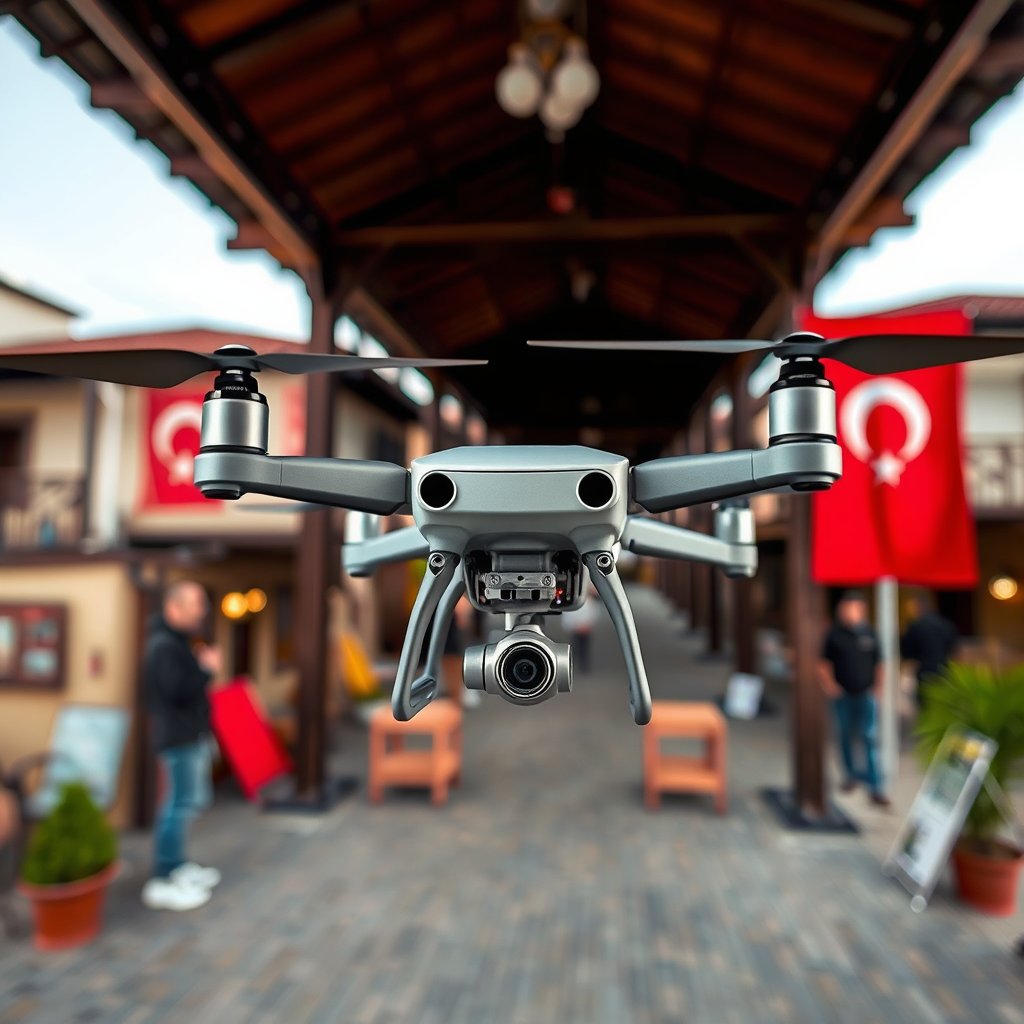
Turkey’s drone regulations are primarily governed by the General Directorate of Civil Aviation (DGCA). This regulatory body has established a comprehensive set of rules that drone operators must adhere to in order to promote safety and responsible use of airspace. Drones are categorized based on their weight, which significantly affects the rules and regulations that apply to each category.
For example, small drones weighing less than 500 grams are subject to less stringent regulations compared to heavier drones. Understanding these classifications is essential for compliance. The DGCA has also implemented restrictions on drone operations in populated areas, emphasizing the importance of maintaining safety and privacy standards. It is advisable for drone pilots to review the latest regulations on the DGCA’s official website to remain informed about any updates or changes.
Drone Registration Requirements
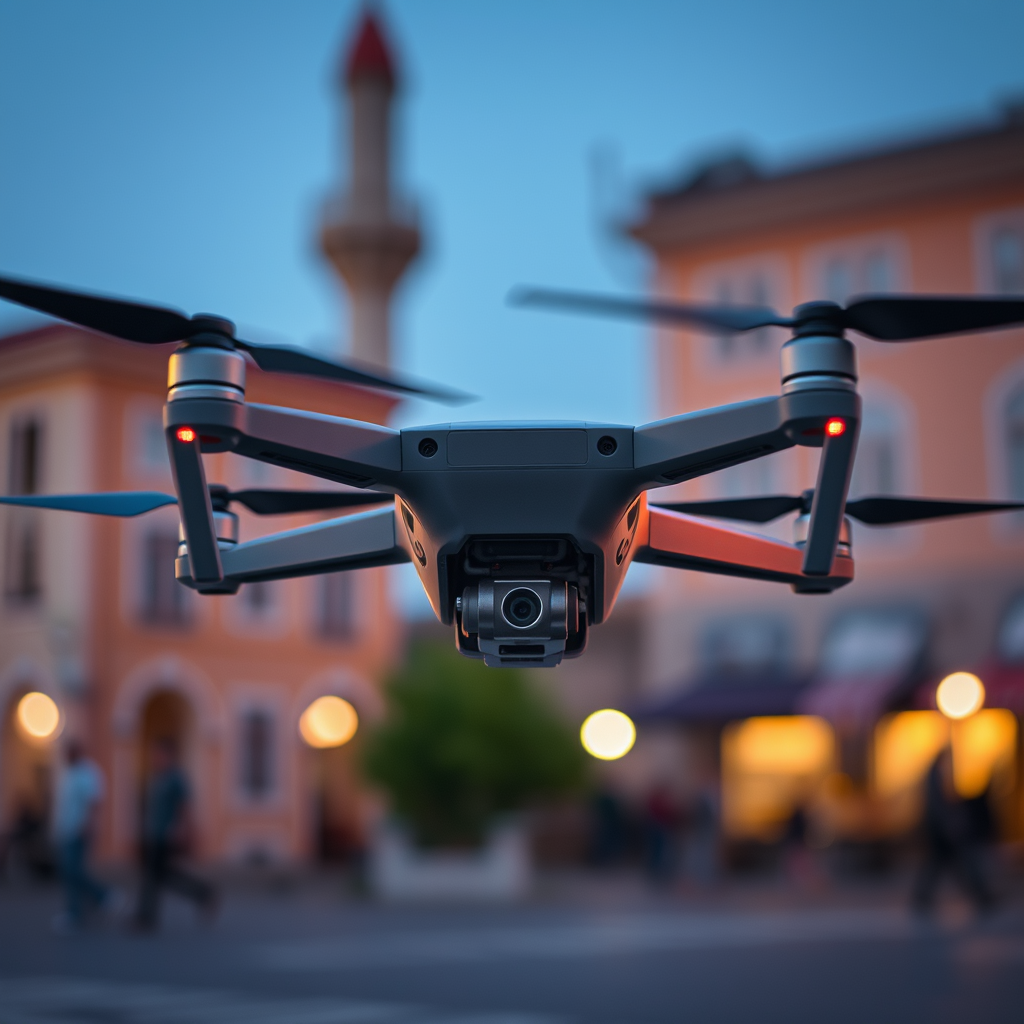
In Turkey, all drones weighing over 500 grams must be registered with the DGCA. The registration process is straightforward but requires diligence in completing the necessary steps. Operators must submit an application along with relevant documentation, which may include proof of ownership, identification, and insurance details.
Once registered, drone pilots receive a registration number that must be displayed on the drone. This number not only identifies the drone but also serves as a verification tool for regulatory authorities. It is essential to understand that flying an unregistered drone can lead to fines and potential legal repercussions. Therefore, ensuring compliance with registration requirements is a critical step for responsible drone operation in Turkey.
Necessary Permits for Flying Drones
For those looking to engage in commercial drone operations, obtaining a Remote Pilot License (RPL) is mandatory. This license ensures that operators possess the necessary knowledge and skills to fly drones safely and responsibly. The process of obtaining an RPL involves completing a training program that covers topics such as air law, meteorology, and navigation, followed by a practical examination.
In addition to the RPL, drone operators may need to apply for specific flight permissions based on their drone’s weight, intended use, and the geographical area of operation. For instance, flying in urban settings or near sensitive locations may require additional permits. It is advisable to consult the DGCA for guidance on the specific permits needed for your intended drone activities.
No-Fly Zones to Know
Awareness of no-fly zones is critical for anyone planning to fly a drone in Turkey. Certain areas are restricted due to safety, security, or environmental concerns. Key no-fly zones include areas surrounding airports, military bases, and national parks.
Additionally, urban areas and densely populated locations may also have restrictions to protect privacy and ensure public safety. It is essential to check local maps or official resources provided by the DGCA to identify these no-fly zones before planning your flight. Ignoring these restrictions can lead to significant fines and may also endanger public safety.
Best Practices for Flying Drones in Turkey
To ensure a safe and enjoyable drone flying experience in Turkey, adhering to best practices is crucial. One of the primary guidelines is to maintain a visual line of sight with your drone at all times. This practice not only enhances safety but also helps in avoiding potential collisions with other aircraft or obstacles.
Respecting people’s privacy is equally important. Drone operators should avoid flying over crowded areas or private properties without permission. Additionally, being aware of local customs and sensitivities regarding drone use can foster goodwill and reduce the likelihood of conflicts with local residents.
Moreover, drone pilots should familiarize themselves with the local weather conditions before flying, as sudden changes can impact the ability to control the drone effectively. Carrying out a pre-flight check to ensure that the drone is in good working condition is also recommended.
Cultural and Environmental Considerations
When flying drones in Turkey, it is essential to be mindful of cultural and environmental considerations. Familiarizing yourself with local customs and sensitivities can significantly enhance the drone flying experience and promote positive interactions with the local community. For instance, some regions may have specific traditions or norms regarding drone use that should be respected.
Furthermore, being conscious of wildlife and natural habitats is critical. Turkey is home to a diverse range of ecosystems and animal species, and drone operators should avoid disturbing wildlife while flying. Ensuring that drone activities do not negatively impact the environment is a responsibility that all drone pilots should take seriously.
Resources for Drone Pilots in Turkey
For those interested in flying drones in Turkey, several resources are available to assist with compliance and provide up-to-date information. The DGCA’s official website is the primary source for regulations, guidelines, and updates related to drone use. Additionally, online forums and local groups can be valuable platforms for networking and sharing experiences with other drone enthusiasts.
Engaging with local drone communities can provide insights into the best flying locations, tips for navigating regulatory requirements, and opportunities for collaboration. These resources can greatly enhance the overall experience of flying a drone in Turkey.
In conclusion, while flying a drone in Turkey is certainly possible, it is crucial to adhere to the regulations and guidelines set forth by the authorities. By understanding the legal framework, securing necessary permits, and respecting local customs, drone pilots can enjoy the stunning landscapes and rich culture of Turkey while being responsible stewards of the airspace. Staying informed and prepared before your flight will ensure a safe and enjoyable drone flying experience in this breathtaking country.
Frequently Asked Questions
What are the drone regulations in Turkey?
In Turkey, drone regulations are governed by the Directorate General of Civil Aviation (DGCA). Drones weighing over 500 grams require registration, and operators must obtain a license if their drone exceeds 4 kilograms. Additionally, flying is restricted near airports, military zones, and populated areas, so it’s crucial to familiarize yourself with local laws before flying your drone in Turkey.
How can I register my drone in Turkey?
To register your drone in Turkey, visit the DGCA’s official website and follow the registration process, which includes filling out an application form and providing necessary documentation such as proof of identity and your drone’s specifications. The registration typically takes a few days, and once completed, you will receive a registration certificate, allowing you to fly your drone legally within the country.
Why do I need a license to fly a drone in Turkey?
A license is required to ensure that drone operators are knowledgeable about safety regulations and responsible flying practices, which helps prevent accidents and protects public safety. The DGCA imposes these requirements to regulate airspace and mitigate risks associated with drone operations, particularly in urban areas and near sensitive locations like airports or military installations.
Which areas are restricted for drone flying in Turkey?
Many areas in Turkey are restricted for drone flying, including near airports, military installations, and densely populated regions. Additionally, natural reserves, national parks, and historical sites may have specific regulations prohibiting drone use. Always check with local authorities or the DGCA for the most current information on no-fly zones to avoid penalties.
What should I consider before flying my drone in Turkey?
Before flying your drone in Turkey, consider researching the local laws and regulations related to drone usage, including registration and licensing requirements. Additionally, check the weather conditions and plan your flight in accordance with area restrictions. Respect local privacy laws, and be mindful of cultural sensitivities, especially when flying near populated areas or historical sites.
References
- https://www.caa.gov.tr/en/General/DroneRegulations
- https://www.faa.gov/uas/getting_started/where_to_fly/
- https://www.bbc.com/news/world-europe-48579073
- https://www.reuters.com/article/us-turkey-drones-idUSKBN1WZ1Q7
- https://www.turkeytravelplanner.com/transportation/driving/drone-regulations.html
- https://www.dronelife.com/2021/05/04/drone-regulations-in-turkey-what-you-need-to-know/
- https://www.itu.int/en/ITU-T/Regional-Presence/Europe/Pages/Drone-Services.aspx
