

Yes, you can fly a drone in Turkey, but there are specific regulations and guidelines you must follow. Understanding these rules is crucial for safe and legal drone operation in the country, whether you’re a tourist or a resident. Turkey has become a popular destination for drone enthusiasts due to its stunning landscapes and historical sites. However, to fully enjoy your aerial adventures, it’s essential to stay informed about the legal framework governing drone usage.
Understanding Turkish Drone Regulations
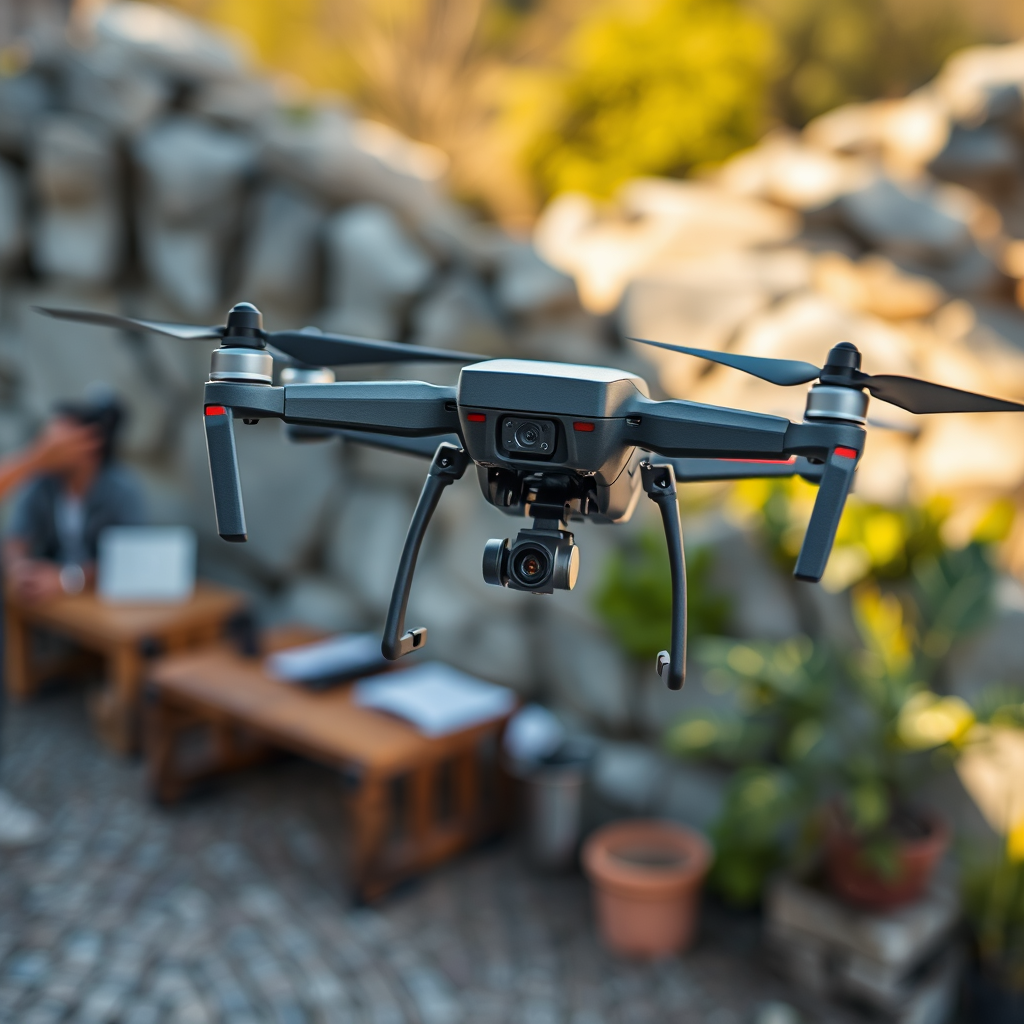
Turkey has established a comprehensive set of regulations governing drone usage to ensure safety and security in its airspace. The regulatory body responsible for overseeing drone operations is the Turkish Directorate General of Civil Aviation (DGCA). According to DGCA guidelines, all drones exceeding a weight of 500 grams must be registered. This requirement is in place to facilitate the monitoring of drone activities and to enhance air traffic safety.
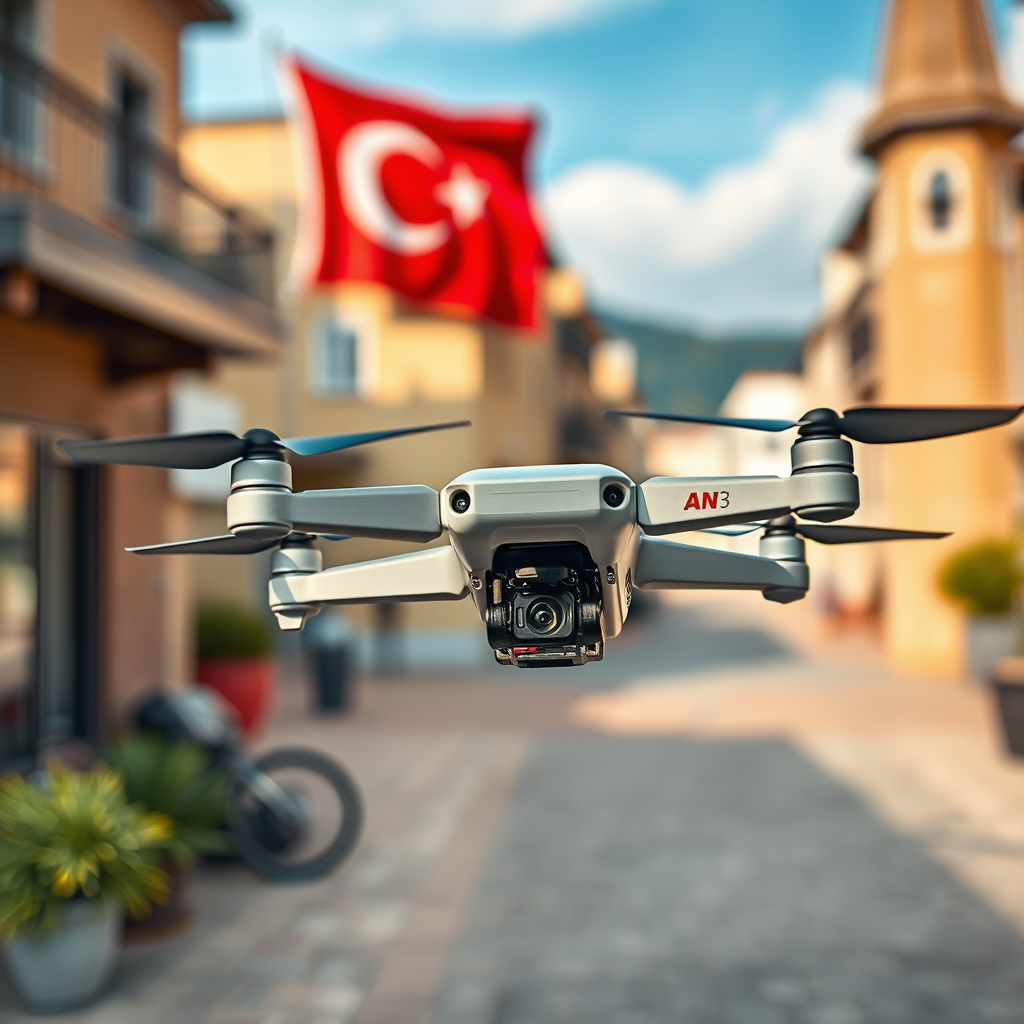
In addition to weight restrictions, drone operators must comply with specific operational regulations, including altitude limits, prohibited areas, and operational hours. Failure to adhere to these regulations can result in legal consequences, making it vital for both tourists and residents to familiarize themselves with the local laws before flying their drones.
Drone Registration Process
To legally operate a drone in Turkey, you must complete a registration process. This involves obtaining the necessary documentation, which typically includes proof of purchase, identification, and any technical specifications of the drone. The registration application is submitted online through the DGCA’s official website.
Once you access the DGCA website, you will need to fill out the online registration form accurately, providing all required details about your drone. After submitting the form, you may be required to pay a registration fee, which varies based on the drone’s specifications. Upon successful completion of the registration process, you will receive a registration number, which should be clearly displayed on your drone during flights.
No-Fly Zones and Restricted Areas
In Turkey, specific locations are designated as no-fly zones due to safety and security concerns. These include areas near airports, military bases, and government buildings. Understanding where these restricted areas are located is crucial for avoiding unintentional violations.
To assist drone operators, there are various online maps and applications available that outline no-fly zones throughout Turkey. Popular mapping services may also offer features that indicate airspace restrictions. It is advisable to check these resources before planning any drone flight, especially in urban areas or near sensitive locations. Compliance with these restrictions not only ensures legal operation but also contributes to the safety of air traffic and the general public.
Safety Guidelines for Flying Drones
Flying a drone safely is paramount for both the operator and those in the vicinity. One of the fundamental safety guidelines is to maintain visual line of sight with your drone at all times during flight. This practice allows the operator to maintain control and be aware of the drone’s surroundings, helping to prevent accidents.
Additionally, drone operators should avoid flying over crowds, sensitive locations, or during adverse weather conditions such as strong winds or rain. It’s essential to respect privacy and avoid capturing images or videos of individuals without their consent. By following these safety guidelines, drone enthusiasts can contribute to a positive perception of drone usage in Turkey and ensure a safe flying experience.
Insurance and Liability
In the realm of drone operation, liability insurance is an important consideration. While not mandatory, obtaining liability insurance can provide peace of mind and financial protection against potential damages or accidents that may occur while flying a drone. This insurance can cover incidents such as property damage or personal injury caused by a drone malfunction or operator error.
Furthermore, drone operators should review their travel insurance policies to determine if they include coverage for drone-related incidents. Some insurance providers may offer specific drone insurance packages that cater to the unique risks associated with aerial photography and videography. By ensuring adequate coverage, drone operators can mitigate financial risks associated with unforeseen accidents.
Local Customs and Etiquette
Flying a drone in Turkey is not just about adhering to legal regulations; it also involves respecting local customs and cultural sensitivities. When operating a drone in populated areas or near private properties, it is advisable to seek permission from residents or property owners. This respectful approach not only fosters goodwill but also helps avoid potential conflicts.
Moreover, cultural sensitivity should be a priority, particularly when flying near historical or sacred sites. Turkey is home to numerous landmarks of significant cultural importance, and it is essential to be mindful of the impact that drone usage may have on the environment and the experience of other visitors. Demonstrating respect for local customs and practices enhances the overall experience for both drone operators and the communities they engage with.
Consequences of Violating Drone Laws
Failing to adhere to Turkish drone regulations can lead to serious consequences. Penalties for violating drone laws may include fines, confiscation of the drone, or even legal action. The DGCA takes violations seriously to maintain airspace safety and regulate drone activities effectively.
To avoid unintentional violations, it is crucial to stay informed about updates to drone laws and regulations. As technology and airspace needs evolve, so too do the rules governing drone operations. Regularly checking the DGCA website or subscribing to updates can help drone operators remain compliant and avoid potential legal issues.
Flying a drone in Turkey is possible, but it comes with responsibilities. By adhering to the regulations and guidelines outlined above, you can enjoy your drone flying experience while ensuring safety and compliance. Always stay informed about any changes in the laws and respect local customs as you explore Turkey from above. Embracing these practices not only enriches your experience but also contributes to a positive environment for all drone enthusiasts in Turkey.
Frequently Asked Questions
Can I fly a drone in Turkey without a permit?
Yes, you can fly a drone in Turkey, but you need to adhere to specific regulations. For drones weighing more than 500 grams, you must obtain a permit from the Turkish Directorate General of Civil Aviation (DGCA). Additionally, all drone operators must register their drones and follow local laws regarding flight zones, which include restrictions near airports, military areas, and densely populated regions.
What are the drone flying regulations in Turkey?
In Turkey, drone regulations require that all operators follow guidelines set by the DGCA. Key regulations include maintaining visual line of sight during flight, flying at a maximum altitude of 120 meters (394 feet), and avoiding flying over crowded areas or sensitive sites. Furthermore, it’s essential to respect privacy laws and not capture images of individuals without their consent.
How to register my drone in Turkey?
To register your drone in Turkey, you need to visit the official DGCA website and complete the online registration process. This involves providing details about your drone, including its weight and specifications. Once your application is approved, you will receive a registration number that must be displayed on your drone during flights.
Which areas are restricted for drone flying in Turkey?
Several areas in Turkey are restricted for drone flying, including near airports, military zones, and cultural heritage sites. Tourist hotspots, like the Hagia Sophia in Istanbul and Cappadocia’s fairy chimneys, also have specific regulations. Always check the latest DGCA guidelines and local laws for any updates on restricted zones before your flight.
What should I do if my drone crashes in Turkey?
If your drone crashes in Turkey, the first step is to ensure everyone’s safety and assess any damage caused. You should then retrieve your drone if it’s safe to do so. If the crash resulted in property damage or injury, it’s crucial to report the incident to local authorities. Additionally, keeping a record of the incident can be helpful for insurance claims or any legal matters that may arise.
References
- https://en.wikipedia.org/wiki/Drone_regulations_in_Turkey
- https://www.caa.gov.tr/en/
- https://www.dji.com/flying-in-the-us/where-can-i-fly
- https://dronepilotgroundschool.com/flying-drones-in-turkey/
- https://www.reuters.com/business/aerial-drones-are-here-to-stay-turkeys-2023-09-12/
- https://www.faa.gov/uas/resources/uas_regulations_policy/
- https://www.bbc.com/news/technology-56832905
