

Yes, you can fly a drone in Vancouver, but there are specific regulations and guidelines you must follow to ensure safety and compliance. Understanding these rules not only helps you avoid legal trouble but also enhances your flying experience. This article will provide you with essential information on drone flying rules, where to fly, and what permits may be required, enabling you to navigate the skies of Vancouver responsibly.
Understanding Canadian Drone Regulations
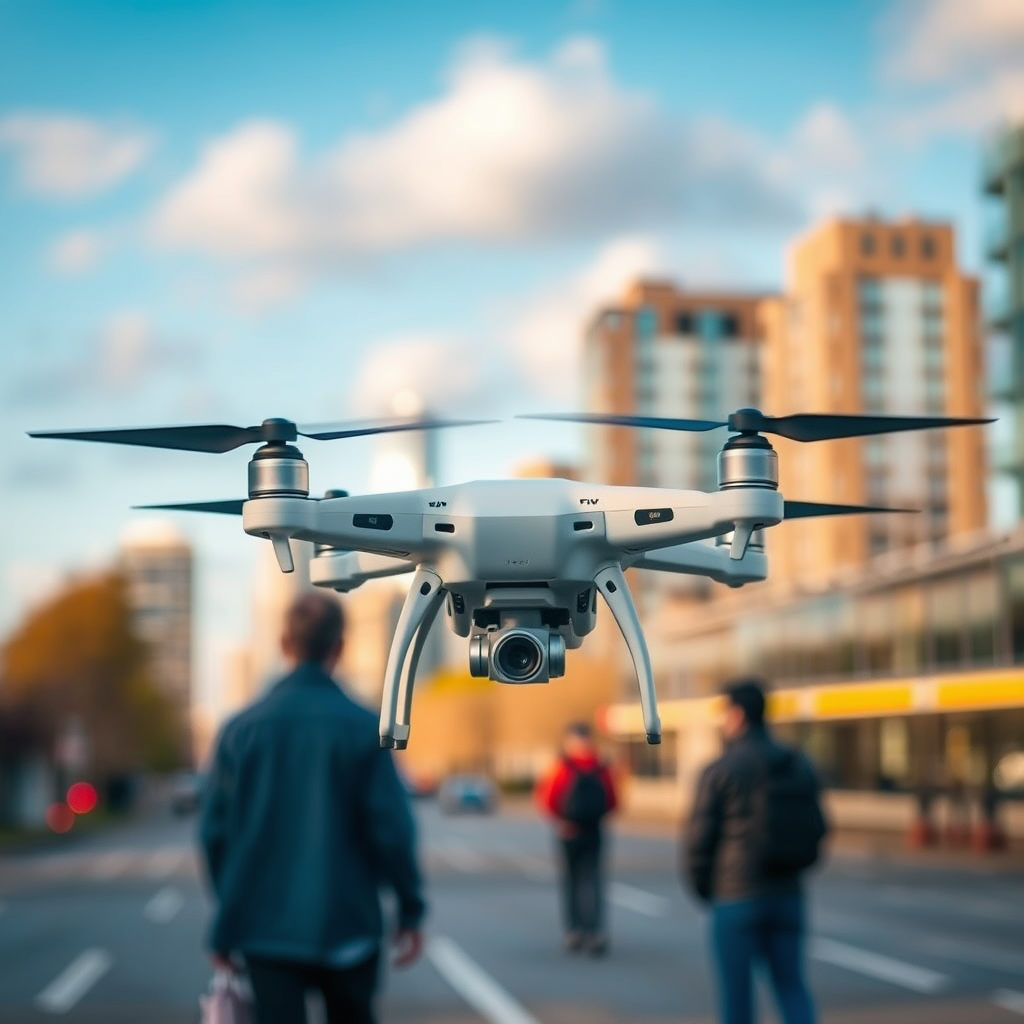
In Canada, drone operation is regulated by Transport Canada, and there are strict guidelines that every drone pilot must adhere to. Drones weighing over 250 grams are classified as “Remotely Piloted Aircraft Systems” (RPAS) and are subject to a variety of operational guidelines designed to ensure safety in the airspace. For instance, pilots must operate their drones below 400 feet and maintain a visual line of sight with their aircraft at all times.
Moreover, drone pilots must avoid flying near populated areas, in controlled airspace, or within 9 kilometers of airports unless they have specific authorization. All drone operators should familiarize themselves with the Canadian Aviation Regulations (CARs) to ensure compliance. For those flying drones that weigh over 250 grams, certification is mandatory. This involves passing the online Safety Test, which covers essential knowledge about air regulations, safe operating practices, and the responsibilities of drone pilots.
No-Fly Zones in Vancouver
In Vancouver, certain areas are designated as no-fly zones, where drone usage is strictly prohibited. Key locations include the vicinity of airports, such as Vancouver International Airport (YVR), where the airspace is heavily monitored and regulated due to the high volume of air traffic. Additionally, many public parks, including Stanley Park, have restrictions in place to protect wildlife and ensure public safety.
Proximity to emergency services, such as fire stations and hospitals, is also a factor that can limit drone flights. During special events or large gatherings, such as festivals or sports events, temporary no-fly zones may be enacted to ensure the safety of participants and spectators. It is crucial for drone pilots to check local regulations and any temporary restrictions prior to flying.
Required Permits and Certifications
Depending on the weight of the drone and its intended use, specific permits and certifications may be required. For recreational flying, if your drone weighs more than 250 grams, you must obtain a pilot certificate by passing the online Safety Test provided by Transport Canada. This requirement ensures that you understand the basic principles of safe drone operation.
For commercial purposes, the regulations become more stringent. Operators must apply for a Special Flight Operations Certificate (SFOC) if they intend to fly in controlled airspace or for any operation that does not conform to standard regulations. This process includes submitting an application detailing the planned flight operations, safety measures, and risk assessments. Failure to obtain the necessary permits can lead to significant fines and legal repercussions.
Best Places to Fly Drones in Vancouver
Vancouver offers a variety of picturesque locations ideal for drone flying, particularly in open areas where the risk of encountering people or obstacles is minimized. Popular spots include Jericho Beach and the expansive fields at Queen Elizabeth Park, both of which provide stunning views of the city and surrounding landscapes.
However, it is essential to remain vigilant about local regulations in these areas. For instance, while Jericho Beach is a popular spot for drone enthusiasts, it is crucial to avoid flying during peak hours when more people are present. Another great location is the waterfront area near Coal Harbour, where pilots can capture breathtaking shots of the skyline against the backdrop of the mountains. Always remember to check for signage and local guidelines before taking off.
Safety Tips for Flying Drones
Safety should always be your top priority when operating a drone. Maintaining a visual line of sight with your drone is crucial; this means you should be able to see your drone without the aid of binoculars or a screen. Additionally, ensure that you are aware of your surroundings and avoid flying over crowds or private property to respect others’ privacy.
Weather conditions also play a significant role in safe drone operation. Avoid flying in windy or inclement weather, as these conditions can impact your drone’s stability and control. Lastly, always perform a pre-flight check to ensure your drone is in good working condition, with fully charged batteries and functional components.
Drone Insurance and Liability
While not a legal requirement, obtaining drone insurance is highly advisable, especially for those involved in commercial operations. Drone insurance can protect you from potential liabilities, including damages to property or injuries to individuals. Liability coverage is particularly important if you plan to operate your drone in populated areas or for commercial purposes, as the risks associated with drone flights can be significant.
Commercial drone operators should consider specialized insurance policies that cover specific activities, such as aerial photography or surveying. This protection can provide peace of mind, allowing you to focus on your work without the constant worry of potential accidents or damages.
Community and Resources
Joining local drone clubs or forums can provide invaluable support and resources for both new and experienced pilots. These communities often share tips on the best flying locations, upcoming events, and changes to regulations. Engaging with fellow enthusiasts can also enhance your knowledge and skills, as many members are eager to offer advice based on their experiences.
Additionally, utilize online resources, such as Transport Canada’s website and drone advocacy groups, to stay updated on the latest regulations and flying conditions. Many cities, including Vancouver, have dedicated websites or social media groups that provide real-time information on no-fly zones and local events that may affect drone usage.
In conclusion, flying a drone in Vancouver is entirely feasible with the right knowledge and adherence to regulations. Understanding Canadian drone laws, knowing where to fly, and obtaining the necessary permits are crucial for a safe and enjoyable experience. Always prioritize safety and compliance, and engage with the local community for ongoing support and information. For more information, check with Transport Canada and local authorities before your flight to ensure you are fully informed and prepared.
Frequently Asked Questions
Can I fly a drone in Vancouver’s city parks?
Yes, you can fly a drone in many of Vancouver’s city parks, but there are specific regulations you must follow. The City of Vancouver requires drone operators to adhere to Transport Canada’s rules, which include maintaining a distance of at least 30 meters from people and not flying over crowds. Additionally, some parks may have designated no-fly zones, so it’s essential to check local regulations before launching your drone.
What are the regulations for flying a drone in Vancouver?
In Vancouver, drone operators must comply with the regulations set by Transport Canada, which include flying below 122 meters (400 feet), keeping the drone within visual line-of-sight, and not flying near airports or heliports. It’s also important to respect privacy laws and avoid flying over private properties without permission. For commercial drone use, you will need to obtain a Special Flight Operations Certificate (SFOC).
Where are the best places to fly a drone in Vancouver?
Some of the best places to fly a drone in Vancouver include scenic locations like Stanley Park, Kitsilano Beach, and the waterfront near the Vancouver Harbour. These areas typically offer stunning views and ample open space, but always check for any local restrictions or no-fly zones. Remember to prioritize safety and respect for others while enjoying your drone flying experience.
How can I check if a location in Vancouver is a no-fly zone for drones?
To determine if a location in Vancouver is a no-fly zone, you can use various online resources, including Transport Canada’s Drone Site Selection Tool and apps like AirMap or UAV Forecast. These tools provide real-time information on restricted airspaces, including airports, military zones, and other areas where drone flying is prohibited. Always verify the latest updates to ensure compliance with regulations.
Why is it important to follow drone regulations in Vancouver?
Following drone regulations in Vancouver is crucial for ensuring public safety and privacy, as well as avoiding legal penalties. Non-compliance can result in hefty fines or confiscation of your drone. Additionally, respecting the regulations helps maintain the integrity of airspace and the enjoyment of shared spaces for all residents and visitors. By flying responsibly, you contribute to a positive perception of the drone community.
References
- https://www.tc.gc.ca/en/services/aviation/drone-safety.html
- https://www.vancouver.ca/parks-recreation-culture/drone-flying.aspx
- https://www.cbc.ca/news/canada/british-columbia/drone-regulations-1.4992859
- https://www.faa.gov/uas/
- https://www.gov.bc.ca/drone-safety
- https://www.vandrc.com/
- https://www.westcoastdrone.com/drone-regulations-in-canada/
- https://www.theglobeandmail.com/business/article-restrictions-on-drones-in-canada/
