
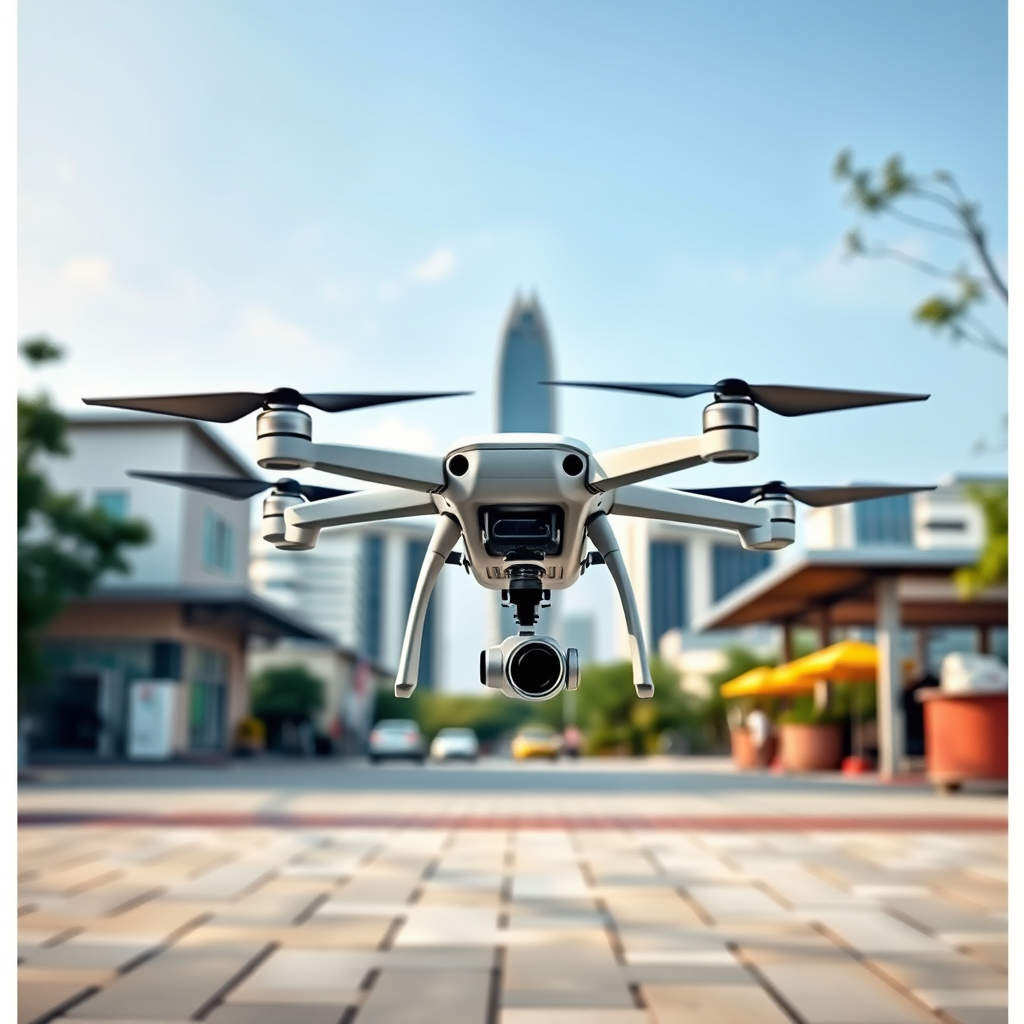
Yes, you can fly a drone in Vietnam, but there are specific regulations and guidelines you must follow. Understanding these rules will help you enjoy your drone flying experience while staying compliant with local laws. As Vietnam increasingly embraces drone technology for both commercial and recreational purposes, it is essential to navigate the legal landscape to ensure safe and responsible usage. This blog post will guide you through the key regulations, required permits, and best practices, so you can make the most of your aerial adventures in this beautiful country.
Understanding Drone Regulations in Vietnam
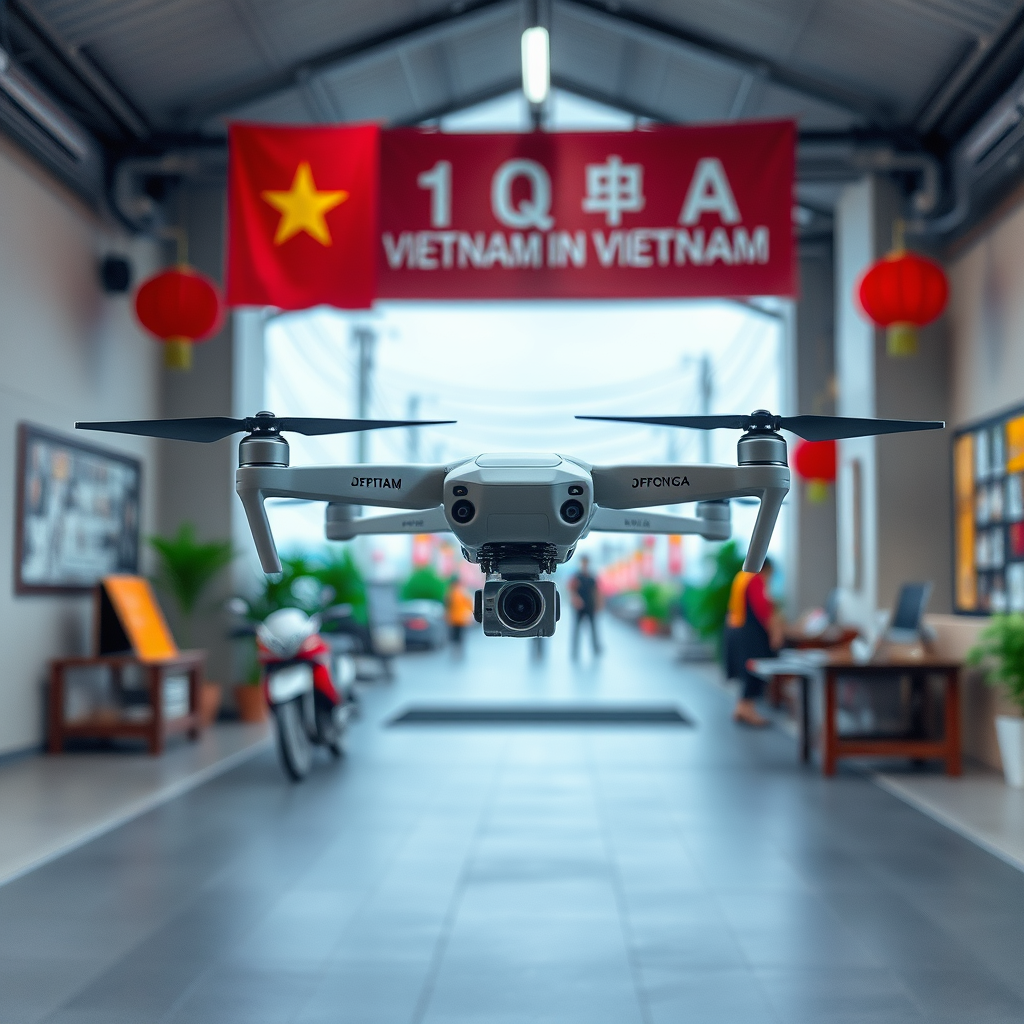
In Vietnam, the regulations surrounding drone usage are designed to ensure safety and security. Drones weighing more than 0.25 kg must be registered with the government. This registration is crucial as it allows authorities to monitor drone activity and ensure compliance with safety standards. To register a drone, operators must submit necessary documents to the Ministry of Transport, which may include proof of ownership and technical specifications of the drone.
Moreover, certain areas are designated as restricted for drone operations. Flying drones near airports and military zones is strictly prohibited to avoid any interference with aviation and national security. Operators should familiarize themselves with these no-fly zones, which are often marked on local maps and government websites. Additionally, drones should not be flown over sensitive sites, such as government buildings or large gatherings, to respect privacy and public safety.
Required Permits for Drone Use
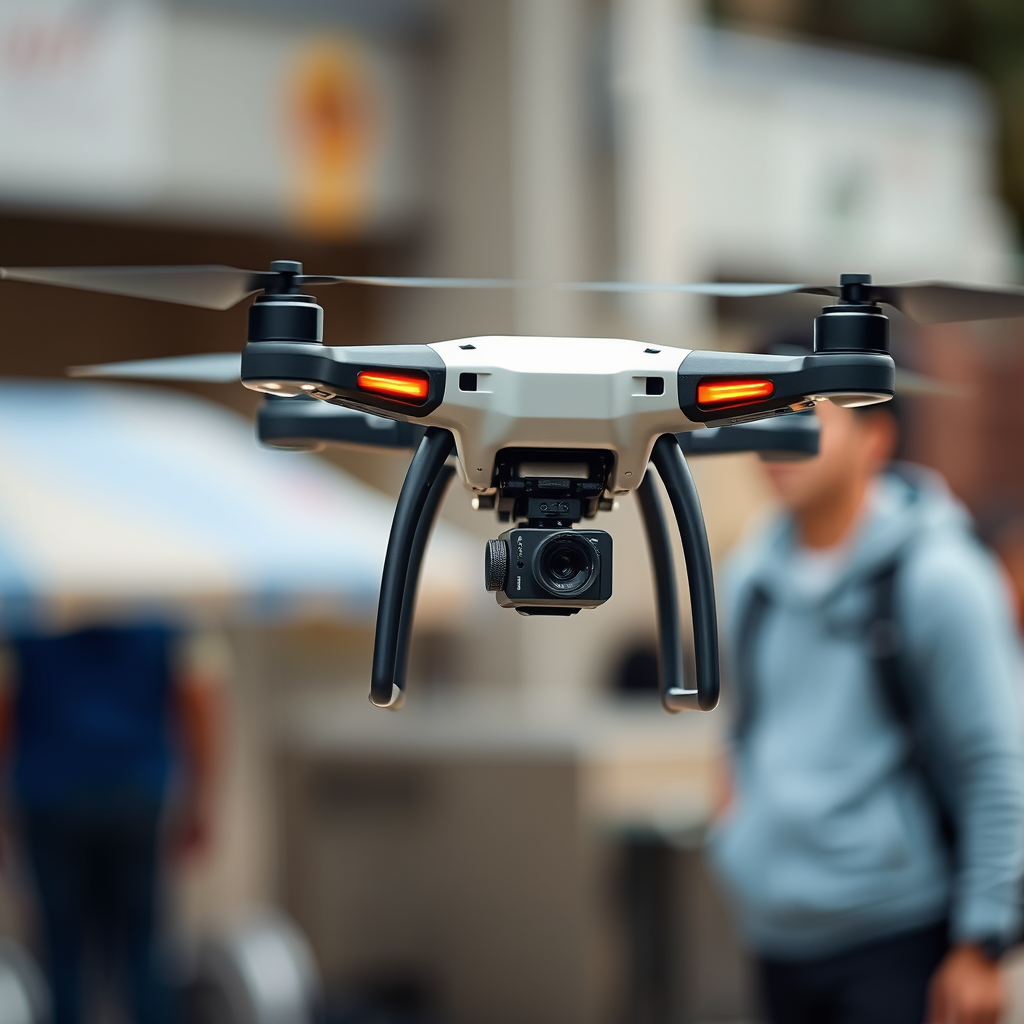
For commercial drone operations in Vietnam, obtaining a permission letter from the Ministry of Transport is mandatory. This process involves submitting an application that details the purpose of the drone usage, flight plans, and safety measures in place. Depending on the nature of the operation, additional permits may be required, particularly if the drone is used for activities like aerial photography, surveying, or agricultural monitoring.
Recreational flyers should also be diligent in checking local regulations and whether any additional permits are necessary. Some provinces may have unique stipulations that differ from national laws. Engaging with local authorities or drone clubs can provide valuable insights into specific requirements and help avoid any legal pitfalls.
Flying Drones in Urban Areas
Flying drones in urban environments like Hanoi and Ho Chi Minh City presents its own set of challenges and regulations. It is imperative for drone operators to be aware of no-fly zones established within these cities. These areas often include densely populated districts, major public spaces, and locations of significant historical importance.
Moreover, operators must respect privacy laws, which prohibit flying over crowded places or private properties without consent. This is particularly important in urban settings where the density of buildings and people can create potential safety and legal issues. By keeping a respectful distance from people and properties, drone pilots can not only comply with the law but also foster positive relationships with local communities.
Drone Insurance and Liability
While drone insurance is not mandatory in Vietnam, securing coverage can be a prudent decision for drone operators. Insurance can protect against potential damages resulting from accidents, equipment failure, or violations of regulations. For commercial operators, obtaining liability insurance is often a requirement for securing permits and contracts, providing protection against claims arising from injuries or property damage.
Understanding your liability in case of accidents is crucial. In instances where a drone causes damage or injury, the operator may be held responsible. Therefore, it is essential for both recreational and commercial drone pilots to educate themselves about their legal responsibilities and take proactive measures to mitigate risks.
Best Practices for Flying Drones in Vietnam
To ensure a safe and enjoyable flying experience in Vietnam, drone operators should adhere to best practices. Always keep your drone within visual line of sight, which is a fundamental safety requirement in many jurisdictions. This practice not only helps maintain control over the drone but also allows the operator to be aware of their surroundings, avoiding potential obstacles or hazards.
It is also advisable to avoid flying in adverse weather conditions, such as strong winds, rain, or fog. These conditions can impair drone performance and increase the risk of accidents. Additionally, conducting a pre-flight checklist to inspect your drone for any technical issues can help prevent malfunctions during operation.
Tips for Capturing Stunning Aerial Footage
Vietnam’s breathtaking landscapes offer a plethora of opportunities for stunning aerial photography and videography. Researching scenic locations that are drone-friendly is essential. Popular spots such as Ha Long Bay, the terraced rice fields of Sapa, and the ancient town of Hoi An provide beautiful backdrops for aerial shots.
To achieve the best lighting conditions for your footage, consider planning your flights during early morning or late afternoon. The golden hour, just after sunrise or before sunset, can enhance the quality of your images with softer, warmer light. Additionally, be mindful of local cultural events or festivals that may present unique opportunities for capturing captivating aerial footage while respecting the privacy and customs of local communities.
In summary, flying a drone in Vietnam is possible with the right knowledge and adherence to regulations. From understanding registration requirements and obtaining necessary permits to respecting privacy laws and following best practices, operators can ensure a smooth and enjoyable experience. Familiarizing yourself with local customs and regulations not only enhances your flying experience but also contributes to the responsible use of drone technology in this beautiful country. Happy flying!
Frequently Asked Questions
What are the legal requirements for flying a drone in Vietnam?
In Vietnam, flying a drone requires adherence to specific regulations set by the Civil Aviation Authority of Vietnam (CAAV). Drone pilots must obtain permission to fly, particularly in urban areas or near sensitive locations such as government buildings or military sites. Registration of the drone is also mandatory if it weighs over 250 grams. It’s essential to familiarize yourself with local laws and regulations to ensure compliant drone operation.
How can I obtain a drone permit in Vietnam?
To obtain a drone permit in Vietnam, you need to submit an application to the CAAV, including details about your drone, the purpose of your flight, and the intended flight location. The process may involve providing documentation such as proof of ownership, a flight plan, and insurance details. It’s advisable to apply well in advance of your intended flight date to account for processing time.
Why are there restrictions on drone flying in Vietnam?
Restrictions on drone flying in Vietnam are primarily in place for safety and security reasons. The government aims to prevent potential hazards to air traffic, protect sensitive areas, and ensure the privacy of citizens. These regulations help maintain a safe environment for both drone operators and the general public, making it crucial for pilots to understand and comply with the established laws.
What are the best places to fly a drone in Vietnam?
Some of the best places to fly a drone in Vietnam include scenic locations like Ha Long Bay, Phong Nha-Ke Bang National Park, and the terraced rice fields of Sapa. However, it’s important to check local regulations and obtain necessary permits before flying in these areas. Always prioritize respect for local customs and the environment while capturing stunning aerial footage.
Which drones are suitable for casual flying in Vietnam?
For casual flying in Vietnam, drones that are lightweight and portable, such as the DJI Mini series, are highly recommended. These drones are user-friendly, offer excellent camera quality, and typically weigh less than the 250-gram threshold, potentially reducing regulatory hurdles. Make sure to choose a drone that has good battery life and stability for capturing clear images, while ensuring it complies with local regulations.
References
- https://en.wikipedia.org/wiki/Drone_regulation_in_Vietnam
- https://www.faa.gov/uas/commercial_operators/foreign_national_operators
- https://www.reuters.com/article/us-vietnam-drones-idUSKBN1YH0OZ
- https://www.bbc.com/news/world-asia-50018072
- https://www.asiapacific.ca/publication/what-you-need-know-about-flying-drones-vietnam
- https://www.govinfo.gov/content/pkg/FR-2021-12-29/pdf/2021-28112.pdf
