
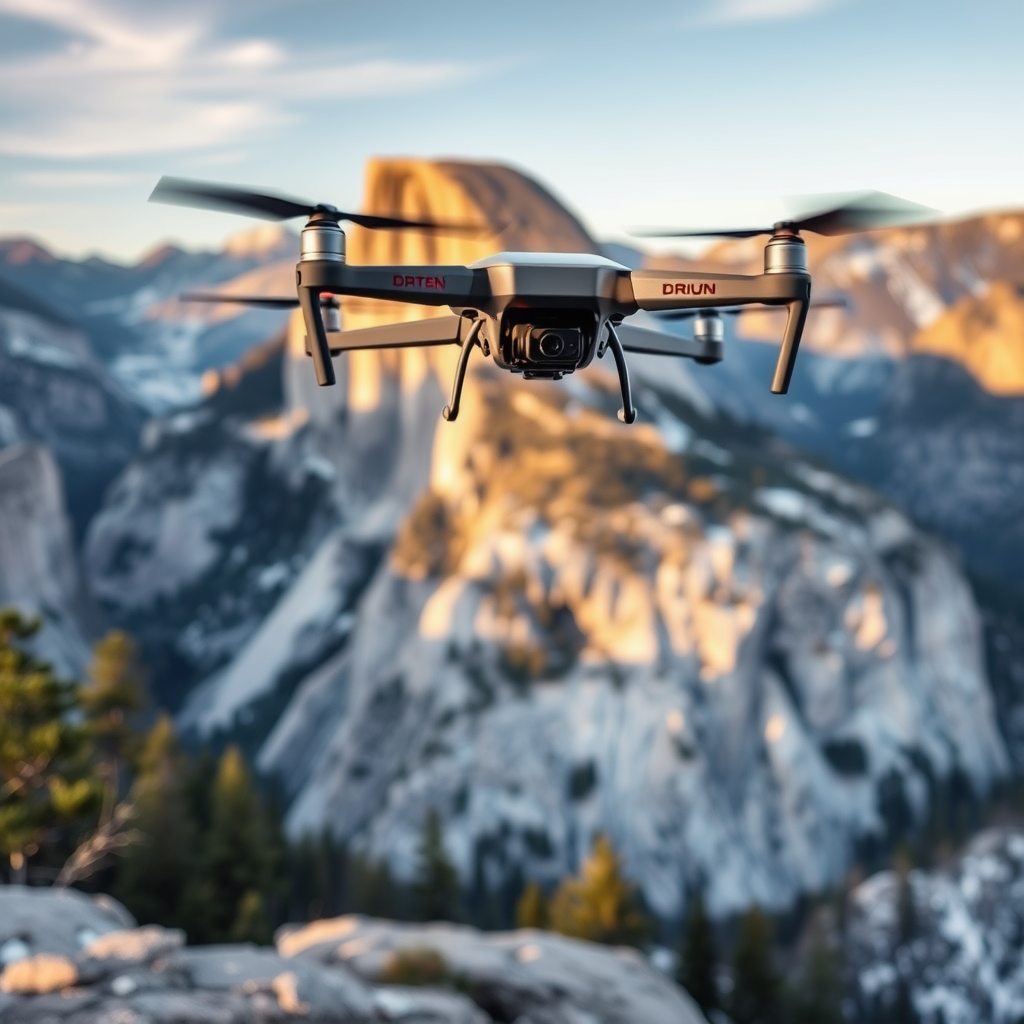
Yes, you can fly a drone in Yosemite National Park, but there are strict regulations in place. Understanding these rules is crucial for anyone looking to operate a drone within this iconic park. Yosemite is renowned for its breathtaking landscapes, diverse wildlife, and the preservation of its natural resources, which is why the National Park Service (NPS) has implemented stringent drone regulations to protect these elements. This article will outline the specific rules you need to follow to ensure a safe and legal flying experience in one of America’s most beautiful national parks.
Understanding Yosemite’s Drone Regulations
In Yosemite National Park, drones are subject to comprehensive regulations that prioritize the preservation of the park’s natural beauty and the safety of its visitors. First and foremost, drones are banned in all federally designated Wilderness areas, which encompass a significant portion of Yosemite. This restriction is in place to maintain the integrity of these unspoiled environments, where human activity is limited to protect wildlife habitats and promote a natural experience for visitors.
For those interested in using drones for commercial purposes, it is essential to know that the National Park Service requires a permit. However, obtaining this permit is generally a challenging process, and approvals are infrequent. The NPS typically prioritizes research and conservation efforts over recreational drone use, reflecting the park’s commitment to safeguarding its landscapes and ecosystems. If you are considering flying a drone in Yosemite, it is critical to familiarize yourself with these regulations to avoid potential penalties.
Areas Where Drones are Prohibited
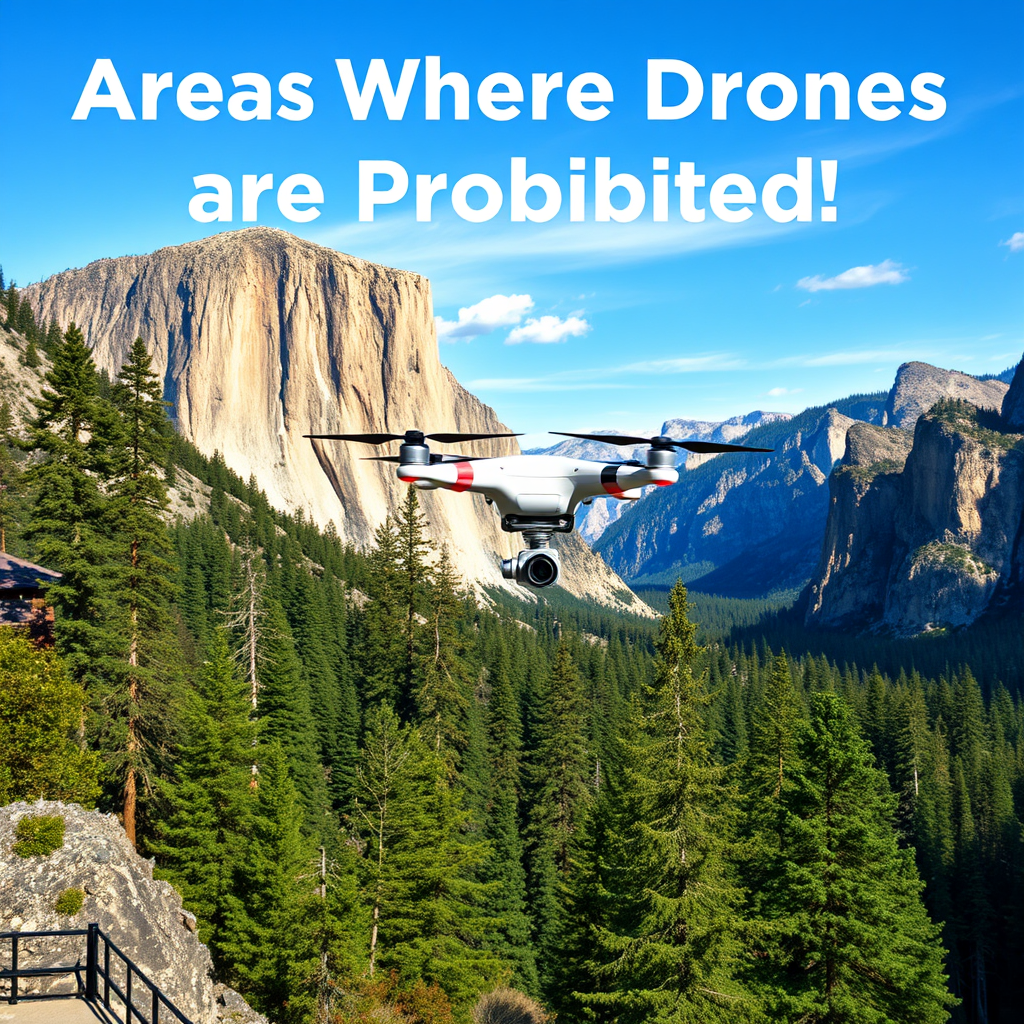
Certain areas within Yosemite are explicitly off-limits for drone operation due to their ecological sensitivity and heavy visitor traffic. Prime locations such as Yosemite Valley and Glacier Point are included in this prohibition. Yosemite Valley, known for its iconic views of El Capitan and Half Dome, attracts millions of visitors each year, and the presence of drones can disrupt both the natural environment and the experience of those enjoying these sights.
Furthermore, the proximity of drone activity to wildlife is another crucial consideration for restrictions. Drones can disturb animals, particularly during sensitive times such as breeding or nesting seasons. The NPS enforces these regulations rigorously to ensure that both wildlife and visitor experiences are preserved. Understanding these specific locations where drone use is prohibited will help you plan your visit and avoid unintentional violations.
How to Apply for a Drone Permit
If you are contemplating the use of a drone for commercial purposes in Yosemite, the first step is to submit a permit application through the National Park Service. The application process requires you to provide a detailed account of your intended drone flight, including the purpose, location, and duration of the operation. It is advisable to include comprehensive plans that outline how you will minimize disturbances to wildlife and ensure the safety of visitors.
However, it is important to manage your expectations, as permits for recreational drone use are rarely approved. The NPS is primarily focused on conservation and visitor safety, which often means that applications for recreational purposes do not meet the necessary criteria for approval. Therefore, if you intend to capture stunning landscapes or wildlife footage, consider alternative methods or locations that allow for drone use without the need for a permit.
Best Practices for Drone Flying in National Parks
For those fortunate enough to fly their drones in areas where it is permitted, adhering to best practices is crucial. Always ensure that you fly at a safe altitude, typically below 400 feet, to minimize risks and avoid interference with manned aircraft. Additionally, steer clear of crowded areas and wildlife habitats to reduce the chances of disturbing both people and animals.
Familiarizing yourself with your drone’s capabilities and limitations before flying is another essential best practice. Understanding the battery life, range, and stability of your drone will help you plan your flights more effectively. Always conduct a pre-flight check to ensure that your drone is in good working condition, and be prepared to respond to any technical issues that may arise during your flight. Lastly, respect the natural environment by avoiding flying in adverse weather conditions and ensuring that your drone does not collect litter or disturb the landscape.
Consequences of Violating Drone Regulations
The consequences of violating drone regulations in Yosemite can be severe. Fines for illegal drone use can be substantial, with penalties potentially reaching thousands of dollars depending on the severity of the infraction. In addition to financial repercussions, violators may also face confiscation of their drone equipment, which can add to the overall cost and frustration of non-compliance.
The National Park Service is vigilant in enforcing these regulations, as they are crucial for protecting the park’s delicate ecosystems and ensuring that all visitors can enjoy the natural beauty without disruption. Therefore, it is imperative to understand and adhere to the established rules to avoid legal complications and contribute to the park’s preservation efforts.
Alternative Locations for Drone Flying
If you are eager to fly your drone but find yourself restricted by Yosemite’s regulations, consider exploring alternative locations outside of national park boundaries where drone flying is permitted. Many state parks, local parks, and open spaces offer more lenient regulations for drone enthusiasts.
For example, nearby areas such as the Sierra National Forest or certain county parks may allow drone operations, providing ample opportunities for capturing stunning landscapes and unique aerial perspectives without the stringent restrictions found in Yosemite. Before flying in these alternative locations, it is still essential to check local regulations and obtain any necessary permits to ensure compliance with state and local laws.
In conclusion, while flying a drone in Yosemite is largely restricted, understanding these regulations can help you navigate your options. Always prioritize safety and compliance to protect the park’s natural beauty and wildlife. If you’re eager to capture stunning aerial footage, explore other locations that welcome drone enthusiasts. By respecting the rules and considering alternative options, you can enjoy your passion for drone flying while contributing to the preservation of one of America’s most cherished national treasures.
Frequently Asked Questions
Can I fly a drone in Yosemite National Park?
No, flying drones in Yosemite National Park is prohibited. The National Park Service has strict regulations in place to protect the park’s natural and cultural resources, as well as to ensure the safety and experience of all visitors. If you’re planning to visit, it’s important to respect these regulations to avoid fines and to preserve the park’s beauty.
Why are drones not allowed in Yosemite?
Drones are banned in Yosemite to safeguard wildlife, prevent disturbances to the natural landscape, and maintain the integrity of the visitor experience. The noise and visual impact of drones can disrupt wildlife and other visitors, detracting from the serene environment that Yosemite is known for. These regulations help ensure that the park remains a peaceful retreat for all.
What are the consequences of flying a drone in Yosemite?
Flying a drone in Yosemite can result in hefty fines, confiscation of the drone, and potential legal repercussions. The penalties may vary depending on the severity of the infraction, but they are designed to deter drone use in sensitive areas like national parks. It’s crucial to adhere to park regulations to avoid these consequences.
Are there any nearby locations where I can legally fly my drone?
Yes, there are several locations near Yosemite National Park where drone flying is permitted. Areas like the Sierra National Forest and certain parts of the Inyo National Forest allow drone use, provided you follow local regulations and guidelines. Always check for specific restrictions and obtain any necessary permits before flying.
How can I capture aerial photography of Yosemite without a drone?
To capture stunning aerial photography of Yosemite without using a drone, consider hiring a licensed aerial photographer or taking a scenic flight tour. These options provide a unique perspective of the park while adhering to legal regulations. Additionally, you can explore high vantage points accessible by hiking to capture breathtaking landscape shots from various angles.
References
- https://www.nps.gov/yose/planyourvisit/drone-use.htm
- https://www.faa.gov/uas/getting_started/
- https://www.faa.gov/uas/recreational_fliers/
- https://www.usatoday.com/story/travel/2021/06/15/drone-use-national-parks/7691724002/
- https://www.nps.gov/articles/a-guide-to-flying-drones-in-national-parks.htm
- https://www.nps.gov/yose/learn/news/yosemite-national-park-drone-policy.htm
