
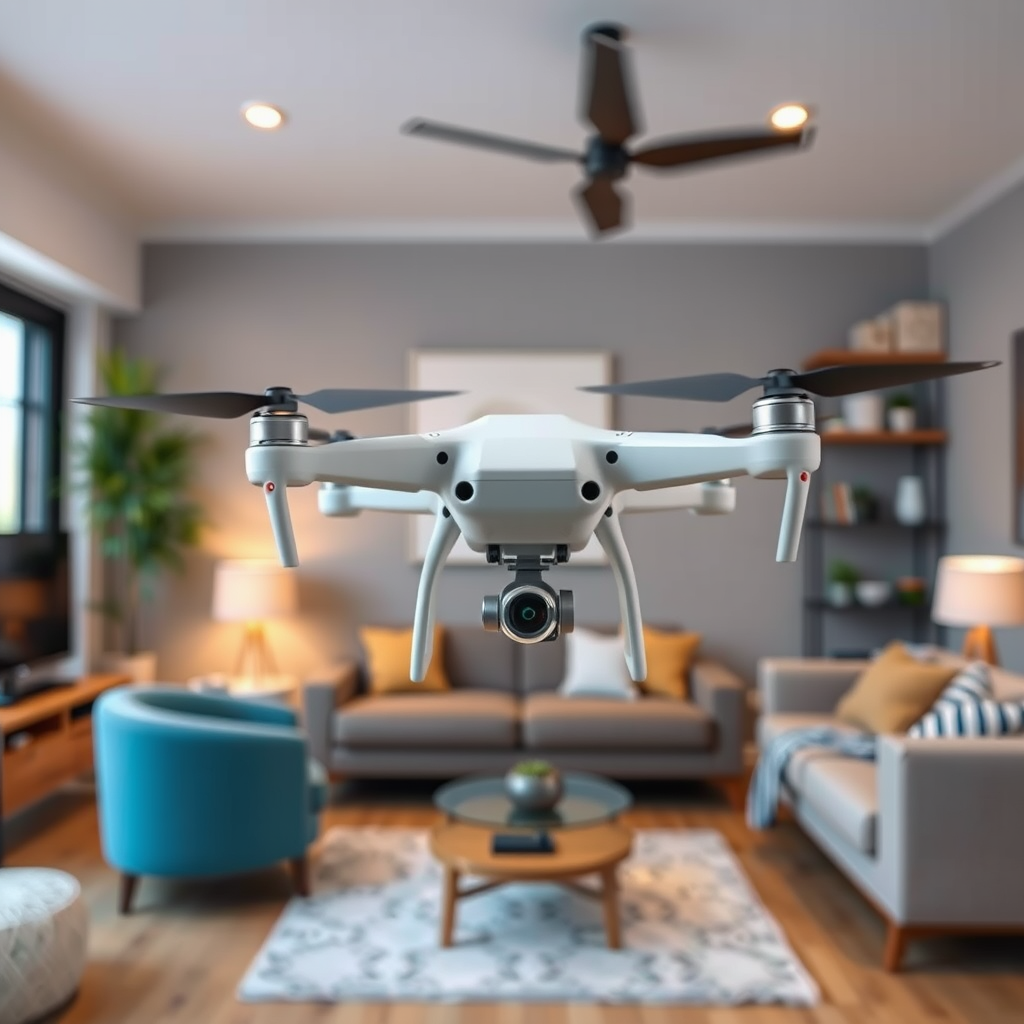
Yes, you can fly a drone indoors, but there are several important factors to consider, such as safety, space, and regulations. Indoor drone flying can be an engaging and rewarding experience, especially for hobbyists and professionals seeking to hone their skills. However, it is essential to understand the unique challenges and considerations associated with indoor flight to ensure a safe and enjoyable experience.
Understanding Drone Capabilities
Not all drones are designed for indoor flying; therefore, it is crucial to check your drone’s specifications before taking off. Many consumer drones are optimized for outdoor use, featuring powerful motors and larger frames that can handle wind resistance and outdoor conditions. Conversely, indoor drones are typically smaller and lighter, making them more maneuverable in confined spaces. They often come equipped with features such as altitude hold, which stabilizes the drone at a consistent height, making it easier to control in an indoor environment.
For example, mini drones like the DJI Tello or the Parrot Mambo are specifically designed for indoor use. They provide stability and ease of control, which are essential for navigating tight spaces. Additionally, these drones often have built-in sensors to help avoid obstacles, making them ideal for flying indoors.
Safety Precautions
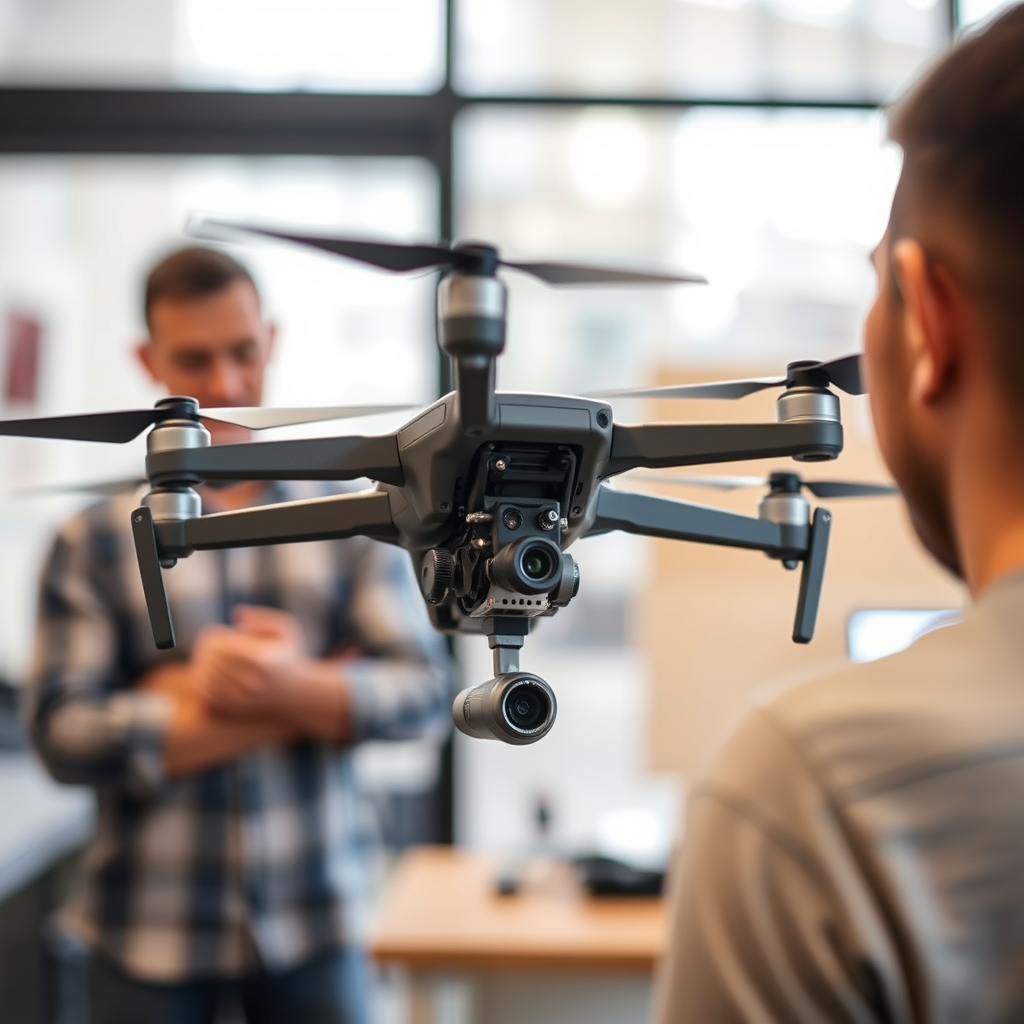
Safety should always be your top priority when flying a drone indoors. Before taking off, ensure that the area is free from obstacles and people to minimize potential accidents. This includes moving furniture and other items that could lead to collisions. Always conduct a thorough walkthrough of the space to identify potential hazards.
Using propeller guards is another essential safety measure. Propeller guards help protect both the drone and its surroundings from damage in the event of a crash. They act as a buffer, reducing the risk of injury to nearby people and pets. If you are new to flying, consider using a drone with durable construction and safety features, as this can help mitigate risks associated with indoor flying.
Space Requirements
The size of the indoor space is a crucial factor to consider when planning to fly a drone. Larger areas, such as warehouses, gyms, or spacious living rooms, are more suitable for indoor flying due to the ample room for maneuverability. A spacious environment allows you to practice various flying techniques without the constant threat of collisions.
In contrast, cluttered spaces or small rooms can pose significant risks. Flying in a compact area increases the likelihood of crashing into walls, furniture, or other obstacles. Before attempting to fly, assess the layout of the space and choose a location that offers enough clearance to fly safely. Consider using open spaces without obstacles for initial practice sessions to build your confidence.
Local Regulations and Guidelines
Even though you may be flying indoors, it is still vital to familiarize yourself with local laws regarding drone operation. Some jurisdictions have specific regulations that apply to drone use, and failing to comply can result in fines or other legal ramifications. For instance, certain commercial venues, such as shopping malls or event spaces, may have their own policies regarding drone use on their premises.
To avoid any issues, always check with property owners or management before flying. In addition, if you plan to use your drone for commercial purposes indoors, such as for photography or inspections, ensure that you are compliant with any applicable licensing or insurance requirements.
Best Practices for Indoor Flying
To ensure a successful indoor flying experience, consider adopting best practices for operating your drone. Start with short, controlled flights to get accustomed to your drone’s handling characteristics. Flying slowly at first helps you build confidence and mastery over the controls.
Additionally, practice hovering and basic maneuvers such as turns and ascents in a safe environment. This foundational skill set will serve you well as you progress to more complex flying techniques, such as aerial photography or obstacle courses. Remember to stay within your comfort zone and gradually increase the complexity of your flying tasks as you gain experience.
Troubleshooting Common Issues
Flying indoors comes with its own set of challenges, particularly regarding connectivity and calibration issues. Signal interference can be more pronounced in indoor environments, especially when flying near electronic devices or metal structures. If you experience connectivity problems with your drone’s remote, try relocating to a different area within the indoor space.
Additionally, be prepared to recalibrate your drone if it behaves unpredictably during flight. Calibration is essential for maintaining flight stability, especially when transitioning from outdoor to indoor environments. Many drones come equipped with built-in calibration procedures; consult your user manual for specific instructions.
In case you experience unforeseen issues, it’s advisable to have a troubleshooting checklist ready. This might include checking battery levels, ensuring firmware is up to date, and verifying that all components are functioning correctly.
In conclusion, flying a drone indoors is indeed possible and can provide a unique and enjoyable experience. However, it requires careful consideration of safety, space, and regulations. By understanding your drone’s capabilities, implementing safety precautions, and adhering to local laws, you can ensure a responsible and enjoyable indoor flying experience. Remember to prioritize best practices and troubleshoot any issues effectively to maximize your enjoyment and skill development.
Frequently Asked Questions
Can I fly a drone indoors without any special permissions?
Yes, you can fly a drone indoors without special permissions, as indoor flying typically does not fall under the same regulatory restrictions as outdoor flying. However, it’s essential to ensure that the drone is suitable for indoor use, as larger models may damage furniture or cause injury. Always check for any specific rules set by the facility where you plan to fly.
What safety precautions should I take when flying a drone indoors?
When flying a drone indoors, safety precautions are crucial to prevent accidents and damage. Always ensure the area is clear of people and fragile objects, use prop guards to minimize injury risk, and maintain a line of sight with your drone. Additionally, it’s wise to practice flying in an open space to become familiar with the drone’s controls before attempting indoor maneuvers.
How do I choose the best drone for indoor flying?
Choosing the best drone for indoor flying involves considering several factors. Look for a lightweight, smaller drone with features like altitude hold and obstacle avoidance to make navigation easier in tight spaces. Popular models for indoor flying include the DJI Tello and the Ryze Tech Tello, which are specifically designed for indoor use and offer stability and ease of control.
Why is it important to fly a drone indoors instead of outdoors?
Flying a drone indoors can be important for several reasons, including safety and convenience. Indoor flying eliminates the risks associated with outdoor elements, such as wind and unpredictable weather conditions, while allowing for practice and skill development in a controlled environment. Additionally, indoor flying can be a great way to capture creative footage in unique settings without the challenges of outdoor regulations.
Which indoor environments are best for flying a drone?
The best indoor environments for flying a drone include spacious areas like gymnasiums, warehouses, or large living rooms free of obstacles. It’s important to choose a location that allows for sufficient ceiling height and ample space to maneuver without hitting walls or ceilings. Always ensure the area is safe and devoid of any fragile items that could be damaged during flight.
References
- https://en.wikipedia.org/wiki/Drone_flight
- https://www.faa.gov/uas/getting_started/
- https://www.npr.org/2021/08/23/1029272107/drones-flying-inside-what-you-need-to-know
- https://www.smithsonianmag.com/innovation/flying-drone-indoors-tips-and-tricks-180975494/
- https://www.techsafety.org/drone-indoor-flying-guide
- https://www.theverge.com/2020/3/5/21167641/drone-indoor-flying-rules-tips-guide
- https://www.nasa.gov/press-release/nasa-drone-research-includes-flying-in-closed-environments
- https://www.faa.gov/uas/resources/policy_library/media/indoor_drone_flying.pdf
