

Yes, you can fly a drone on the beach, but there are specific regulations and safety considerations you should keep in mind. Flying a drone can provide stunning aerial photography opportunities and a unique perspective of the coastal landscape; however, it is essential to understand the legal framework and the potential for disturbances to wildlife and beachgoers. This article explores the essential factors that every drone pilot should know before taking to the skies over sandy shores.
Understanding Local Regulations
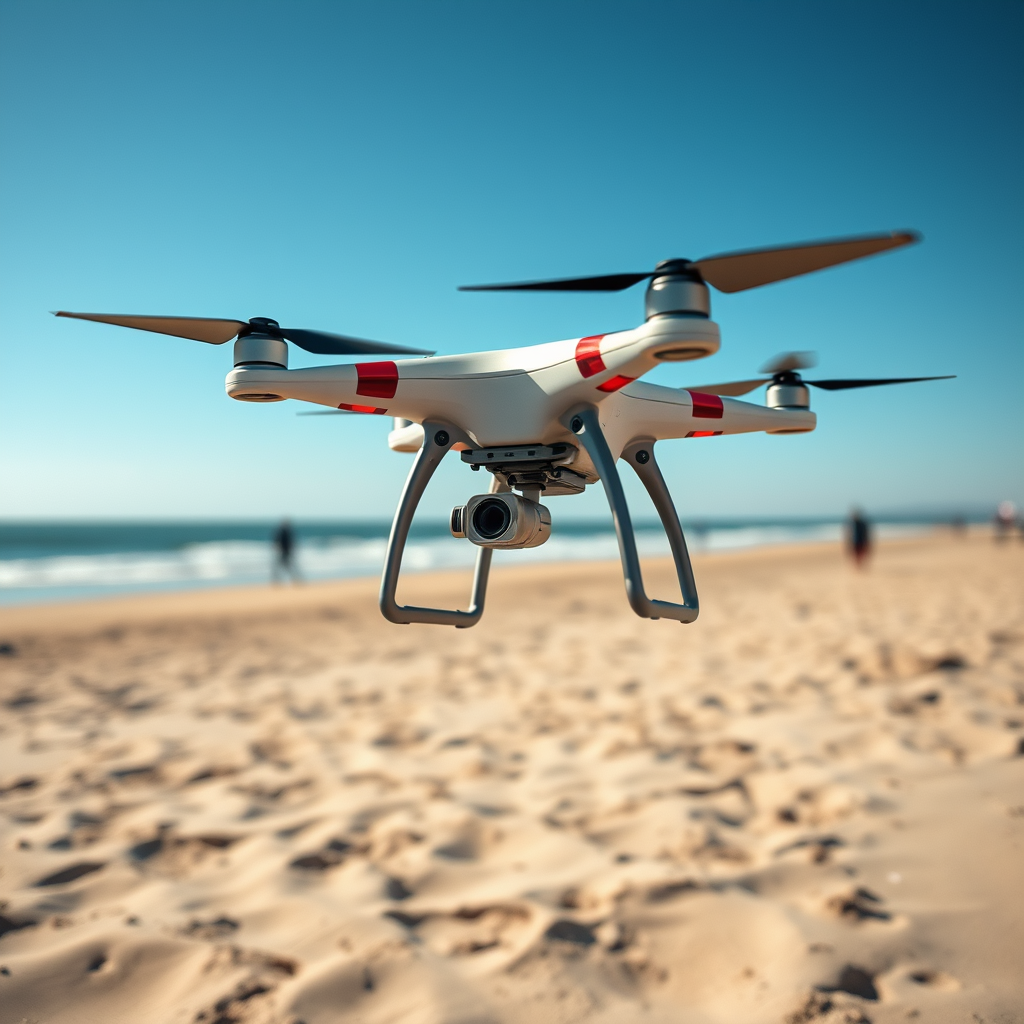
Before launching your drone from the beach, it’s critical to check for any local laws that may govern drone usage in that area. Many beach locations have specific regulations in place due to concerns about wildlife protection, particularly during nesting season for birds or turtles. For instance, some beaches may have designated no-fly zones to ensure the safety of both the wildlife and the public. Always consult local authorities or the beach management’s website for updated regulations. Failure to comply with these regulations may not only lead to fines but also endanger local ecosystems.
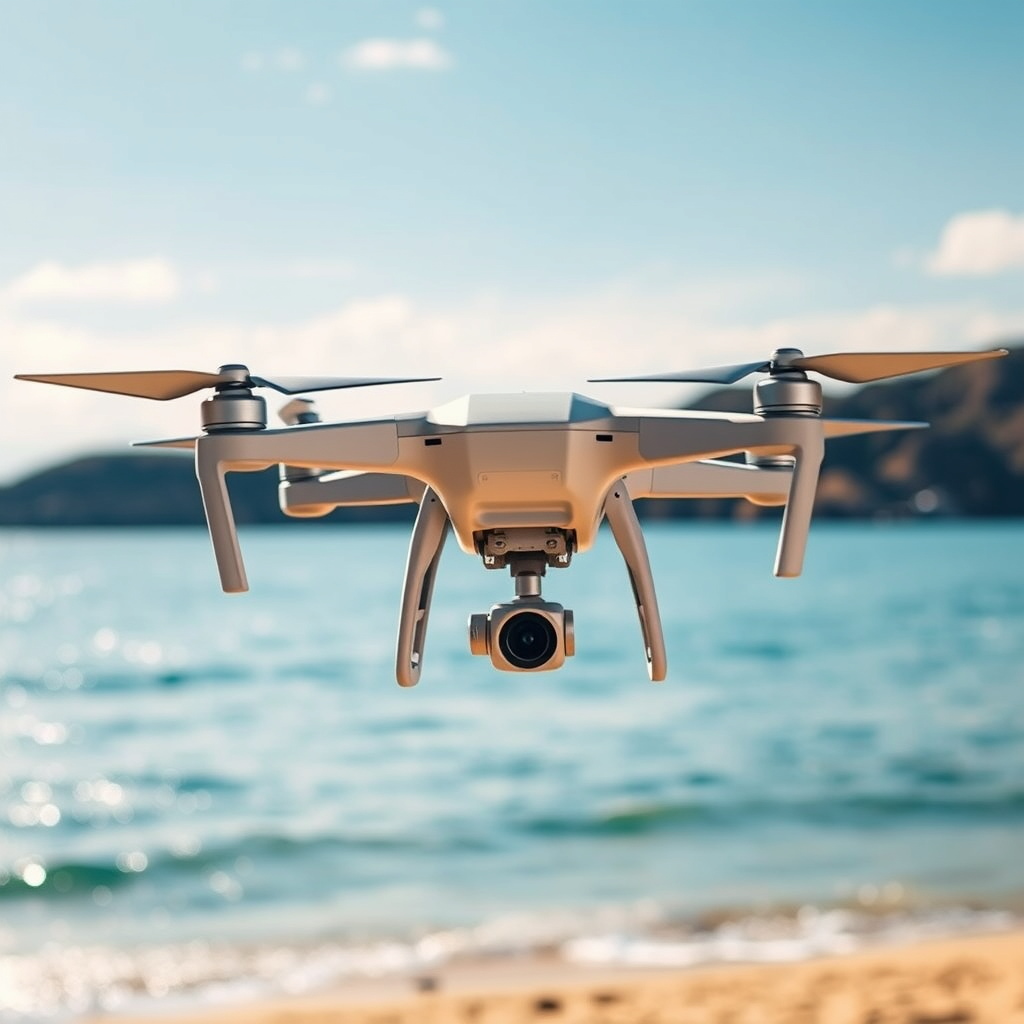
Additionally, some municipalities have implemented drone bans on their public beaches altogether. For example, certain popular tourist destinations have taken a hard stance against drones to preserve the tranquility of the beach experience for visitors. It’s advisable to conduct thorough research before making plans to fly your drone, as ignorance of local rules can lead to unpleasant encounters with law enforcement or park rangers.
FAA Guidelines for Drone Operations
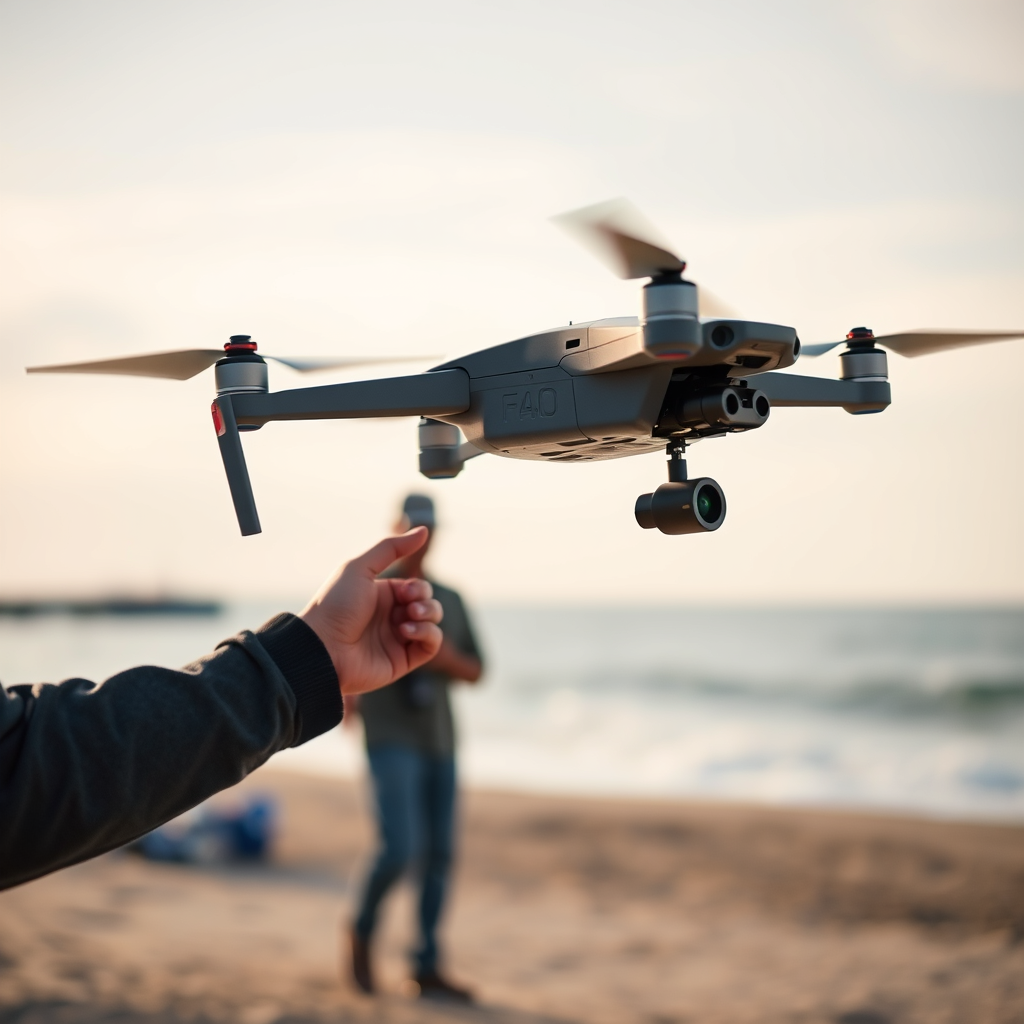
In the United States, drone operators must adhere to the Federal Aviation Administration (FAA) regulations. Familiarizing yourself with these guidelines is essential to ensure safe and legal flying. The FAA mandates that all drones weighing more than 0.55 pounds must be registered. The registration process is straightforward and can be completed online in a matter of minutes. Once registered, you’ll receive a unique identifier that should be affixed to your drone.
Moreover, the FAA has established operational guidelines that include maintaining a visual line of sight with your drone, not flying above 400 feet, and avoiding flying over crowds or moving vehicles. Understanding these rules will help you avoid potential legal troubles and ensure the safety of others. If you plan on flying your drone for commercial purposes, you will also need to obtain a Remote Pilot Certificate through the FAA, which involves passing an aeronautical knowledge test.
Safety Precautions While Flying
When flying a drone on the beach, safety should be your top priority. Maintaining a safe distance from people, pets, and any beach equipment is essential to avoid accidents or injuries. A general rule of thumb is to keep a minimum distance of 50 feet from individuals and animals. This not only protects those on the beach but also ensures that you have adequate space to maneuver your drone without risking a crash.
Weather conditions can change rapidly at coastal locations, so it’s crucial to be aware of the forecasts before heading out. Strong winds can make it challenging to control your drone, especially if it’s a smaller model. If the wind speed exceeds 15-20 mph, consider postponing your flight. Additionally, be cautious of incoming storms or sudden changes in visibility, as these factors can pose significant risks to drone operation.
Respecting Privacy Concerns
In addition to legal and safety considerations, drone operators must also navigate privacy concerns. Avoid flying over private property without permission, as this can lead to legal disputes. When capturing images or videos, be mindful of the people around you; taking images of individuals without their consent can lead to ethical dilemmas and may even breach local privacy laws.
To navigate these concerns, consider using your drone for landscape photography rather than focusing on individuals. This approach not only respects the privacy of beachgoers but also enhances your creative opportunities by allowing you to capture the beauty of the natural environment. Moreover, if you happen to capture someone in your footage, it’s always a good practice to ask for permission before sharing it on social media or other platforms.
Best Practices for Beach Drone Flying
To ensure a smooth flying experience, adhere to best practices tailored for beach conditions. One effective strategy is to choose less crowded times for your flights, such as early mornings or late afternoons. This not only reduces the likelihood of disturbing others but also enhances your ability to capture stunning photos with fewer obstructions in the frame.
Furthermore, selecting the right drone model is crucial for beach conditions. Drones that feature sand-resistant components and are built to withstand windy environments are ideal. Look for drones with a robust build quality, and if possible, invest in models that come with propeller guards to minimize damage from potential crashes. Additionally, consider drones with advanced stabilization features to help maintain control in variable wind conditions.
Popular Drones for Beach Use
When selecting a drone for beach use, certain models stand out for their performance in sandy and windy environments. The DJI Mavic Air 2, for instance, is a popular choice due to its impressive battery life, capable of flying for up to 34 minutes, and its excellent camera quality with 4K video capabilities. Its compact design makes it easy to transport to the beach, while its wind resistance makes it suitable for coastal flying.
Another noteworthy option is the Parrot Anafi, which offers a unique 180-degree tilt gimbal, allowing for creative aerial shots from various angles. With a lightweight design and robust features, this drone performs well in windy conditions and is also easy to carry. Each of these options provides a balance of durability, camera performance, and ease of use, making them ideal for drone enthusiasts looking to capture the beauty of the beach.
Conclusion
Flying a drone on the beach can be an exciting experience, but it requires knowledge of regulations and safety practices. By understanding local laws, adhering to FAA guidelines, and prioritizing safety, you can enjoy a responsible and enriching flying experience. Moreover, being respectful of privacy concerns and following best practices will enhance your interactions with fellow beachgoers and the environment. Before you fly, be sure to do your research, select the right equipment, and follow the guidelines to ensure a fun and responsible flying experience.
Frequently Asked Questions
Can I fly a drone on the beach if it’s a public area?
Yes, you can generally fly a drone on the beach if it is a public area, but it’s important to check local regulations. Many beaches have specific rules regarding drone usage, including designated flying zones and restrictions during peak visitor times. Always ensure you comply with Federal Aviation Administration (FAA) guidelines and any local laws to avoid fines or conflicts with other beachgoers.
What are the rules for flying a drone on the beach?
The rules for flying a drone on the beach typically include adhering to the FAA regulations such as maintaining a maximum altitude of 400 feet, keeping the drone within visual line of sight, and avoiding flying over people. Additionally, some beaches may have specific ordinances that restrict drone use, especially during crowded events or wildlife nesting seasons. Always check for any signage or local ordinances before launching your drone.
How do I find out if I can legally fly my drone on a specific beach?
To find out if you can legally fly your drone on a specific beach, start by researching local city or county ordinances related to drone usage. You can also check the FAA’s website for national regulations and use tools like the FAA’s B4UFLY app, which provides real-time information about airspace restrictions and nearby flight zones. Contacting local authorities or the beach management can also provide clarity on any specific rules in place.
Why is it important to check for wildlife restrictions when flying a drone on the beach?
Checking for wildlife restrictions when flying a drone on the beach is crucial because many coastal areas are habitats for protected species, such as shorebirds and sea turtles. Disturbing these animals can lead to serious consequences, including legal penalties and harm to the ecosystem. Additionally, respecting wildlife protection laws promotes responsible drone usage and helps preserve natural habitats for future generations.
What is the best time to fly a drone on the beach?
The best time to fly a drone on the beach is during early morning or late afternoon when there are fewer people and the winds are generally calmer. These times not only provide optimal flying conditions but also offer beautiful lighting for photography and videography. Avoid flying during peak hours when the beach is crowded, as this can pose safety risks and violate local regulations.
References
- https://www.faa.gov/uas/getting_started/remote_id
- https://www.faa.gov/uas/
- https://www.nps.gov/articles/drone-regulations-in-national-parks.htm
- https://www.wired.com/story/drones-beach-privacy/
- https://www.reuters.com/technology/drone-operators-face-new-rules-us-beaches-2021-08-30/
- https://www.nytimes.com/2021/06/25/us/drone-beach-faa.html
- https://www.ama-assn.org/delivering-care/public-health/drone-regulations-what-know
- https://www.surfrider.org/initiatives/drone-regulations-on-the-beach
