
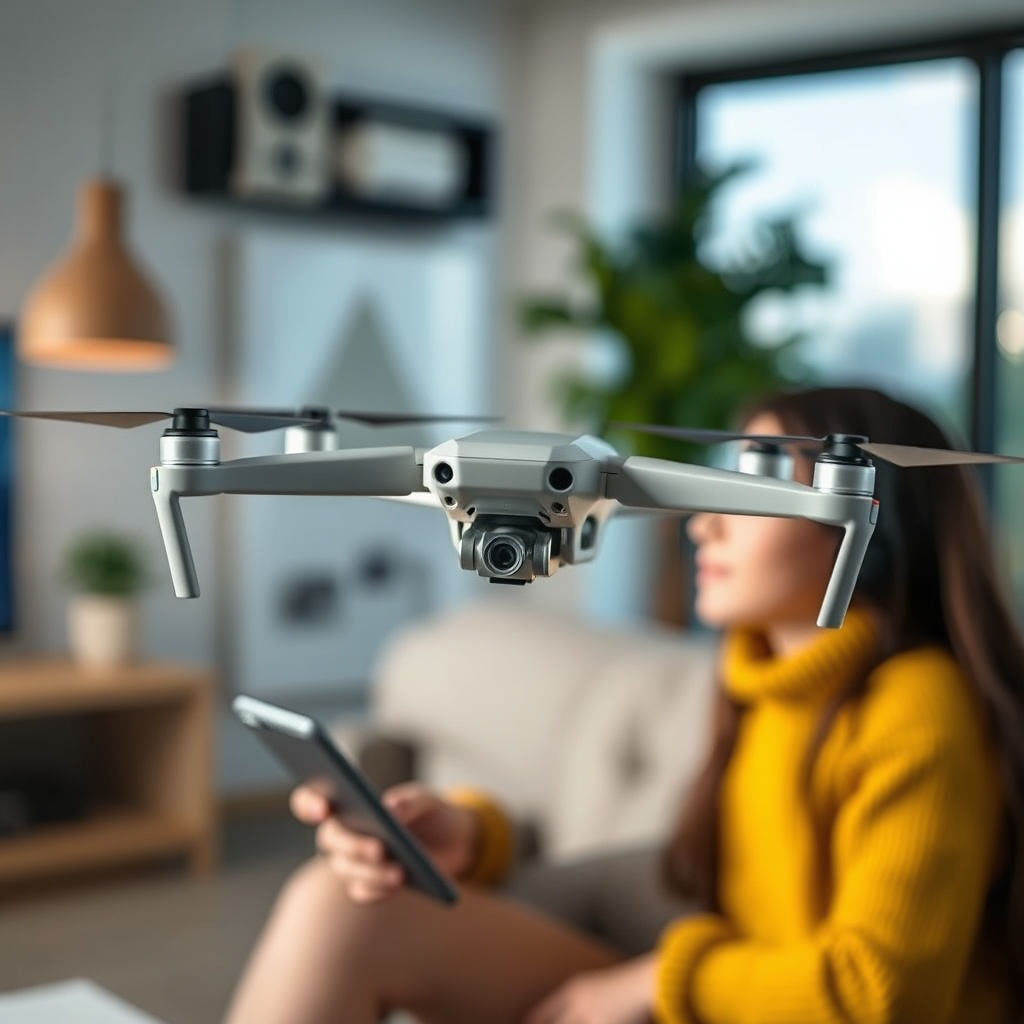
Yes, you can fly a drone that weighs over 250 grams, but you must adhere to specific regulations and guidelines set by aviation authorities. Understanding these rules is crucial for safe and legal drone operation. Drones over this weight limit are subject to stricter regulations, ensuring that both the operator and the public remain safe while enjoying this increasingly popular technology. In this article, we’ll explore the various aspects of flying heavier drones, including weight classifications, regulatory bodies, registration requirements, and safety guidelines.
Understanding Drone Weight Classifications
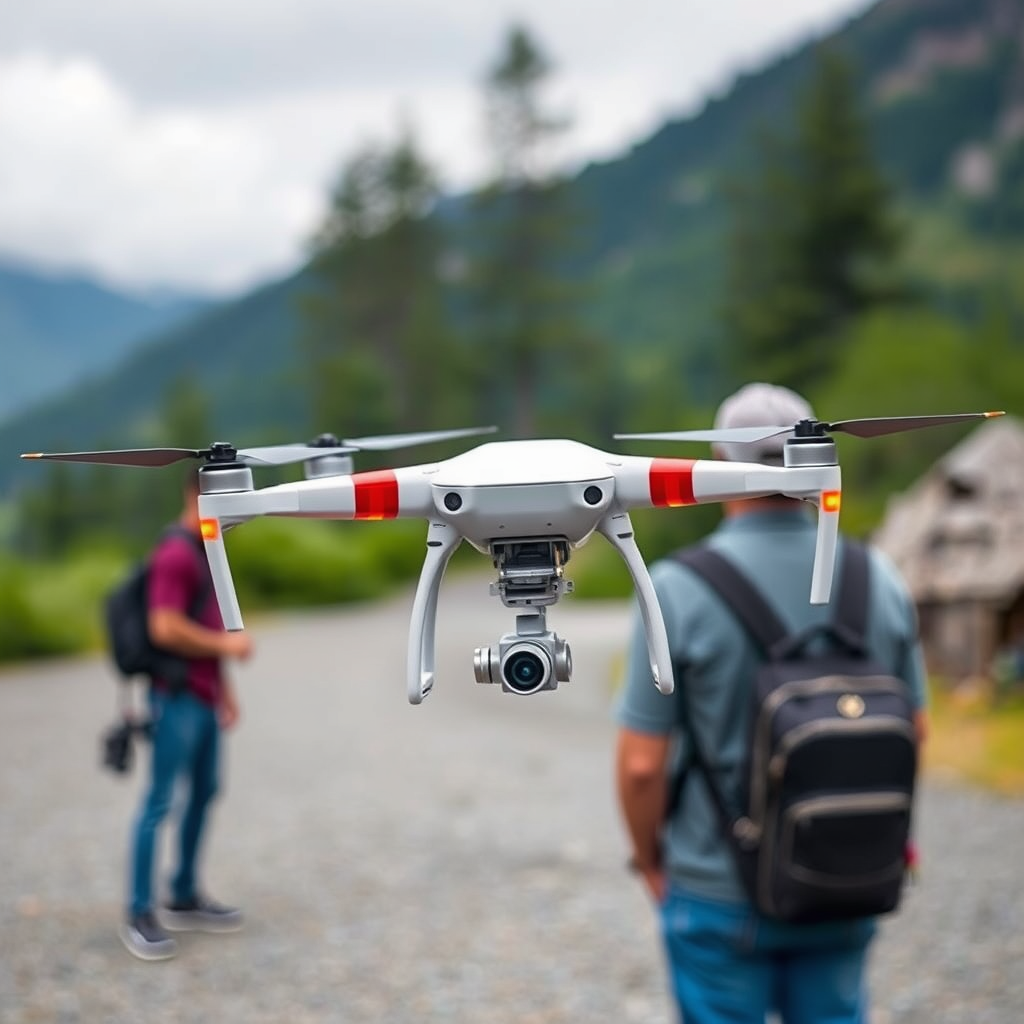
Drone weight classifications play a significant role in determining the operational limits and regulatory requirements for unmanned aerial vehicles (UAVs). The Federal Aviation Administration (FAA) and other international aviation authorities categorize drones primarily based on their weight, with 250 grams (approximately 0.55 pounds) acting as a pivotal threshold. Drones weighing less than 250 grams are often classified as “micro” drones, which typically face fewer restrictions concerning flight operations. For instance, many micro drones can be flown in urban environments without the need for registration or specific pilot certifications.
Conversely, drones that exceed 250 grams fall into a more regulated category. These heavier UAVs often require pilots to obtain a remote pilot certificate, register their drones, and adhere to stricter operational guidelines. Understanding your drone’s weight classification is essential not only for compliance but also for ensuring a safe flying experience. For example, a pilot using a drone weighing 2 kilograms (approximately 4.4 pounds) must follow different safety protocols compared to one operating a 200-gram drone.
Regulatory Bodies and Their Rules
In the United States, the primary regulatory body governing drone operations is the Federal Aviation Administration (FAA). The FAA has established a comprehensive set of rules designed to ensure the safety of both drone operators and the public. According to FAA regulations, any drone that weighs more than 250 grams must be registered before it can be flown. Similarly, pilots must adhere to operational guidelines, including altitude restrictions, airspace limitations, and reporting requirements for incidents.
Globally, various aviation authorities enforce similar regulations. For instance, in the United Kingdom, the Civil Aviation Authority (CAA) has implemented a system where drones over 250 grams must be registered, and operators must complete a competency test. It is crucial for drone operators to familiarize themselves with the rules applicable to their specific location, as failing to comply can lead to significant penalties, including fines and legal repercussions.
Registration Requirements for Drones Over 250g
Registration is a fundamental requirement for any drone that exceeds the 250-gram threshold. In the United States, drone operators must register their UAVs with the FAA, a process that is relatively straightforward. The registration involves providing personal details, such as the operator’s name and address, as well as information about the drone itself, including its make and model. The registration fee is minimal, making it an accessible requirement for most users.
The registration process not only helps to ensure accountability but also promotes responsible drone usage. Once registered, operators receive a unique identification number that must be displayed on the drone. This measure enhances safety by allowing authorities to trace any incidents back to the owner, thereby encouraging proper behavior and adherence to regulations.
In other jurisdictions, similar registration protocols are in place. For instance, in Canada, the Transport Canada agency mandates that all drones over 250 grams undergo registration, and operators must pass the Basic or Advanced exam, depending on their intended operations. Understanding these registration requirements is vital for compliance and helps establish a culture of responsibility among drone pilots.
Flying Restrictions for Heavier Drones
When flying drones over 250 grams, operators must be aware of specific restrictions related to flight zones and operational areas. Drones cannot be flown in restricted airspace, which includes areas near airports, military installations, and other sensitive locations. The FAA provides tools such as the B4UFLY app, which allows pilots to check for any flight restrictions in their intended area before taking off.
Additionally, Temporary Flight Restrictions (TFRs) may be issued by the FAA or other relevant authorities due to emergencies, special events, or other circumstances. These restrictions can change frequently, requiring operators to stay informed and adaptable. For example, during large public events like the Super Bowl, TFRs are often enacted to ensure public safety, prohibiting drone flights in specific zones.
Another critical aspect of flying restrictions is altitude limits. The FAA generally allows drone flights up to 400 feet above ground level, but operators should verify local regulations that may impose additional limitations. Being aware of and adhering to these restrictions is essential for maintaining safety and legality when operating heavier drones.
Safety Guidelines for Operating Drones Over 250g
Operating a drone that exceeds 250 grams comes with a heightened responsibility for safety. One of the most important guidelines is to maintain visual line of sight (VLOS) while flying. This means that the pilot should always be able to see the drone with their own eyes, ensuring better control and awareness of the surroundings. VLOS helps prevent accidents and collisions with other aircraft or obstacles.
Furthermore, drone operators should avoid flying over people or densely populated areas, as this increases the risk of injury should an incident occur. It is essential to perform regular maintenance checks to ensure the drone is in optimal flying condition. This includes inspecting the battery, propellers, and all electronic components. Pre-flight checks can prevent malfunctions that could lead to accidents.
Additionally, drone pilots should stay informed about weather conditions, as adverse weather can significantly impact flight safety. For instance, strong winds or rain can make it challenging to control heavier drones, increasing the likelihood of crashes. By adhering to these safety guidelines, drone operators can help ensure a more secure and enjoyable flying experience.
Consequences of Ignoring Regulations
Ignoring drone regulations can result in serious consequences for operators. The FAA imposes fines that can range from several hundred to thousands of dollars for non-compliance with registration and operational guidelines. In some severe cases, operators may face criminal charges, particularly if their actions endanger public safety or infringe on the rights of others.
Legal repercussions extend beyond fines; they can also lead to the suspension of flying privileges. For instance, if a pilot repeatedly violates regulations, they may be subject to a suspension or revocation of their remote pilot certificate. This not only affects the individual’s ability to fly drones but can also limit their prospects within industries that rely on UAV technology, such as aerial photography, surveying, and agriculture.
Moreover, negative publicity surrounding drone incidents can damage the broader perception of drone technology, hindering the growth and acceptance of this innovative industry. Therefore, it is paramount for drone operators to understand the regulations and comply fully to foster a safe and responsible flying environment.
Resources for Drone Pilots
For drone pilots seeking to stay informed about regulations and best practices, several resources are available. Online platforms such as the FAA’s website offer comprehensive information regarding drone laws, registration processes, and safety guidelines. Additionally, there are numerous forums and social media groups dedicated to drone enthusiasts, where pilots can share experiences, ask questions, and learn from one another.
Joining a local drone club can also be beneficial. These clubs often provide educational resources, workshops, and opportunities for networking with other pilots. Participating in community events can enhance knowledge about local regulations and foster a sense of camaraderie among drone operators.
Furthermore, various apps are designed to aid drone pilots in planning flights, checking airspace restrictions, and understanding weather conditions. Utilizing these resources can significantly enhance a pilot’s knowledge and competence, leading to safer and more enjoyable flying experiences.
In summary, while you can fly drones over 250 grams, it’s essential to follow the regulations and guidelines to ensure safe and legal operations. Understanding weight classifications, registration requirements, and safety protocols, along with staying informed about flying restrictions, will enhance your drone flying experience. By adhering to these rules and utilizing available resources, you can enjoy the thrilling world of drone flight responsibly.
Frequently Asked Questions
What are the regulations for flying a drone over 250g?
In many countries, including the United States, drones that weigh more than 250 grams (0.55 pounds) are subject to stricter regulations. These rules often require the drone operator to register their drone with the appropriate aviation authority, such as the FAA in the U.S. Additionally, operators must adhere to specific flight restrictions, including maintaining visual line of sight and not exceeding altitude limits. It’s crucial to familiarize yourself with local laws to ensure compliance and safe flying.
How do I register a drone that weighs over 250g?
To register a drone over 250g, you typically need to visit the official website of your country’s aviation authority. In the U.S., for example, you will need to create an account on the FAA’s DroneZone website, provide information about your drone, and pay a registration fee. Once registered, you’ll receive a unique identification number that must be marked on your drone, ensuring you follow the legal requirements for flying drones over this weight threshold.
Why is there a weight limit of 250g for drones?
The 250g weight limit for drones is primarily based on safety and regulatory considerations. Drones weighing more than this threshold are believed to pose a greater risk to people, property, and airspace, leading regulators to impose stricter controls. By establishing this weight limit, authorities aim to ensure safer air travel and minimize the potential for accidents, while also simplifying the regulatory process for smaller, lighter drones that are less likely to cause harm.
What are the best practices for flying a drone over 250g?
When flying a drone that exceeds 250g, it’s essential to follow best practices to ensure safety and compliance. First, always register your drone and mark it with the registration number. Second, conduct pre-flight checks to ensure all systems are functioning correctly. Additionally, maintain visual line of sight, avoid flying over populated areas, and be aware of no-fly zones. Lastly, consider obtaining liability insurance to protect yourself from potential damages or accidents.
Which drones are available under and over 250g?
There are various drones available on the market that fall under and exceed the 250g weight limit. Lightweight options include models like the DJI Mini 2 and the Holy Stone HS510, which are perfect for hobbyists and beginners. For those looking for more advanced features, drones like the DJI Mavic Air 2 and the Autel Robotics EVO Lite weigh over 250g but offer superior camera quality, longer flight times, and enhanced stability. When choosing a drone, consider your needs and ensure you understand the associated regulations for your selected model.
References
- https://en.wikipedia.org/wiki/Drone_regulations
- https://www.faa.gov/uas/getting_started/registration
- https://www.faa.gov/uas/advanced_operations/part_107
- https://www.faa.gov/uas/commercial_operators/part_107/
- https://www.nytimes.com/2021/04/14/technology/faa-drone-regulations.html
- https://www.nrc.gov/reading-rm/doc-collections/fact-sheets/drone-safety.html
- https://www.ama-cycle.org/ama-drone-faqs/
- https://www.nasa.gov/centers/aames/technology/drone.html
