

Yes, you can fly a drone over a police station, but there are specific regulations and restrictions you must follow. It’s essential to understand local laws, Federal Aviation Administration (FAA) guidelines, and the concerns surrounding public safety before taking flight. Navigating the intricacies of drone operation near sensitive areas like police stations requires diligence and respect for the legal framework that governs airspace use.
Understanding Drone Regulations
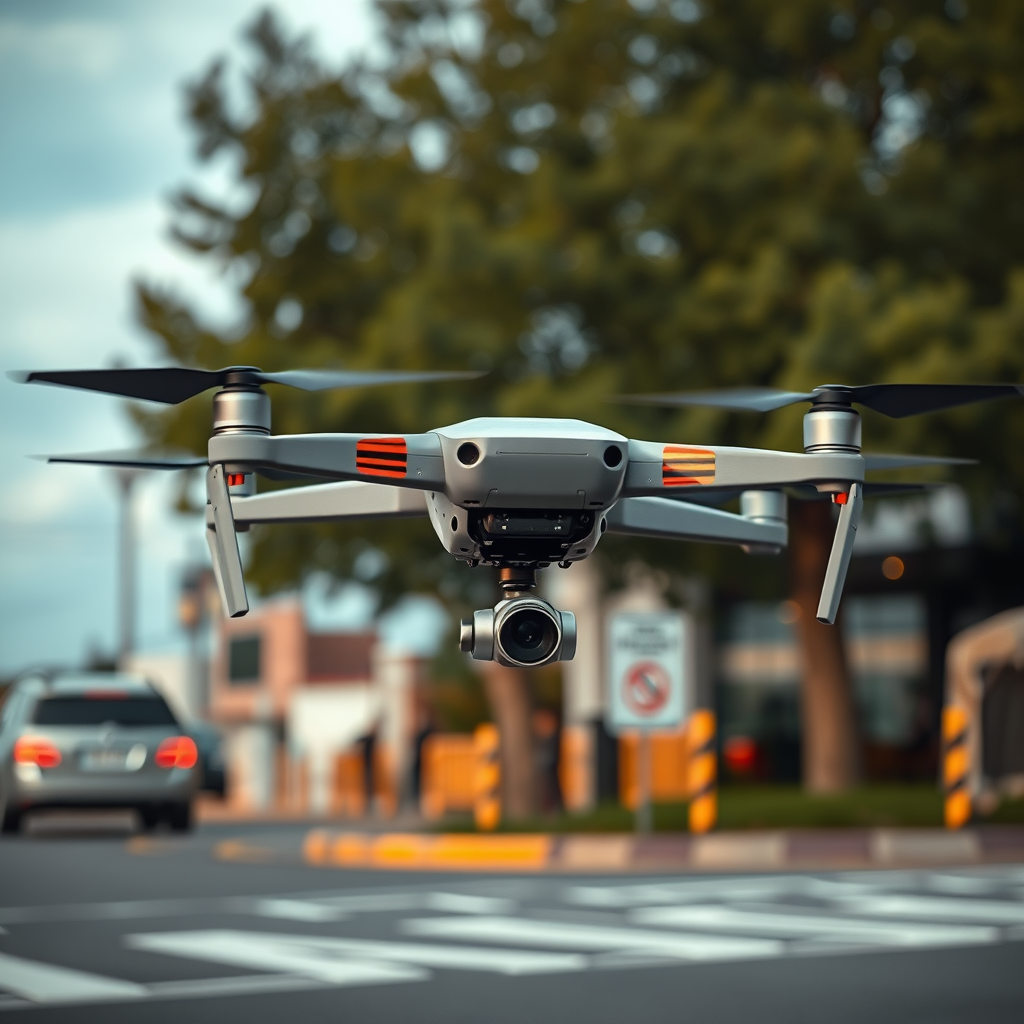
The Federal Aviation Administration (FAA) sets forth comprehensive guidelines that dictate where drones can be flown across the United States. According to the FAA’s rules, drone pilots must ensure they fly their unmanned aerial vehicles (UAVs) in accordance with regulations, which typically include maintaining visual line of sight, adhering to altitude limits, and avoiding restricted airspace. However, local laws often add another layer of complexity, especially in urban areas where police stations are located.
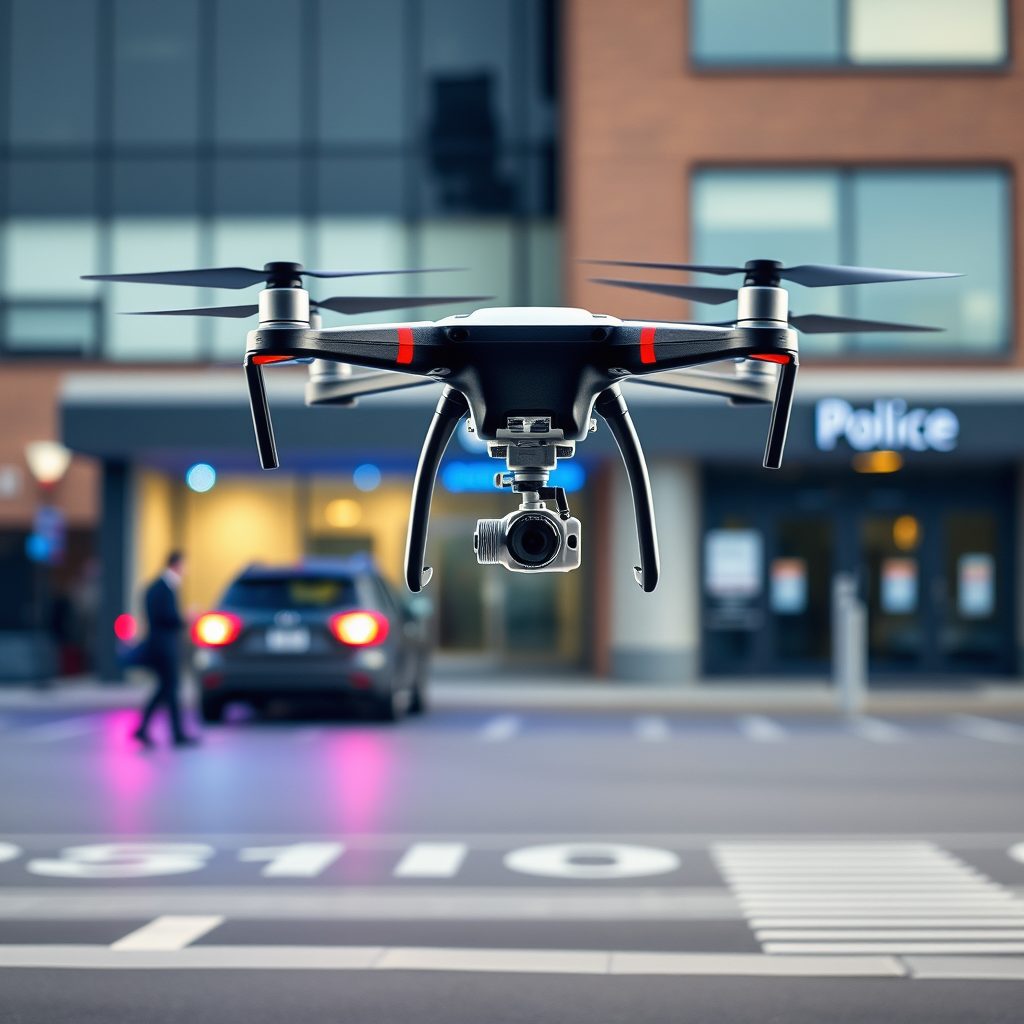
Many jurisdictions have specific ordinances that delineate airspace restrictions around government buildings, including police stations, which may be classified as critical infrastructure. This means that while the FAA provides a national framework, local governments have the authority to impose stricter limitations. Therefore, it’s imperative for drone operators to familiarize themselves with both FAA regulations and local laws to ensure compliance and avoid potential legal repercussions.
No-Fly Zones Explained
No-fly zones are specific areas where drone flights are prohibited, often established for security or safety reasons. Many police stations may fall within these designated no-fly zones, particularly in larger cities or areas with heightened security concerns. For instance, in jurisdictions where police stations are considered sensitive locations, the local government may have regulations that prohibit drone flights within a certain radius.
Before planning a flight, drone operators should utilize resources such as the FAA’s B4UFLY app, which provides information about airspace restrictions and no-fly zones. Additionally, checking with local law enforcement or municipal websites can yield valuable information regarding specific ordinances that restrict drone use near governmental buildings. Understanding these restrictions is crucial to ensuring compliance and avoiding fines or legal issues.
Safety and Privacy Considerations
Flying a drone over a police station raises significant safety and privacy concerns. Law enforcement facilities are often hubs of public safety operations, and any interference with their activities could lead to serious consequences. For instance, if a drone were to disrupt police training exercises or emergency responses, it could hinder critical operations and pose risks to public safety.
Moreover, privacy considerations come into play when operating a drone in close proximity to a police station. Drones equipped with cameras can inadvertently capture footage of individuals in sensitive situations, raising ethical questions about privacy invasion. Operators should ensure that their flights do not infringe on the rights of individuals or compromise the integrity of ongoing investigations. To mitigate these concerns, maintaining a respectful distance from police stations and avoiding flights during sensitive operations is advisable.
Obtaining Permissions
In some instances, drone pilots may need to obtain explicit permission from local authorities before flying near a police station. This could involve submitting a request for flight approval or notifying the local police department of the intended flight. Open lines of communication with law enforcement can help foster a cooperative relationship and may provide clarity on any specific regulations that apply.
For example, if you plan to capture aerial footage for a project that requires you to fly near a police station, reaching out to the local police department for guidance is a prudent step. They may have protocols in place for drone pilots and can inform you of any necessary permissions or restrictions. Engaging with local authorities demonstrates responsibility and respect for public safety, which can facilitate a smoother flying experience.
Consequences of Violating Drone Laws
Violating drone regulations can lead to serious consequences, including hefty fines, confiscation of equipment, and potential legal action. The FAA has the authority to impose civil penalties on operators who do not comply with established regulations, while local law enforcement may also take action against those who violate municipal ordinances. For instance, a drone pilot flying within a no-fly zone without proper authorization could face a fine ranging from hundreds to thousands of dollars, depending on the severity of the violation.
Understanding the potential risks associated with flying in sensitive areas like police stations is crucial for responsible drone operation. Operators should be aware that ignorance of the law is not an acceptable defense and that proactive measures to ensure compliance are essential to avoid legal repercussions.
Alternatives to Flying Over Police Stations
If you’re considering flying a drone but are concerned about the regulations surrounding police stations, exploring alternative locations is a wise choice. Many parks, recreational areas, and open spaces are designated as drone-friendly and provide ample opportunities for capturing stunning aerial footage without the legal complexities associated with government buildings.
For example, local parks often have designated areas for drone flying, where operators can enjoy the freedom of flight without the constraints of no-fly zones. Researching these locations can significantly enhance your drone flying experience while ensuring compliance with regulations. Additionally, engaging with local drone clubs or online forums can provide valuable insights into safe and legal flying locations in your area.
Resources for Drone Pilots
To stay informed about airspace restrictions and regulations, drone pilots should utilize a variety of online resources and apps. The FAA’s B4UFLY app is an excellent tool for checking airspace status and identifying no-fly zones. Additionally, websites like Know Before You Fly provide comprehensive information about drone laws and best practices for pilots.
Engaging with local drone clubs or forums can also be beneficial. These communities often share experiences, advice, and insights about flying in specific areas, helping new pilots navigate the complexities of drone operation. Networking with experienced drone operators can enhance your understanding of local regulations and help you become a more responsible and informed pilot.
In conclusion, while flying a drone over a police station is technically possible, it comes with significant responsibilities that drone pilots must navigate. Understanding and adhering to regulations, prioritizing safety, and respecting privacy are essential elements of responsible drone operation. Before taking flight, always seek advice or permission if you’re unsure about the legal landscape surrounding your intended flight area. By doing so, you can ensure a positive flying experience that respects the rights of others and complies with local laws.
Frequently Asked Questions
Can I fly a drone over a police station legally?
Flying a drone over a police station is generally not allowed unless you have explicit permission from the authorities. In many jurisdictions, such actions can be seen as a violation of local laws or regulations regarding airspace and public safety. It’s essential to check the Federal Aviation Administration (FAA) guidelines as well as local ordinances before flying a drone in proximity to sensitive areas like police stations.
What are the potential consequences of flying a drone over a police station?
The consequences of flying a drone over a police station can range from fines to criminal charges, depending on the intent and local laws. Law enforcement may perceive unauthorized drone flights as a security threat, which could lead to immediate intervention. Additionally, violating no-fly zones can result in the drone being confiscated, and repeat offenders might face more severe penalties.
How can I find out if a police station is in a no-fly zone?
To determine if a police station is within a no-fly zone, you can use various online resources, including the FAA’s B4UFLY app, which provides real-time information on airspace regulations and restrictions. Additionally, checking local government websites or contacting the police station directly can offer insights into any specific drone regulations applicable to that location. Always ensure you have the most up-to-date information before flying.
Why are there restrictions on flying drones over police stations?
Restrictions on flying drones over police stations are primarily in place for security and public safety reasons. Police stations often house sensitive information, evidence, and critical operations that could be compromised by unauthorized aerial surveillance. Moreover, drones can pose risks such as collisions, interference with law enforcement activities, or even creating panic among the public, which justifies the implementation of strict regulations.
What is the best way to ensure I am flying my drone legally near a police station?
To ensure that you are flying your drone legally near a police station, start by familiarizing yourself with the local drone regulations and the FAA rules governing airspace. Always check for any no-fly zone notifications, and consider obtaining permission from the police department if you have a legitimate reason for flying in that area. Additionally, maintaining a safe distance from the police station and being respectful of local laws can help you avoid potential legal issues.
References
- https://www.faa.gov/uas/getting_started/registration
- https://www.faa.gov/uas/resources/policy_library/
- https://www.nytimes.com/2021/07/13/us/drone-regulations.html
- https://www.npr.org/2020/07/19/893741492/the-faa-says-its-okay-to-fly-drones-near-police-stations
- https://www.dronelife.com/2021/02/24/legal-issues-drone-pilot-should-know-flying-near-police-stations/
- https://www.faa.gov/uas/commercial_operators/
- https://www.aclu.org/news/privacy-technology/2020/09/what-you-need-to-know-about-drones-and-policing/
