
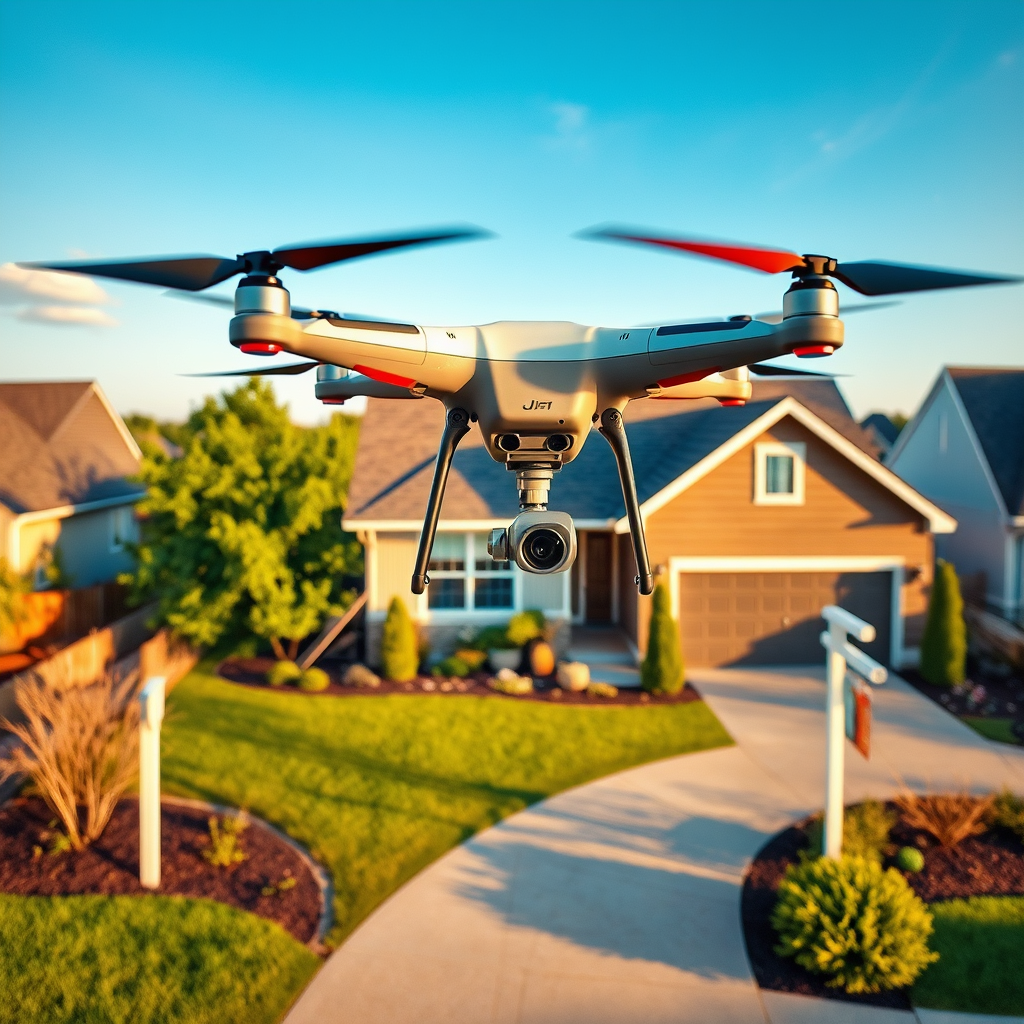
Yes, you can fly a drone over your neighbor’s property, but there are important legal considerations and etiquette to keep in mind. Navigating the complex landscape of drone regulations requires a thorough understanding of both federal and local laws, as well as an appreciation for your neighbor’s privacy and safety concerns. This guide will help you navigate the rules and best practices associated with flying drones in residential areas to ensure a respectful and lawful experience.
Understanding Drone Flight Regulations
To operate a drone legally, it is essential to familiarize yourself with the Federal Aviation Administration (FAA) regulations. The FAA governs all airspace in the United States, and its rules apply to both commercial and recreational drone users. For instance, Part 107 of the FAA regulations outlines several operational limits, including flying below 400 feet, maintaining visual line of sight, and avoiding flying over people who are not participating in the operation of the drone.
In addition to federal regulations, local laws and ordinances may impose additional restrictions on drone flights. Many municipalities have enacted specific rules related to drone use, such as designated no-fly zones, which often include areas near schools, hospitals, and parks. Before flying your drone, it is crucial to research and comply with your local regulations to avoid fines or legal repercussions.
Privacy Concerns and Neighbor Relations
Respecting your neighbor’s privacy is paramount when flying a drone over their property. Drones equipped with cameras can inadvertently invade personal spaces, leading to discomfort and potential legal disputes. It is advisable to understand the boundaries of what is considered acceptable and to err on the side of caution. For example, capturing images or videos of your neighbor’s backyard without permission could lead to accusations of trespassing or invasion of privacy.
Establishing open communication with your neighbor is an effective way to avoid misunderstandings. Consider discussing your plans to fly your drone, obtaining their consent, and addressing any concerns they may have. A friendly conversation can foster trust and goodwill, potentially turning a prospective conflict into a collaborative opportunity, such as inviting them to join you in flying the drone.
Safety Guidelines for Flying Drones
Safety should always be a primary concern when operating a drone. Adhering to safety guidelines can prevent accidents or injuries that may occur during flight. For example, ensure that you are familiar with your drone’s controls, perform pre-flight checks, and avoid flying in adverse weather conditions. Additionally, it is important to maintain distance from people, animals, and property to minimize the risk of collisions.
Avoid flying over gatherings or events, such as parties or community festivals, where the presence of large crowds increases the likelihood of accidents. If your drone causes injury or damages property, you could face liability claims or even criminal charges. Prioritizing safety not only protects you but also ensures a respectful environment for your neighbors.
Best Practices for Drone Operation
To operate your drone responsibly, keep it within visual line of sight at all times. This practice not only helps you maintain control but also ensures that you remain aware of your surroundings. Using a spotter—someone who can help keep an eye on the drone while you pilot it—can be beneficial, especially in busy areas.
While nighttime flying can be exciting, it is critical to avoid flying at night unless your drone is equipped with the necessary lighting and you are compliant with local laws. Many jurisdictions have specific rules regarding night operations, so always verify the regulations in your area before embarking on a nighttime flight. Using apps that provide real-time information about airspace restrictions can also enhance your operational safety.
Dealing with Complaints and Conflicts
Despite best efforts, conflicts may still arise regarding drone usage. If your neighbor expresses concerns about your drone flights, it is essential to address these complaints calmly and constructively. Listen to their grievances, and try to find common ground. For instance, you might agree to limit your drone activity during certain hours or to avoid flying over their property altogether.
Documenting your flights and interactions can be beneficial in resolving disputes amicably. Keep a log of your drone operations, noting dates, times, and locations, as well as any communications with neighbors. This documentation can provide clarity and establish a record of responsible drone use, which may be helpful if disagreements escalate.
Insurance and Liability Considerations
Obtaining liability insurance is a prudent step for drone operators, especially if you plan to fly frequently or in sensitive areas. Liability insurance can cover potential damages caused by your drone, such as property damage or personal injury. As the operator, you may be held legally responsible for any accidents involving your drone, so having insurance can provide peace of mind.
Understanding your legal responsibilities in the event of an accident is also crucial. Familiarize yourself with the laws governing liability in your state or municipality, as these laws can vary significantly. Being proactive about your responsibilities can help you navigate any unfortunate incidents with greater ease.
Resources for Drone Pilots
To enhance your drone flying experience, consider seeking out online forums, local drone clubs, and community resources. Engaging with other drone enthusiasts can provide valuable insights, tips, and support. Many clubs also organize events and meetups, which can be excellent opportunities to learn and share experiences.
Additionally, utilize apps and websites that help track no-fly zones and weather conditions. Resources like the FAA’s B4UFLY app can provide real-time updates about airspace restrictions, enabling you to plan your flights more effectively. Staying informed and connected with fellow pilots can enrich your understanding of drone operation and safety.
In conclusion, while you can fly a drone over your neighbor’s property, it’s essential to follow regulations, respect privacy, and communicate openly. Understanding the legal landscape, prioritizing safety, and fostering good neighborly relations will not only enhance your flying experience but also contribute to a positive community environment. By adhering to the best practices outlined in this guide, you can ensure a responsible and enjoyable drone operation for yourself and those around you.
Frequently Asked Questions
Can I legally fly a drone over my neighbor’s property?
Legally, flying a drone over your neighbor’s property can be a gray area. In the U.S., the Federal Aviation Administration (FAA) regulates airspace, allowing drone operation in most areas, but state and local laws may impose restrictions. It’s essential to familiarize yourself with both FAA regulations and local ordinances, as well as to consider potential privacy concerns your neighbor may have.
What should I do if my neighbor complains about my drone flying over their property?
If your neighbor expresses concerns about your drone flying overhead, it’s best to engage in a calm and respectful conversation. Listening to their concerns can help alleviate tensions and foster understanding. You might consider adjusting your flight path or times to minimize disturbance, demonstrating that you value their privacy and peace.
Why is it important to respect my neighbor’s property when flying a drone?
Respecting your neighbor’s property when flying a drone is crucial for maintaining good relationships and avoiding legal issues. Drones can capture images and videos, leading to privacy violations that could result in disputes or even legal action. By being considerate and adhering to privacy norms, you can ensure a peaceful coexistence while enjoying your drone hobby.
What are the best practices for flying a drone near residential areas?
To fly a drone safely and responsibly near residential areas, adhere to the FAA’s guidelines, including maintaining a distance from people and private property. Fly at a height of at least 400 feet and avoid flying over gatherings or moving vehicles. Additionally, notify neighbors in advance about your flying plans, which can help prevent misunderstandings and foster a sense of community.
Which regulations should I check before flying a drone over my neighbor’s yard?
Before flying a drone over your neighbor’s yard, check both federal and local regulations. At the federal level, familiarize yourself with FAA rules regarding airspace and drone operation. Locally, consult your city or county regulations, as they may have specific laws related to drone flights, privacy rights, and noise ordinances. Being informed helps you fly responsibly while respecting your neighbor’s rights.
References
- https://www.faa.gov/uas/getting_started/remote_id
- https://www.nolo.com/legal-encyclopedia/drone-laws-your-state-29779.html
- https://www.wired.com/story/drone-laws-2021/
- https://www.reuters.com/technology/us-drone-laws-making-clear-what-people-can-do-2021-03-15/
- https://www.aclu.org/news/free-speech/what-you-need-know-about-drone-privacy-laws
- https://www.faa.gov/uas/resources/policies_regulations/
- https://www.nytimes.com/2022/05/09/technology/drone-laws-privacy.html
- https://www.techcrunch.com/2021/02/06/the-legal-status-of-drones-in-america/
- https://www.unm.edu/~harris/Drone_Law_101.pdf
