

Yes, you can fly a drone over your property in North Carolina, but there are specific regulations and considerations to keep in mind. Understanding both federal and state laws is crucial to ensure compliance and safety. This article will guide you through the legalities, safety measures, and best practices for flying drones in North Carolina.
Understanding Drone Regulations in North Carolina
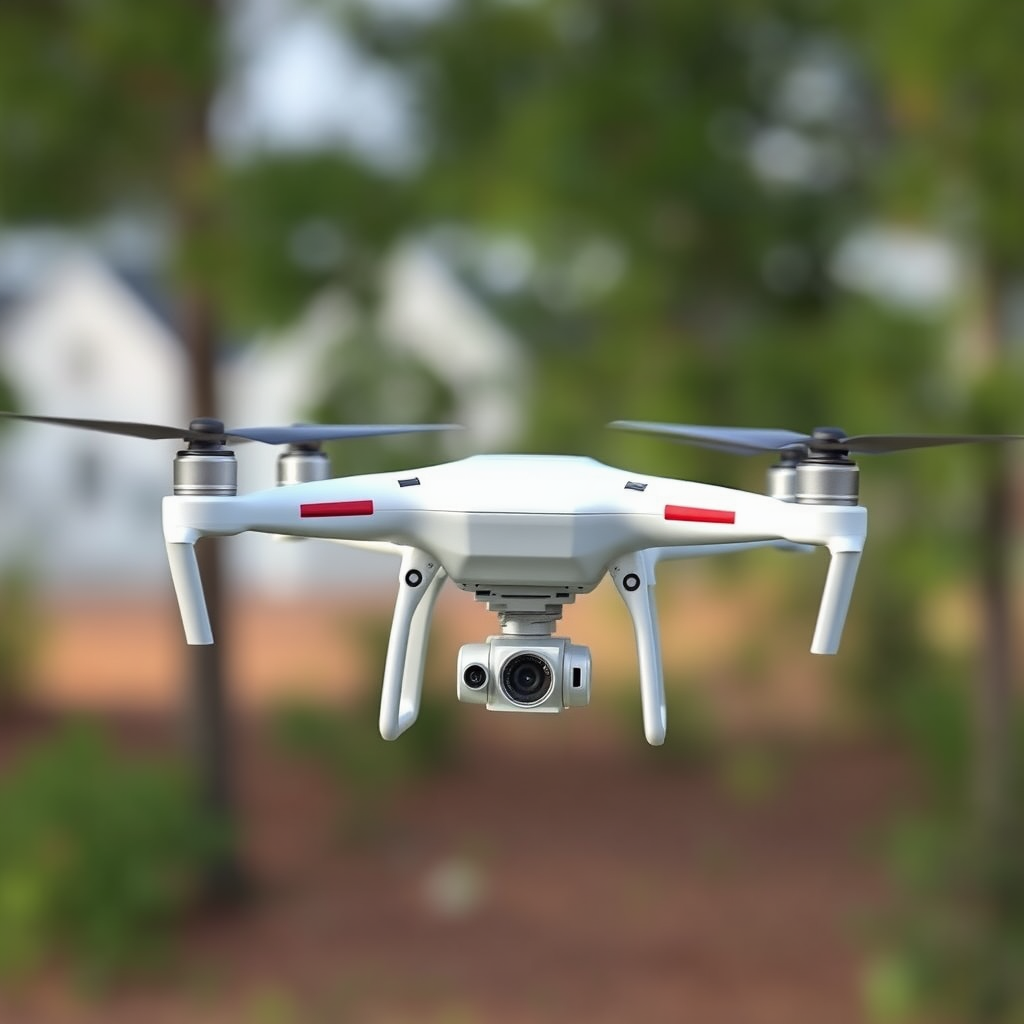
Flying a drone in North Carolina involves adhering to federal regulations set forth by the Federal Aviation Administration (FAA), which governs all drone operations across the United States. Under these regulations, recreational drone pilots must fly at or below 400 feet, maintain visual line-of-sight with their drone, and avoid flying over people or moving vehicles. For commercial drone operations, obtaining a Remote Pilot Certificate is mandatory, along with adherence to specific operational guidelines.
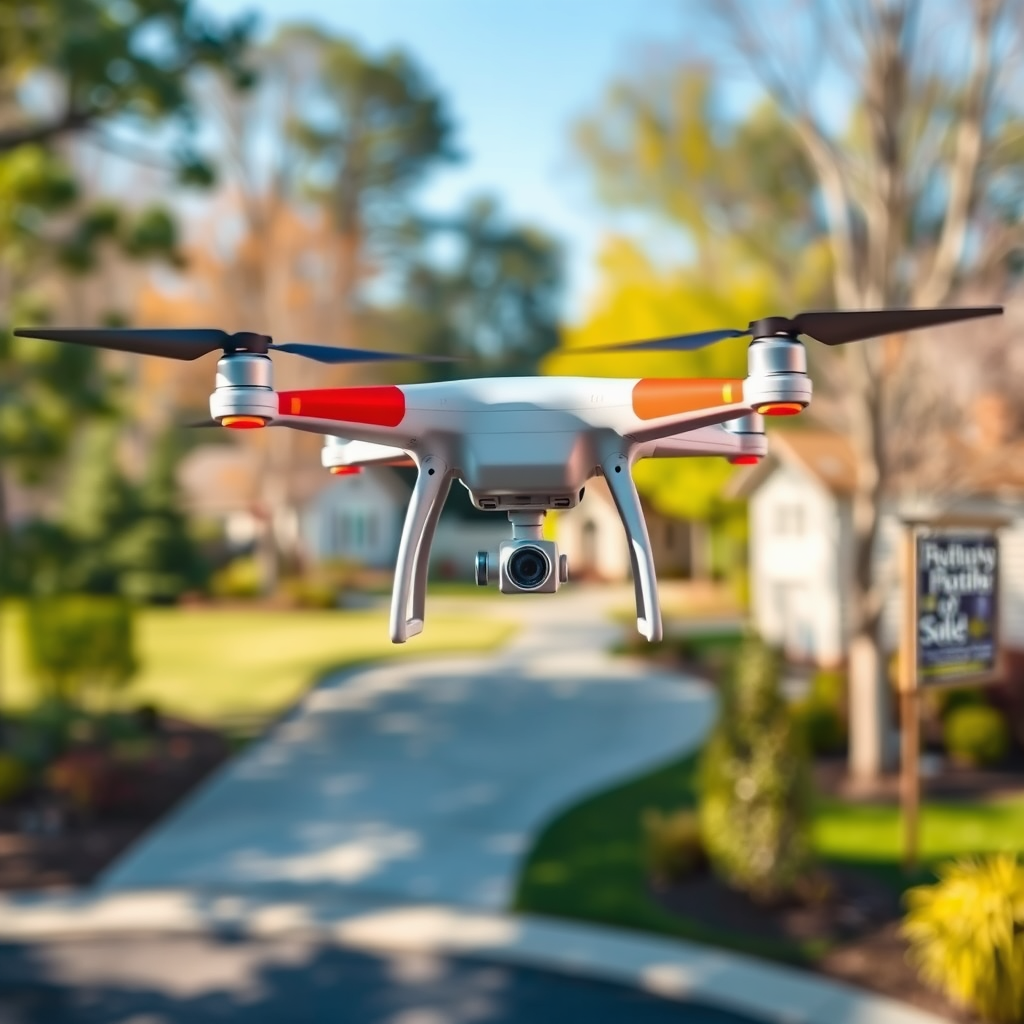
In addition to federal regulations, North Carolina has enacted its own set of laws that may influence drone use. For example, the state law prohibits the use of drones for surveillance or collecting data about individuals without their consent. Moreover, certain areas, including state parks and wildlife refuges, may have restrictions on drone flying. Thus, it is essential to stay informed about both federal and state guidelines to avoid potential legal issues.
Property Rights and Airspace
As a property owner in North Carolina, you have rights to the airspace above your property; however, these rights are not absolute. The FAA governs navigable airspace, which includes the airspace above 400 feet, meaning any drone operation at that altitude falls under federal jurisdiction. This essentially means that while you can fly a drone at lower altitudes over your property, you must still comply with FAA regulations.
Furthermore, it’s important to consider the rights of neighboring property owners. If your drone’s operation interferes with someone else’s enjoyment of their property, you could be subject to legal action. For instance, if a neighbor feels uncomfortable with your drone hovering above their yard, they could file a complaint. Understanding these nuances of property rights and airspace can help you navigate your drone operations more effectively.
Safety Considerations for Drone Operation
Safety should always be a priority when flying drones. The FAA mandates that drone pilots maintain a visual line of sight with their drone at all times, which not only enhances operational safety but also minimizes the risk of accidents. Pilots should also be aware of their surroundings and avoid flying near crowds, buildings, and sensitive areas such as airports, schools, or hospitals.
Before taking off, it’s prudent to conduct a safety checklist, including checking the drone’s battery life, ensuring propellers are functioning properly, and confirming that the area is free of obstacles. For instance, flying near power lines or trees can pose significant risks, both to the drone and to individuals on the ground. Additionally, adverse weather conditions such as high winds or rain can affect drone performance, so always evaluate the weather before a flight.
Local Laws and Ordinances
In addition to state and federal regulations, local municipalities in North Carolina may have their own ordinances regarding drone usage. It is vital to check with your local government to understand any specific rules that may apply to your area. For example, some cities may prohibit drone flying in public parks or have restrictions on flying near schools or hospitals.
Some North Carolina counties have designated areas where drone flying is either restricted or completely prohibited. Familiarizing yourself with these local laws can help prevent potential fines or legal issues. You can usually find this information on your local government’s website or by contacting local law enforcement agencies.
Insurance and Liability
Drone operations come with inherent risks, and obtaining drone insurance is a wise decision for any pilot. Insurance can cover potential damages or accidents that may occur during your flights, protecting you from financial liability. Many insurance providers offer specialized drone insurance policies that cover various aspects of drone operation, including liability coverage for property damage and bodily injury.
Understanding liability is crucial, especially if your drone causes injury to a person or damages someone else’s property. Without insurance, you may be held personally liable for such incidents, which can lead to costly legal battles. Therefore, it is advisable to evaluate your insurance options and select a policy that adequately covers your drone operations in North Carolina.
Best Practices for Flying Drones
To ensure a successful and safe flying experience, consider implementing best practices in your drone operation. Planning your flight paths ahead of time can help you avoid obstacles and ensure that your flight is as safe as possible. Utilize drone mapping apps that provide information about no-fly zones, altitude restrictions, and other relevant data.
Before each flight, familiarize yourself with your drone’s controls and features to ensure smooth operation. Conducting pre-flight checks, including verifying battery levels, checking GPS connectivity, and ensuring that all systems are functioning properly, will minimize the risk of technical failures during flight. Additionally, if you’re new to flying drones, consider starting with a flight simulator or practice in open, unpopulated areas before venturing into more complex environments.
Resources for Drone Operators in NC
Numerous resources are available for drone operators in North Carolina to stay informed and connected. The FAA’s website offers comprehensive guidelines and updates regarding drone laws and regulations, which is a crucial resource for all drone pilots. Additionally, local government websites can provide specific information related to drone use within your municipality.
Joining online communities and forums can also be beneficial, as these platforms allow you to connect with other drone users, share experiences, and gather insights. Websites like DJI’s forums or drone-specific subreddits can provide useful tips, troubleshooting advice, and recommendations for drone models suited to different types of flying activities.
In conclusion, while you can indeed fly a drone over your property in North Carolina, it’s essential to adhere to federal and state regulations, respect your neighbors’ rights, and prioritize safety. Understanding the nuances of airspace rights, local ordinances, and insurance considerations can significantly enhance your drone flying experience. By staying informed and practicing safe flying techniques, you can enjoy the benefits of drone operation while minimizing risks and legal complications.
Frequently Asked Questions
Can I legally fly a drone over my property in North Carolina?
Yes, you can legally fly a drone over your own property in North Carolina, as long as you adhere to FAA regulations and local laws. It is essential to keep your drone within visual line of sight, not fly above 400 feet, and avoid flying near airports or restricted airspaces. Always check for any local ordinances or homeowner association rules that may impose additional restrictions.
What are the FAA regulations for flying a drone in North Carolina?
The Federal Aviation Administration (FAA) regulates all drone operations in the United States, including North Carolina. You must register your drone if it weighs over 0.55 pounds, follow the Part 107 guidelines if you’re flying commercially, and refrain from flying in restricted airspace. It’s also crucial to respect the privacy of others and avoid flying over crowds or moving vehicles.
How can I ensure I am not violating anyone’s privacy while flying my drone?
To avoid privacy violations when flying your drone in North Carolina, maintain a respectful distance from private properties and avoid capturing images or video of individuals without their consent. Familiarize yourself with local privacy laws and consider using your drone for aerial photography in open areas where you are less likely to infringe on someone’s privacy rights.
What is the best time to fly my drone in North Carolina?
The best time to fly your drone in North Carolina is during daylight hours when visibility is clear, typically in the morning or late afternoon. These times often provide optimal lighting conditions for photography and videography. Additionally, check local weather conditions to avoid flying during high winds or storms, which can affect the stability and control of your drone.
Which areas in North Carolina are off-limits for drone flying?
In North Carolina, certain areas are off-limits for drone flying, including near airports, military bases, and national parks. You should also avoid flying over densely populated areas and critical infrastructure such as power plants or emergency response areas. Always consult the FAA’s B4UFLY app or other resources for real-time information on airspace restrictions and no-fly zones before you launch your drone.
References
- https://www.ncleg.gov/EnactedLegislation/Statutes/HTML/ByChapter/Chapter_63.html
- https://www.faa.gov/uas/
- https://www.nc.gov/news/press-releases/2020/07/29/gov-cooper-signs-drone-legislation
- https://www.ncdot.gov/divisions/aviation/Pages/drone.aspx
- https://www.nccourts.gov/help-topics/self-representation/drone-laws-in-north-carolina
- https://www.wral.com/news/local/story/18805931/
- https://www.techrepublic.com/article/what-you-need-to-know-about-drone-laws-in-the-us/
- https://www.nolo.com/legal-encyclopedia/drone-laws-what-you-need-know-29514.html
- https://www.cnn.com/2020/12/14/us/north-carolina-drone-law/index.html
