
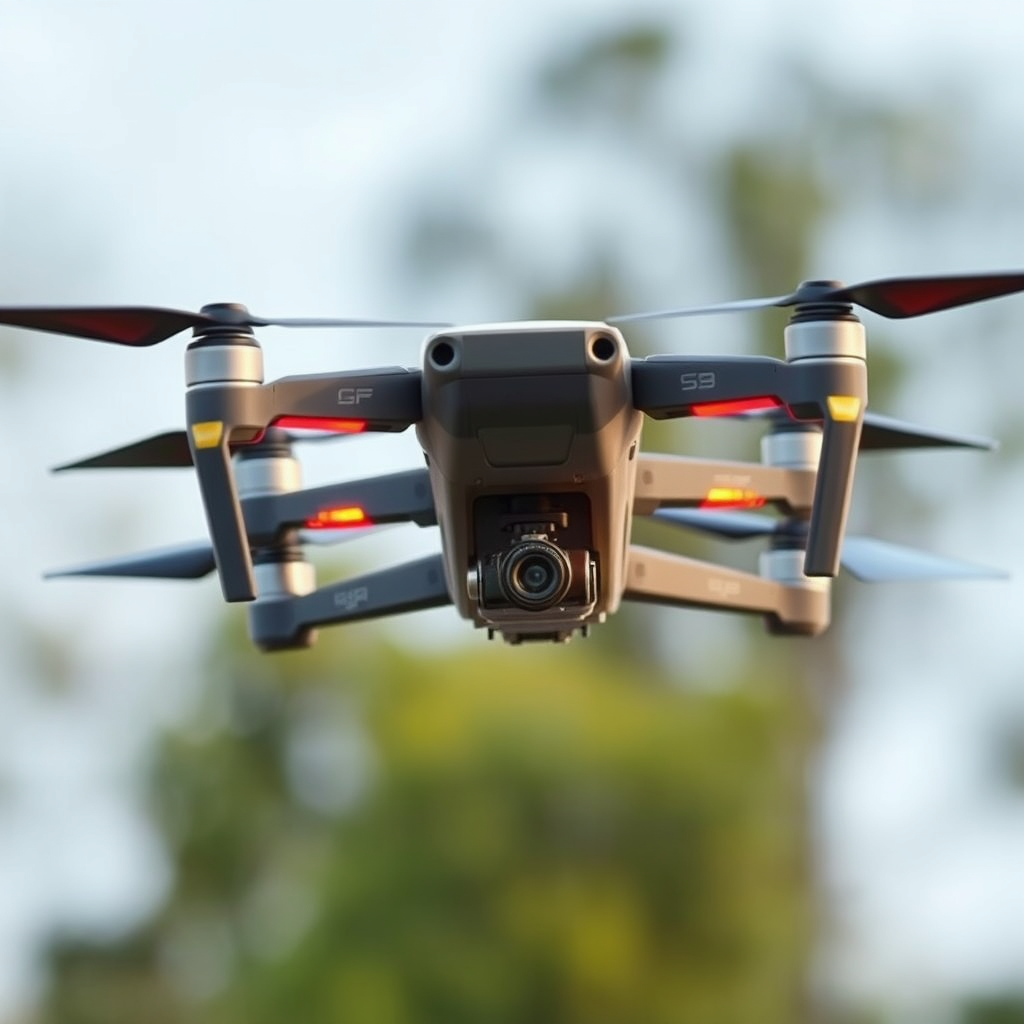
Yes, you can fly a drone under 250g anywhere in Australia, provided you comply with certain regulations set by the Civil Aviation Safety Authority (CASA). These lightweight drones are generally subject to fewer restrictions, making them more accessible for both recreational and commercial use. Understanding the nuances of drone regulations in Australia is crucial to ensure a safe and enjoyable flying experience.
Understanding Drone Regulations in Australia
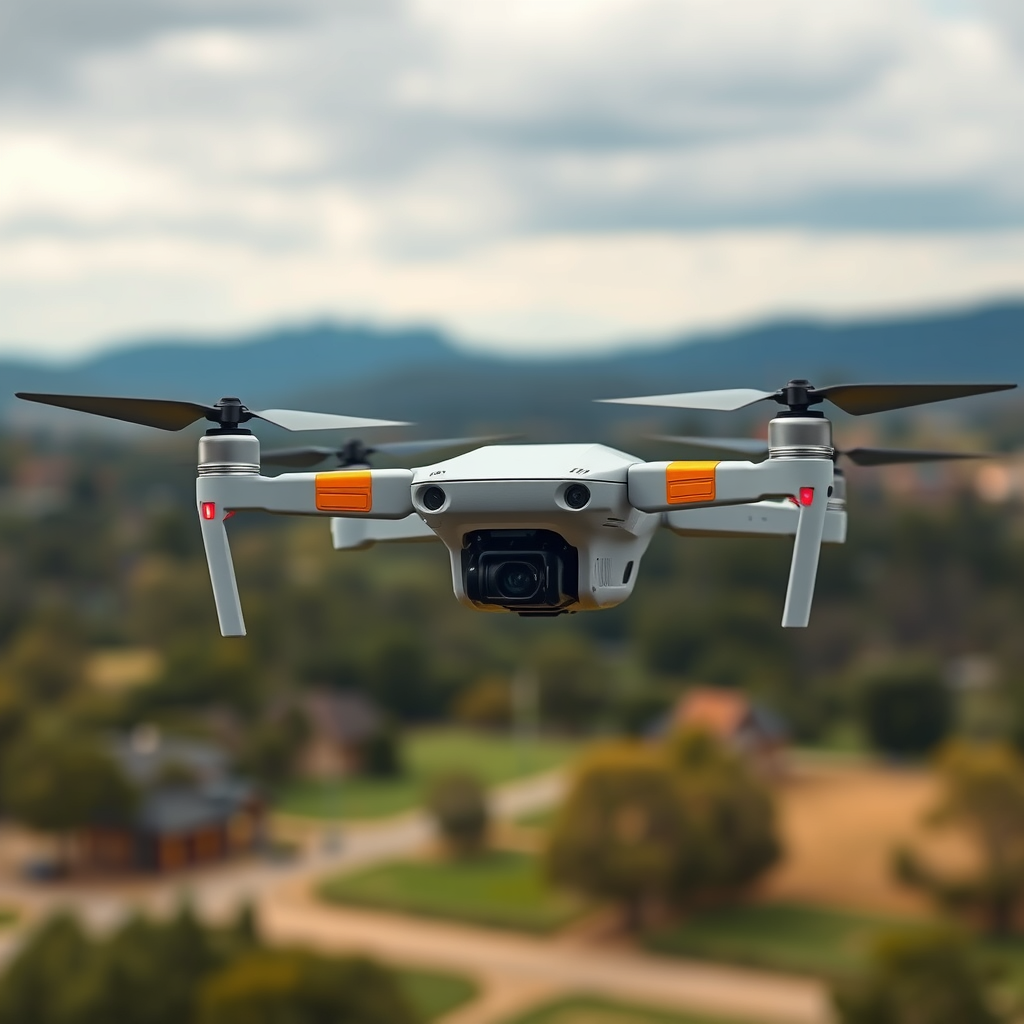
The Civil Aviation Safety Authority (CASA) is the governing body responsible for drone operations in Australia. As the regulatory authority, CASA has established clear guidelines to ensure the safe integration of drones into the national airspace. Drones weighing under 250g are categorized as “micro drones,” and they benefit from a set of relaxed rules compared to heavier models. However, this does not mean that operators can fly without any restrictions. For instance, all drone operations must prioritize safety, meaning that operators are responsible for avoiding hazards and ensuring that their drone does not pose a risk to other people, property, or aircraft.
For instance, while you may be able to fly a micro drone in various environments, it is vital to be aware of your surroundings and the operational limitations imposed by CASA. Factors such as weather conditions, nearby structures, and the presence of other people can significantly impact your flying experience. Therefore, a thorough understanding of these regulations is essential for anyone looking to operate a drone in Australia.
Key Restrictions for Flying Drones
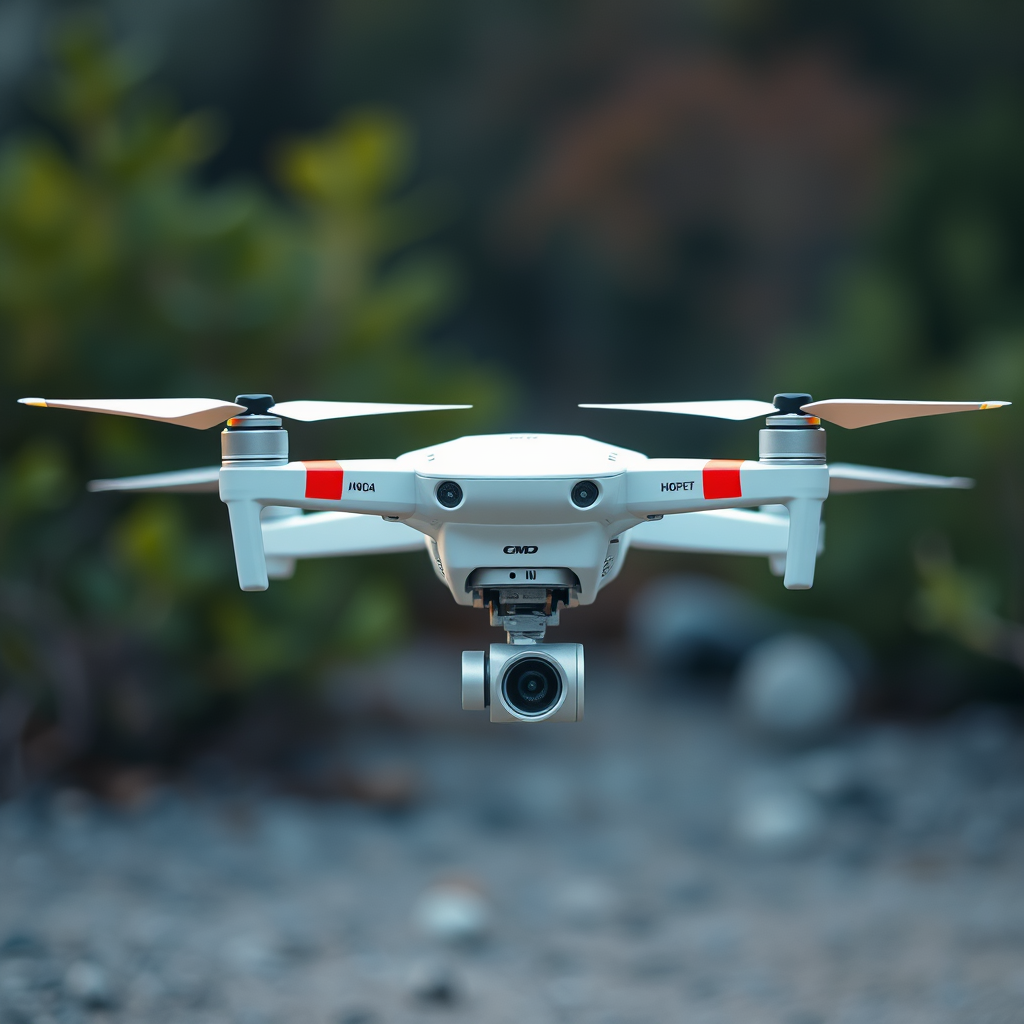
When flying a drone under 250g, there are several key restrictions that operators must adhere to. One of the most important rules is to avoid flying over populated areas or within 30 meters of people who are not involved in the drone operation. This means that flying in crowded parks, at public events, or near busy streets is generally not permissible, as it could pose risks to public safety.
Additionally, maintaining a clear line of sight with your drone at all times during operation is crucial. This means you should always be able to visually see your drone without the aid of binoculars or other visual enhancement devices. Not only does this enhance safety, but it also allows operators to maintain better control over the drone, reducing the likelihood of accidents.
Moreover, operators should be aware of their drone’s capabilities and limitations, particularly in terms of battery life and flying range. By understanding these factors, you can plan your drone flights more effectively and avoid unexpected issues during operation.
No-Fly Zones and Controlled Airspace
In Australia, certain areas are designated as no-fly zones or controlled airspace where drone operations are restricted or prohibited. These areas include airports, military bases, and national parks. For instance, flying near an airport can interfere with manned aircraft operations and is therefore highly regulated. Similarly, military airspace is off-limits to drone operations without specific permissions.
To ensure compliance with these restrictions, it is vital to check local maps and regulations before flying. CASA provides resources and tools that allow drone operators to identify no-fly zones. For example, the “My Flight” app can help you determine whether your intended flying location is safe and permissible. Additionally, local councils may have specific regulations regarding drone use in public parks or reserves, so it’s wise to consult those resources as well.
Recreational vs. Commercial Use
The distinction between recreational and commercial drone use in Australia is significant, especially for those operating drones under 250g. Recreational users generally face fewer restrictions; however, they are still required to adhere to basic safety guidelines and regulations laid out by CASA. This allows for easier access to flying for hobbyists and casual users, who may simply wish to capture aerial photos or videos.
On the other hand, commercial operators, including those utilizing drones for photography, surveying, or delivery services, may need to register their drones and obtain specific licenses, even for models under 250g. For example, commercial operators often require a Remote Pilot License (RePL) and may need to comply with additional safety management protocols. This ensures that they uphold a higher standard of safety and professionalism in their operations.
Understanding this distinction is crucial for anyone considering using a drone for business purposes. Failure to comply with commercial regulations can result in significant fines and legal repercussions, so it is essential to stay informed about the requirements that apply to your specific use case.
Best Practices for Safe Drone Flying
To maximize safety and enjoy a successful drone-flying experience, it is recommended to follow best practices for operation. Firstly, always perform a pre-flight check to ensure that your drone is in good working order. This includes checking the battery levels, ensuring the propellers are securely attached, and verifying that the drone’s firmware is up to date. By conducting these checks, you can mitigate the risk of mechanical failure during flight.
Furthermore, operators should be mindful of changing weather conditions that could affect drone performance. For example, flying in high winds or during inclement weather can lead to loss of control and potential accidents. It is advisable to consult weather forecasts and avoid flying in adverse conditions.
Additionally, consider joining a local drone club or community. Engaging with fellow drone enthusiasts can provide valuable insights, tips, and support. Such communities often share information about safe flying locations, upcoming events, and changes in regulations that could affect your flying experience.
Tips for Choosing the Right Drone
Selecting the right drone can significantly impact your flying experience. When considering a drone under 250g, think about the features that matter most for your intended use. For instance, if you’re interested in aerial photography, look for drones with high-quality cameras and stabilization features. Similarly, if you plan to use your drone for longer flights, prioritize battery life and flight range.
Researching brands and models that are known for reliability and ease of use is also important. Popular brands like DJI and Parrot offer a variety of lightweight drones that cater to different needs and preferences. Reading user reviews and expert opinions can help you make an informed decision that aligns with your specific requirements.
Furthermore, consider the availability of spare parts and customer support when choosing a drone. A reputable manufacturer will provide access to replacement parts and responsive customer service, which can be invaluable if you encounter issues or require assistance.
In conclusion, flying a drone under 250g in Australia is quite feasible if you understand and follow the regulations set forth by CASA. Operators must remain aware of key restrictions, no-fly zones, and the difference between recreational and commercial use. By prioritizing safety and compliance, you can fully enjoy your drone experience. For further information, check the CASA website or local resources to stay updated on regulations, ensuring that your flying remains both safe and enjoyable.
Frequently Asked Questions
Can I fly a drone under 250g anywhere in Australia without a license?
Yes, drones that weigh under 250 grams can generally be flown without a license in Australia. However, you still need to adhere to the Civil Aviation Safety Authority (CASA) regulations, including not flying within 5.5 kilometers of a controlled airport, maintaining visual line of sight, and avoiding flying over populated areas or large gatherings of people. Always check local laws and any specific restrictions in the area you plan to fly.
What are the specific rules for flying a sub-250g drone in Australia?
When flying a drone under 250 grams in Australia, you must comply with several important rules set by CASA. These include flying only during daylight hours, keeping the drone within your visual line of sight, and ensuring that you do not exceed a maximum altitude of 120 meters (400 feet). Additionally, you should avoid flying over people, vehicles, or buildings and must not interfere with emergency services operations.
Why are drones under 250g considered less restricted in Australia?
Drones weighing under 250 grams are considered less restricted in Australia primarily due to their lower risk profile. These lighter drones are generally easier to control and cause less damage in the event of an accident. This classification allows more flexibility for recreational users, encouraging innovation and enjoyment in drone technology while still ensuring safety in the airspace.
Which sub-250g drones are best for beginners in Australia?
Some of the best sub-250g drones for beginners in Australia include the DJI Mini SE, DJI Mini 2, and the Holy Stone HS720E. These drones are user-friendly, offer excellent camera quality, and come with safety features like GPS and obstacle avoidance. Additionally, they are lightweight, making them ideal for those new to flying drones, while still adhering to CASA regulations for easy compliance.
How do I ensure safe flying when using a drone under 250g in Australia?
To ensure safe flying with a drone under 250g in Australia, always conduct a pre-flight check to confirm that your drone is in good working condition. Familiarize yourself with CASA’s regulations and keep abreast of any changes to drone laws. Choose open spaces away from crowds and obstacles, maintain visual line of sight, and be aware of your surroundings while flying. Additionally, consider using a drone with built-in safety features to enhance your flying experience.
References
- https://www.casa.gov.au/drones
- https://www.casa.gov.au/aircraft/landing-page/drones
- https://www.droneguides.com.au/drone-laws-in-australia
- https://www.abc.net.au/news/2020-01-07/australia-drone-regulations/11857938
- https://www.theguardian.com/australia-news/2021/dec/24/australia-drone-regulations-explained
- https://www.wired.com/story/australia-drone-regulations/
