

Yes, you can fly a drone where you live, but there are specific regulations and local laws that you must follow. Understanding these rules is crucial to ensure safe and legal drone operation in your area. With the rise in drone technology, many enthusiasts are eager to explore the skies, yet navigating the complex web of regulations can be overwhelming. This article will guide you through the various factors to consider before flying your drone, ensuring that you remain compliant and can enjoy your flying experience to the fullest.
Understanding Local Drone Regulations
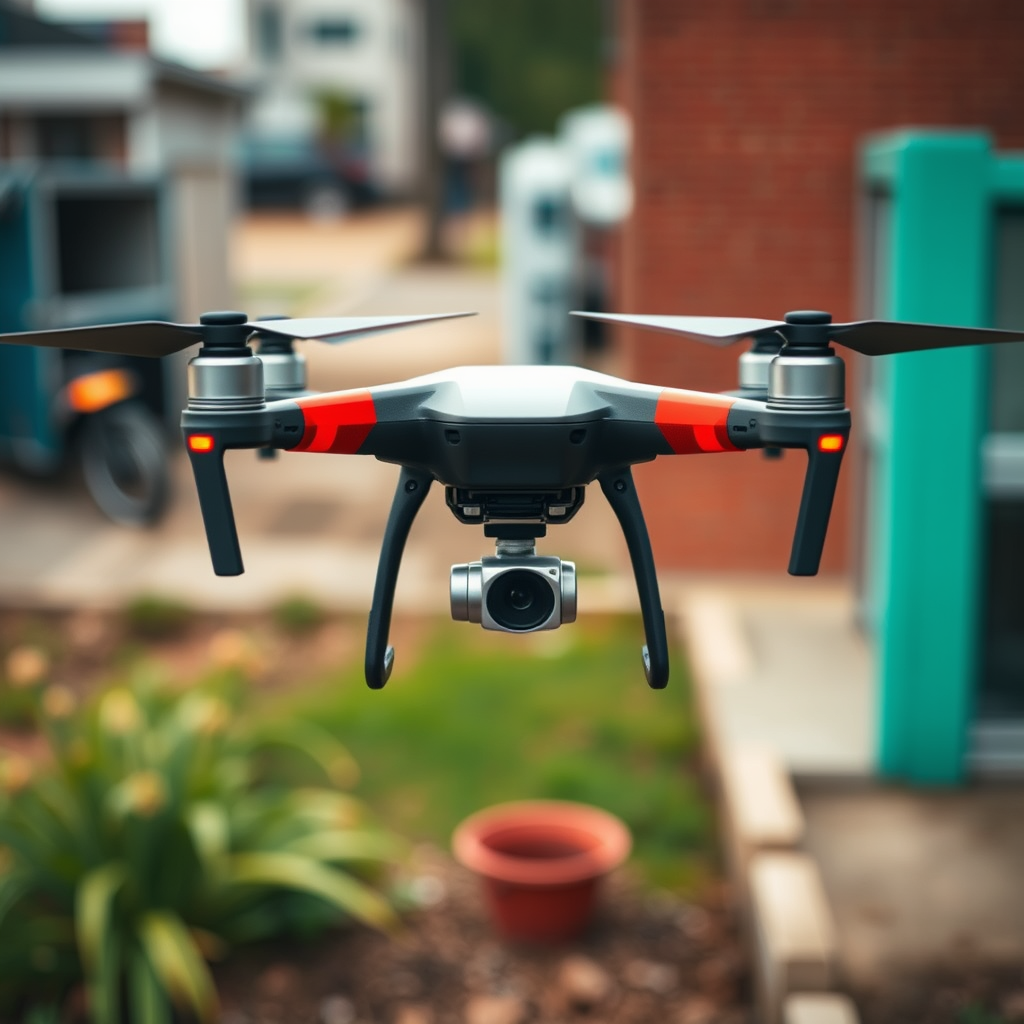
Before flying your drone, it is essential to familiarize yourself with your country’s national regulations regarding drone usage. In the United States, for example, the Federal Aviation Administration (FAA) governs all aspects of drone flight. Key regulations include altitude restrictions, weight limitations, and operational guidelines that must be adhered to by both recreational and commercial drone pilots. Similarly, many countries have their own governing bodies, like the Civil Aviation Authority (CAA) in the UK, which outline specific rules that must be followed.
In addition to national regulations, local laws and ordinances can impact your ability to fly a drone in specific areas. Some cities impose additional restrictions, especially in urban environments where privacy concerns and safety issues are more pronounced. Therefore, it’s critical to consult your local government website or contact local law enforcement to understand any specific rules that may apply in your area.
Identifying No-Fly Zones
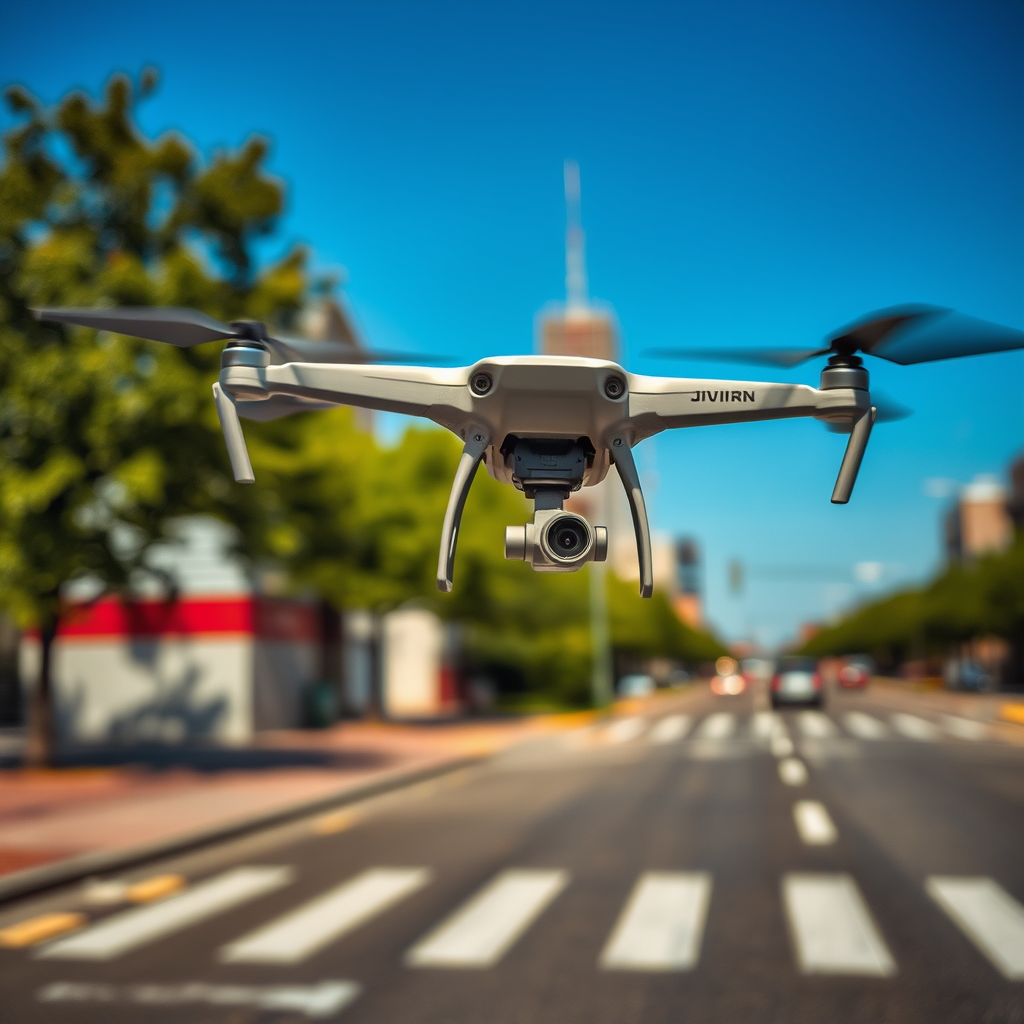
A fundamental aspect of responsible drone operation is understanding where you cannot fly. No-fly zones are designated areas where drone usage is restricted or prohibited to ensure safety and security. These zones typically include areas around airports, military installations, and certain public landmarks.
To help identify these restricted airspaces, consider utilizing apps or websites that provide real-time maps of no-fly zones. Resources such as the FAA’s B4UFLY app or the DroneZone website offer valuable information that can assist you in planning your flight path. By being aware of these restrictions, you can avoid potential legal issues and contribute to safer airspace for all users.
Safety Guidelines for Flying Drones
In addition to legal considerations, adhering to safety guidelines is paramount for any drone operator. Maintaining a clear line of sight with your drone during flight is not only a legal requirement in many jurisdictions but also a best practice that greatly enhances safety. This practice ensures that you can monitor your drone’s behavior and react promptly to any unexpected situations.
Moreover, it’s essential to avoid flying over crowds or populated areas. This precaution minimizes the risk of accidents and injuries. Many drone enthusiasts opt for open spaces such as parks or rural areas where they can fly without endangering others. Additionally, familiarize yourself with your drone’s features and limitations, as this knowledge can aid in making informed decisions during flight.
Registering Your Drone
In many countries, drone registration is a mandatory requirement based on the weight and purpose of the drone. For instance, in the United States, drones weighing over 0.55 pounds (250 grams) must be registered with the FAA. The registration process is straightforward and can often be completed online, requiring basic information about the drone and the operator.
Once registered, you will receive a unique identification number that must be displayed on your drone. This step not only ensures compliance with regulations but also aids in the identification of the drone in case of loss or theft. Always check with your local aviation authority for specific registration requirements, as they can vary significantly from one region to another.
Weather Conditions and Flight Restrictions
Weather conditions play a critical role in the safety and performance of drone flights. Before heading out, it is important to check local weather forecasts to avoid flying in poor conditions such as high winds, rain, or fog. These factors can significantly impair a drone’s stability and control, increasing the risk of accidents.
Understanding how weather can impact drone performance is also vital. For example, flying in cold temperatures can lead to reduced battery efficiency, while strong winds can make it difficult to maintain control over the drone. Being well-informed about the weather can help you choose the best days for flying, ensuring a safer and more enjoyable experience.
Community and Nearby Drone Users
Joining local drone flying groups can provide immense value, especially for novice pilots. Engaging with fellow enthusiasts allows you to learn from their experiences, share best practices, and stay informed about local regulations and flying spots. Many communities also host events and meetups, which can be excellent opportunities for networking and enhancing your flying skills.
Participating in community events can also keep you updated on local drone activities and changes in regulations. These gatherings often feature workshops and demonstrations led by experienced drone pilots, providing a platform for continuous learning and improvement.
Liability Insurance and Responsibility
As a drone owner, it is prudent to consider obtaining liability insurance to cover potential accidents that may occur during flight. While not always mandatory, having insurance can protect you from financial liability in case of damage to property or injury to individuals. Various insurance providers offer plans tailored specifically to drone operators, so researching the options available to you is essential.
Additionally, familiarizing yourself with the responsibilities that come with drone ownership is critical. This includes understanding the potential risks involved in flying and taking appropriate precautions to mitigate them. Being a responsible drone operator not only enhances your flying experience but also contributes to the broader acceptance of drones in society.
In summary, while you can fly a drone where you live, it’s essential to be aware of the legal, safety, and community guidelines that apply. Understanding local regulations, identifying no-fly zones, adhering to safety guidelines, registering your drone, monitoring weather conditions, engaging with the drone community, and considering liability insurance are all critical aspects of responsible drone operation. By doing your research and staying informed, you can ensure a safe and enjoyable flying experience.
Frequently Asked Questions
What are the general drone flying regulations in my area?
Drone flying regulations can vary significantly depending on your location. In the United States, for example, the Federal Aviation Administration (FAA) oversees drone operations, requiring registration for drones weighing over 0.55 pounds and adherence to specific flight rules. It is crucial to check local laws and regulations, as many states and municipalities have additional restrictions, such as no-fly zones around airports, schools, and parks.
How do I find out if there are no-fly zones near where I live?
To determine if there are no-fly zones near your location, you can utilize resources such as the FAA’s B4UFLY app or websites like AirMap. These tools provide updated maps that highlight restricted airspace, including areas near airports, military installations, and other sensitive locations. Always verify your flight path before flying to ensure compliance with local laws and safety regulations.
Why is it important to check local drone laws before flying?
Checking local drone laws is essential to ensure public safety, protect privacy, and avoid legal consequences. Flying a drone in restricted areas can lead to hefty fines and, in some cases, criminal charges. Understanding the regulations helps you enjoy your drone-flying experience while respecting the rights of others and adhering to safety protocols.
What are the best practices for flying a drone in residential areas?
When flying a drone in residential areas, it’s best to maintain a safe distance from people and private property to avoid privacy violations and complaints. Always fly below 400 feet, avoid flying over crowds, and be mindful of noise levels. Additionally, notify neighbors if you’re flying nearby, and consider flying during times that are less disruptive, such as daylight hours.
Which resources can help me learn about drone flying laws specific to my state?
To learn about drone flying laws specific to your state, visit the official website of your state’s aviation authority or department of transportation. Organizations like the Academy of Model Aeronautics (AMA) and local drone clubs can also provide valuable insights and resources. Additionally, the FAA’s website offers guidance on federal regulations that apply nationwide, helping you stay informed about your rights and responsibilities as a drone pilot.
References
- https://en.wikipedia.org/wiki/Drone_regulations
- https://www.faa.gov/uas/getting_started/
- https://www.nps.gov/articles/drone-use-in-national-parks.htm
- https://www.ama-assn.org/delivering-care/public-health/drone-regulations-and-safety
- https://www.nasa.gov/feature/nasa-s-uas-integration-into-the-nation-s-airspace
- https://www.faa.gov/uas/resources/policy_library/
- https://www.reuters.com/technology/drone-regulations-us-2021-01-05/
- https://www.nytimes.com/2021/05/02/us/drone-laws.html
