
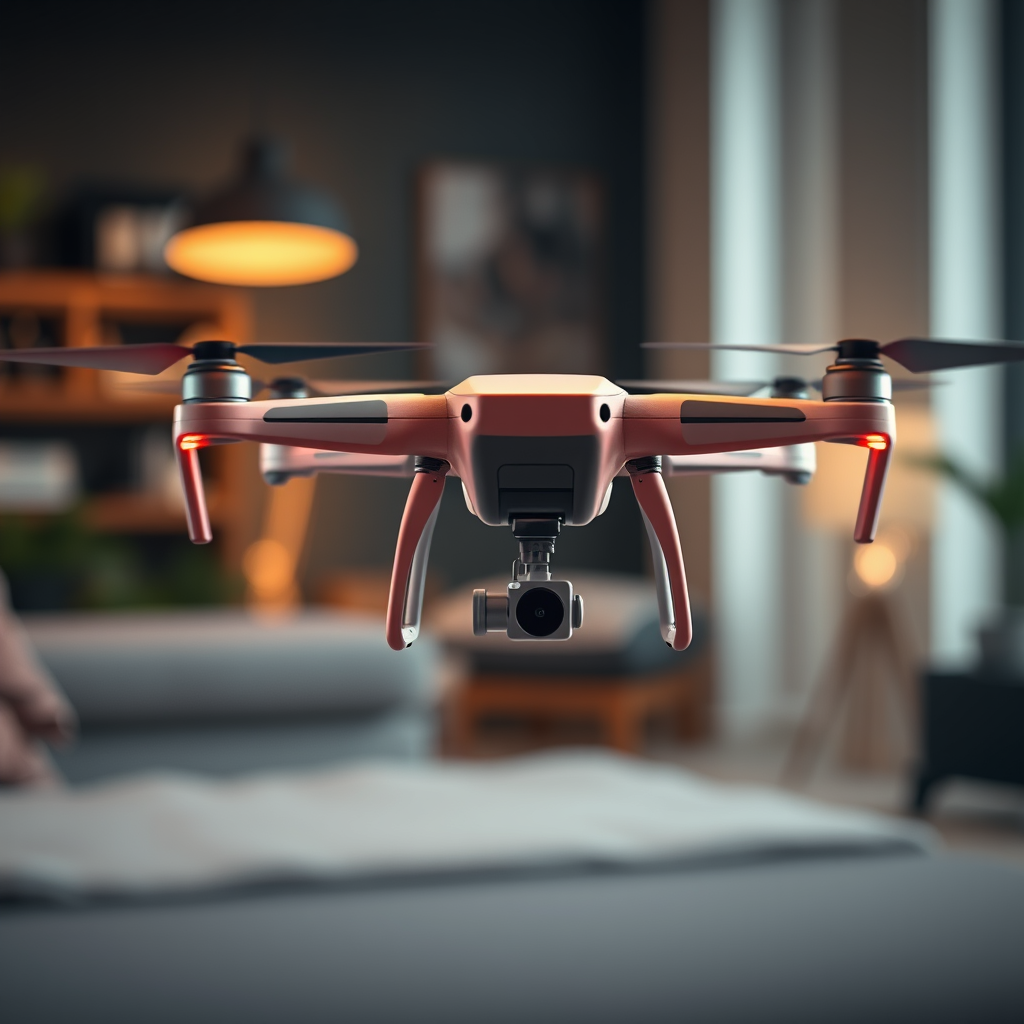
Yes, you can fly a drone without a license in certain circumstances, but there are important regulations and restrictions you must follow. Understanding these rules will help you fly safely and legally, ensuring that you enjoy your hobby without running afoul of the law. The Federal Aviation Administration (FAA) has established guidelines that differentiate between recreational and commercial drone use, and navigating these can help you maximize your flying experience while minimizing legal risks.
Understanding Drone Regulations
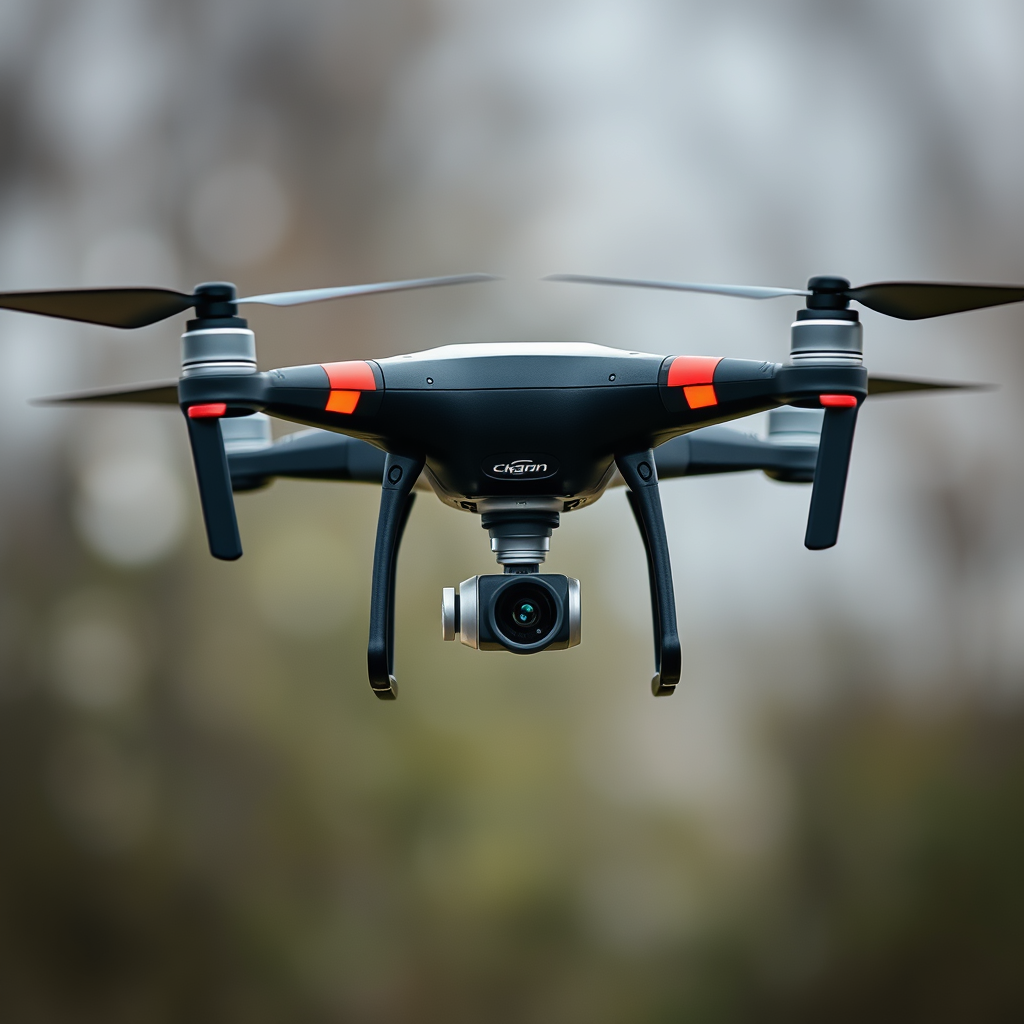
Drones are regulated by the Federal Aviation Administration (FAA) in the United States, which oversees all aspects of civil aviation, including the use of unmanned aerial vehicles (UAVs). The FAA has specific guidelines that delineate what constitutes recreational flying versus commercial operations. Recreational flyers can operate drones without a license as long as they adhere to certain rules and regulations. These regulations are designed to ensure the safety of the national airspace system and to mitigate risks associated with flying drones near airports, populated areas, and other sensitive locations.
The FAA mandates that all drone operators must understand the airspace in which they are flying, as well as any local laws that may apply. This includes being aware of no-fly zones, which may include locations such as military bases, national parks, and other restricted areas. Familiarity with these regulations is crucial for maintaining compliance and ensuring safe operation.
When a License is Not Required
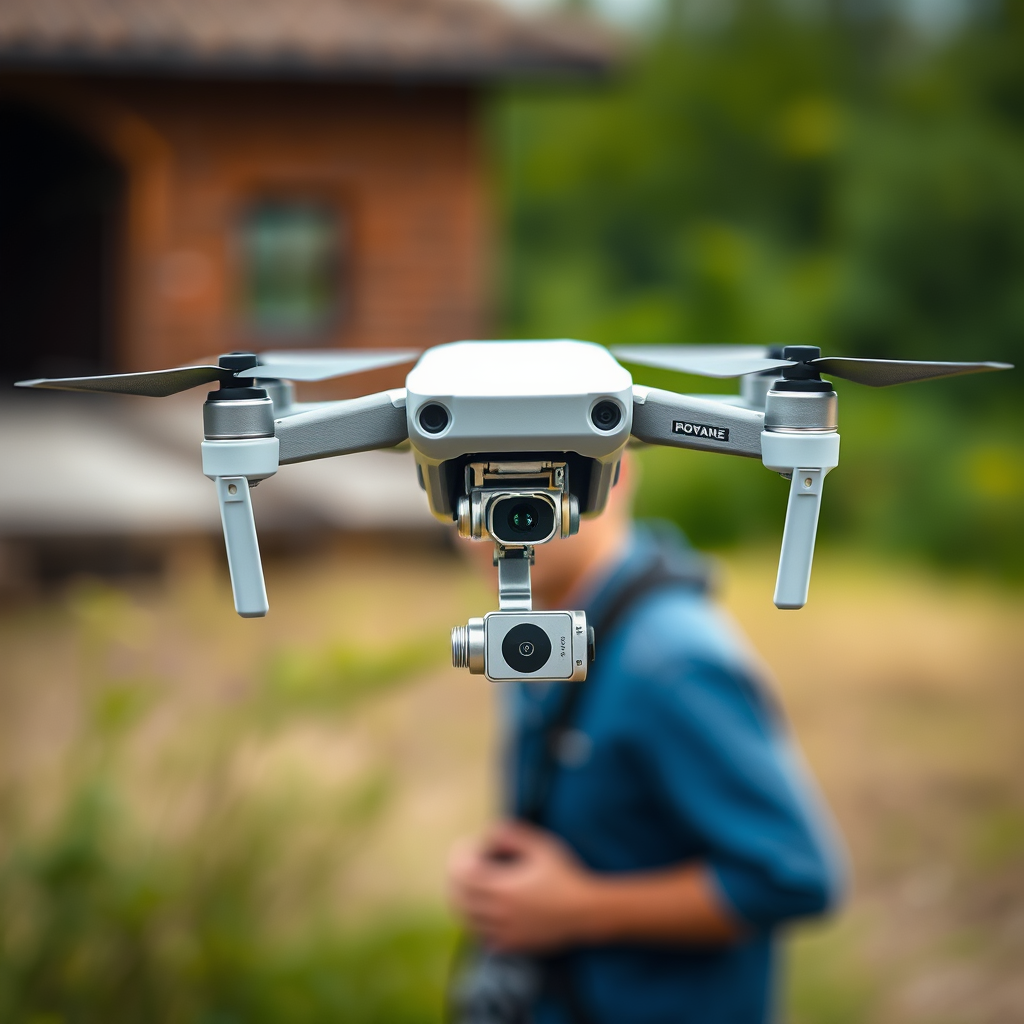
Flying for personal enjoyment or as a hobby typically does not require a license, provided that you operate your drone within designated areas and follow the established guidelines. For recreational flyers, the FAA has set forth specific criteria that allow individuals to fly their drones without formal certification. For instance, drones weighing less than 55 pounds can generally be flown without a license, as long as the operator adheres to certain altitude and distance restrictions.
Key restrictions include flying at or below 400 feet in uncontrolled airspace and maintaining a visual line of sight with the drone at all times. Furthermore, recreational flyers are prohibited from flying their drones over people, moving vehicles, or in a manner that could pose a hazard to manned aircraft. These guidelines help ensure that hobbyists can enjoy their drones while minimizing risks to both themselves and others.
Responsibilities of Recreational Flyers
While flying a drone without a license is permissible under certain conditions, recreational flyers have specific responsibilities they must fulfill. One of the primary requirements is to register your drone with the FAA if it weighs more than 0.55 pounds (250 grams). This registration process is straightforward and can be completed online, providing the FAA with necessary information about the drone operator and device.
In addition to registration, maintaining visual line of sight with the drone is crucial. This means that the operator should always be able to see the drone without the aid of binoculars or other visual enhancements. This requirement helps prevent collisions with obstacles and other aircraft, enhancing overall safety. Furthermore, operators should also be aware of their surroundings, ensuring that they are not inadvertently flying into restricted airspace or crowded areas where accidents could occur.
Areas Where You Can Fly
Finding appropriate locations to fly your drone is essential for both compliance and enjoyment. Open spaces such as parks, fields, and rural areas are generally ideal for recreational flying. These locations provide ample room to maneuver and reduce the risk of accidents involving people or property. However, it is vital to check local laws and regulations, as some municipalities have implemented their own restrictions on drone usage in public spaces.
Before flying, consider utilizing resources such as the FAA’s B4UFLY app, which offers real-time information about airspace restrictions and local laws. This mobile tool can help you identify safe flying zones and avoid areas where drone activity is prohibited. Also, be sure to respect any additional regulations set by local authorities, as these can differ significantly from federal guidelines.
Potential Consequences of Flying Without a License
While the allure of flying a drone without a license may be tempting, the potential consequences of non-compliance can be severe. Fines and penalties can be imposed for violations of FAA regulations, which can range from monetary fines to legal action depending on the severity of the infraction. For instance, flying in restricted airspace or endangering manned aircraft could result in significant legal ramifications, including civil penalties of up to $32,666 per violation.
Additionally, if you are found flying illegally, your drone could be confiscated by authorities. This not only results in the loss of your equipment but may also lead to additional legal proceedings. The importance of adhering to the established regulations cannot be overstated, as the repercussions for non-compliance can have lasting impacts on your ability to enjoy drone flying in the future.
Tips for Safe and Legal Drone Flying
To ensure a safe and legal flying experience, it is essential to familiarize yourself with resources such as the “Know Before You Fly” campaign. This initiative, developed by the FAA in collaboration with industry stakeholders, offers a wealth of information regarding safe drone operation for recreational users. The campaign emphasizes the importance of understanding drone regulations, recognizing no-fly zones, and being aware of your responsibilities as an operator.
Additionally, staying updated on drone laws is crucial, as regulations can change frequently. Participating in local drone clubs or online forums can provide valuable insights from fellow enthusiasts and help you keep abreast of any changes in legislation or best practices. Finally, always conduct a pre-flight check of your equipment to ensure everything is functioning correctly, and be mindful of environmental conditions that may affect your flight.
In conclusion, while you can fly a drone without a license under certain conditions, it is crucial to adhere to all regulations to ensure your safety and compliance. By registering your drone, maintaining visual line of sight, and respecting local laws, you can enjoy the thrill of flying while minimizing the risks associated with drone operation. Always do your research and stay informed to avoid any legal issues, allowing you to fully embrace the exciting world of drone flying.
Frequently Asked Questions
Can I fly a drone without a license in the United States?
Yes, you can fly a drone without a formal license as a hobbyist under the FAA’s Section 44809 (formerly known as the “Special Rule for Model Aircraft”). However, you must adhere to specific guidelines, such as flying below 400 feet, maintaining visual line of sight, and not flying near airports or populated areas. If you intend to use your drone for commercial purposes, you will need to obtain a Remote Pilot Certificate under Part 107.
What are the regulations for flying a drone without a license in the UK?
In the UK, you can fly a drone without a license if it is classified as a toy drone and weighs less than 250 grams. However, if your drone weighs more, you must register with the Civil Aviation Authority (CAA) and pass an online safety test. Additionally, you must follow safety guidelines, such as avoiding crowded areas and staying away from restricted airspace.
Why do I need a license to fly a drone commercially?
A license is required to fly a drone commercially to ensure that operators are knowledgeable about airspace regulations, safety protocols, and operational limits. The Remote Pilot Certificate under Part 107 not only confirms that the pilot has undergone necessary training but also promotes safety in the skies by preventing accidents and ensuring compliance with federal regulations. Flying commercially without a license can result in substantial fines and legal consequences.
How can I check if I need a license for my specific drone?
To determine if you need a license for your specific drone, you should first check the weight of your drone and its intended use. For hobbyist flying, if your drone is under 250 grams and you’re flying for fun, a license is not necessary. However, for commercial use or if your drone exceeds this weight, you’ll need to refer to the FAA’s Part 107 regulations or your local aviation authority for detailed requirements.
What are the best practices for flying a drone without a license?
When flying a drone without a license, adhere to best practices such as flying below 400 feet, keeping the drone within visual line of sight, and avoiding crowded areas or restricted airspaces. Always check local laws and regulations before flying, as they can vary by state or region. Additionally, it’s wise to familiarize yourself with your drone’s functionalities and practice flying in open areas to enhance your skills and ensure a safe flying experience.
References
- https://www.faa.gov/uas/getting_started/fly_for_work/business
- https://www.faa.gov/uas/getting_started/fly_for_fun/
- https://en.wikipedia.org/wiki/Unmanned_aerial_vehicle#Regulations
- https://www.nytimes.com/2021/04/23/technology/drone-regulations.html
- https://www.npr.org/2021/04/06/984577685/faa-allows-more-drones-to-fly-without-licenses
- https://www.theguardian.com/technology/2021/apr/06/us-drone-regulations-licence-rules
- https://www.nerdwallet.com/article/investing/drone-licensing-requirements
- https://www.dronepilotsgroundschool.com/drone-licensing-requirements/
- https://www.suasnews.com/2021/04/drone-licensing-requirements-what-you-need-to-know/
