
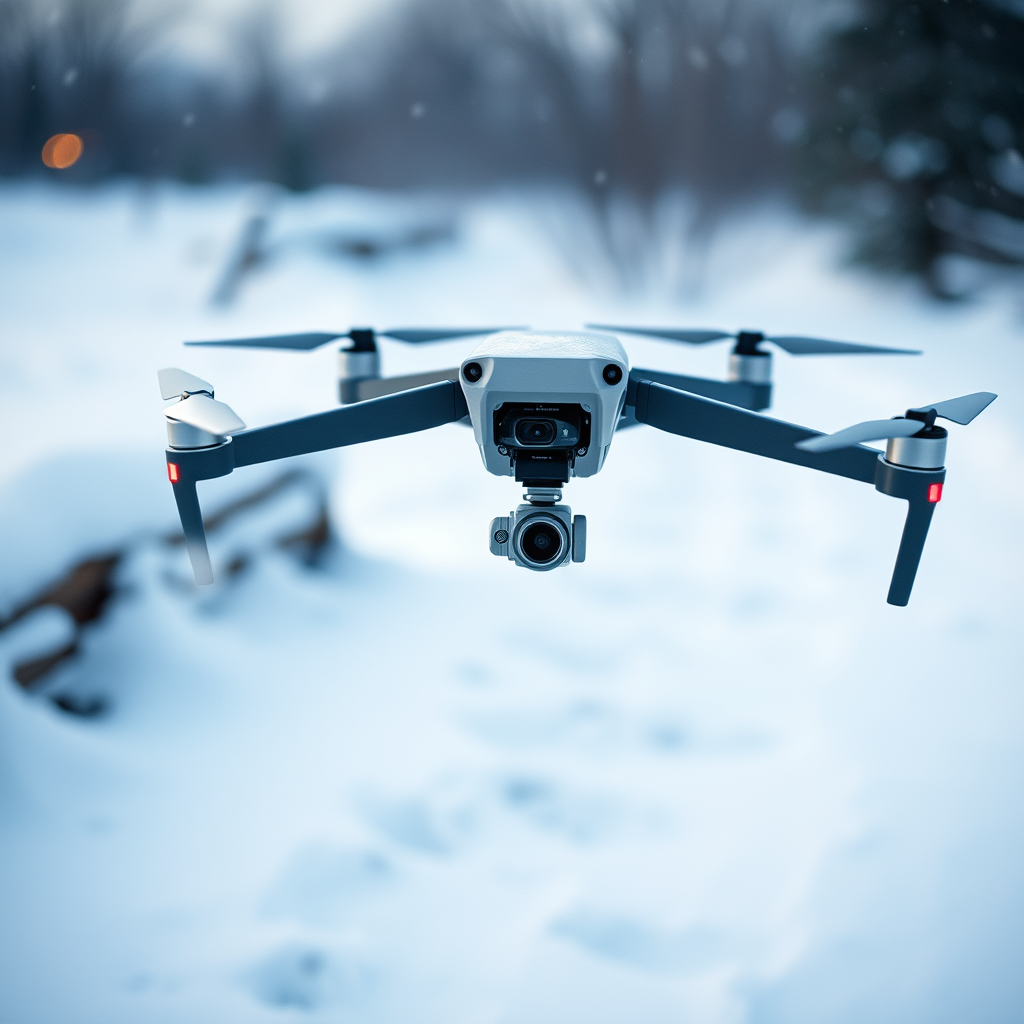
Yes, you can fly your DJI drone in snow, but doing so requires careful consideration of various factors to ensure safety and optimal performance. Snowy conditions can pose unique challenges, including reduced visibility, battery performance issues, and potential damage from moisture. This article will explore the essential factors to consider, the risks involved, and practical tips for operating your drone safely in snowy environments.
Understanding DJI Drone Specifications
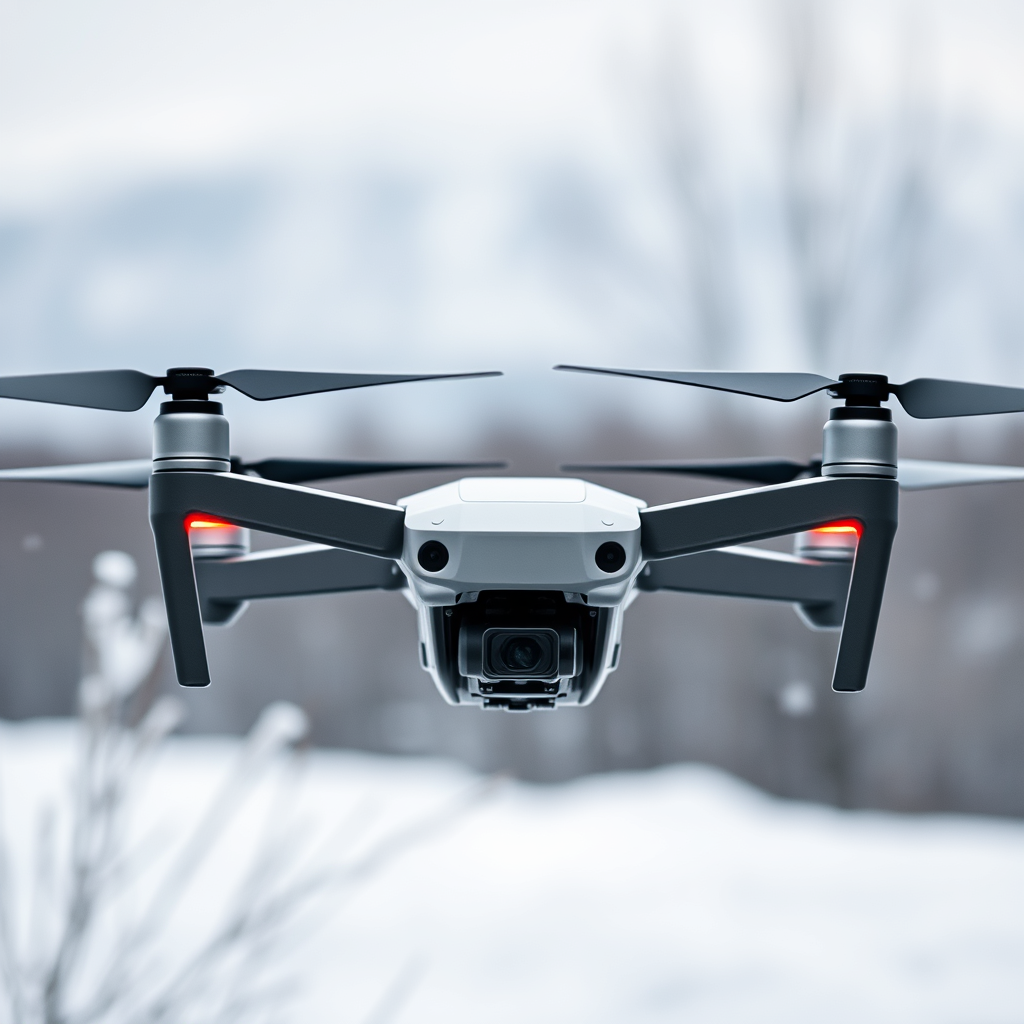
DJI drones are engineered to function in a range of environments, including cold weather. However, it’s crucial to be aware that extreme temperatures can adversely affect battery performance and overall flight capability. Most DJI models have specific operating temperature ranges, usually between -10°C to 40°C (14°F to 104°F), as indicated in the user manual. For instance, the DJI Mavic Air 2 is rated for operation down to -10°C (14°F), which makes it viable for flying in snowy conditions.
Understanding these specifications is vital for ensuring that your drone operates effectively and safely. Familiarize yourself with your particular model’s limitations, and consider how snow and cold temperatures might impact its performance. Additionally, be mindful of the drone’s weight, as accumulated snow can affect its ability to lift off and maintain stability during flight.
Assessing Weather Conditions
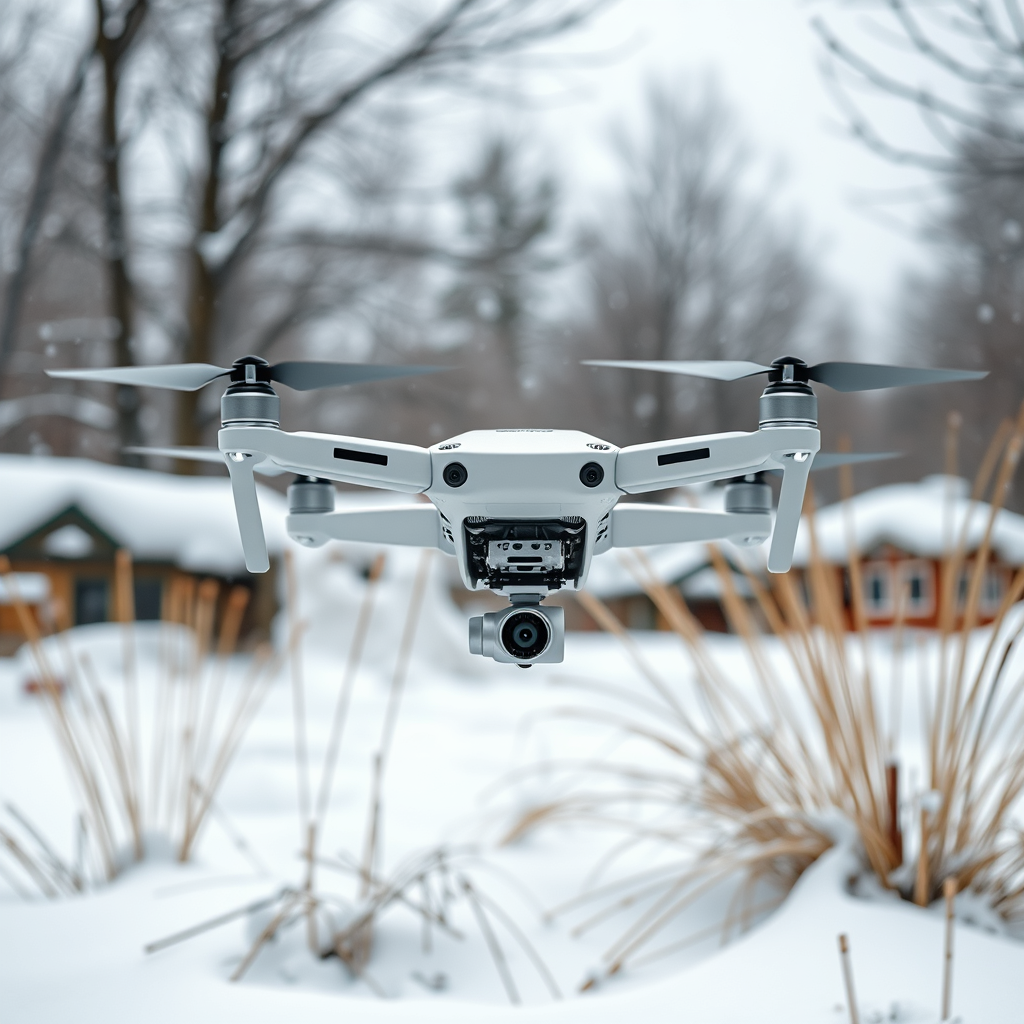
Before taking to the skies with your DJI drone in snowy conditions, it is imperative to thoroughly assess the weather. Monitoring forecasts for snow intensity, wind speeds, and temperatures is critical to ensuring safe flying conditions. For example, light snowfall may not significantly impair visibility or control, while heavy snowfall combined with wind can create a hazardous flying environment.
It is advisable to avoid flying during heavy snowfall or strong winds. Reduced visibility can make it difficult to navigate and maintain a clear line of sight, which is essential for safe operation. Additionally, wind gusts can affect your drone’s stability, making it challenging to control. Always check for weather updates before your flight, and consider using applications that provide real-time weather data for more accurate information.
Battery Life Considerations
Cold weather can have a significant impact on battery life and performance, which is especially important for drones that rely on lithium-polymer batteries. In low temperatures, the chemical reactions within the battery slow down, leading to a decrease in available power. As a result, you may experience shorter flight times, which could curtail your snow-capturing adventures.
To mitigate this issue, consider carrying extra batteries to ensure you have sufficient power for your flights. It is also advisable to warm up your batteries before flight; some pilots recommend keeping batteries in an inner jacket pocket or using a portable battery warmer. When not in use, keep batteries insulated to prevent them from cooling down too quickly. A common practice is to place them in a thermal pouch if you’re flying in extremely cold conditions.
Preparing Your Drone for Snow
Proper preparation is key when flying your DJI drone in snowy conditions. Before and after each flight, ensure that your drone and propellers are free from snow and moisture. Snow accumulation can lead to malfunctions or damage, particularly in sensitive electronic components. Using a microfiber cloth to wipe down surfaces and propellers is a good practice to maintain cleanliness.
Furthermore, consider using landing gear extensions or snow pads to elevate your drone’s body above the snow surface. This can help prevent snow accumulation around the motors and sensors, which can hinder performance and lead to potential damage. Ensuring that your drone is clean and properly equipped for snowy conditions will enhance its performance and longevity.
Safety Tips for Flying in Snow
Safety should always be a priority when operating a drone, especially in challenging weather conditions like snow. Maintaining a clear line of sight is crucial for avoiding obstacles and ensuring your drone remains within your control. When flying in snow, it is wise to avoid populated areas and any obstacles that could pose a risk.
Utilizing GPS and return-to-home features can also enhance safety. These technologies can help you navigate back to your launch point even in low-visibility conditions. Additionally, familiarize yourself with your drone’s emergency procedures and ensure that you know how to initiate a safe landing if necessary. Taking these precautions can significantly reduce risks and enhance your flight experience.
Post-Flight Care
After your snowy flight, thorough post-flight care is essential to ensure your drone remains in good condition. Inspect your drone meticulously for any snow or moisture accumulation, particularly in the motors and electronic components. These areas are susceptible to damage if moisture seeps in, potentially leading to corrosion or malfunction.
Allow your drone to dry completely before packing it away. This may involve letting it sit in a warm, dry area to ensure all components are moisture-free. Taking the time for proper post-flight maintenance can extend the lifespan of your drone and prevent costly repairs down the line.
In summary, flying your DJI drone in snow is indeed possible, but it requires careful preparation and awareness of specific conditions. By understanding your drone’s specifications, assessing weather conditions, considering battery life, preparing your drone properly, following safety tips, and conducting thorough post-flight care, you can enjoy a successful and safe flying experience in wintery environments.
As you venture into the snowy skies with your drone, make sure to share your experiences and insights with fellow drone enthusiasts. Adhering to safety guidelines and best practices will not only improve your own flying skills but also contribute to a safer community of drone operators. Happy flying!
Frequently Asked Questions
Can I fly my DJI drone in snowy conditions?
Yes, you can fly your DJI drone in snowy conditions, but there are several important factors to consider. Snow can affect the drone’s performance, battery life, and visibility. It’s crucial to keep the drone dry and to avoid flying in heavy snowfall or extreme cold, as these conditions can lead to malfunction or reduced flight time.
What precautions should I take when flying my drone in the snow?
When flying your DJI drone in the snow, ensure your drone is properly calibrated and that the firmware is up to date. Protect the drone from moisture by using a waterproof bag or case and avoid flying in heavy snow or strong winds. Additionally, monitor battery levels closely, as cold temperatures can significantly reduce battery performance.
How does cold weather affect my DJI drone’s battery life?
Cold weather can have a significant impact on your DJI drone’s battery life, reducing it by up to 30% or more. Lithium-polymer batteries, commonly used in drones, perform poorly in low temperatures, leading to shorter flight times. To mitigate this, keep your batteries warm before flying and have extra batteries on hand for extended flights in cold conditions.
Why is it important to keep my DJI drone dry when flying in snow?
Keeping your DJI drone dry is essential because moisture can lead to electrical failures and corrosion of internal components. Snow can melt and seep into the drone’s motors and circuitry, causing irreversible damage. Protecting your drone from moisture not only prolongs its lifespan but also ensures safer flights and better performance in snowy conditions.
What is the best way to clean snow off my DJI drone after flying?
After flying your DJI drone in snow, it’s important to carefully remove any snow or moisture to prevent damage. Use a soft, dry microfiber cloth to wipe off any snow on the drone’s surface. Avoid using heat sources, as they can damage the drone’s components; instead, let it air dry in a warm, dry place before storing it.
References
- Recreational Flyers & Community-Based Organizations | Federal Aviation Administration
- DJI – The World Leader in Camera Drones/Quadcopters for Aerial Photography
- Dalls portrait – ABC News
- https://www.nationalgeographic.com/science/article/how-to-fly-a-drone-in-the-snow
- https://www.shetlandtimes.co.uk/2021/02/15/flying-a-drone-in-winter-what-you-need-to-know
- https://www.dronepilotgroundschool.com/can-i-fly-my-drone-in-the-snow/
- https://www.theguardian.com/environment/2020/feb/07/drone-uses-snow-mapping-climate-change
- https://www.technologystudent.com/elec1/drone3.htm
