

Flying your DJI drone in the rain is generally not recommended. While some DJI drones possess a degree of water resistance, the risks associated with flying in wet conditions often outweigh any potential benefits. Moisture can lead to serious damage, performance issues, and safety hazards. In this article, you’ll learn about the risks of flying your drone in the rain, how to assess your drone’s water resistance, and tips for safe flying in different weather conditions.
Understanding Drone Water Resistance
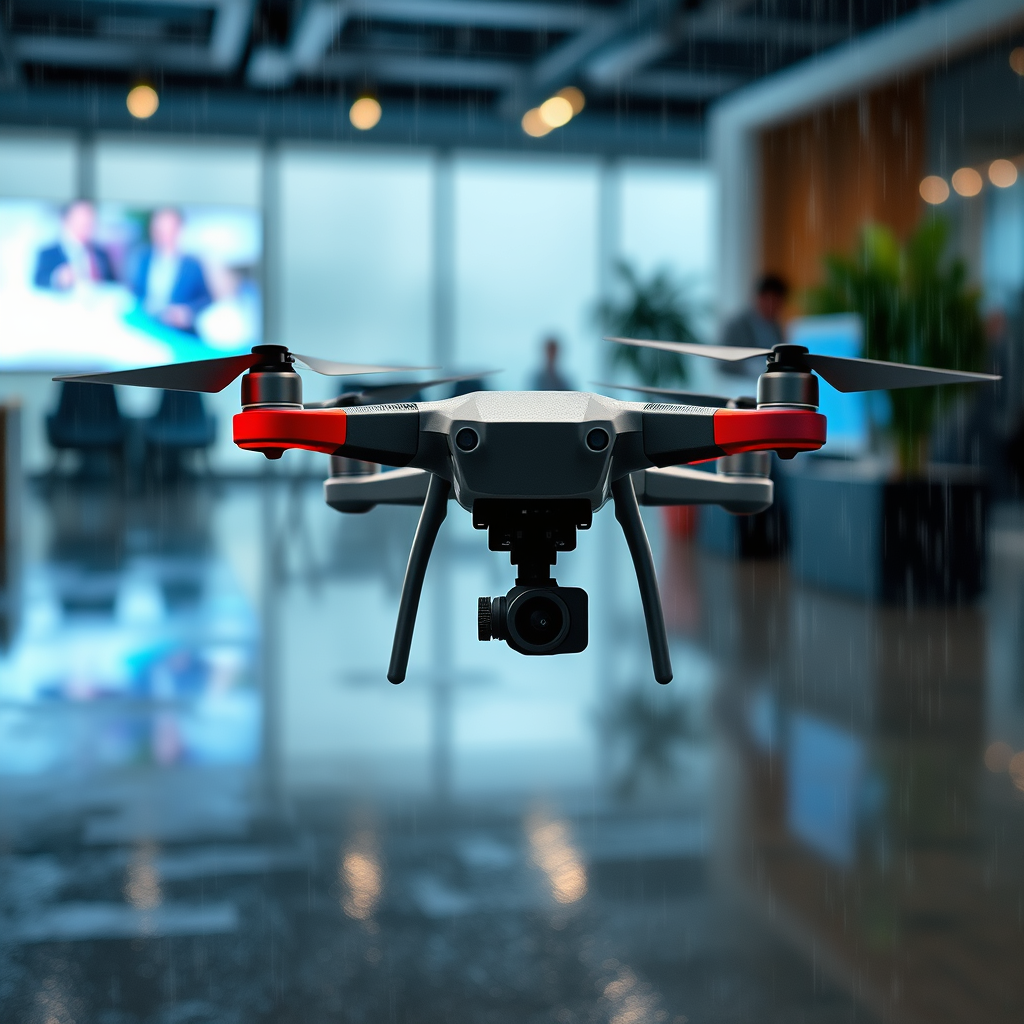
Many DJI drones come equipped with water-resistant features, but it is crucial to understand that they are not waterproof. Water resistance varies across models, often indicated by an Ingress Protection (IP) rating. For example, the DJI Mavic 2 Enterprise has a lower IP rating than some other drones, meaning it can withstand splashes but is not designed for prolonged exposure to wet conditions. An IP rating of IP43 means that the device can handle water sprayed at an angle of up to 60 degrees, while an IP67 rating would indicate total protection against dust and immersion in water up to 1 meter for 30 minutes. Understanding these ratings can help drone operators make informed decisions about flying in adverse weather.
Additionally, even drones with higher water resistance ratings can experience performance degradation. Sensors and cameras may become less effective when wet, affecting stability and image quality. As such, it’s important for drone pilots to familiarize themselves with their equipment’s specifications before taking off in less-than-ideal weather.
Risks of Flying in the Rain
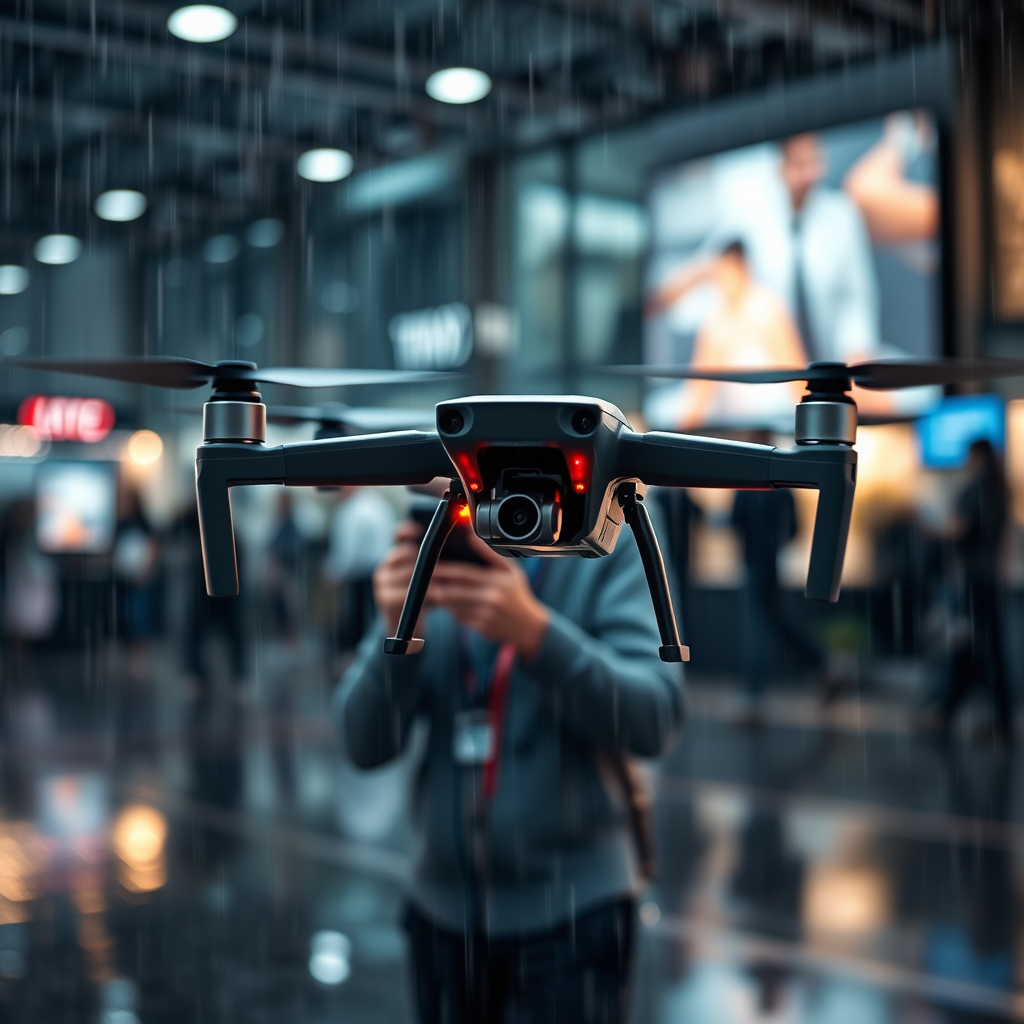
Flying in the rain introduces a variety of risks that can jeopardize not only the drone but also the safety of those around it. One of the primary concerns is that rain can interfere with the drone’s sensors and cameras. Moisture on the lenses can obscure visibility, making it difficult to capture high-quality images or maintain a clear line of sight. Additionally, rain can disrupt the drone’s GPS signals, leading to navigational errors that could result in crashes or loss of control.
Further compounding these issues is the risk of electrical failures. Moisture can infiltrate the drone’s internal components, leading to short circuits or corrosion over time. This can compromise the drone’s functionality and longevity, resulting in costly repairs or replacements. It’s essential to recognize that while the thrill of flying in the rain may be tempting, the potential consequences can be dire.
Recommended DJI Models for Rainy Conditions
While most DJI drones are not designed for wet conditions, some models offer enhanced weather resistance, making them more suitable for challenging environments. The DJI Mavic 2 Enterprise, for instance, is engineered with weather-resistant features that allow it to handle light rain and splashes better than other models. Similarly, the DJI Matrice series is built for industrial applications and provides a higher degree of protection against the elements.
Before flying in rainy conditions, always check the manufacturer’s specifications for your specific model. Understanding whether your drone has a certain level of water resistance will help you gauge its suitability for inclement weather. If your drone lacks adequate protection, it’s advisable to postpone your flight until conditions improve.
Tips for Flying in Wet Conditions
If you find yourself needing to fly your drone in light rain or drizzle, there are precautions you can take to minimize risks. Firstly, avoid flying in heavy rain; even light drizzle can be risky and may lead to moisture-related issues. Always assess the severity of the weather before taking off and lean towards caution.
It’s also crucial to be prepared for sudden changes in weather. Always have a safe landing plan in place, and maintain a clear path back to a dry area. Use visual markers for your flight, as GPS signals may be compromised in wet conditions. Additionally, consider using a drone with a higher-level of water resistance for these flights, and keep your flight duration shorter to reduce exposure to moisture.
Lastly, always monitor your drone’s performance while flying. If you notice decreased responsiveness or other performance issues, land immediately to prevent further problems.
Alternatives to Flying in the Rain
If the weather conditions are not favorable for flying, consider waiting for clearer skies. Postponing your flight is often the safest choice and can save you from potential damage to your drone. Instead, use this time to practice your piloting skills indoors or utilize simulators that replicate various flying conditions. Many flight simulator apps and programs can help you refine your skills without the risk of damaging your equipment.
Additionally, there may be indoor facilities or drone racing leagues in your area that allow for safe drone operation away from adverse weather. These alternatives can enhance your flying experience without exposing your drone to unnecessary risks.
Legal Considerations for Flying in Poor Weather
Before flying your drone in adverse weather conditions, it is essential to check local regulations governing drone use. Many jurisdictions have specific guidelines regarding flying in poor weather, which may be strictly enforced. Understanding these regulations can help you avoid potential legal issues.
Moreover, flying in unfavorable weather can impact your liability and insurance coverage. If you experience an accident or damage your drone while flying in the rain, your insurance policy may not cover the incident if it is deemed negligent. Therefore, always prioritize compliance with local laws and consider the implications of your flying decisions.
Maintenance After Flying in the Rain
If you must fly your drone in wet conditions, thorough maintenance afterward is critical. Always dry your drone thoroughly after exposure to moisture, paying special attention to crevices where water can linger. Use a soft, lint-free cloth to wipe down the exterior, and ensure that propellers and sensors are clean and free from debris.
Regularly inspect your drone for any signs of water damage, such as corrosion or unusual behavior during flight. Ensure that all connections, including battery and camera, are secure and free from moisture. Performing routine maintenance will help extend the lifespan of your drone and ensure it remains in optimal working condition.
In conclusion, flying your DJI drone in the rain can be tempting, but it poses significant risks that can lead to costly damage. Always assess the weather conditions, consider your drone’s specifications, and prioritize safety to ensure a successful flying experience. If you’re unsure, it’s best to wait for clearer skies before taking to the air. By understanding the limitations of your equipment and the implications of adverse weather, you can make informed decisions that protect your investment and enhance your flying experience.
Frequently Asked Questions
Can I fly my DJI drone in light rain?
While some DJI drones, like the DJI Mavic series, have a degree of water resistance, it is generally not recommended to fly in light rain. Water can damage the drone’s electronic components and affect its performance and stability. To ensure the longevity of your drone and avoid potential malfunctions, it’s best to postpone flights during rainy conditions.
What should I do if my DJI drone gets wet?
If your DJI drone gets wet, immediately turn it off and remove the battery to prevent electrical shorts. Dry the exterior with a soft cloth and place the drone in a dry, warm area to help evaporate any moisture. Avoid using heat sources like a hairdryer, as they can damage the drone. Allow the drone to dry completely before attempting to power it on again.
Why is it risky to fly a drone in the rain?
Flying a drone in the rain poses several risks, primarily due to water damage that can affect the drone’s motors, sensors, and battery. Rain can also interfere with the drone’s GPS signals and visibility, making it harder to control. Additionally, rain can decrease battery life and lead to sudden malfunctions, putting your equipment and safety at risk.
Which DJI drones are waterproof or water-resistant?
While most DJI drones are not fully waterproof, some models, like the DJI Mavic 2 Enterprise Advanced, offer a certain level of water resistance. However, even these models are not designed to be flown in heavy rain or submerged in water. Always check the specifications and user manual of your specific drone model for guidance on its water resistance capabilities.
How can I protect my DJI drone from rain during outdoor shoots?
To protect your DJI drone from rain during outdoor shoots, consider using a rain cover or drone-specific waterproof case that can shield it from moisture. Additionally, plan your shooting schedule around weather forecasts to avoid unexpected rain. If rain is forecasted, look for sheltered locations or use a protective landing pad to keep your drone dry when not in use.
References
- https://www.faa.gov/uas/getting_started/part_107/
- https://www.dji.com/information/dji-privacy-policy
- https://www.dronepilotgroundschool.com/flying-your-drone-in-the-rain/
- https://www.nasa.gov/centers/langley/news/factsheets/2010.html
- https://www.reuters.com/article/us-usa-drone-regulations-idUSKCN1GZ2J5
- https://www.wired.com/story/drones-flying-in-the-rain/
- Coonamble livestock agent Tony Mooy – ABC News
