
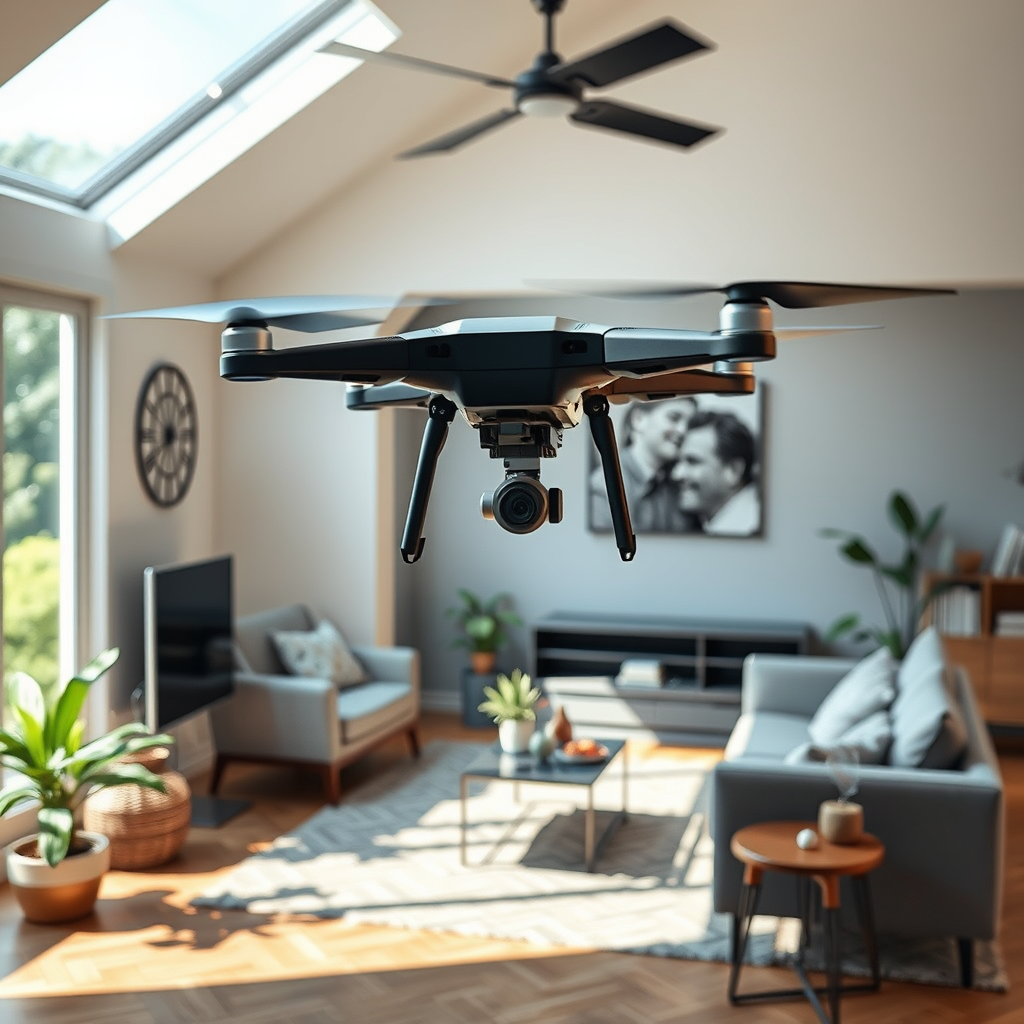
Yes, you can fly your drone at home, but there are several important factors to consider, including safety, legality, and the size of your space. Flying a drone in your backyard or inside your home can be an enjoyable experience, offering a unique perspective and the thrill of piloting an aircraft. However, understanding the regulations, safety precautions, and best practices is essential to ensure a safe and responsible flying experience. This article will guide you through these considerations, allowing you to enjoy your drone hobby while adhering to necessary guidelines.
Understanding Local Regulations
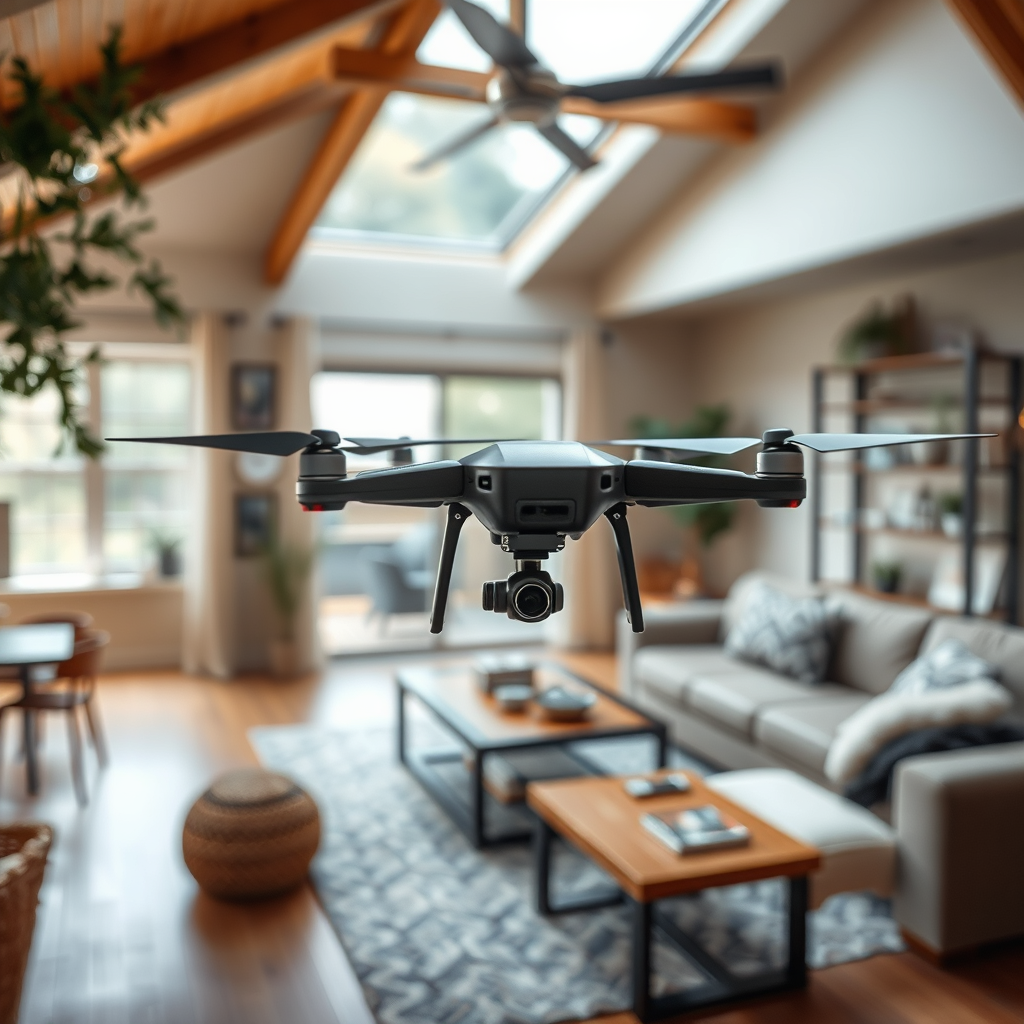
Before flying your drone at home, it is crucial to familiarize yourself with local laws governing drone usage in residential zones. Regulations can vary significantly depending on your location. In many countries, there are specific guidelines that dictate where and when you can operate a drone. For instance, in the United States, the Federal Aviation Administration (FAA) mandates that drone operators register their drones and adhere to specific operational limits, such as altitude restrictions and no-fly zones.
In addition to federal regulations, it’s vital to check for any local ordinances that might apply to your area. Some municipalities may have stricter rules concerning noise levels or privacy concerns. Furthermore, be aware of any restrictions on flying near airports or crowded areas, as these can lead to significant legal ramifications. Utilizing resources such as the FAA’s B4UFLY app can provide valuable insights into local airspace restrictions, ensuring you remain compliant while flying.
Safety Considerations
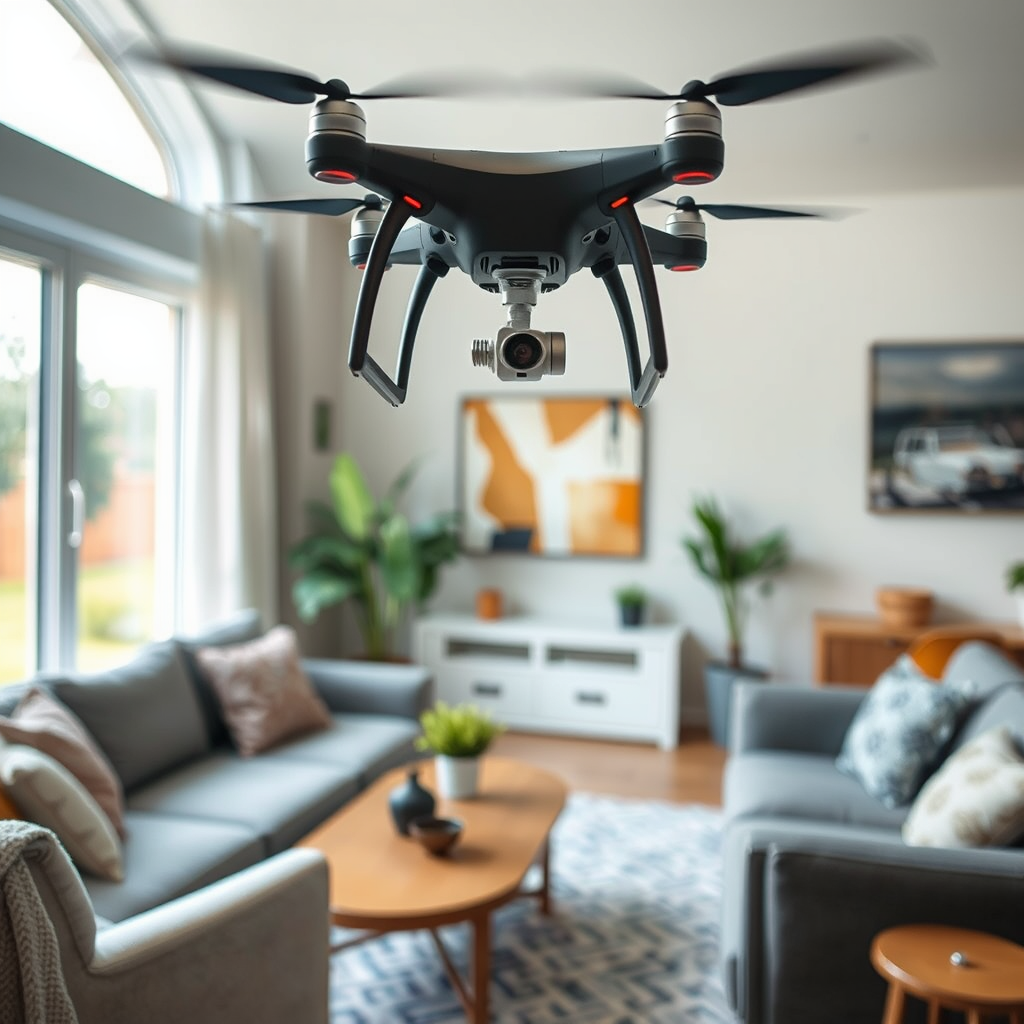
Safety should always be your top priority when flying a drone, especially in a residential area. You need to ensure that you have enough space to operate the drone safely without risking damage to property or injury to people. Ideally, a backyard or open area away from structures and bystanders is best for outdoor flying. If you choose to fly indoors, ensure that the space is free from obstacles like furniture, lights, and fragile items.
Maintaining a line of sight on your drone is another critical safety consideration. This means you should always be able to see the drone with your own eyes, rather than relying solely on the camera feed from the drone. This practice helps prevent losing control of the drone and allows for better reaction time in case of emergencies. Additionally, familiarizing yourself with the drone’s controls and practicing maneuvers in a safe environment can enhance your capability as a pilot and reduce the likelihood of accidents.
Choosing the Right Drone for Home Use
When considering which drone to fly at home, opting for a smaller, more manageable model is advisable, especially if you are limited on space. Mini drones or toy drones are excellent choices for indoor use due to their compact size and maneuverability. These drones often come equipped with features such as altitude hold and obstacle avoidance, which can greatly enhance safety and ease of operation.
For instance, the DJI Mini series offers lightweight designs that are perfect for home flying. With features like GPS stabilization and a robust camera, these drones can be flown indoors or outdoors with relative ease. Make sure to research and select a drone that fits your flying environment, as choosing the right drone can make a significant difference in your flying experience.
Best Practices for Indoor Drone Flying
To minimize risks while flying indoors, designate a specific area for your drone activities. This could be a large room with ample space or an open garage. Using a dedicated flying area reduces the chances of accidents occurring and helps you maintain focus on flying rather than worrying about potential hazards.
Before attempting complex flights or aerial stunts, practicing basic maneuvers in a controlled environment is essential. Start with straightforward tasks, such as hovering and gentle turns, and gradually progress to more advanced maneuvers as your confidence builds. Utilizing simulators can also provide a risk-free environment to practice flying skills before taking your drone into the real world.
Engaging with Neighbors
Communicating with your neighbors about your drone flying activities can help prevent misunderstandings and potential conflicts. Informing them of your hobby and the times you plan to fly can foster goodwill and provide them with a sense of awareness regarding your activities. This proactive approach can ease any concerns they may have about noise or privacy invasions.
Additionally, it’s crucial to respect your neighbors’ privacy and property boundaries while flying. Avoid flying over their yards or homes without permission, and be mindful of their comfort levels regarding drone operations. Striking a balance between enjoying your hobby and respecting others can create a harmonious community atmosphere.
Insurance and Liability
Considering insurance for your drone is a wise decision, especially if you plan to fly frequently or in populated areas. Drone insurance can cover damages or accidents that may occur while flying, protecting you financially from potential liabilities. Various insurance providers offer specialized drone insurance policies that can cater to your specific needs.
Understanding your liability in case of accidents is also critical. If your drone causes damage to someone else’s property or injures a person, you may be held responsible. Familiarizing yourself with local laws regarding liability can help you prepare for any unforeseen incidents. Additionally, some drone manufacturers or retailers offer coverage plans that can provide added peace of mind.
In conclusion, flying your drone at home can be enjoyable and safe if you follow the regulations and best practices outlined above. By understanding local regulations, prioritizing safety, choosing the right drone, engaging with your neighbors, and considering insurance options, you can ensure a responsible and fulfilling drone flying experience. Always prioritize safety and community respect while indulging in your drone flying hobby, allowing you to enjoy this exciting technology without complications.
Frequently Asked Questions
Can I fly my drone at home without any permissions?
Yes, you can typically fly your drone at home without special permissions if you are flying within the confines of your private property. However, it’s crucial to adhere to privacy regulations and avoid flying over neighbors’ properties without consent. Additionally, it’s advisable to check local laws and regulations, as some areas may have specific restrictions, especially in urban settings.
What safety precautions should I take when flying my drone at home?
When flying your drone at home, safety should be your top priority. Always keep a safe distance from people, pets, and structures to minimize the risk of accidents. Ensure that your drone is in good working condition, perform pre-flight checks, and maintain line-of-sight control. It’s also wise to have a designated flying area free of obstacles and to avoid flying near power lines or in adverse weather conditions.
How can I make sure my drone doesn’t disturb my neighbors?
To avoid disturbing your neighbors while flying your drone at home, choose times that are considerate, such as during daylight hours and when most people are not home. Keep the flight duration short and avoid repetitive flights that can become bothersome. Communicating with your neighbors about your drone activities and ensuring the noise levels are minimal can also help maintain good relations.
What is the best indoor drone for home use?
The best indoor drone for home use is one that is lightweight, has stable flight capabilities, and is designed for confined spaces. Drones like the DJI Tello or the Holy Stone HS210 are popular choices due to their agility and ease of use. They often have features such as altitude hold and obstacle avoidance, making them ideal for indoor environments while minimizing the risk of accidents.
Which regulations should I be aware of when flying a drone at home?
While flying a drone at home, you should be aware of both federal and local regulations. The FAA requires that drones stay below 400 feet and remain within visual line of sight. Additionally, local laws may impose restrictions on flying in residential areas or near airports. Always conduct thorough research on your local drone laws to ensure compliance and avoid fines or penalties.
References
- https://www.faa.gov/uas/getting_started/remote_id
- https://www.faa.gov/uas/getting_started/fly_for_fun
- https://www.faa.gov/uas/faq
- https://www.nytimes.com/2021/04/20/technology/drones-regulations.html
- https://www.npr.org/2020/09/30/915994349/faa-issues-new-drone-rules
- https://www.wired.com/story/drones-flying-at-home-safety-laws/
- https://www.dronepilotgroundschool.com/can-you-fly-a-drone-in-your-backyard/
- https://www.cnet.com/news/faa-issues-new-guidance-on-drone-flying-in-your-backyard/
- https://www.nationalgeographic.com/science/article/drone-laws-and-safety-what-you-need-to-know
