
Yes, you can fly a drone at Niagara Falls, but there are strict regulations and guidelines you must follow. Flying a drone in this iconic location can provide stunning aerial views and unique perspectives of the natural wonder, but it is imperative to adhere to local laws and FAA regulations to ensure a safe and enjoyable experience.
Understanding Drone Regulations
Drones are regulated by the Federal Aviation Administration (FAA) in the U.S., which sets forth rules that all drone operators must abide by, regardless of the location. In the vicinity of Niagara Falls, drone operators must be particularly vigilant as certain areas may be designated as No Drone Zones due to safety concerns and potential disruptions to air traffic. For instance, the airspace around major tourist attractions or emergency response zones often has additional restrictions.
Additionally, it is crucial to understand that the FAA requires all drone operators to follow guidelines such as maintaining a maximum altitude of 400 feet, keeping the drone within visual line-of-sight, and avoiding flying near airports or other restricted airspace. Before planning your flight, review the FAA’s UAS (Unmanned Aircraft Systems) regulations to ensure compliance.
Local Laws and Restrictions
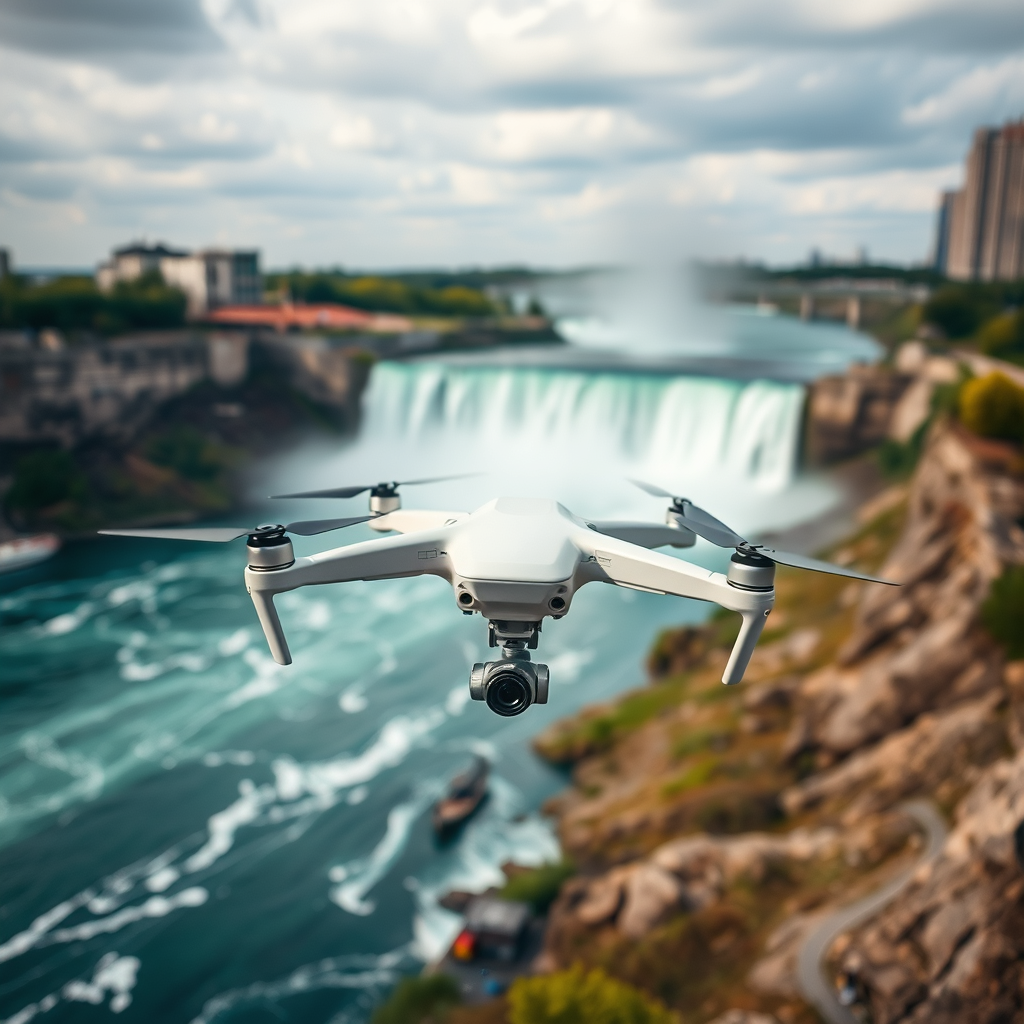
Beyond federal regulations, New York State laws impose additional restrictions on drone flights, particularly in public parks and recreational areas. At Niagara Falls State Park, for example, drone usage is generally prohibited without express permission from park authorities. This is primarily to preserve the natural environment and ensure the safety of park visitors.
Local ordinances may vary, so it is advisable to check with the Niagara Falls city government and the New York State Parks Department for any specific rules regarding drone flying. Engaging with local authorities before your visit can prevent potential fines and ensure that you are operating within the law.
Best Practices for Flying at Niagara Falls
To maximize your drone-flying experience at Niagara Falls, it is essential to follow best practices. First and foremost, if you plan to use your drone for commercial purposes, such as photography or videography, ensure that you have obtained the necessary permits from the FAA and relevant local authorities. This often involves applying for a Section 333 exemption, which allows for certain commercial activities.
Respecting the privacy of other visitors is also crucial. Avoid flying over crowded areas or capturing images of individuals without their consent. This not only aligns with ethical best practices but also helps maintain a positive experience for everyone at the Falls. Additionally, always be aware of your surroundings and the potential hazards that may arise when flying a drone in a crowded tourist area.
Recommended Areas for Drone Flying
While direct drone flights over Niagara Falls may be restricted, there are several designated areas nearby that offer breathtaking views and are more conducive to drone operation. For example, the Niagara River connects to the Falls and has numerous vantage points along its banks where drone flying is permitted.
Consider exploring areas such as the Niagara Gorge Trail or the outskirts of the state park, where you can capture stunning footage of the surrounding landscapes without infringing on restricted zones. Additionally, scouting for locations further away from the Falls, such as the nearby Niagara-on-the-Lake in Canada, can provide both beautiful scenery and the flexibility to fly your drone legally.
Safety Considerations
Safety should always be a top priority when flying a drone, especially in a dynamic environment like Niagara Falls. Be mindful of the weather conditions, as high winds or rain can significantly impact your drone’s performance and stability. Always check local forecasts before your flight and be prepared to postpone your operation if the weather is unfavorable.
Moreover, ensure that you keep your drone within visual line-of-sight at all times. This is not only a legal requirement but also enhances your ability to navigate safely around obstacles, such as trees, buildings, and, of course, the powerful currents of the Falls. Avoid flying too close to the Falls, as the mist and wind created by the cascading water can affect your drone’s stability and potentially lead to a crash.
Tips for Capturing Great Footage
To capture the most breathtaking footage of Niagara Falls, planning your flight path is essential. Identify the best angles and consider utilizing a flight app that can assist in mapping out your route and ensuring you avoid no-fly zones. Early morning or late afternoon are ideal times for flying, as the lighting during these hours can enhance the beauty of the landscape while reducing the number of people at the site.
Additionally, consider the features of your drone, such as camera settings and capabilities, to take full advantage of the stunning scenery. Experiment with different altitudes and perspectives to create diverse shots, ranging from wide landscape views to close-ups of the Falls’ powerful flow.
In conclusion, while flying a drone at Niagara Falls is indeed possible, it requires strict adherence to regulations and safety practices to ensure an enjoyable and lawful experience. By understanding the drone regulations, respecting local laws, and following best practices, you can responsibly capture the beauty of this natural wonder. Always stay informed about the latest rules and be considerate of the environment and other visitors. Happy flying!
Frequently Asked Questions
Can I fly my drone over Niagara Falls?
No, you cannot fly your drone over Niagara Falls. The area is regulated by strict laws that prohibit drone usage for safety and security reasons. This includes not only the falls themselves but also the surrounding parks and attractions. Always check local regulations and guidelines before planning any drone activity in such sensitive locations.
What are the regulations for flying drones in Niagara Falls State Park?
In Niagara Falls State Park, drone flying is generally prohibited. The New York State Parks Department has established these regulations to protect wildlife, ensure visitor safety, and maintain the natural beauty of the area. If you plan to fly your drone in nearby areas, make sure to comply with the Federal Aviation Administration (FAA) guidelines and local laws to avoid fines or legal issues.
How can I find places near Niagara Falls where I can legally fly my drone?
To find legal drone flying locations near Niagara Falls, you can utilize resources like the FAA’s B4UFLY app, which provides information on airspace restrictions and local regulations. Additionally, consider contacting local drone clubs or online forums for recommendations on suitable locations that comply with state and federal laws. Always ensure that you have permission from landowners if you’re flying on private property.
Why are drones banned in popular tourist areas like Niagara Falls?
Drones are often banned in popular tourist areas like Niagara Falls to ensure public safety, protect the natural environment, and minimize disturbances to wildlife. The high volume of visitors and the potential for accidents, such as collisions with people or structures, necessitate stringent regulations. Additionally, drones can disrupt the scenic experience that many visitors seek at such iconic locations.
Which drones are best for capturing scenic landscapes if I can’t fly at Niagara Falls?
If you’re looking to capture stunning landscapes without flying at Niagara Falls, consider using drones like the DJI Mini 2 or the DJI Air 2S, which are known for their excellent camera quality and portability. Alternatively, you can explore nearby areas that allow drone flying, such as open fields or other parks that are drone-friendly. Always ensure you check and adhere to local regulations to enjoy safe and legal flying experiences.
References
- https://www.nps.gov/noca/planyourvisit/drone-use.htm
- https://www.niagarafalls.ca/discover/faq/faq-drone-use-in-niagara-falls.php
- https://www.faa.gov/uas/where_to_fly/
- https://www.niagaraparks.com/visit/faq/
- https://www.niagarafallstourism.com/faq/
- https://www.governor.ny.gov/news/governor-cuomo-signs-legislation-prohibiting-drone-use-niagara-falls
