
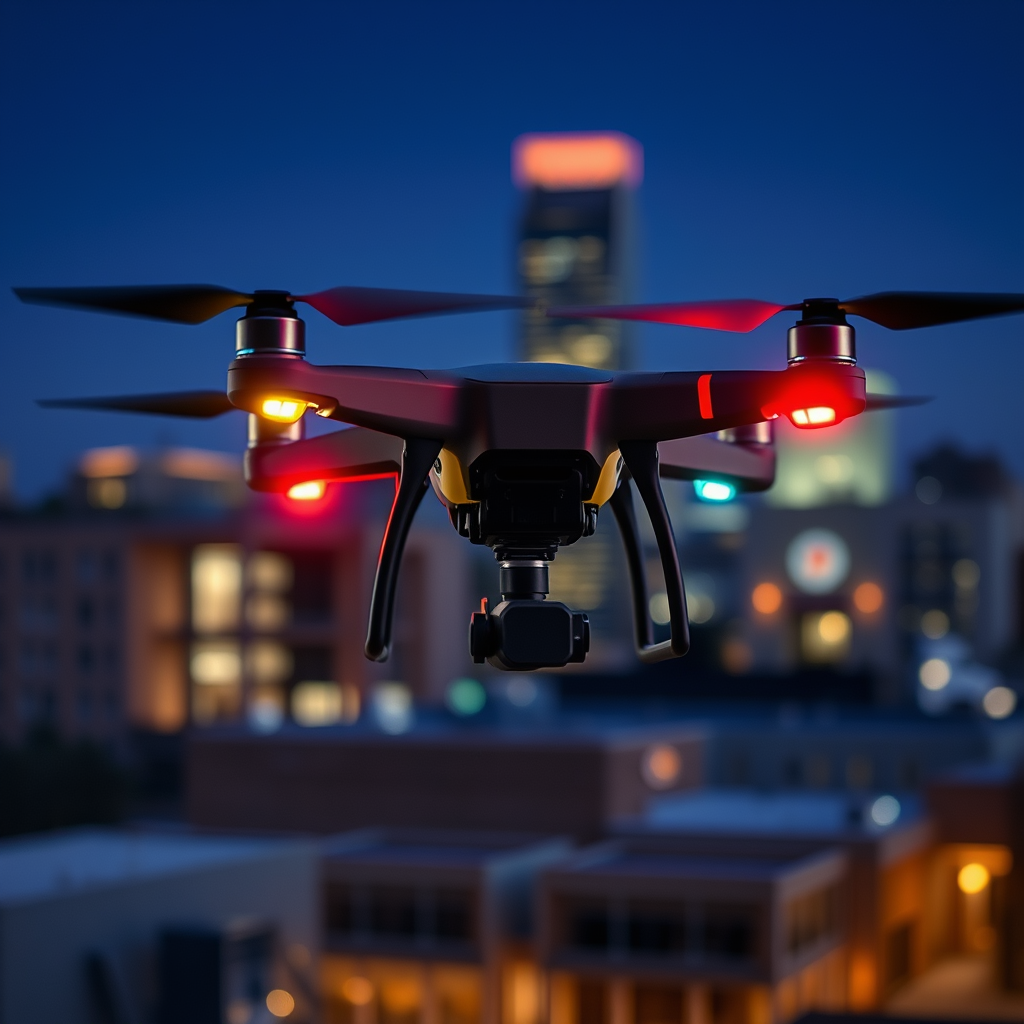
Yes, you can fly your drone at night, but there are specific regulations and requirements you must follow to ensure safety and compliance with the law. Nighttime drone operations can offer unique advantages, such as reduced air traffic and stunning photographic opportunities. However, pilots must adhere to Federal Aviation Administration (FAA) regulations, ensure their equipment is properly equipped, and take necessary safety precautions.
Understanding FAA Regulations
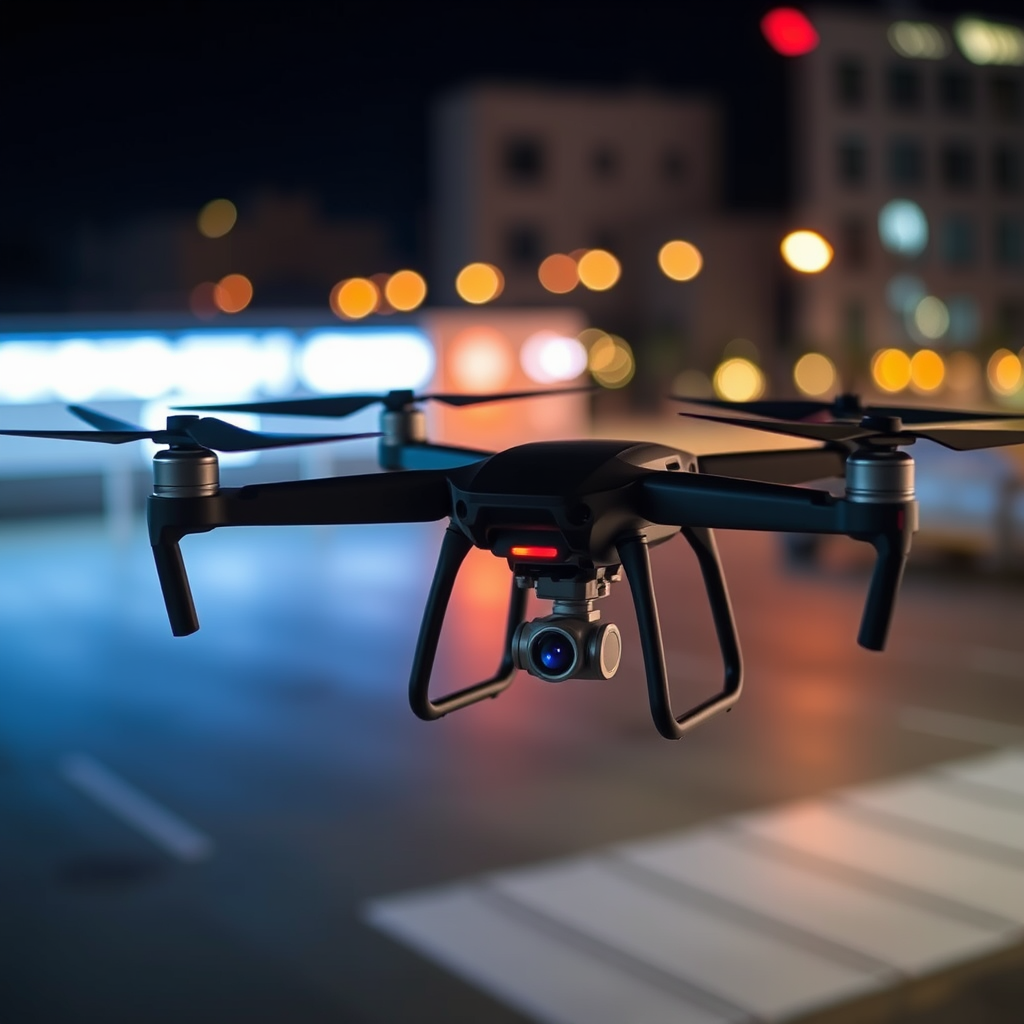
To legally operate a drone at night in the United States, the FAA mandates that pilots obtain a special waiver under Part 107. This waiver allows for nighttime operations but comes with strict guidelines that must be followed. First and foremost, pilots are required to maintain visual line of sight (VLOS) throughout the flight. This means that the operator must always be able to see the drone with their own eyes, rather than relying solely on first-person view (FPV) or cameras. Maintaining VLOS is crucial for avoiding potential collisions and ensuring situational awareness.
Additionally, it’s important to note that pilots must have completed their Part 107 certification, which involves passing a knowledge test that covers various aspects of drone operation, including airspace regulations, weather, and drone maintenance. This foundational knowledge is essential for safe nighttime flying, where visibility is inherently reduced compared to daytime operations.
Equipment Requirements

When flying at night, the FAA requires that drones are equipped with anti-collision lights that are visible for at least three statute miles. These lights help other aircraft and ground personnel see your drone in low-light conditions, significantly reducing the risk of accidents. It is advisable to use strobe lights or LED lights designed specifically for nighttime drone operation, as these can provide enhanced visibility.
In addition to anti-collision lighting, consider using drones that feature enhanced night vision or low-light capabilities. Some drones come equipped with specialized cameras that perform well in low-light environments, allowing for high-quality aerial photography or videography. For instance, drones with thermal imaging capabilities can also be beneficial, particularly for search and rescue operations or wildlife monitoring after dark.
Safety Precautions
Safety should always be a top priority when operating a drone at night. Before each flight, conduct a thorough pre-flight check to ensure that all equipment, including lights and batteries, is functioning properly. Check the drone’s software and firmware for updates, as these may contain important improvements or fixes related to nighttime operation.
It is also advisable to avoid flying over populated areas or near airports at night. The reduced visibility can make it challenging to spot potential hazards, and flying in crowded spaces increases the risk of accidents. Furthermore, maintaining a safe distance from airports is crucial to avoid interfering with manned aircraft operations, which could have serious legal and safety implications.
Local Laws and Restrictions
While the FAA provides a framework for drone operation, local laws may impose additional restrictions on nighttime flights. Before taking off, it is essential to check with local authorities or your municipality to understand any specific regulations that may apply in your area. Some regions have strict guidelines regarding drone use, especially after dark, which may include designated flight zones or noise ordinances.
Additionally, be aware of any temporary flight restrictions (TFRs) that could affect your operations. TFRs can be issued for various reasons, including special events or emergency situations, and may change frequently. Keeping abreast of these restrictions can help you avoid unintentional violations and ensure safe flight operations.
Best Practices for Night Flying
To enhance safety and ensure a successful nighttime flight, familiarize yourself with the flying area during daylight hours before attempting any operations after dark. Knowing the terrain, potential obstacles, and landmarks will improve your situational awareness and overall confidence while flying at night.
Using a spotter is another effective best practice. A spotter can help monitor the drone and its surroundings, alerting the pilot to any potential hazards that may not be visible from the pilot’s vantage point. This added layer of safety is invaluable, especially when flying in unfamiliar areas.
Furthermore, consider keeping your flight paths simple and straightforward. Avoid complex maneuvers, and opt for direct routes that minimize the risk of encountering unexpected obstacles or challenges.
Benefits of Night Flying
Nighttime drone flights can provide several advantages. One notable benefit is the opportunity to capture stunning photographs or videos that are not possible during the day. The contrast between artificial light and the dark sky can create visually striking images, making nighttime drone photography highly sought after by enthusiasts and professionals alike.
Additionally, cooler temperatures during the night often lead to improved battery performance. Drones tend to experience less thermal stress when flying in cooler conditions, which can translate to longer flight times and enhanced stability. This is particularly advantageous for extended operations where battery life is a crucial factor.
Common Challenges
Despite the benefits, nighttime drone flying does come with its own set of challenges. Navigating in low-light conditions can be difficult, requiring pilots to be extra vigilant about their surroundings. Reduced visibility can make it harder to spot obstacles such as trees, power lines, or other drones, necessitating careful planning of flight paths.
Pilots should also be prepared for reduced visibility and potential weather changes that can occur at night. Fog, rain, or wind can significantly impact flight safety. Therefore, checking weather conditions before each flight and having a contingency plan in place is essential for successful nighttime operations.
In conclusion, flying a drone at night is certainly possible with the right preparations and adherence to regulations. By understanding FAA requirements, equipping your drone appropriately, following safety precautions, and being aware of local laws, you can enjoy the unique advantages that nighttime flying offers. Always prioritize safety and compliance to ensure a successful nighttime operation. If you’re considering flying at night, make sure to research and understand all requirements before taking off, ensuring that your experience is both enjoyable and safe.
Frequently Asked Questions
Can I legally fly my drone at night?
Yes, you can legally fly your drone at night, but you must comply with FAA regulations. As of April 2021, the FAA permits nighttime operations for Part 107 certified drone pilots, provided they have completed the required training and their drone is equipped with anti-collision lights. These lights must be visible for at least three statute miles, ensuring safety for both the drone operator and other airspace users.
How do I prepare my drone for night flying?
To prepare your drone for night flying, first, ensure that it is equipped with proper lighting for visibility, such as LED anti-collision lights. Additionally, familiarize yourself with the area you plan to fly in, and conduct a pre-flight check to verify that all systems are functioning properly. It’s also wise to practice flying in low-light conditions during the day to build your confidence before taking to the skies at night.
Why is flying a drone at night considered risky?
Flying a drone at night can be risky due to reduced visibility, which makes it harder to see obstacles, other aircraft, and even the drone itself. Additionally, nighttime operations can complicate navigation and situational awareness. To mitigate these risks, pilots should ensure their drone is equipped with adequate lights, fly in familiar areas, and maintain a clear line of sight at all times.
What are the best practices for flying a drone at night?
The best practices for flying a drone at night include using bright, visible lights on your drone, maintaining a safe distance from populated areas, and thoroughly planning your flight path. Additionally, always fly within your line of sight and avoid flying in challenging weather conditions. Being aware of local laws and regulations is also crucial to ensure a safe and legal flying experience.
Which drones are best suited for night flying?
Drones that are best suited for night flying typically come with built-in LED lights or the capability to attach additional lighting systems. Models like the DJI Mavic Air 2 and the Phantom 4 Pro are popular choices due to their excellent camera capabilities and robust lighting options. When selecting a drone for nighttime use, also consider features such as GPS stability, flight time, and obstacle avoidance to enhance safety and performance in low-light conditions.
References
- https://www.faa.gov/uas/commercial_operators/night_operations
- https://www.faa.gov/uas/getting_started/part_107
- https://en.wikipedia.org/wiki/Unmanned_aerial_vehicle#Regulations
- https://www.nytimes.com/2021/04/21/business/drone-night-flying.html
- https://www.knowbeforeyoufly.org/faq/
- https://www.dronepilotgroundschool.com/drone-night-flying-rules/
- https://www.nasa.gov/feature/what-you-need-to-know-about-flying-drones-at-night
