
Yes, you can fly your drone at the Grand Canyon, but there are strict regulations to follow. The National Park Service (NPS) prohibits drone use within the park boundaries unless you obtain a special permit. Understanding these regulations is essential for ensuring a safe and compliant flying experience. This article delves into the necessary permits, restrictions, safety considerations, and best practices for flying your drone responsibly in this iconic location.
Understanding National Park Regulations
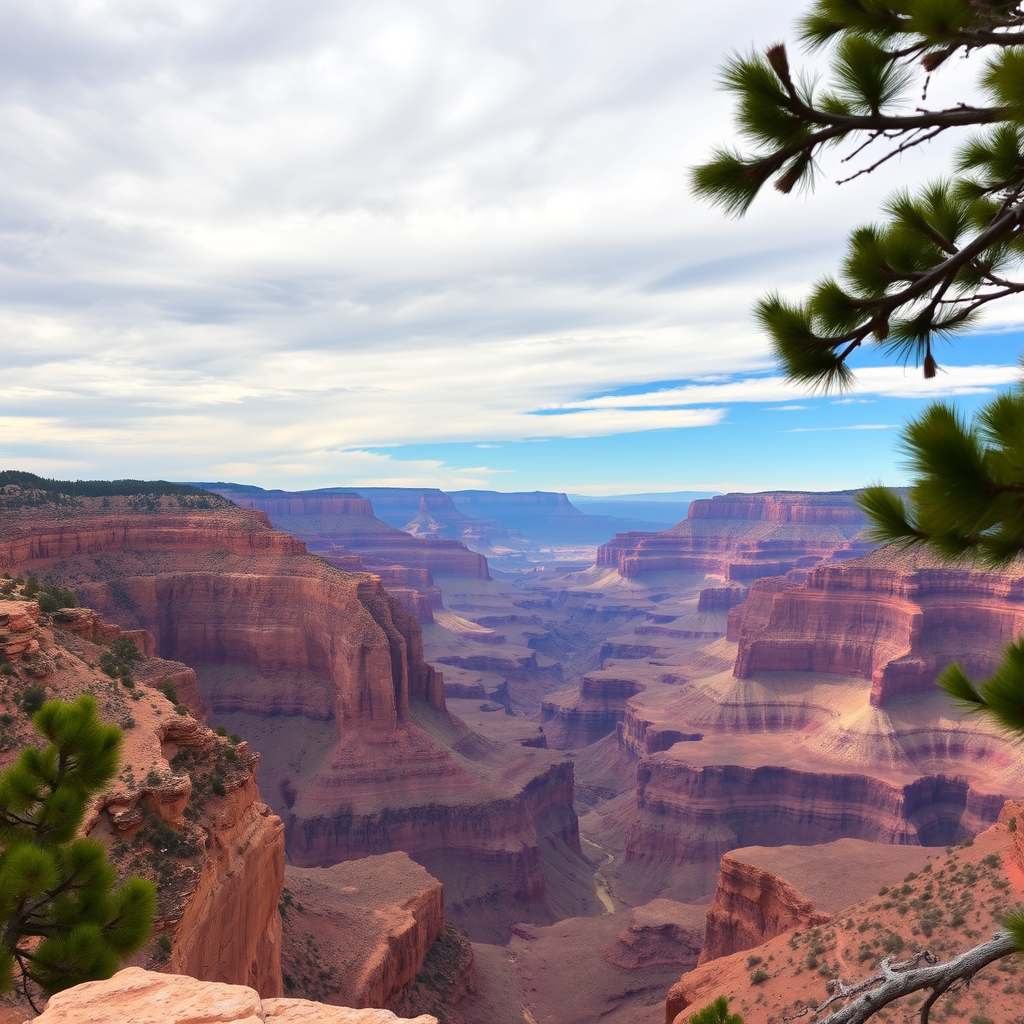
Drones are strictly prohibited in all national parks, including the Grand Canyon, without a special use permit issued by the NPS. This regulation is in place to protect the natural environment, wildlife, and the experience of other visitors. The NPS permits drone use only for specific purposes, such as research or film production, which require prior approval. This means that if you are considering flying your drone for recreational purposes, you will not be able to do so legally within the park’s boundaries.
The rationale behind these restrictions includes concerns over noise pollution that can disturb wildlife and the tranquility of the park experience for visitors. Furthermore, drones pose potential safety risks, including mid-air collisions and accidents that can harm both the pilot and others in the area. Therefore, understanding and complying with the regulations set forth by the NPS is imperative for anyone considering drone use in this breathtaking natural wonder.
Obtaining a Special Use Permit
If your intention is to fly your drone at the Grand Canyon for educational, research, or commercial purposes, obtaining a special use permit is not just a formality; it is a legal requirement. The application process for this permit can be detailed and requires a comprehensive understanding of your project. Applicants must provide specific information about their intended use, including flight plans, the duration of the project, and proof of liability insurance.
The application is reviewed by park officials, and approval can take time, so it is advisable to apply well in advance of your planned activity. This process is designed to ensure that drone usage aligns with the park’s conservation goals and visitor safety protocols. Be prepared to justify your need for drone usage and demonstrate how you will minimize any potential impact on the park and its visitors.
Designated Areas for Drone Use
While the Grand Canyon National Park itself is largely off-limits for drone flying, there are areas outside the park boundaries where drone use may be permissible. For instance, locations such as the Kaibab National Forest, which borders the Grand Canyon, may have fewer restrictions, but it is crucial to check local laws and regulations governing drone use in those areas.
Each state and locality may have its own set of rules regarding drone operation, and it is the responsibility of the drone pilot to be aware of these regulations. Before launching your drone, research the specific sites adjacent to the Grand Canyon where flying is allowed, and ensure that you are compliant with any applicable local laws. This diligence will help you avoid potential fines and ensure a responsible flying experience.
Safety Considerations
Safety is paramount when flying drones, particularly in a location as vast and majestic as the Grand Canyon. Pilots must be particularly mindful of wildlife and fellow park visitors. Drones can disrupt animal behavior, especially during nesting seasons, and can pose a risk to people if operated irresponsibly.
Additionally, maintaining a safe distance from the canyon’s edge is crucial. The unpredictable winds and changing weather conditions can affect drone stability, increasing the risk of accidents. Pilots should familiarize themselves with the specific flight characteristics of their drone and be prepared to respond to changing conditions by landing promptly when necessary.
Furthermore, it is advisable to conduct a safety briefing prior to flying, especially when operating in a group. This briefing should cover potential hazards, operational procedures, and emergency protocols to ensure that all participants understand their responsibilities and can fly safely.
Respecting Privacy and Noise Concerns
When flying a drone in proximity to other visitors, it is essential to respect their privacy and enjoyment of the natural environment. Avoid flying over people or their property, as this can lead to discomfort and potential legal issues. Drones can produce significant noise, which may detract from the peaceful experience that many visitors seek in a national park setting.
To mitigate these concerns, pilots should be considerate about the timing and location of their flights. Opting for less crowded times and areas can help minimize disturbances. Additionally, using quieter drone models can also reduce noise pollution, allowing for a more harmonious experience for both the drone operator and park visitors.
Best Practices for Responsible Drone Flying
To ensure a responsible and enjoyable drone flying experience at the Grand Canyon or any other location, it is crucial to adhere to Federal Aviation Administration (FAA) guidelines. This includes maintaining altitude restrictions, avoiding no-fly zones, and ensuring that your drone is always within your line of sight.
Furthermore, it is wise to conduct a thorough pre-flight check of your drone, including battery levels, GPS functionality, and camera settings. Being prepared for sudden changes in weather or unexpected wildlife encounters is also essential. Pilots should have an emergency landing plan in place and be ready to land their drone promptly if conditions become unsafe.
Lastly, continuous education on drone operation and local regulations is vital for any drone pilot. Engaging with drone flying communities and participating in workshops can provide valuable insights and enhance your skills, making you a more responsible and informed operator.
In conclusion, while flying a drone at the Grand Canyon is generally restricted, understanding and adhering to the regulations can help you navigate the process successfully. If you plan to fly, ensure you have the necessary permits and are aware of the designated areas and safety practices. By respecting the environment, fellow visitors, and the regulations in place, you can enjoy the stunning views responsibly and contribute to the preservation of this natural wonder for future generations.
Frequently Asked Questions
Can I fly my drone at the Grand Canyon?
No, flying drones is generally prohibited in the Grand Canyon National Park due to safety and wildlife protection regulations. The National Park Service restricts drone usage to preserve the natural beauty and tranquility of the park, as well as to protect wildlife habitats. However, you might find designated areas outside the park boundaries where drone flying is allowed, but always check local regulations before flying.
What are the penalties for flying a drone in the Grand Canyon?
If you fly a drone in the Grand Canyon National Park, you could face significant penalties, including fines that can reach up to $5,000 for individuals and $10,000 for organizations. Additionally, you may be subject to confiscation of your drone and possible criminal charges if you violate federal regulations. It’s crucial to respect these laws to avoid serious repercussions while enjoying the park.
How can I legally capture aerial footage near the Grand Canyon?
To legally capture aerial footage near the Grand Canyon, consider flying your drone in designated areas or nearby locations where drone usage is permitted. Research local regulations and state parks that allow drone flying, ensuring you have the appropriate permits if required. Always prioritize safety by avoiding crowded areas and respecting the privacy of others while flying.
Why are drones banned in national parks like the Grand Canyon?
Drones are banned in national parks, including the Grand Canyon, primarily to protect wildlife and preserve the natural environment. The noise and disruption caused by drones can disturb animals and diminish the experience for visitors seeking tranquility in nature. Additionally, drone flights can pose safety risks to both visitors and park staff, leading to a more controlled and peaceful park experience.
Which alternatives can I explore for aerial photography near the Grand Canyon?
If you’re looking for alternatives to drone photography near the Grand Canyon, consider using a high-quality camera for ground-level shots, or explore helicopter tours that offer stunning aerial views legally and safely. Some companies provide guided tours that include aerial photography opportunities, allowing you to capture breathtaking landscapes without violating park regulations. Always prioritize responsible photography practices to minimize your impact on the environment.
References
- https://www.nps.gov/grca/learn/management/drone-policy.htm
- https://www.faa.gov/uas/
- https://www.grandcanyontrust.org/what-you-need-know-about-drones-grand-canyon
- https://www.nps.gov/subjects/drones/index.htm
- https://www.azcentral.com/story/news/local/arizona-breaking/2019/10/08/drone-use-grand-canyon-national-park/3911579002/
- https://www.faa.gov/uas/media/Part_107_Summary.pdf
