
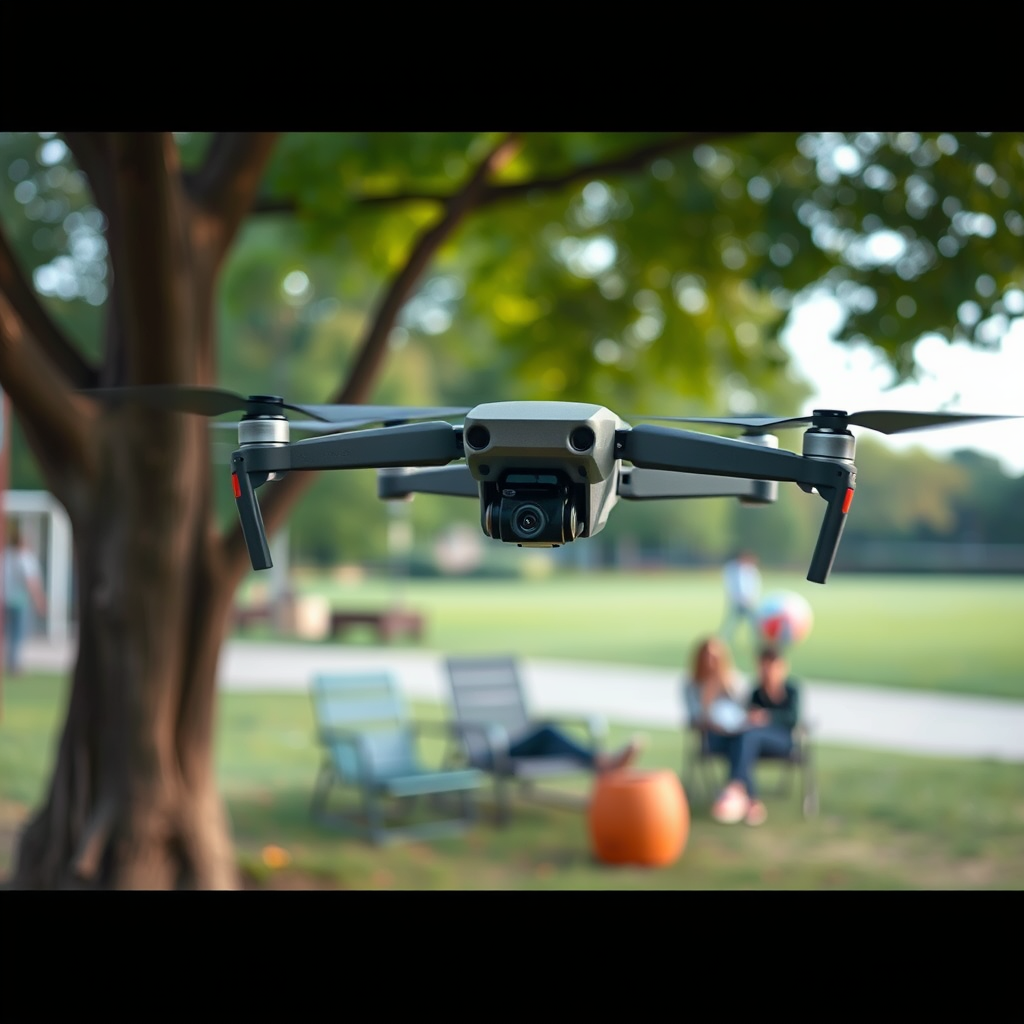
Yes, you can generally fly your drone in a public park, but there are specific rules and regulations you must follow. Each park may have its own guidelines, and federal regulations set by the Federal Aviation Administration (FAA) also apply. Being informed about these rules is essential for a safe and enjoyable flying experience while respecting the rights and safety of others.
Understanding Local Regulations
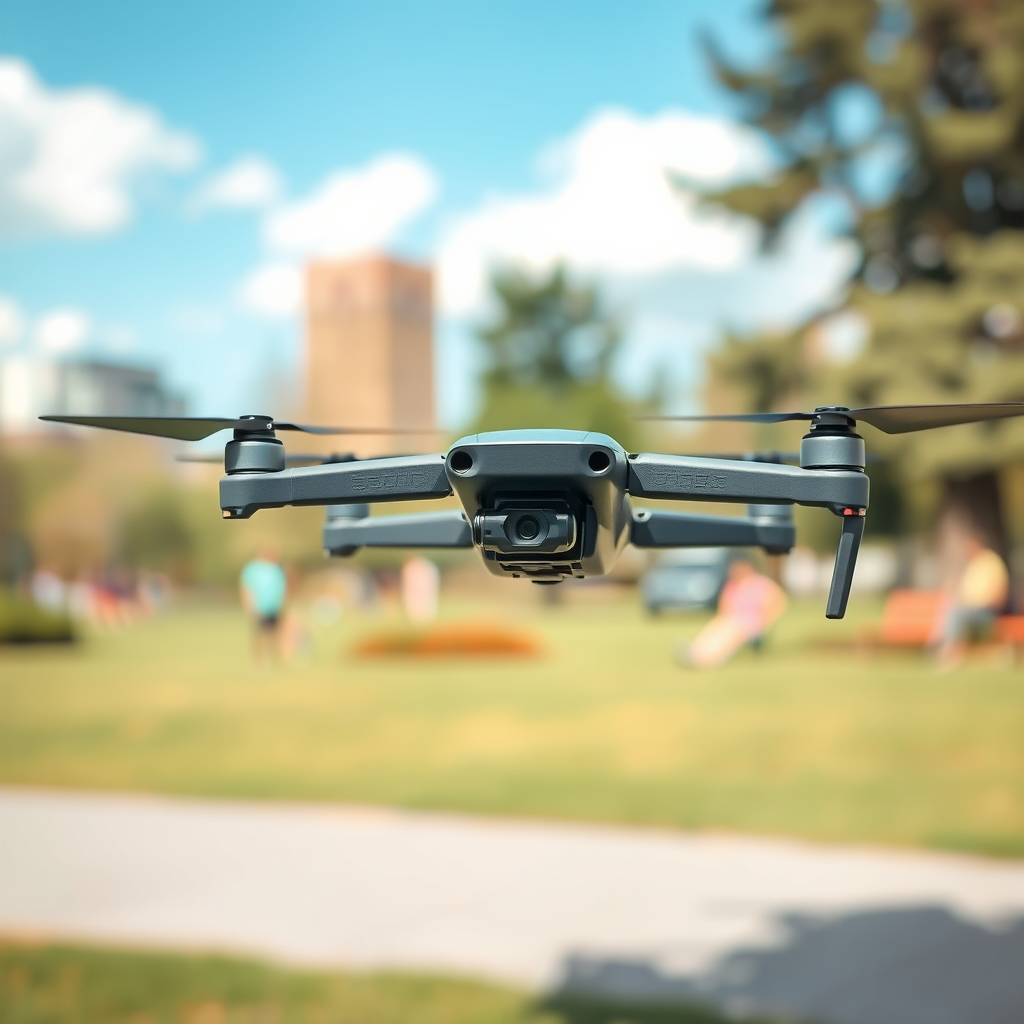
Before you take to the skies, it is crucial to research local laws regarding drone use in public parks. Many municipalities have established specific regulations that dictate where and when drones can be flown. For instance, some parks may outright prohibit drone flights due to wildlife protection measures, noise ordinances, or safety concerns. Always check the park’s official website or contact park management for the most up-to-date information on drone regulations.
In addition to local laws, some parks may require permits for drone usage, especially if you plan to use your drone for commercial purposes, such as photography or videography. Make sure to apply for any necessary permits well in advance to avoid any surprises on the day of your flight.
Federal Aviation Administration (FAA) Guidelines
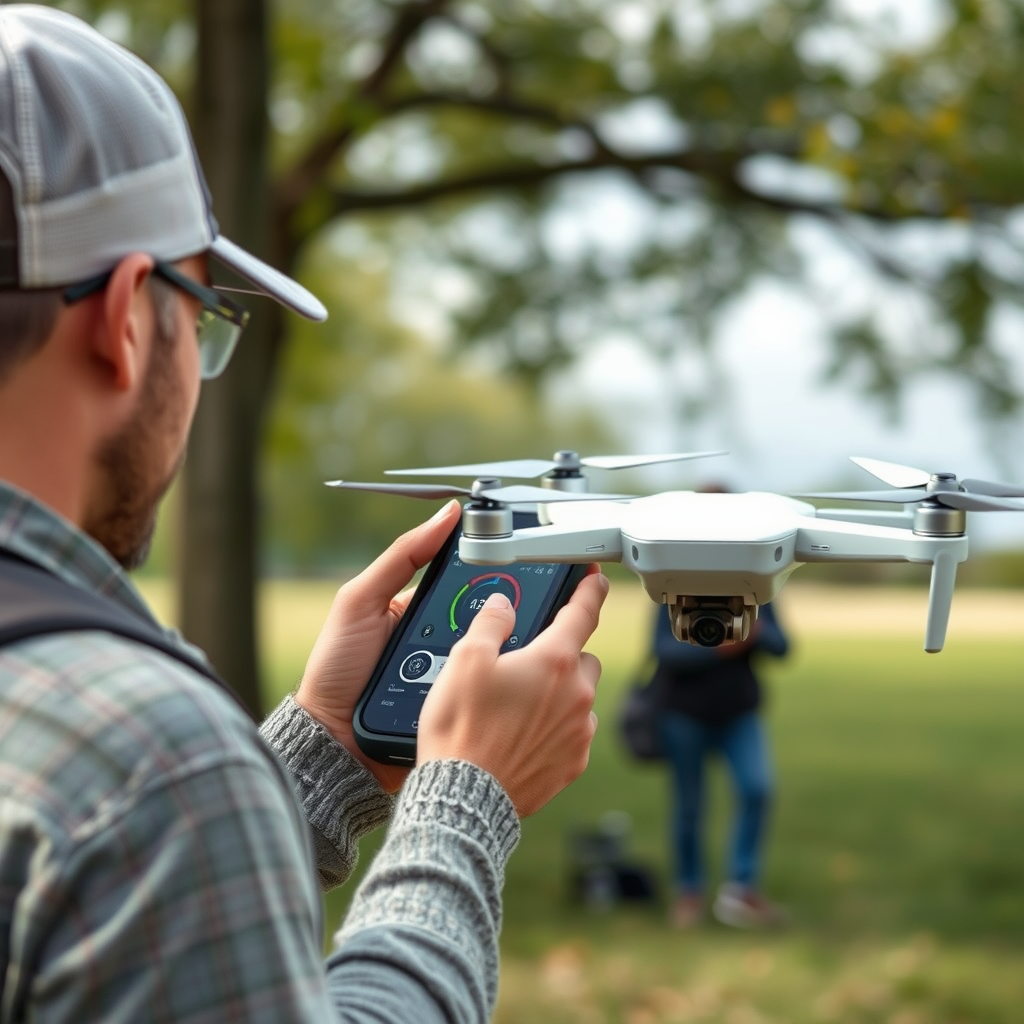
In the United States, drone operators must adhere to FAA regulations for recreational drone use. Familiarizing yourself with these guidelines is essential to ensure compliance and safety while flying. The FAA mandates that recreational drone pilots register their drones if they weigh more than 0.55 pounds and less than 55 pounds. This registration process is straightforward and can be completed online.
Moreover, the FAA imposes altitude limits of 400 feet above ground level and requires pilots to avoid flying in controlled airspace without permission. Public parks may often be located near these restricted airspaces, so it’s important to check the airspace classification in relation to the park you intend to fly in. Utilizing tools like the FAA’s B4UFLY app can help you determine whether the airspace is appropriate for drone flight.
Safety Considerations
Safety should always be a top priority when flying drones in public spaces. It is crucial to maintain a safe distance from people, animals, and sensitive areas such as playgrounds or picnic sites. The FAA recommends keeping a minimum distance of 25 feet from individuals not involved in the operation of the drone, and being mindful of wildlife, particularly in habitats where they might be nesting or feeding.
Additionally, always keep your drone within visual line of sight during flight. This practice not only complies with FAA regulations but also allows you to maintain control of your drone and avoid potential collisions. If your drone has GPS capabilities, it can help you with navigation, but visual awareness is paramount.
Respecting Privacy
When flying your drone, it is essential to respect the privacy of others. Avoid flying over private property or capturing images of individuals without their consent. Many park visitors expect a level of privacy while enjoying their day out, and drones equipped with cameras can inadvertently invade that space. Being aware of park visitors and their rights to privacy while you fly is a fundamental aspect of responsible drone operation.
Furthermore, consider the ethical implications of capturing and sharing images taken in public spaces. If you intend to use aerial photography for commercial purposes, obtaining explicit permission from those featured in your shots is not only courteous but often legally required.
Best Practices for Flying Drones in Parks
To ensure a smooth flying experience, adhere to best practices for drone operation. First, fly during designated hours to minimize disturbances to wildlife and other park visitors. Many parks have specific times when drone usage is allowed, typically outside of peak hours when foot traffic is lower.
Utilizing a pre-flight checklist can also enhance safety and ensure that your drone is in good working condition. Check battery levels, ensure that all components are functioning correctly, and calibrate your drone before takeoff. Familiarize yourself with the surroundings of the park, including any potential hazards such as trees, power lines, or water bodies, which could pose risks during flight.
Additionally, consider joining local drone clubs or online forums where you can learn from experienced pilots. These communities often share valuable insights about specific parks and can offer tips on navigating regulations effectively.
Consequences of Non-Compliance
Failing to comply with drone regulations can have serious consequences. Many parks enforce strict rules, and violating them could lead to fines or the confiscation of your drone. The penalties for non-compliance can vary widely depending on the jurisdiction, with fines ranging from a few hundred to several thousand dollars.
Moreover, park rangers or local law enforcement may intervene if they observe unsafe or intrusive drone flying. Being approached by authorities can not only ruin your flying experience but also lead to legal repercussions. Educating yourself about the rules before you fly is the best way to avoid these unpleasant situations.
In conclusion, while flying your drone in a public park is often permitted, adhering to local regulations and safety guidelines is essential. Understanding both the local laws and FAA regulations, maintaining a safe distance from people and wildlife, and respecting the privacy of others are crucial for a positive drone-flying experience. Always stay informed and be respectful to ensure that everyone enjoys the beauty of public parks, both from the ground and the sky.
Frequently Asked Questions
Can I fly my drone in a public park without permission?
Flying a drone in a public park often requires adherence to specific regulations, which can vary by location. Generally, you should check with local park authorities or the city’s regulations regarding drone use. Some parks may have designated areas for drone flying, while others may prohibit it entirely to ensure the safety and comfort of visitors.
What are the rules for flying a drone in a public park?
The rules for flying a drone in a public park typically include maintaining visual line-of-sight with your drone, flying below 400 feet, and avoiding crowded areas. Additionally, you must respect privacy, avoid wildlife, and comply with any specific park regulations or restrictions. Always consult the Federal Aviation Administration (FAA) guidelines and local laws before flying your drone.
Why do some public parks prohibit drone flying?
Many public parks prohibit drone flying to ensure the safety and enjoyment of all visitors, protect wildlife habitats, and prevent disruptions to natural landscapes. Drones can be noisy and intrusive, potentially scaring off animals and disturbing other park-goers. These regulations help maintain a peaceful environment while balancing recreational activities.
How can I find public parks that allow drone flying?
To find public parks that allow drone flying, start by researching local regulations through the park’s official website or contact the park authority directly. You can also look for drone-friendly communities or forums where enthusiasts share information about parks that permit drone usage. Websites like the FAA’s UAS Data & Research page can provide additional guidance on drone laws and designated areas.
What should I do if a park ranger asks me to stop flying my drone?
If a park ranger asks you to stop flying your drone, it’s essential to comply immediately and respectfully. Park rangers enforce regulations to ensure safety and protect the park’s environment. Afterward, you can ask for clarification on the park’s drone policy and any steps you can take to legally fly your drone in the future, which may involve obtaining a permit or flying in designated areas.
References
- https://www.faa.gov/uas/getting_started/where_to_fly
- https://www.nps.gov/subjects/drones/index.htm
- https://www.ama-cycle.org/
- https://www.dronepilotgroundschool.com/drone-flying-in-parks-rules-and-regulations/
- https://www.washingtonpost.com/technology/2021/08/25/drone-parks-rules/
- https://www.nytimes.com/2021/06/17/technology/drones-parks.html
- https://www.faa.gov/uas/faq/
