

Yes, you can fly your drone in some state parks, but there are specific regulations and restrictions you need to follow. The rules governing drone usage can vary significantly from one state park to another, influenced by factors such as wildlife conservation, visitor safety, and park management policies. Therefore, it is crucial to conduct thorough research on local regulations before planning your drone flight to ensure compliance and avoid any potential penalties.
Understanding State Park Regulations
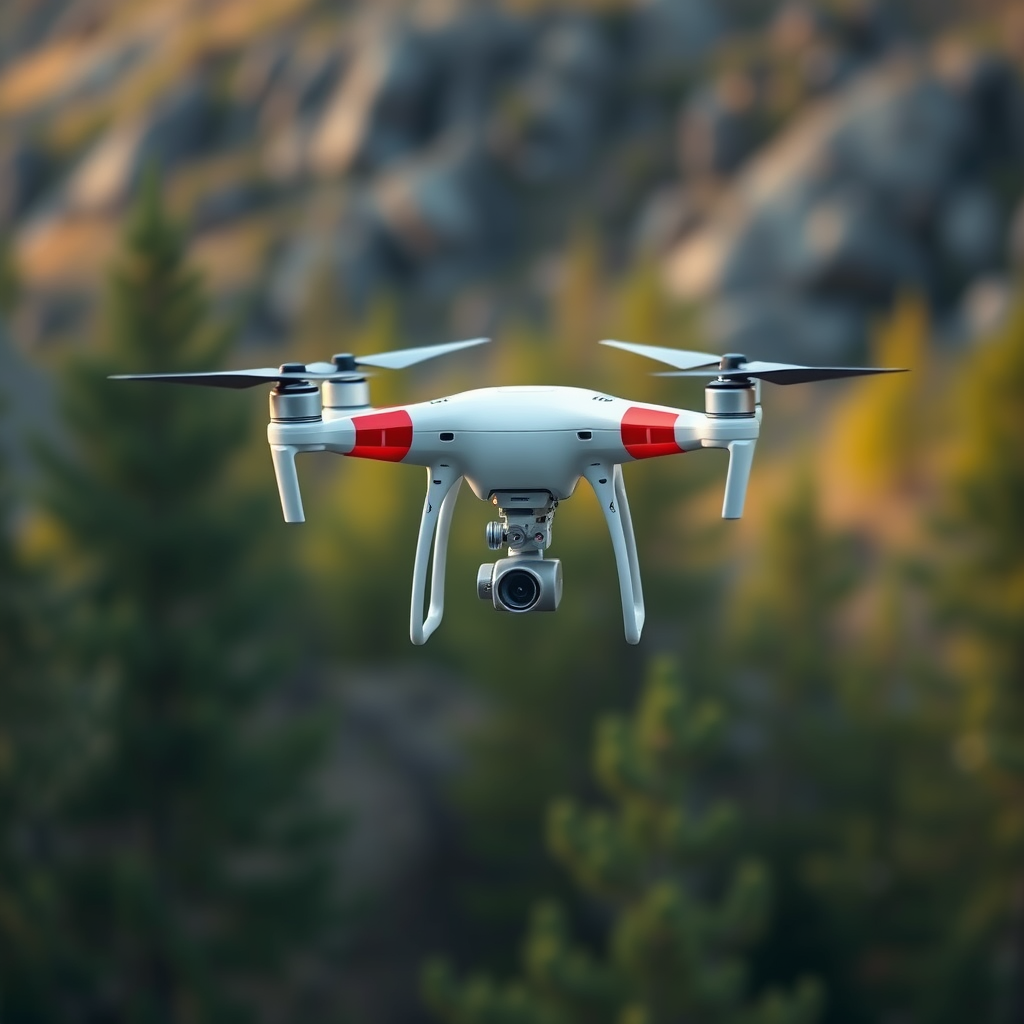
Different state parks have varying rules concerning drone operations, and some may outright prohibit flying drones on their premises. This variability often stems from the unique environmental conditions and visitor dynamics present within each park. For instance, parks that are home to endangered species may impose stricter regulations to prevent disturbances to wildlife. Similarly, parks that attract large numbers of visitors might limit drone flights to maintain a tranquil environment for all guests.
It is important to note that regulations may not only be formulated at the state level but can also be influenced by federal guidelines. While some parks may allow drone flights, they might impose specific zones where flying is permitted and others where it is strictly forbidden. Always verify the park’s official guidelines before your visit to ensure that your plans align with their regulations.
Federal Aviation Administration (FAA) Guidelines
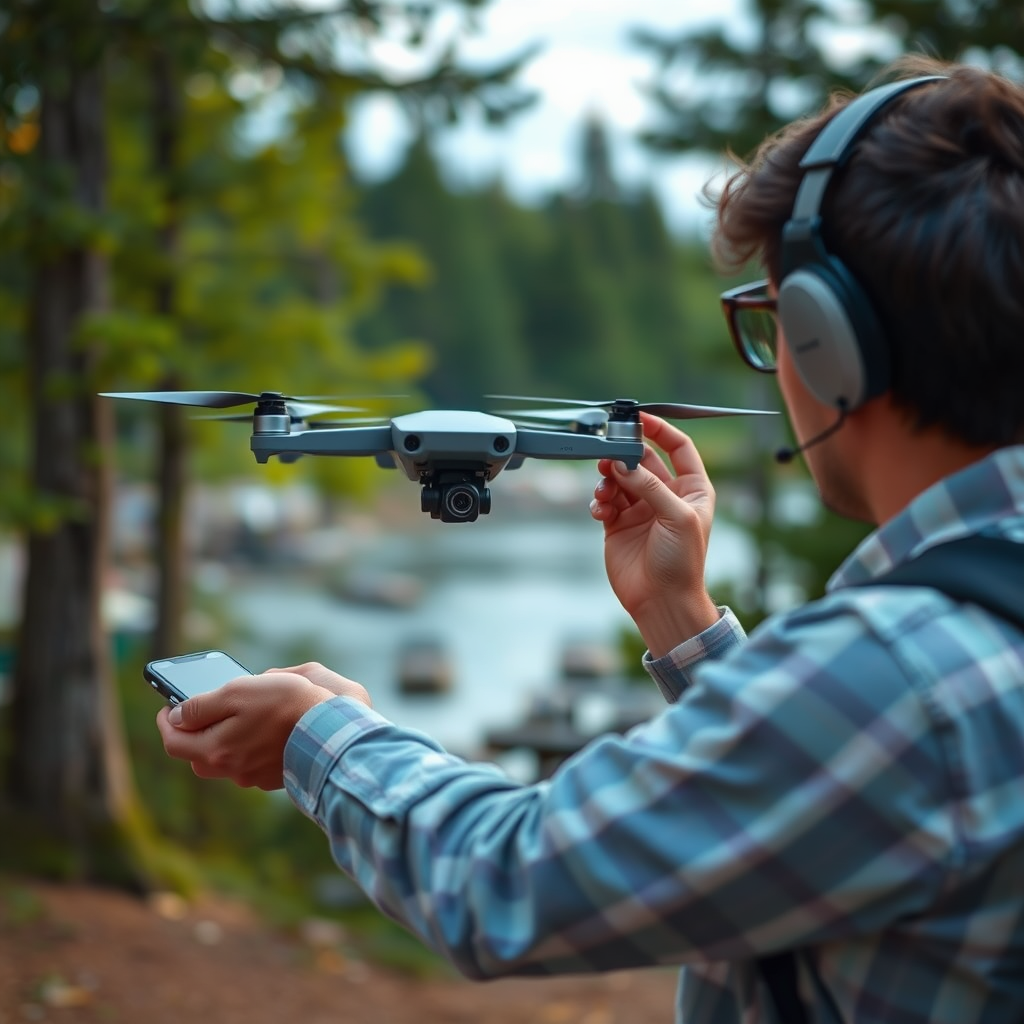
In addition to state park regulations, drone operators must comply with Federal Aviation Administration (FAA) guidelines. The FAA mandates that drones be flown below 400 feet and within the operator’s line of sight at all times. This reduces the risk of collisions with manned aircraft and ensures safer operations within the national airspace.
Moreover, all drones weighing over 0.55 pounds must be registered with the FAA. Registration is a straightforward process that can be completed online, and it involves a nominal fee. By registering your drone, you not only comply with federal law but also gain a better understanding of the responsibilities that come with operating a drone. Familiarizing yourself with FAA guidelines is essential, as violations can lead to substantial fines and, in severe cases, criminal charges.
Common Restrictions to Be Aware Of
When planning to fly your drone in state parks, it is crucial to be aware of common restrictions that may apply. One significant factor is the presence of no-fly zones. These zones are typically established around sensitive areas such as wildlife habitats, historical landmarks, and critical infrastructure. For example, many state parks prohibit drone flights near nesting sites for birds or other wildlife to minimize disturbances during crucial periods.
Additionally, some parks may impose time restrictions, dictating when drone operations are allowed. These restrictions could limit drone flying to certain hours of the day, often to avoid interference with park activities or to protect wildlife during specific times, such as early morning or late evening. Always inquire about these restrictions before your visit, as they can vary even within the same state.
How to Find State Park Drone Policies
Finding specific drone policies for state parks is essential for ensuring compliance and enhancing your flying experience. The most reliable source of information is the official website of the state park you plan to visit. Here, you can typically find a dedicated section for park rules and regulations, including any drone-specific policies.
If the website does not provide the necessary information, consider contacting park authorities directly. Park rangers or administrative staff can provide the most accurate and up-to-date information regarding drone flying, including any recent changes to regulations. Additionally, they can inform you of any ongoing studies or conservation efforts that might affect your ability to fly your drone.
Tips for Responsible Drone Flying
Flying a drone responsibly is not only about adhering to regulations; it also involves being considerate of other park visitors and the environment. Here are several tips to ensure that your drone flying is safe and respectful:
1. Mind Other Visitors: Always be aware of your surroundings and avoid flying your drone over crowded areas or where people are gathered. Drones can be disruptive and potentially dangerous if they malfunction.
2. Protect Wildlife: Keep your drone at a safe distance from wildlife. Many animals can become agitated or stressed by the presence of drones, which can disrupt their natural behaviors.
3. Fly Safely: Before taking off, ensure that you have a clear flight plan and are familiar with the drone’s controls. Conduct pre-flight checks to ensure that your equipment is functioning correctly.
4. Stay Informed: Be aware of local weather conditions, as adverse weather can affect drone performance and safety. High winds, rain, or low visibility can pose risks to both your drone and the surrounding environment.
Consequences of Violating Drone Laws
Failing to adhere to drone laws can have serious consequences. Violations can result in fines, which vary depending on the severity of the infraction and local regulations. In some cases, park authorities may confiscate your drone if you are found operating it in restricted areas. Repeat offenders can face even harsher penalties, including potential criminal charges or a ban from the park.
Beyond legal repercussions, violating drone regulations can have broader implications. It may contribute to negative perceptions of drone users, leading to increased restrictions for all operators in state parks. Therefore, it is imperative to respect the rules and fly your drone responsibly to foster a positive environment for all park visitors.
In conclusion, while flying your drone in a state park may be possible, it is crucial to understand and adhere to both state and federal regulations. Each park may have its own specific rules influenced by environmental conservation needs and visitor safety concerns. By researching local policies, following FAA guidelines, and practicing responsible flying, you can enjoy a safe and rewarding drone experience that respects the natural beauty and tranquility of state parks.
Frequently Asked Questions
Can I fly my drone in a state park without permission?
Generally, flying a drone in a state park requires permission from the relevant authorities. Most state parks have specific regulations regarding drone use to protect wildlife, ensure visitor safety, and maintain the natural environment. It’s crucial to check the park’s official website or contact park management for detailed guidelines and to obtain any necessary permits before flying.
What are the regulations for flying drones in state parks?
Regulations for flying drones in state parks can vary significantly by location. Common restrictions include altitude limits, no-fly zones (especially near wildlife or sensitive areas), and requirements for prior authorization. Always refer to the state park’s website or consult the local laws to understand the specific regulations that apply to drone operations in that area.
Why are drones often prohibited in state parks?
Drones are often prohibited in state parks to protect wildlife habitats, minimize disturbances to visitors, and maintain the natural ambiance of the park. The noise and visual impact of drones can disrupt wildlife, particularly during breeding seasons, and can detract from the experience of other park-goers. These regulations aim to balance recreational drone use with conservation efforts.
How can I find state parks that allow drone flying?
To find state parks that permit drone flying, start by researching individual state park websites or checking state-specific drone regulations. Websites like the U.S. National Park Service and state recreation departments often provide lists of parks with drone-friendly policies. Additionally, drone enthusiast forums and local flying groups can be valuable resources for discovering parks that welcome drone enthusiasts.
What should I do if I see someone flying a drone in a state park illegally?
If you encounter someone flying a drone illegally in a state park, it’s best to report the activity to park authorities rather than confronting the individual directly. Most state parks have designated personnel who can address violations of park regulations. Providing details such as the location, time, and description of the drone can help park rangers take appropriate action to enforce regulations and protect the park’s natural resources.
References
- https://www.nps.gov/subjects/drones/index.htm
- https://www.faa.gov/uas/
- https://www.wildlife.ca.gov/Conservation/Drone-Use
- https://www.nps.gov/subjects/drones/faq.htm
- https://www.mdpi.com/2504-446X/3/2/36
- https://www.wilderness.net/toolboxes/documents/drones.pdf
- https://www.parktrust.org/2021/01/27/drones-in-national-parks/
- https://www.theguardian.com/environment/2021/jul/19/drone-use-in-national-parks-what-you-need-to-know
