

Yes, you can fly your drone in your area, but there are specific regulations and considerations you need to be aware of. This quick guide will help you navigate the complex landscape of drone flying, including local laws, airspace restrictions, and safety guidelines to ensure your flying experience is both enjoyable and compliant.
Understanding Local Drone Regulations
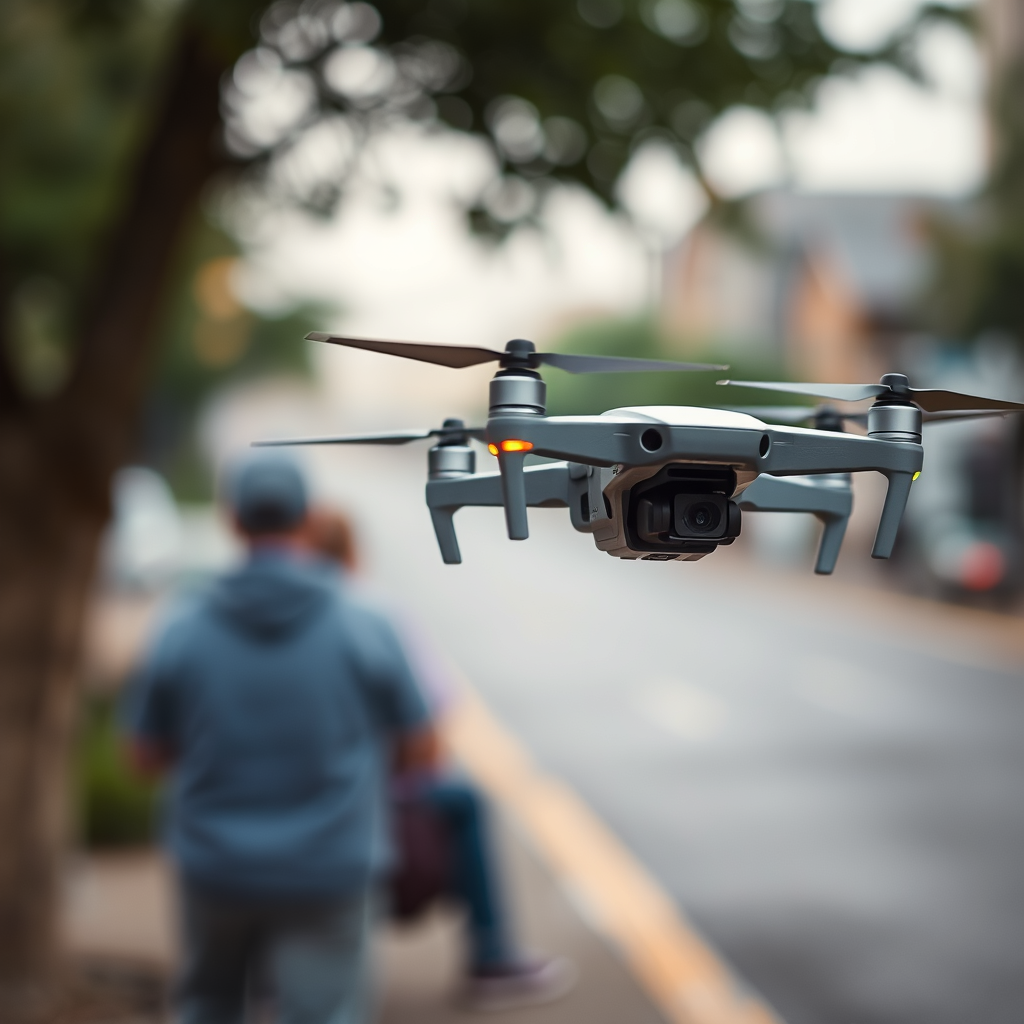
Drones have gained immense popularity over the past few years, leading to the establishment of various regulations governing their use. To fly your drone legally, it’s imperative to research and understand the local laws that apply to your area. Regulations can vary significantly not only from country to country but also at state and municipal levels. For instance, in the United States, the Federal Aviation Administration (FAA) provides overarching guidelines, but individual states may impose additional restrictions.
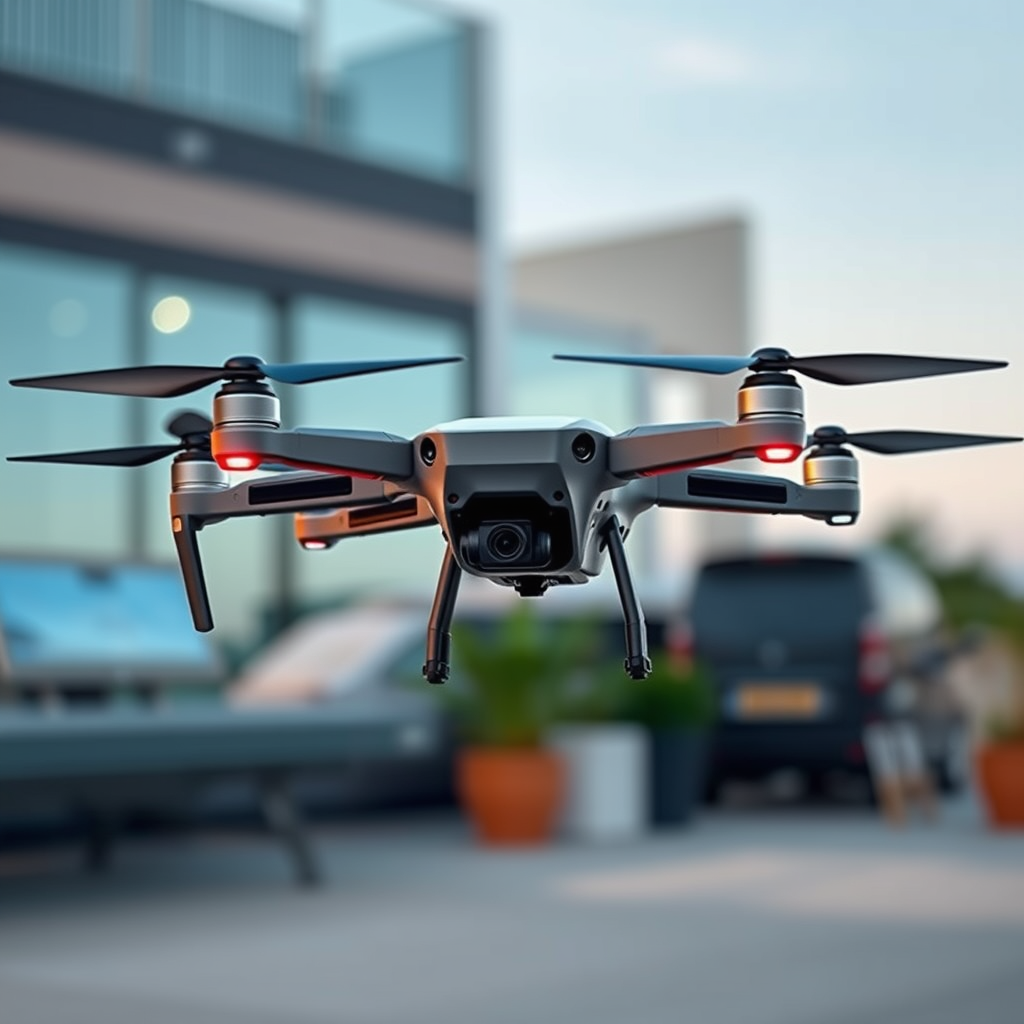
In many jurisdictions, you may be required to register your drone with local authorities, especially if it exceeds a certain weight. For example, in the U.S., drones weighing more than 0.55 pounds must be registered with the FAA. Additionally, some cities have enacted specific ordinances that limit drone usage in public parks or near sensitive areas like schools and hospitals. Therefore, it’s wise to consult your local government websites or contact local aviation authorities to ensure you are fully informed.
Airspace Restrictions
Airspace is divided into various categories, each with its own set of rules regarding drone operations. Familiarizing yourself with controlled and restricted airspaces in your vicinity is crucial for safe flying. Controlled airspace, typically surrounding airports, has specific altitude limits and requires authorization from air traffic control for drone flights. Restricted airspace may include military bases or areas designated for other critical operations where drone flights are prohibited altogether.
To simplify this process, several apps and online resources can help drone operators identify no-fly zones. Applications such as B4UFLY and AirMap provide real-time information about airspace restrictions and can alert you when you are approaching a no-fly zone. Understanding these limitations will not only keep you compliant with regulations but also help you avoid potentially dangerous situations.
Safety Guidelines for Drone Operation
When operating a drone, safety should always be your primary concern. To ensure a safe flying experience, it is essential to keep your drone within your line of sight at all times. This practice not only helps you control the drone more effectively but also allows you to avoid obstacles and other aircraft.
Moreover, maintaining a safe distance from people, buildings, and vehicles is critical. The FAA recommends flying drones at least 25 feet away from individuals not involved in the operation, and many local laws enforce stricter distances. This is particularly important in urban areas, where the potential for accidents is higher due to the density of people and structures. Conducting pre-flight checks and ensuring that your drone is in good working condition before takeoff can further mitigate risks.
Drone Insurance and Liability
As a responsible drone operator, it is prudent to consider obtaining liability insurance. This type of insurance can cover potential damages or accidents that may occur while flying your drone. For instance, if your drone inadvertently crashes into a vehicle or causes injury to a person, liability insurance can help cover the costs associated with the incident.
Understanding your responsibilities as a drone operator is also crucial. In the event of an accident, you may be held liable for any damages caused by your drone, which can lead to significant financial implications. Therefore, investing in insurance not only provides peace of mind but also protects you against unforeseen circumstances.
Community Guidelines and Best Practices
Engaging with the drone community can provide invaluable insights and experience for both novice and seasoned pilots. Joining local drone clubs or online forums can help you connect with fellow enthusiasts who can share knowledge about local regulations, flying techniques, and the latest advancements in drone technology. These communities often host meet-ups, workshops, and flying events that can enhance your skills and understanding of safe drone operation.
Moreover, it is vital to respect the privacy of others when flying your drone. Avoid flying over private property without obtaining permission from the landowner, as this can lead to legal disputes. Being a good neighbor and respecting the rights of others will not only improve public perception of drone users but also foster a more cooperative environment for all drone enthusiasts.
Resources for Drone Pilots
A wealth of resources is available to assist drone pilots in planning their flights and staying informed about airspace regulations. Utilizing online tools and mobile applications can aid in flight planning and help you remain aware of any changing regulations. For instance, the FAA’s website offers a range of educational materials and resources for drone operators, including guidelines, FAQs, and links to registration services.
Additionally, keeping yourself updated on advancements in drone technology can improve your flying experience. New features, such as obstacle avoidance systems and enhanced GPS capabilities, can make flying safer and more enjoyable. Participating in webinars, reading industry blogs, and subscribing to drone-related newsletters can also keep you informed about the latest trends and developments in the drone industry.
In conclusion, while you can fly your drone in your area, it is essential to be aware of and comply with local regulations and safety practices. Understanding the intricacies of local laws, airspace restrictions, and operational guidelines will help you enjoy your drone flying adventures while prioritizing safety and respect for others. By remaining informed and engaged with the drone community, you can contribute positively to the growing world of drone enthusiasts and ensure a rewarding flying experience.
Frequently Asked Questions
What are the regulations for flying a drone in my area?
Regulations for flying a drone vary by location and can be influenced by federal, state, and local laws. In the United States, the Federal Aviation Administration (FAA) sets the primary guidelines, which include flying below 400 feet, maintaining visual line of sight, and avoiding restricted airspace. It’s essential to check local ordinances or consult your municipality’s website for any specific rules regarding drone usage in parks, residential areas, or near airports.
How can I find out if there are no-fly zones near me?
To determine if there are no-fly zones in your area, you can use online tools like the FAA’s B4UFLY app or the AirMap website. These platforms provide real-time data on airspace restrictions, including temporary flight restrictions (TFRs) and controlled airspace. Additionally, local aviation authorities often publish maps and guidelines that outline restricted areas where flying drones is prohibited.
Why is it important to check drone regulations before flying?
Checking drone regulations before flying is crucial to ensure compliance with local and national laws, which can help prevent legal penalties and fines. Moreover, understanding these regulations protects the safety of people and property on the ground, as well as other aircraft in the sky. Violating airspace restrictions can lead to serious consequences, including the confiscation of your drone and potential criminal charges.
What should I do if I encounter a restriction while flying my drone?
If you encounter a restriction while flying your drone, the best course of action is to land your drone immediately and assess the situation. Use your drone’s app or a mapping tool to confirm the airspace status and determine if you are in a no-fly zone or if there are temporary restrictions in place. After landing, you can adjust your flight plan or choose a different location that complies with the regulations.
Which drone apps can help me navigate airspace regulations effectively?
Several drone apps can aid in navigating airspace regulations effectively, including B4UFLY, AirMap, and DJI Fly. These apps provide essential information about airspace classifications, no-fly zones, and real-time updates on temporary flight restrictions. By utilizing these tools, you can ensure safe and compliant drone operations, making your flying experience both enjoyable and legal.
References
- https://www.faa.gov/uas/getting_started/fly_for_fun
- https://www.nasa.gov/feature/nasa-drone-flyers-need-to-know-where-they-can-fly
- https://www.knowbeforeyoufly.org/
- https://www.faa.gov/uas/where_to_fly/
- https://www.nationalgeographic.com/science/article/drone-flying-rules-regulations
- https://www.ama-flights.com/
- https://www.dronelawjournal.com/
- https://www.wildlife.ca.gov/Conservation/Drone-Use
- https://www.abc.net.au/news/2021-09-14/drone-rules-flying/100494830
