

Yes, you can generally fly your drone in your backyard, but there are important regulations and safety considerations you must follow. Understanding the rules and best practices will help ensure a safe and enjoyable flying experience. As drone technology continues to evolve, it becomes increasingly accessible for hobbyists and enthusiasts alike to explore the skies. However, with this newfound freedom comes the responsibility to adhere to local and federal regulations that govern drone usage, particularly in residential areas. This guide will provide you with essential information to navigate these regulations and optimize your backyard flying experience.
Understanding Local Regulations
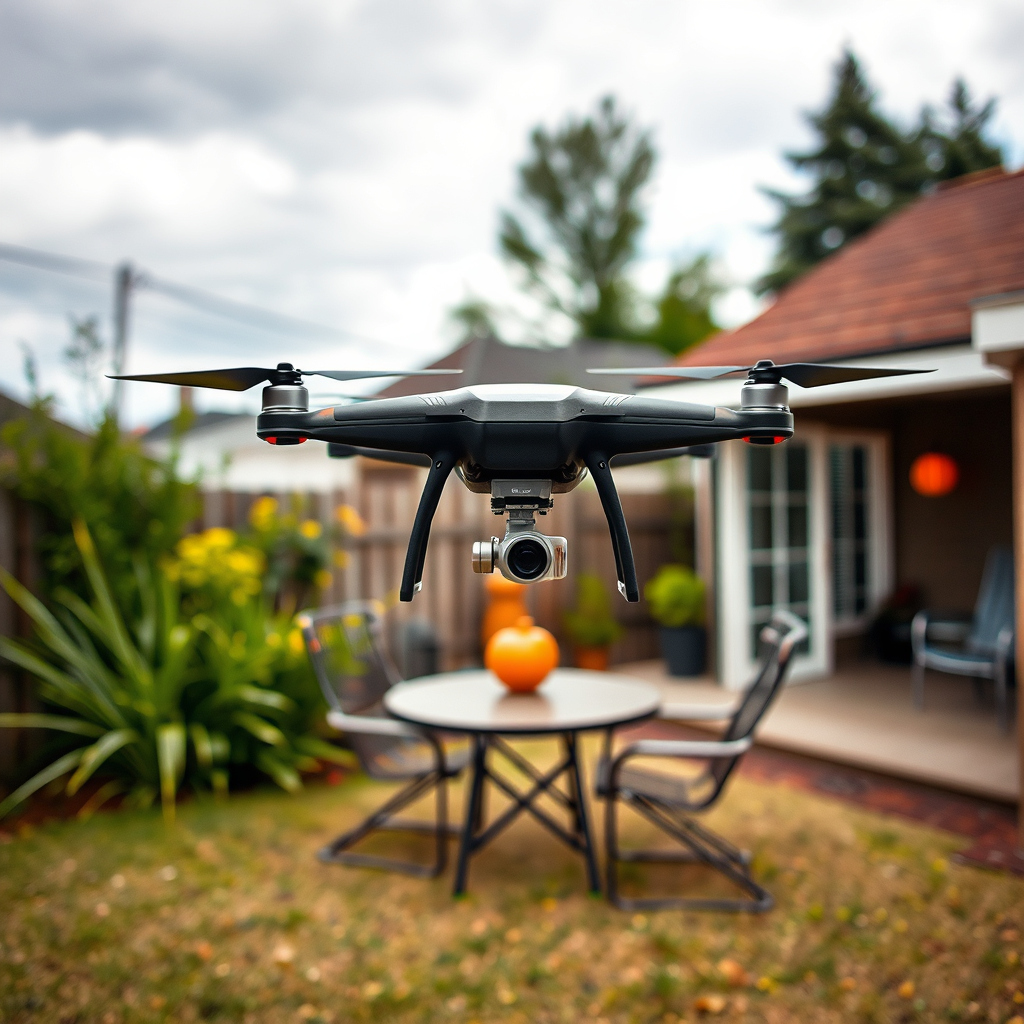
Before you launch your drone into the sky, it is imperative to research the local laws regarding drone usage in residential areas. Different states and municipalities may have specific rules that dictate where and when you can fly your drone. For instance, some cities may require drone operators to obtain a permit or to adhere to specific flying height restrictions. Additionally, it’s important to check for any designated no-fly zones nearby, such as those around airports, schools, or hospitals, as flying in these areas can result in significant fines and legal repercussions.
To effectively navigate local regulations, consider visiting your city or county’s official website or consulting with the local law enforcement agency. Resources like the FAA’s UAS Data Delivery System can also provide insights into local airspace restrictions. Being informed about these regulations not only ensures compliance but also fosters a respectful relationship with your neighbors and the community at large.
Federal Aviation Administration (FAA) Guidelines
In the United States, the Federal Aviation Administration (FAA) plays a crucial role in regulating drone flights. If you’re flying your drone for recreational purposes, you must familiarize yourself with the FAA’s recreational flying guidelines. These guidelines stipulate that recreational flyers must fly their drones at or below 400 feet and within visual line of sight. Furthermore, if your drone weighs more than 0.55 pounds (250 grams), you are required to register it with the FAA.
Registration is straightforward and can be completed online in a matter of minutes. Once registered, you will receive a unique registration number that must be displayed on your drone. Adhering to these FAA guidelines is essential not just for compliance, but also for ensuring the safety of the airspace around you.
Safety Considerations
Safety should always be a paramount concern when flying your drone, particularly in a backyard setting. One of the key safety practices is to maintain a visual line of sight with your drone at all times. This means you should always be able to see your drone without the use of binoculars or other visual aids. This practice is crucial for avoiding collisions with obstacles such as trees, power lines, and buildings, as well as for ensuring the safety of people and animals in the vicinity.
Moreover, it is advisable to avoid flying over people or private properties without explicit permission. Not only does this respect the privacy of others, but it also reduces the risk of potential accidents. In case of a malfunction, flying over populated areas can lead to damage or injury, which could carry significant legal implications. To further enhance safety, consider flying during times when there are fewer people outdoors, such as early mornings or weekdays.
Choosing the Right Time to Fly
The time of day can significantly impact the safety and enjoyment of your drone flying experience. Ideally, you should consider flying during daylight hours when visibility is optimal. Early mornings or late afternoons when the sun is lower in the sky can provide stunning lighting conditions for aerial photography, but it is crucial to avoid flying too early or too late to prevent visibility challenges.
Additionally, weather conditions play a vital role in determining whether it is safe to fly. Windy conditions can affect drone stability, while rain or snow can damage your equipment. Always check the weather forecast before heading out; apps and websites that specialize in drone weather conditions can provide useful information on wind speeds, precipitation, and even airspace advisories.
Insurance and Liability
Although flying your drone in your backyard can be a fun and exhilarating experience, it also comes with potential risks. To protect yourself against unforeseen events, it’s wise to look into drone insurance options. Many insurance providers now offer specialized drone insurance that covers damages to your drone, third-party liability for injuries or property damage, and even theft.
Understanding your liability in case of accidents or injuries is crucial. If your drone were to crash and cause damage to a neighbor’s property or injure someone, you could be held financially responsible. Having insurance can provide peace of mind, allowing you to enjoy your aerial adventures without the constant worry of potential liabilities.
Tips for a Successful Backyard Flight
To ensure a successful and enjoyable backyard flight experience, consider starting with short flights to become accustomed to your drone’s controls and capabilities. This practice allows you to gain confidence in maneuvering your drone while reducing the risk of accidents.
Designating a specific flight area in your backyard can also minimize risks. Choose a location that is free from obstacles and away from crowded areas. Marking this zone can help you maintain focus and avoid distractions. Additionally, consider using visual aids, such as cones or flags, to outline your designated flight area.
Finally, take the time to familiarize yourself with your drone’s features and settings before your first flight. Many modern drones come equipped with safety features such as return-to-home functions and altitude limits, which can enhance your flying experience and safety.
In conclusion, flying your drone in your backyard is possible, but it requires knowledge of regulations, safety practices, and responsible flying habits. By staying informed about local laws, adhering to FAA guidelines, prioritizing safety, and considering insurance options, you can enjoy a fulfilling drone flying experience. Make sure to stay informed, respect your surroundings, and take the necessary precautions to enjoy your aerial adventures safely.
Frequently Asked Questions
Can I fly my drone in my backyard without permission?
Yes, you can generally fly your drone in your backyard as long as you adhere to local laws and regulations. The Federal Aviation Administration (FAA) allows drone use for recreational purposes, but you must fly below 400 feet and maintain visual line-of-sight. Additionally, check for any local ordinances or homeowner association rules that may impose restrictions on drone usage in residential areas.
What are the legal requirements for flying a drone in a residential area?
To legally fly a drone in a residential area, you must register your drone with the FAA if it weighs over 0.55 pounds. You should also follow the FAA’s Part 107 guidelines for commercial use or stick to the recreational rules if flying for fun. Always ensure you are not flying near airports, and respect the privacy of neighbors by avoiding overflight of their property.
How can I ensure safe drone flying in my backyard?
To ensure safe drone flying in your backyard, conduct a pre-flight check to inspect your drone’s battery, propellers, and other critical components. Choose a clear day with minimal wind, and avoid flying near people, pets, or obstacles. Implement a flight plan that keeps you within a safe distance from structures and trees, allowing for a smooth flying experience.
Why is it important to respect my neighbors when flying my drone in my backyard?
Respecting your neighbors while flying your drone is crucial to maintaining good relationships and avoiding potential conflicts. Drones can be intrusive, and flying too close to someone’s property may violate their privacy. Additionally, being considerate of noise levels and flight times can help mitigate complaints and foster a community-friendly environment for drone enthusiasts.
What are the best practices for flying a drone in a small backyard?
The best practices for flying a drone in a small backyard include planning your flight path to avoid obstacles and ensuring enough space for takeoff and landing. Fly in the early morning or late afternoon when wind conditions are usually calmer, and keep flight durations short to avoid battery depletion. Familiarize yourself with the capabilities of your drone to maximize safety and enjoyment, especially in confined spaces.
References
- https://www.faa.gov/uas/getting_started/fly_for_fun
- https://www.nasa.gov/feature/nasa-drone-flying-rules
- https://www.wired.com/story/guide-to-flying-drones/
- https://www.theguardian.com/technology/2021/sep/27/drone-regulations-uk
- https://www.nytimes.com/2021/03/18/technology/drone-flying-regulations.html
- https://www.dronepilotgroundschool.com/drone-flying-rules/
- https://www.ncbi.nlm.nih.gov/pmc/articles/PMC6461544/
