

Yes, you can generally fly your drone in your garden, provided you follow local regulations and guidelines. Drones have become increasingly popular for hobbyists and professionals alike, and utilizing them in private spaces such as gardens can be an enjoyable and fulfilling experience. However, to ensure a safe and legal flight, it is crucial to consider factors such as safety, privacy, and any applicable legal restrictions before launching your drone.
Understanding Local Regulations
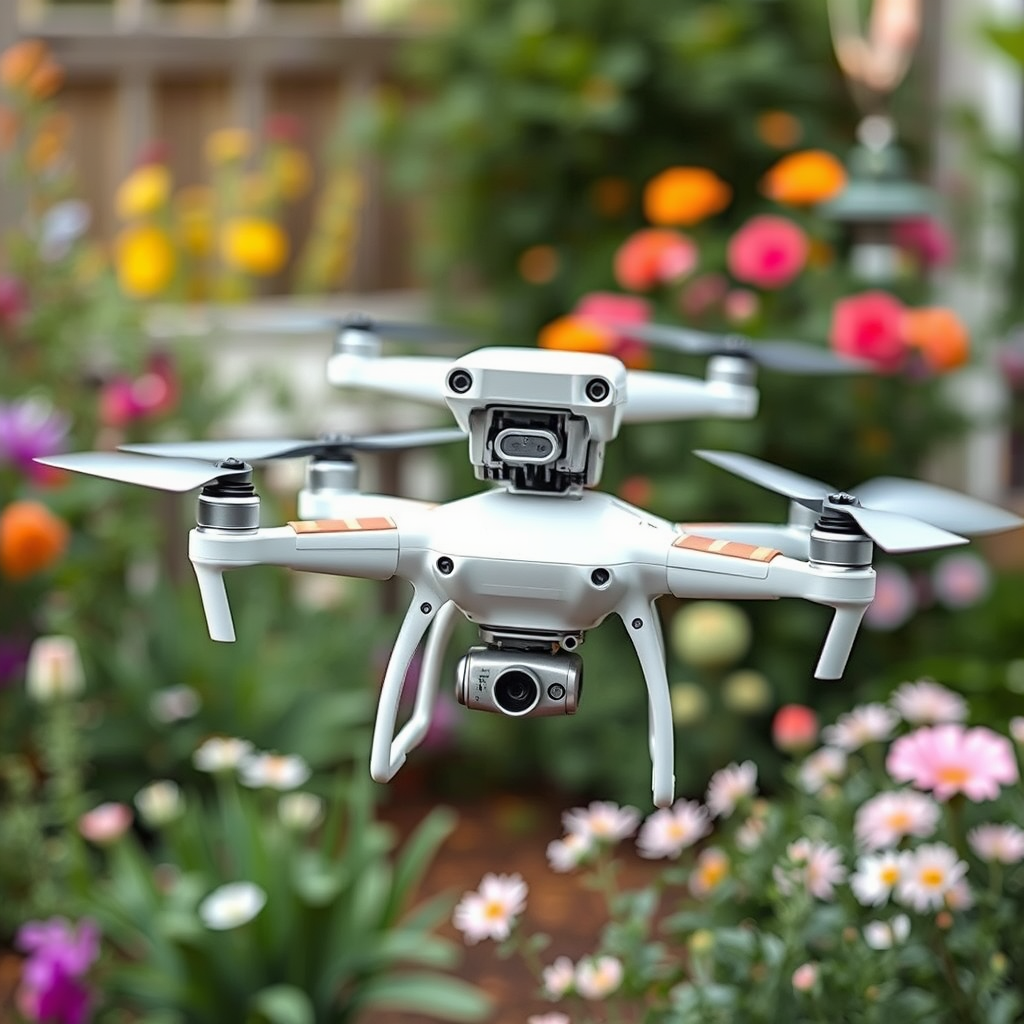
When it comes to flying drones, understanding local regulations is paramount. In many countries, aviation authorities have established specific laws governing the use of drones. For example, in the United States, the Federal Aviation Administration (FAA) regulates drone flights and requires owners to register their drones if they weigh more than 0.55 pounds. Moreover, drone operators must adhere to the guidelines outlined in Part 107, which includes keeping the drone within visual line of sight, flying below 400 feet, and avoiding flying over people.
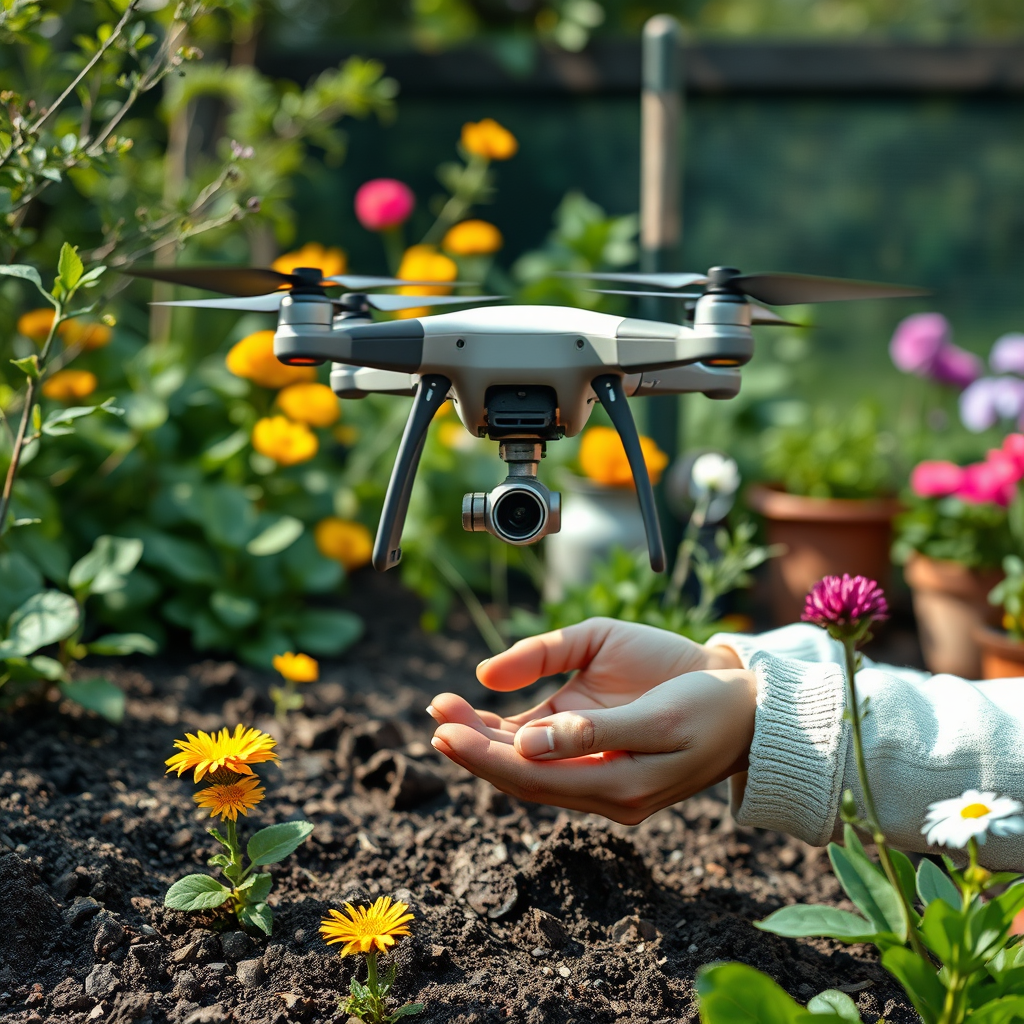
In addition to national regulations, it is essential to research local ordinances that may impose further restrictions. Some municipalities have enacted laws that limit drone usage in residential areas, particularly if the drone is seen as a nuisance or privacy invasion. Checking with your local government or community board can provide clarity on whether there are specific guidelines you need to follow.
Safety Considerations
Safety is a critical aspect of flying drones, especially in residential areas. Before launching your drone, assess the flying environment for potential hazards. Look for obstacles such as trees, power lines, and buildings that could pose challenges during flight. A well-planned flight path that avoids these obstacles can significantly reduce the risk of accidents.
Furthermore, maintaining line of sight is essential for safe flying. The FAA and other aviation authorities recommend that drone pilots keep their drones within visual range at all times, which helps in avoiding collisions and allows for better control. In addition to visual contact, consider the use of drone safety features such as obstacle avoidance systems and emergency landing protocols to enhance safety during your flights.
Privacy Issues
Respecting the privacy of your neighbors is another important consideration when flying a drone in your garden. Drones can unintentionally invade the privacy of individuals on adjacent properties, particularly if they are equipped with cameras. It is advisable to avoid flying your drone directly over someone else’s property without obtaining their permission first. This not only demonstrates good neighborly conduct but also prevents potential conflicts or legal issues.
If your drone is equipped with a camera, be particularly cautious about what you are filming. Many drones offer high-definition video capabilities, and while capturing stunning aerial views can be tempting, it is crucial to remain mindful of the privacy of others. Always prioritize ethical considerations and obtain consent if you plan to capture images or videos that may include people or private property.
Ideal Conditions for Flying
To ensure the best flying experience, it is important to choose the right conditions for your drone flights. Weather plays a significant role in drone performance, so aim to fly during clear weather with minimal wind. Strong winds can affect the drone’s stability and control, making it challenging to maneuver. Ideal conditions generally include sunny days with low wind speeds, typically below 10 mph.
Additionally, consider the time of day when planning your flights. Early mornings or late afternoons often provide quieter environments, reducing the likelihood of disturbing neighbors and allowing for a more pleasant flying experience. These times also typically feature softer lighting, which can enhance the quality of any aerial photography or videography you might undertake.
Tips for a Successful Flight
Preparation is key to a successful drone flight. Before taking off, develop a pre-flight checklist to ensure that your drone is in optimal condition. This checklist should include verifying that the batteries are fully charged, the firmware is up to date, and all necessary components, such as propellers, are secure.
Familiarizing yourself with your drone’s controls is also crucial, particularly for novice pilots. Spend some time practicing basic maneuvers such as takeoff, landing, and hovering before attempting more complex flying patterns. Many drones come with flight simulation software, which can be a valuable tool for honing your skills in a risk-free environment.
Finally, consider joining local drone enthusiast groups or online forums where you can learn from experienced pilots. These communities often share valuable insights, tips, and tricks that can enhance your flying experience.
Common Drone Models for Home Use
When selecting a drone for home use, especially for garden flying, it is essential to choose a model that suits your skill level and intended use. Beginner-friendly options, such as the DJI Mini SE or the Ryze Tello, are excellent choices for newcomers. These drones are lightweight, easy to control, and designed for both indoor and outdoor flying, making them ideal for garden use.
When considering features, look for drones that come equipped with GPS capabilities, altitude hold, and return-to-home functions. These features can significantly enhance the flying experience by providing stability and safety during flights. Advanced models, such as the DJI Air 2S, offer high-quality cameras, extended flight times, and intelligent flight modes, making them suitable for enthusiasts looking to elevate their aerial photography.
Conclusion
Flying a drone in your garden can be a fun and rewarding activity, provided that you adhere to regulations and prioritize safety. Always stay informed about local laws governing drone usage and be respectful of privacy concerns, especially regarding your neighbors. By understanding the regulations, maintaining safety, and choosing the right conditions and equipment, you can enjoy your drone flights to the fullest. Ready to take to the skies? Check your drone’s settings, and enjoy your flight!
Frequently Asked Questions
Can I legally fly my drone in my garden?
Yes, you can legally fly your drone in your garden as long as you adhere to local regulations and guidelines set by aviation authorities. In many countries, flying drones for recreational purposes is allowed as long as you maintain a certain distance from people, property, and restricted airspace. Always check your local laws, as some areas may have specific restrictions or require registration for drone use.
What are the safety precautions I should take when flying my drone in my garden?
When flying your drone in your garden, ensure you follow key safety precautions to avoid accidents. Always conduct a pre-flight check to ensure your drone is in good working condition, and maintain a visual line of sight with the drone at all times. Additionally, avoid flying near power lines, trees, or over populated areas, and be mindful of local wildlife to prevent disturbances.
How can I ensure I’m not disturbing my neighbors when flying my drone in my garden?
To avoid disturbing your neighbors while flying your drone in your garden, it’s best to choose times when they are less likely to be outside, such as during working hours. Communicate with them beforehand about your plans to fly, and maintain a reasonable altitude to minimize noise. Additionally, consider flying smaller, quieter drones and limit the duration of your flights to further reduce any potential disturbances.
What is the best time of day to fly my drone in my garden?
The best time of day to fly your drone in your garden is typically early morning or late afternoon. During these times, winds are usually calmer, and the lighting is optimal for capturing high-quality aerial photos and videos. Additionally, flying during these hours can help minimize disturbances to neighbors and wildlife, ensuring a more enjoyable experience.
Which drone features are most important for flying in a small area like my garden?
When flying a drone in a small area like your garden, key features to look for include obstacle avoidance sensors, GPS stabilization, and compact size. Obstacle avoidance sensors can help prevent collisions with trees or fences, while GPS stabilization ensures smooth flight control. A compact drone is easier to maneuver in tight spaces and reduces the risk of damage to property or the drone itself.
References
- https://en.wikipedia.org/wiki/Drone_regulations
- https://www.faa.gov/uas/getting_started/
- https://www.nps.gov/subjects/drones/index.htm
- https://www.wired.com/story/drone-laws-2021/
- https://www.gov.uk/guidance/drone-privacy-and-data-protection
- https://www.nationalgeographic.com/science/article/drones-are-they-safe-and-what-are-the-rules
- https://www.theguardian.com/technology/2021/aug/10/how-to-fly-a-drone-safely-and-legally
- https://www.bbc.com/news/technology-58998050
