

Yes, you cannot fly your drone in national parks. The National Park Service (NPS) has implemented strict regulations that prohibit the use of unmanned aircraft systems (UAS) for recreational purposes. These regulations are in place to protect the natural environment, wildlife, and the overall visitor experience within these treasured landscapes. In this article, we will delve into the reasons behind these prohibitions, explore any exceptions, and provide essential information for anyone considering drone use in national parks.
Overview of National Park Drone Regulations
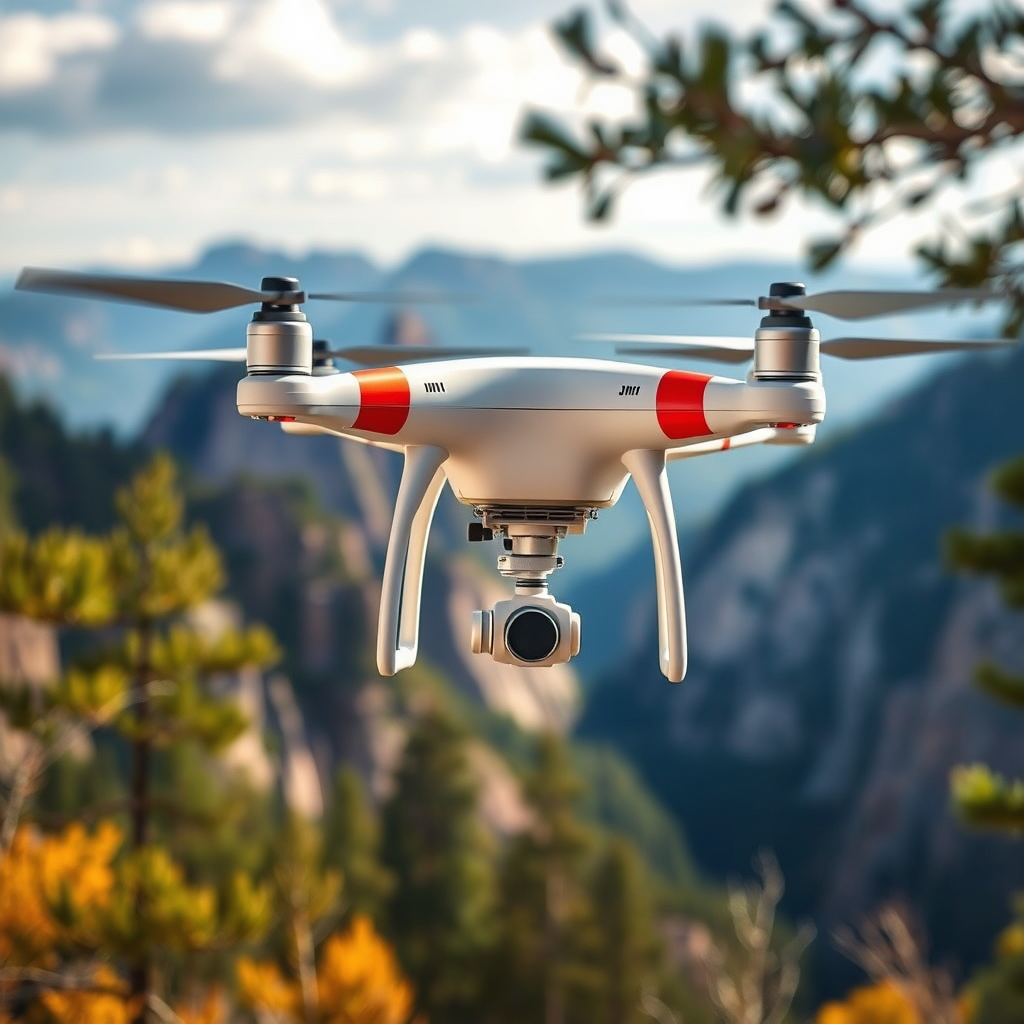
Drones are universally banned in all national parks across the United States. This prohibition is enforced by the National Park Service, which aims to uphold the scenic beauty and natural quietude of these areas. The regulations are designed to mitigate disturbances caused by drone operations, which can affect both the environment and the experience of park visitors. The NPS’s commitment to preserving the integrity of national parks is reflected in this ban, ensuring that nature remains undisturbed by the noise and activity associated with drone flights.
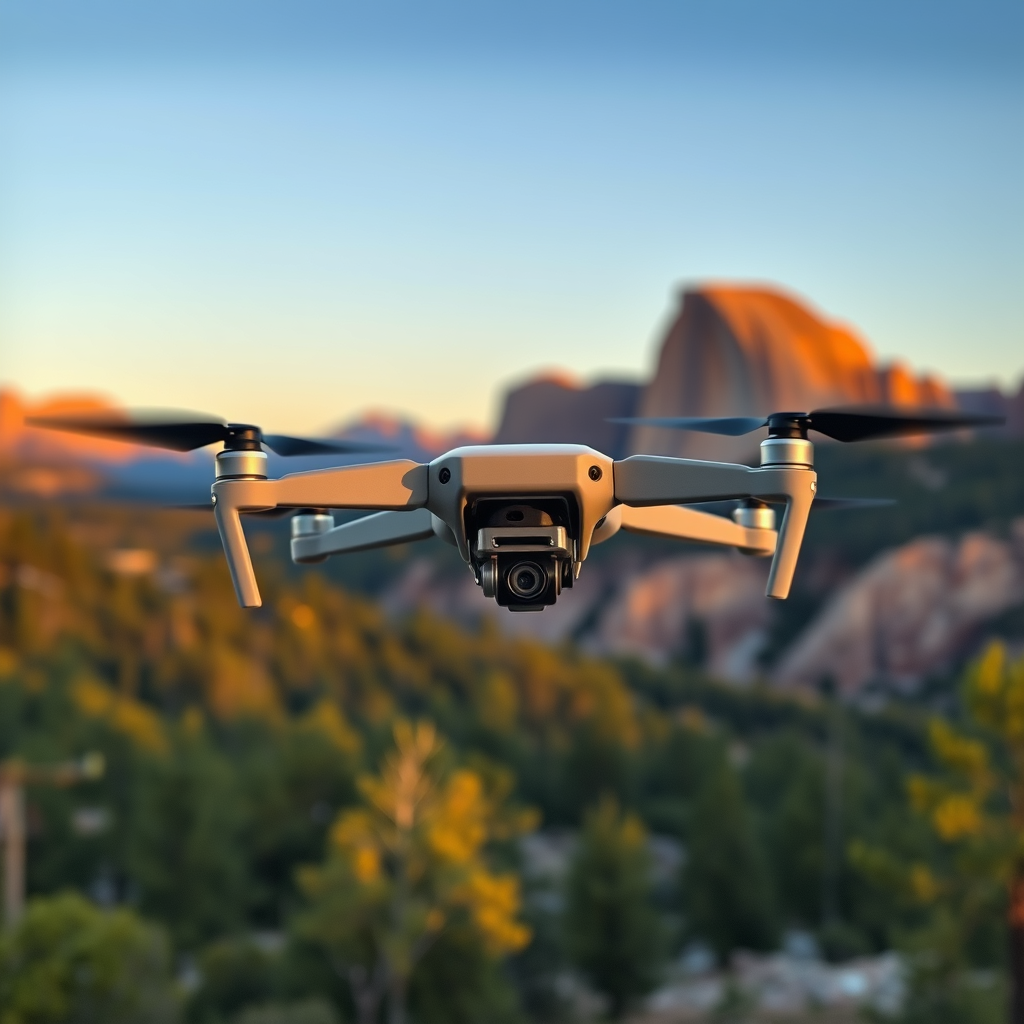
The regulations are not just a matter of preference; they are legally binding and backed by comprehensive policies that prioritize conservation and public safety. The NPS has taken a firm stance on this issue, recognizing the potential for drones to disrupt ecosystems and detract from the enjoyment of the parks by other visitors.
Reasons for the Prohibition
Protecting Wildlife
One of the primary reasons for the prohibition of drone use in national parks is the protection of wildlife. Many animals, especially those that are endangered or threatened, are sensitive to disturbances in their habitats. Drones can pose a significant threat to wildlife by causing stress or displacement, particularly during critical periods such as nesting or feeding. For example, the presence of a drone can lead to birds abandoning their nests or forcing mammals to flee from their habitats, which can have detrimental impacts on populations and biodiversity.
Additionally, the noise generated by drones can disrupt natural behaviors, leading to changes in animal movement patterns and feeding habits. The NPS aims to minimize human impact on wildlife and maintain the ecological balance within these protected areas. By prohibiting drone use, the NPS is taking a proactive approach to wildlife conservation.
Ensuring Visitor Safety
Drone operations can also pose risks to the safety of park visitors and staff. Drones can malfunction, leading to accidents that may injure people or damage property. Moreover, the presence of drones can create an intimidating atmosphere for visitors seeking tranquility in nature. The potential for mid-air collisions between drones and other aircraft, particularly in areas where parks are near airports, further complicates safety concerns.
The NPS prioritizes the safety of all individuals within its parks, and the prohibition of drones is a critical measure to ensure that both visitors and wildlife can coexist peacefully. By maintaining a drone-free environment, the NPS can uphold its mission of providing safe and enjoyable experiences for everyone who visits these national treasures.
Exceptions to the Rule
While the use of drones is generally prohibited in national parks, there are specific exceptions to this rule. Certain research or monitoring activities may be allowed with the appropriate special permits. For instance, researchers studying wildlife behavior or conducting ecological assessments may use drones as part of their scientific work, provided they follow all NPS guidelines and obtain the necessary approvals.
Moreover, commercial drone use is subject to strict regulations and also requires permits. Businesses that wish to use drones for commercial photography or surveying must apply for a Special Use Permit from the NPS and adhere to Federal Aviation Administration (FAA) regulations. This ensures that any commercial drone operations align with the goals of conservation and visitor safety.
It’s important to note that these exceptions are not granted lightly, and applicants must demonstrate a clear need for drone use that aligns with the NPS’s mission. Thus, while there are pathways for responsible drone use in specific contexts, the overarching prohibition remains firmly in place for recreational users.
How to Know If a Park Has Different Regulations
For drone enthusiasts considering a visit to a national park, it is essential to be informed about the specific regulations that apply. While the NPS has a general prohibition on drones, individual parks may have unique rules or guidelines that could affect your plans. The best way to ensure compliance is to always check the official website of the National Park Service before your visit. Each park’s page will provide detailed information about drone regulations, any special permits that may be available, and any specific circumstances that may allow for exceptions.
Additionally, local authorities may impose additional regulations regarding drone use. For example, parks located near urban areas or in proximity to airports may have stricter regulations due to safety concerns. It is advisable to contact park management directly if you have any questions or need clarification on the rules.
Alternatives for Drone Enthusiasts
For those eager to fly their drones, there are plenty of alternatives outside national parks where aerial photography and videography can be enjoyed legally and responsibly. Many areas, such as fields, beaches, and open spaces, allow drone use without the restrictions imposed by the NPS.
In addition, some local governments have designated drone parks or specific areas where drone flying is permitted. These locations are often designed to provide a safe and enjoyable environment for drone enthusiasts while minimizing the impact on wildlife and other community members. Researching local regulations and finding suitable locations can enhance your drone-flying experience without violating any laws.
Tips for Responsible Drone Use
Regardless of where you choose to fly your drone, practicing responsible drone use is crucial. Here are some key tips to keep in mind:
– Respect Privacy: Avoid flying over private properties and always respect the privacy of individuals. Infringing on someone’s privacy can lead to conflicts and potential legal issues.
– Follow FAA Regulations: Ensure that you adhere to all Federal Aviation Administration (FAA) rules and guidelines for drone operation. This includes registering your drone, flying at or below 400 feet, and maintaining a line of sight with your drone at all times.
– Be Mindful of Wildlife: Always maintain a respectful distance from wildlife. If you encounter animals during your drone flights, avoid disturbing them and refrain from flying too close.
– Stay Informed: Continuously update yourself on local laws and regulations regarding drone use. This helps prevent any accidental violations and promotes a culture of responsible flying.
By following these tips, drone enthusiasts can enjoy their hobby while being mindful of their surroundings and the regulations in place.
In summary, flying a drone in national parks is not permitted due to regulations that prioritize environmental protection and visitor safety. If you’re a drone enthusiast, consider exploring alternative locations that permit drone flying, and make it a point to stay informed about local rules and regulations. By doing so, you can enjoy your passion for aerial photography while respecting the natural beauty and integrity of our national parks.
Frequently Asked Questions
Can I fly my drone in national parks in the United States?
No, flying drones in national parks in the United States is generally prohibited. The National Park Service (NPS) has implemented this ban to protect wildlife, preserve the natural environment, and ensure the enjoyment of visitors. If you’re considering flying a drone, check for specific regulations at the park you intend to visit, as some parks may have designated areas or special permits available for certain activities.
What are the consequences of flying a drone in a national park?
Operating a drone in national parks can lead to significant consequences, including fines and confiscation of your equipment. The NPS enforces strict regulations, and violators can face penalties that vary depending on the severity of the infraction. It’s crucial to respect these rules not only to avoid legal issues but also to protect the park’s ecosystem and the experience of other visitors.
Why are drones banned in national parks?
Drones are banned in national parks primarily to protect wildlife and their habitats, minimize noise pollution, and maintain the natural ambiance of these protected areas. The NPS aims to ensure that all visitors can enjoy a peaceful outdoor experience without disturbances from drone activity. Additionally, the use of drones can disrupt wildlife behavior, particularly during nesting or mating seasons, making this ban essential for conservation efforts.
How can I find out about drone regulations in specific national parks?
To find out about drone regulations in specific national parks, you can visit the official National Park Service website or contact the park directly. Each park may have its own set of rules regarding drone usage, including any designated areas for flying or special permits required for specific activities. Staying informed through official resources will help you stay compliant with the laws and enjoy your visit.
What alternatives are available for capturing aerial views in national parks?
If you want to capture aerial views in national parks without flying a drone, consider using alternatives such as photography from elevated viewpoints, hiking to scenic overlooks, or utilizing fixed-wing aircraft with appropriate permissions. Additionally, many parks offer guided helicopter tours or scenic flights that provide a stunning aerial perspective while adhering to regulations. Always check with the park authorities to ensure compliance with their policies.
References
- https://www.nps.gov/subjects/drones/index.htm
- https://www.faa.gov/uas/getting_started/part_107/
- https://www.nps.gov/articles/drone-use-in-national-parks.htm
- https://www.wilderness.org/advocacy/drone-use-wilderness-areas
- https://www.law.cornell.edu/wex/drone
- https://www.nationalparks.org/our-work/national-parks-and-drones
- https://www.usgs.gov/center-news/usgs-drone-research-national-parks
- https://www.reuters.com/legal/us-interior-department-bans-drones-national-parks-2021-06-02/
