

Yes, you can fly your drone in many parks, but specific regulations and restrictions apply. Understanding these rules can help you enjoy your flying experience while ensuring safety and compliance with local laws. Parks can be fantastic locations for capturing stunning aerial photography and enjoying the hobby of drone flying, but it’s imperative to be informed about the legalities and ethical considerations that come with it.
Understanding Local Regulations

Before embarking on your drone-flying adventure in a park, it is crucial to research park-specific drone policies. Different parks have varying rules regarding drone usage, with some allowing it in designated areas while others may prohibit it entirely. For instance, national parks in the United States typically have strict regulations against flying drones due to concerns for wildlife and the natural environment. Conversely, some city parks may have specific zones where drone flying is permitted.
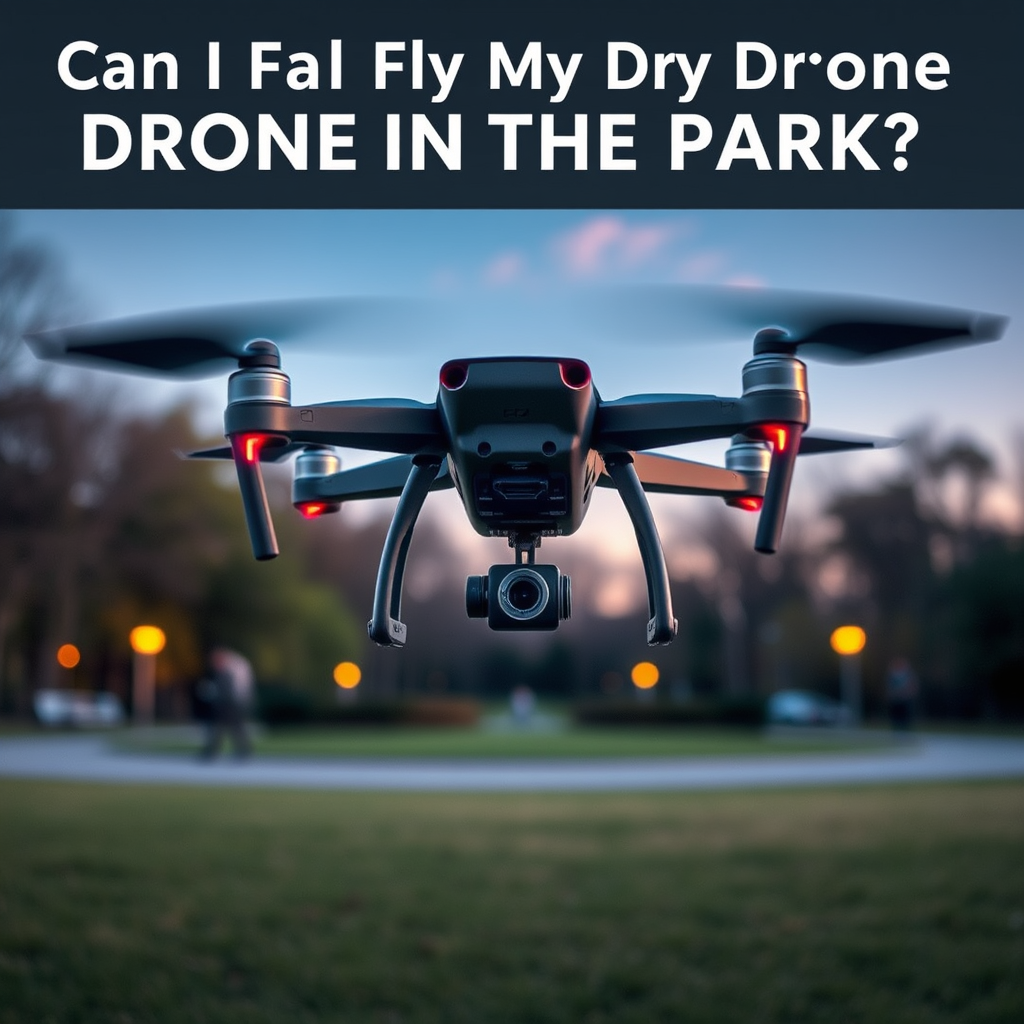
Checking the park’s official website or contacting park authorities can provide valuable insight into any restrictions or guidelines you need to follow. Additionally, local ordinances may impose additional regulations, so it is wise to familiarize yourself with both the park policies and any relevant local laws before you fly.
Federal Aviation Administration (FAA) Rules
In addition to local regulations, all drone pilots must adhere to the Federal Aviation Administration (FAA) rules. In the United States, this includes the requirement to register your drone if it weighs more than 0.55 pounds. Registration can be done online and usually costs a nominal fee.
Moreover, the FAA mandates that you maintain a visual line of sight with your drone at all times and keep it below 400 feet in altitude. These regulations are designed to ensure the safety of both the drone pilot and those around them. Failure to comply with FAA regulations can result in significant fines and penalties, making it imperative for drone pilots to understand these rules fully.
Safety Considerations
Safety is a paramount concern when flying drones, especially in public spaces like parks. It is essential to avoid flying near people, animals, or structures to prevent accidents. Drones can be noisy and may startle wildlife, potentially causing harm or distress to animals. For example, flying near a nesting area can disturb birds and lead to abandonment of their nests.
Additionally, being aware of your surroundings is crucial. Parks are often busy with visitors enjoying recreational activities such as jogging, picnicking, and walking dogs. It is advisable to stay vigilant and observe other drone users and park visitors to maintain a safe flying environment. Always have an emergency plan in place, including landing your drone safely if unexpected situations arise.
Environmental Impact
As a responsible drone pilot, it is crucial to respect wildlife and natural habitats. Many parks support sensitive ecosystems that can be adversely affected by drone activity. For instance, flying over wetlands or near nesting sites can disrupt the local fauna. Therefore, it is best to avoid flying in these sensitive areas.
Adhering to “Leave No Trace” principles is also an essential aspect of responsible drone flying. This involves minimizing your impact on the environment by ensuring that you do not leave trash, disturb natural habitats, or cause any damage to the land. Being a conscientious flyer not only preserves the beauty of the parks but also fosters goodwill among park authorities and fellow visitors, enabling future drone usage.
Tips for a Great Flying Experience
To enhance your drone flying experience in parks, consider several practical tips. First, choose the right time of day for your flight. Early mornings or late afternoons often provide optimal lighting for photography and fewer park-goers, allowing for a more enjoyable flying experience.
Additionally, it is wise to bring spare batteries and equipment. Drones can be battery-intensive, and having backups ensures you can continue flying without interruption. Familiarizing yourself with your drone’s features and capabilities before heading to the park can also enhance your experience. Knowing how to handle your drone in various situations can prevent accidents and enrich your overall flying experience.
Community and Resources
Engaging with the drone flying community can significantly improve your flying skills and knowledge. Joining local drone flying clubs or online forums can provide valuable support, sharing experiences, tips, and advice. These communities often host events, allowing you to meet other drone enthusiasts and learn from their experiences.
Furthermore, utilizing apps and websites that provide up-to-date information about drone regulations can be incredibly beneficial. Resources such as the FAA’s B4UFLY app or websites like Airmap offer location-specific information on where you can and cannot fly your drone. Staying informed ensures that you are compliant with current regulations and can enjoy your flying experience without legal complications.
In conclusion, flying your drone in a park can be a rewarding experience if you adhere to local regulations and prioritize safety. By understanding and respecting park-specific rules, following FAA guidelines, and considering the environmental impact of your flying, you can ensure a positive experience for yourself and others. Engaging with the drone community can also enhance your skills and provide support as you navigate the world of drone flying. Always do your homework before heading out, and consider joining a community of fellow drone enthusiasts for tips and shared experiences. Happy flying!
Frequently Asked Questions
Can I fly my drone in a public park?
Yes, you can fly your drone in a public park, but it depends on local regulations and park policies. Many parks have specific rules regarding drone use, including designated flying areas, time restrictions, or complete bans. Always check with the local park authority or the official website before flying to ensure compliance with the rules and avoid fines.
What are the drone flying regulations in parks?
Drone flying regulations in parks can vary widely by location and jurisdiction. In general, you must adhere to FAA regulations, which include flying below 400 feet, maintaining visual line of sight, and avoiding flying over people. Additionally, some parks may have specific restrictions that prohibit drone usage altogether, so it’s crucial to consult local laws and park signage.
How do I find out if a park allows drone flying?
To determine if a park allows drone flying, start by visiting the official website of the park or the managing authority, such as a city or county parks department. Look for sections on rules and regulations regarding recreational activities. You can also contact park staff directly for clarification, as they can provide the most current information on any drone restrictions in place.
Why do some parks prohibit drone flying?
Some parks prohibit drone flying primarily for safety and privacy concerns. Drones can pose risks to wildlife, disturb the natural environment, and interfere with other visitors’ enjoyment of the park. Additionally, issues related to noise, accidents, and potential invasions of privacy contribute to these restrictions, as parks aim to provide a safe and peaceful experience for all.
What should I do if I see someone flying a drone in a park where it’s prohibited?
If you encounter someone flying a drone in a park where it is prohibited, it’s best to report the situation to park authorities or law enforcement. Politely informing the individual about the park’s regulations can also be an option, but ensure you prioritize your safety. Authorities can take appropriate action to enforce the rules and protect the park’s environment and visitors.
References
- https://www.faa.gov/uas/recreational_fliers/
- https://www.nps.gov/subjects/drones/index.htm
- https://www.dronepilotgroundschool.com/drone-flying-in-parks/
- https://www.consumerreports.org/drones/flying-drones-in-parks-and-other-public-places/
- https://www.ama-association.org/wp-content/uploads/2021/01/AMA-Drone-Policy-Position-Statement.pdf
- https://www.washingtonpost.com/technology/2021/06/03/drone-parks-flying-rules/
- https://www.nytimes.com/2020/01/10/technology/drone-regulations.html
- https://www.faa.gov/uas/getting_started/registration/
- https://www.state.gov/drone-regulations-and-guidance/
