
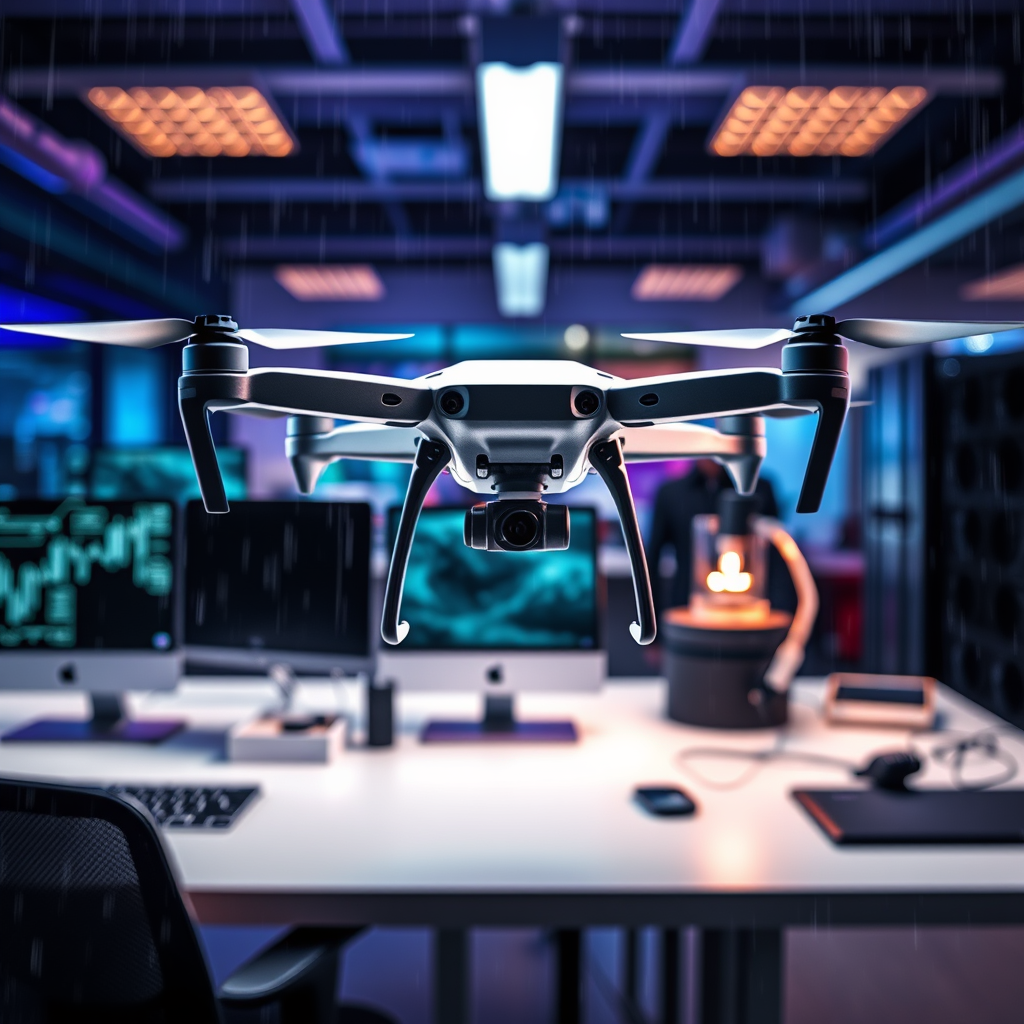
Flying your drone in the rain is generally not advisable. Most consumer drones are not designed to withstand wet conditions, which can lead to malfunctions or permanent damage. However, some waterproof models may handle light rain with caution. Understanding the nuances of drone operation in such conditions is essential for both safety and equipment longevity. Here’s a closer look at the factors to consider when flying your drone in rainy weather.
Understanding Drone Water Resistance
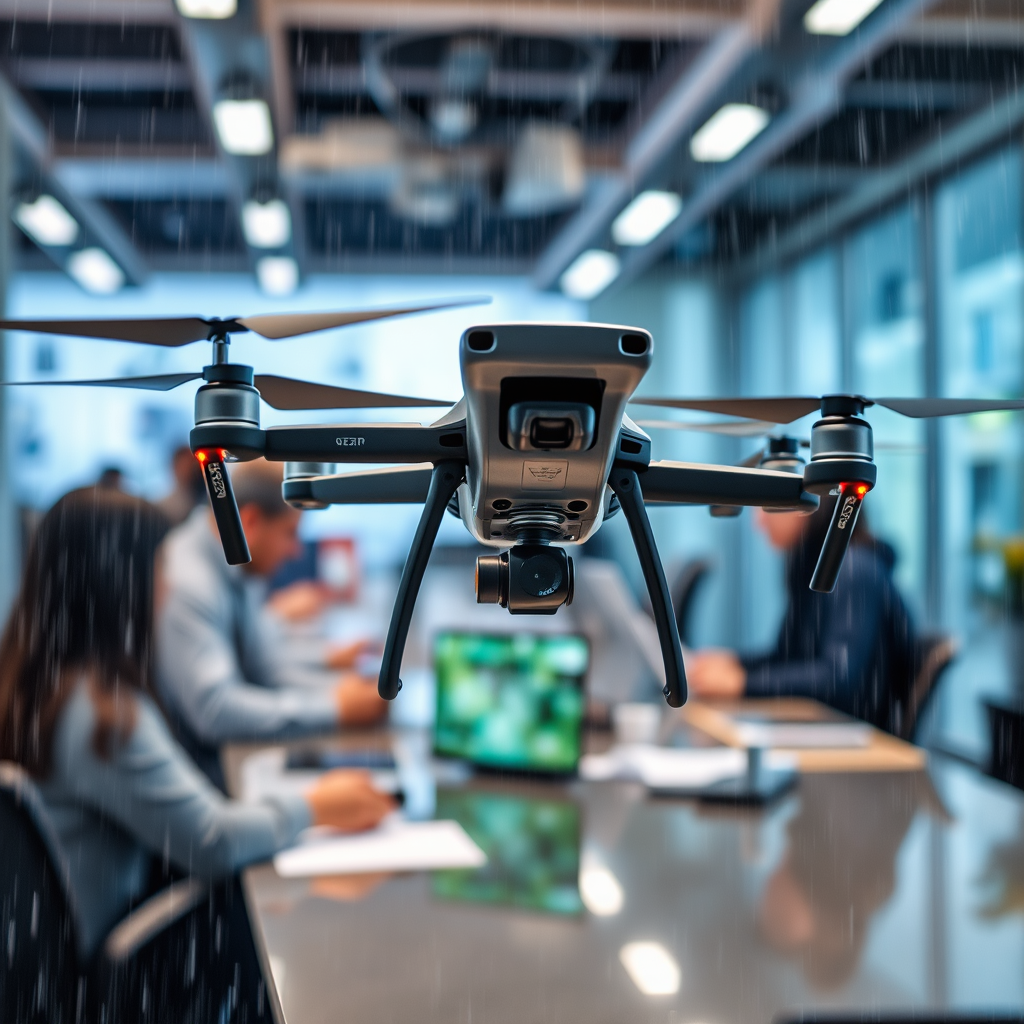
The water resistance of drones varies significantly by model and manufacturer. It is essential to refer to your drone’s specifications to ascertain its water resistance capabilities. Many consumer drones do not have any significant water resistance and can be severely damaged if they come into contact with moisture.
Drones that feature an IP (Ingress Protection) rating provide a standardized way to assess their resistance to dust and water. For example, a drone rated IP67 is resistant to dust and can withstand water immersion up to 1 meter for 30 minutes. On the other hand, those with lower ratings may only offer basic protection and are typically not suitable for any wet conditions. If you are considering flying in the rain, ensure you know your drone’s IP rating and its specific limitations.
Risks of Flying Drones in the Rain
The risks associated with flying drones in the rain cannot be overstated. One of the most significant threats is the potential for electrical short-circuiting. Water can infiltrate sensitive electronic components, leading to malfunction or irreparable damage. This can not only ruin the drone but also poses safety risks to people and property on the ground.
Moreover, flying in rainy weather can severely affect visibility, making it challenging to maintain visual line-of-sight with your drone. Wet conditions can also lead to reduced flight control and stability, increasing the likelihood of crashes. Rain can create unexpected turbulence and decrease battery performance due to additional weight from moisture. It is essential to consider these factors seriously before making the decision to fly.
Legal Considerations
When contemplating flying your drone in inclement weather, it is crucial to be aware of local regulations. Many regions have specific laws that restrict drone operation during adverse weather conditions, including rain. These regulations may vary from one jurisdiction to another, so it is advisable to research and understand the laws applicable to your location.
Additionally, adherence to the Federal Aviation Administration (FAA) regulations in the United States mandates that pilots maintain a clear line of sight with their drones at all times. Reduced visibility due to rain can violate this requirement and lead to potential legal repercussions. Always ensure that you are compliant with both local and federal regulations before taking flight.
Tips for Flying in Light Rain
If you find yourself in a situation where flying is necessary despite light rain, there are measures you can take to minimize risks. First and foremost, only operate drones that are explicitly rated for water resistance, and even then, limit exposure to light rain only. This cautious approach helps to mitigate the risk of water damage.
Before taking off, carefully monitor weather conditions. Use reliable weather applications to check for any sudden changes, and avoid flying if there is a forecast of heavy rainfall or thunderstorms. Additionally, consider limiting your flight duration and staying close to your takeoff point to ensure you can land quickly if conditions worsen.
Maintenance After Flying in Wet Conditions
Proper maintenance after flying in wet conditions is crucial to preserving your drone’s functionality. Immediately after landing, it is essential to clean and dry your drone thoroughly. Use a soft cloth to wipe down the exterior and remove any moisture. If your drone has been exposed to significant moisture, consider using a vacuum or compressed air to clear out any water trapped in crevices.
Inspect your drone for any signs of water damage, such as corrosion or rust on metal components. If you suspect any damage, refrain from flying until you have addressed the issue. Regular maintenance checks can help identify problems early and prolong the life of your equipment.
Alternatives to Flying in the Rain
When the weather is unfavorable, consider alternatives to outdoor flying. Indoor flying options can provide a safe and controlled environment for practice. Many drones are suitable for indoor use, allowing you to refine your piloting skills without risking damage from rain.
Furthermore, if you are interested in photography or videography, consider utilizing a drone equipped with a camera for indoor shoots. Creative indoor projects can be both engaging and productive, allowing you to make the best use of your time while waiting for clearer skies.
In conclusion, while it is possible to fly some drones in light rain, it is crucial to understand the risks and limitations involved. Always prioritize the safety and functionality of your equipment, and remain compliant with local regulations. If you’re unsure about your drone’s capabilities in wet conditions, it’s best to wait for clearer skies before taking to the air. Prioritizing safety not only protects your investment but also enhances your overall flying experience.
Frequently Asked Questions
Can I fly my drone in light rain?
While it might be tempting to fly your drone in light rain, it’s generally not recommended. Most consumer drones are not water-resistant, which means that moisture can damage the electronic components and motors. If you must fly in light rain, ensure your drone is specifically designed for wet conditions, and always check the manufacturer’s guidelines regarding weather limitations.
What are the risks of flying a drone in the rain?
Flying a drone in the rain poses multiple risks, including potential water damage to the drone’s internal components, reduced visibility, and compromised battery performance. Rain can also cause the drone to become unstable, leading to crashes or loss of control. Additionally, flying in wet conditions can violate regulations if it leads to unsafe operation.
How can I protect my drone from rain?
To protect your drone from rain, consider using a waterproof drone cover or case designed for your specific model. Additionally, ensure that all ports and openings are sealed, and use silica gel packets inside the drone’s storage area to absorb moisture. If you anticipate flying in wet conditions, look for drones that are rated for water resistance or even waterproof models, which are specifically engineered to handle such environments.
Why do drones struggle in rainy weather?
Drones struggle in rainy weather primarily due to the impact of water on their electronic systems and aerodynamics. Rain can affect the drone’s sensors, leading to inaccurate readings and compromised navigation. Furthermore, wet conditions can increase the drone’s weight and disrupt airflow, making it challenging to maintain stable flight. This is why most manufacturers advise against flying drones in rainy conditions.
Which drones are best for flying in the rain?
If you’re looking for drones that can handle rainy conditions, consider models specifically designed for such environments, such as the DJI Matrice series or the SwellPro Splash Drone. These drones are built with waterproof materials and are equipped to withstand wet conditions. Always verify the drone’s water resistance rating and read user reviews to ensure it meets your needs for flying in the rain.
References
- https://www.faa.gov/uas/getting_started/flight_beyond_vision/
- https://www.dronepilotgroundschool.com/can-i-fly-my-drone-in-the-rain/
- https://www.wired.com/story/drone-flying-in-the-rain/
- https://www.nasa.gov/feature/nasa-drone-flying-in-the-rain
- https://www.theguardian.com/technology/2021/mar/10/drones-flying-in-the-rain-what-you-need-to-know
