

Yes, you can fly your drone in Turkey, but there are specific regulations and requirements you must follow. Familiarizing yourself with these guidelines is crucial for ensuring a safe and legal flying experience while you explore the captivating landscapes and rich heritage of Turkey. As drone technology becomes increasingly popular among travelers and photographers, understanding local laws and practices can significantly enhance your adventures in this beautiful country.
Understanding Turkish Drone Regulations
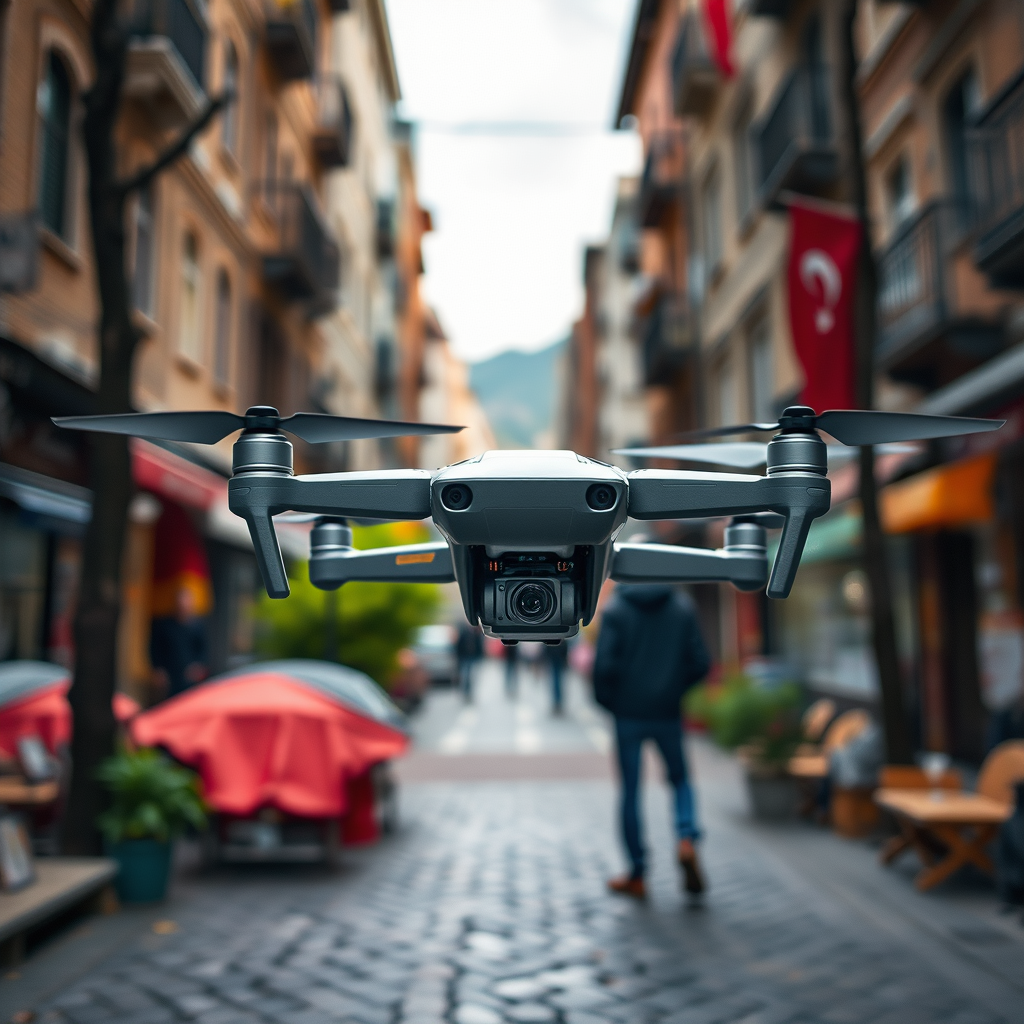
Turkey has established a comprehensive framework of laws governing the use of drones, reflecting its commitment to both safety and innovation in aviation. The Turkish Directorate General of Civil Aviation (DGCA) is the primary authority overseeing drone regulations. Pilots are required to adhere to these regulations to ensure the safety of air traffic and the general public. The regulations encompass various aspects, including drone registration, pilot qualifications, and operational restrictions.
In recent years, the growing popularity of drone photography and videography has led to increased scrutiny of drone operations. As such, it is essential for both locals and visitors to stay informed about the evolving legal landscape surrounding drone usage in Turkey. Failing to comply with these regulations can not only jeopardize your drone flying experience but also pose risks to others.
Drone Registration Process
One of the crucial steps for flying a drone in Turkey is the registration process. All drones weighing more than 500 grams must be registered with the DGCA. This requirement aims to maintain accountability among drone operators and ensure that safety standards are upheld.
To register your drone, you must complete an online application through the DGCA’s official website. The registration process typically involves providing details such as the drone’s specifications, including its make, model, and weight, as well as personal information of the pilot, including identification and contact details. Once the registration is approved, you will receive a unique registration number that must be displayed on the drone.
For those planning to travel with their drones, it’s advisable to complete the registration process well in advance to avoid any last-minute issues. It’s also important to keep a printed or digital copy of your registration to present if requested by authorities while flying.
Required Certifications and Licenses
In Turkey, the requirements for pilot certification vary based on the nature of drone operations. If you plan to operate your drone for commercial purposes, you will need to obtain a Remote Pilot License (RPL). This license is issued after completing a training program that covers theoretical and practical aspects of drone operation, air law, and safety procedures.
For recreational pilots, while a formal license may not be mandatory, it is highly encouraged to familiarize yourself with safety guidelines and operational restrictions. Understanding airspace classifications, the importance of maintaining visual line of sight, and the risks associated with flying in crowded areas can make a significant difference in ensuring a safe flying experience.
Moreover, some organizations and flight schools offer workshops and courses that can help reinforce best practices for drone operation, even for hobbyists. By investing time in education, you not only become a better pilot but also contribute to the overall safety of drone operations in Turkey.
No-Fly Zones and Restrictions
One of the critical aspects of flying a drone in Turkey is the awareness of no-fly zones and operational restrictions. Certain areas, such as airports, military zones, and historical sites, are designated as no-fly zones to protect sensitive locations and ensure public safety. For instance, flying a drone near major airports can interfere with manned aircraft operations, leading to severe consequences.
To avoid inadvertent violations, it is essential to consult local maps and updates from the DGCA before flying. Various apps and online resources can provide real-time information regarding no-fly zones, weather conditions, and other pertinent details. Familiarizing yourself with these zones ensures that you remain compliant and helps you avoid hefty fines or penalties.
Additionally, popular tourist destinations like Cappadocia and Pamukkale may have specific regulations regarding drone flights due to their unique landscapes and cultural significance. Always check local guidelines to understand specific restrictions that may apply to these areas.
Tips for Safe Drone Flying in Turkey
To enhance your drone-flying experience in Turkey, consider the following tips that promote safe and responsible operation:
– Respect Local Wildlife and Privacy: When flying your drone, be mindful of the local wildlife, especially in natural reserves or areas with significant biodiversity. Avoid flying over people, private properties, and restricted areas to maintain privacy and respect for others.
– Line of Sight and Altitude Limit: Always keep your drone within your line of sight and ensure it does not exceed the maximum altitude limit of 120 meters. This practice not only aligns with legal requirements but also allows you to maintain better control of your drone.
– Weather Conditions: Before heading out, check local weather conditions. Wind, rain, or adverse weather can significantly affect drone performance and may lead to accidents.
– Battery Management: Always monitor your drone’s battery levels and plan your flights accordingly. Aim to return your drone to the ground with ample battery life to avoid emergency landings.
By following these tips, you can enjoy the breathtaking vistas of Turkey while ensuring a responsible and enjoyable drone experience.
Consequences of Violating Drone Laws
Failing to comply with Turkey’s drone regulations can have serious consequences. Violating drone laws can lead to hefty fines, confiscation of equipment, and potential criminal charges, depending on the severity of the infraction. For instance, operating a drone in a restricted area, such as near an airport, could result in significant legal repercussions and jeopardize your ability to fly in the future.
Being informed and compliant with the regulations not only protects you but also enhances your overall flying experience. By adhering to the rules, you contribute to the safety of airspace and help foster a positive perception of drone usage in the country.
As the popularity of drone technology continues to grow, maintaining respect for the established laws and engaging with the local community can lead to a more enjoyable experience while capturing the stunning landscapes of Turkey.
In conclusion, flying your drone in Turkey is indeed possible with the right preparations and knowledge of regulations. By registering your drone, obtaining necessary licenses, and adhering to local laws, you can ensure a safe and legal flying experience. With the breathtaking scenery and rich cultural heritage that Turkey has to offer, your drone can be an excellent tool for capturing unforgettable moments. So, equip yourself with the necessary knowledge, respect the regulations, and enjoy the mesmerizing views that Turkey has to offer. Happy flying!
Frequently Asked Questions
Can I fly my drone in Turkey without a license?
No, you cannot fly your drone in Turkey without a license. The Turkish Directorate General of Civil Aviation (DGCA) requires drone operators to register their drones and obtain a license, especially for drones weighing over 500 grams. It is essential to familiarize yourself with the regulations and ensure compliance to avoid hefty fines or confiscation of your drone.
What are the restrictions for flying drones in Turkey?
Drones in Turkey are subject to several restrictions aimed at ensuring safety and privacy. You cannot fly drones within 5 kilometers of airports, military zones, or populated areas without special permission. Additionally, flying above 120 meters (394 feet) is prohibited, and nighttime flying is generally not allowed unless you have special authorization.
How do I register my drone in Turkey?
To register your drone in Turkey, you need to visit the official website of the Directorate General of Civil Aviation (DGCA) and complete the online registration process. This involves providing personal information, details about your drone, and possibly submitting proof of insurance. Once registered, you will receive a unique identification number that must be displayed on your drone.
Why is it important to follow drone regulations in Turkey?
Following drone regulations in Turkey is crucial to ensure the safety of both drone operators and the general public. Adhering to these laws helps prevent accidents, intrusion into privacy, and potential interference with manned aircraft. Non-compliance can result in severe penalties, including fines and legal action, making it vital to stay informed about local drone laws.
What is the best location to fly a drone in Turkey?
The best locations to fly a drone in Turkey include scenic areas such as Cappadocia, with its stunning rock formations and hot air balloons, or the coastal regions like Antalya, where you can capture breathtaking views of the Mediterranean Sea. However, ensure that you have the necessary permissions and are adhering to local regulations to enjoy your flying experience safely.
References
- https://www.gov.uk/guidance/drone-operations-in-turkey
- https://www.caa.co.uk/Consumers/Unmanned-aircraft/Drone-safety/
- https://www.turkishairlines.com/en-us/announcements/2020/drone-use-in-turkey/
- https://www.reuters.com/article/us-turkey-drone-idUSKBN2A10U4
- https://www.bbc.com/news/world-europe-49673041
- https://www.abc.net.au/news/2021-06-02/turkey-drone-regulations/100176338
- https://www.wired.com/story/drone-regulations-2021/
