

Yes, you can fly your drone indoors, but it’s important to consider several factors such as space, safety, and regulations. Indoor flying can be a great way to practice your skills, enhance your drone handling abilities, and explore creative aerial photography opportunities. However, it also presents unique challenges that require careful planning and consideration.
Understanding Drone Types
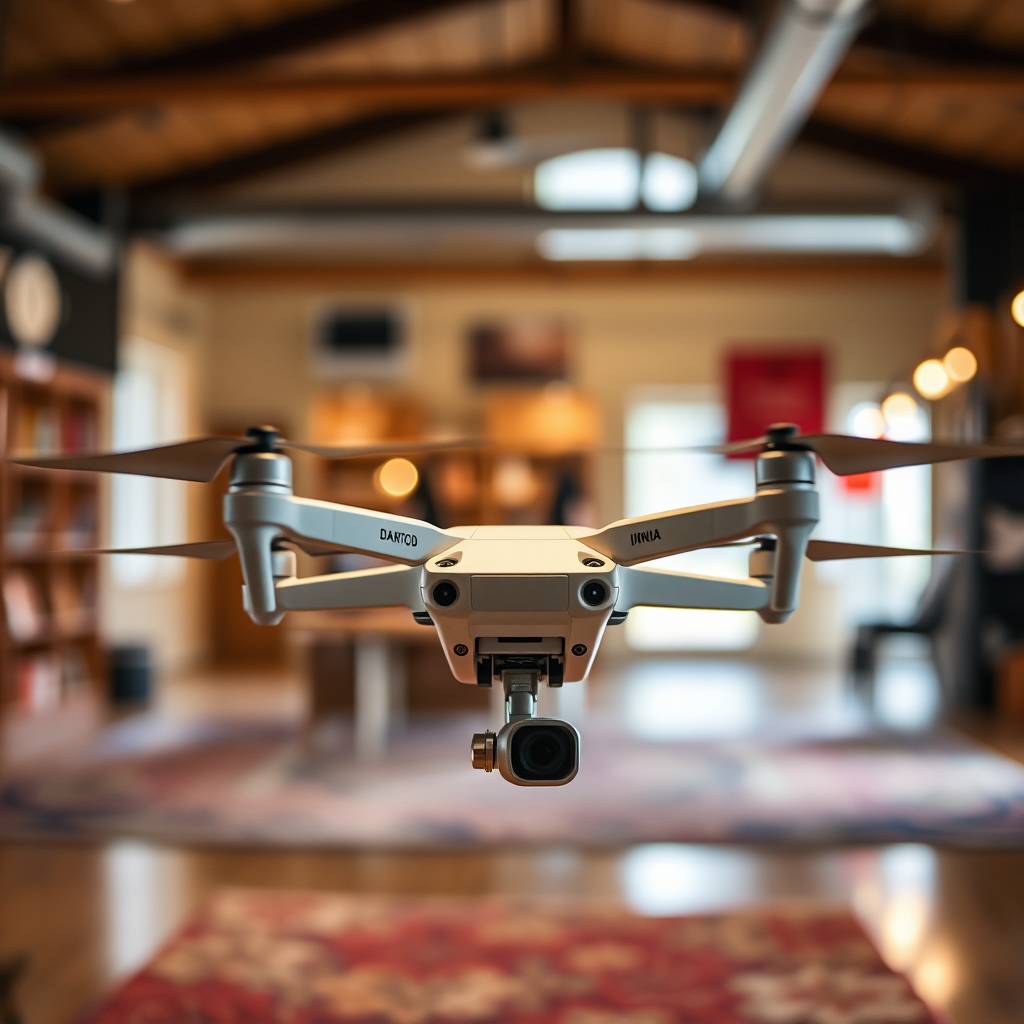
When it comes to flying drones indoors, understanding the type of drone you possess is crucial. Different drones come with varying capabilities, and their design often dictates their suitability for indoor use. Smaller drones, typically classified as toy or mini drones, are generally more apt for indoor flying due to their lightweight structure and smaller dimensions. For instance, models like the DJI Tello or the Hubsan X4 are excellent choices for indoor environments, allowing for agile maneuvers without risking damage to furniture or fixtures.
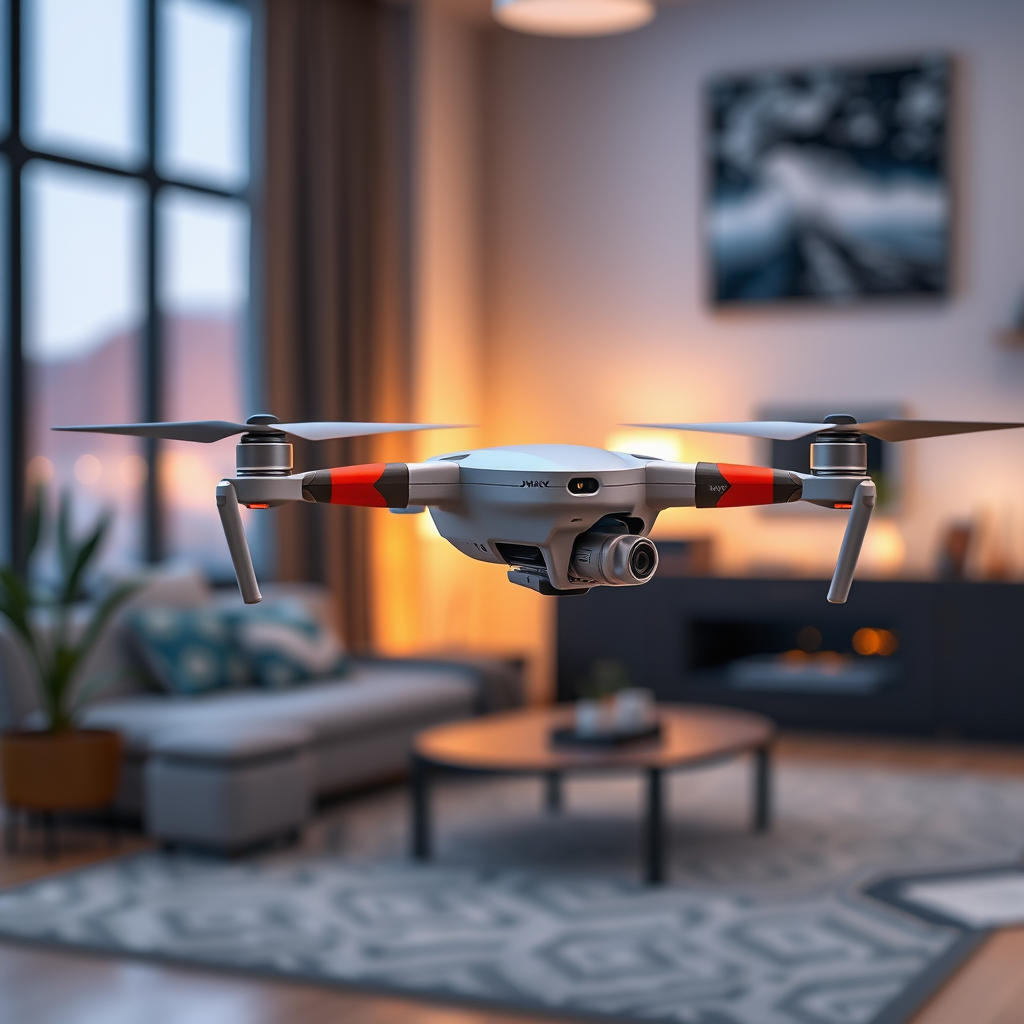
Before taking flight, check the specifications of your drone to ensure it is designed for indoor flying. Some drones are equipped with features such as altitude hold, which helps stabilize the drone at a fixed height, making it easier to control indoors. Others may have advanced sensors that assist with obstacle avoidance, further enhancing their indoor flight capabilities. Familiarizing yourself with your drone’s specifications can significantly bolster your flying experience and enhance your safety.
Safety Considerations
Safety should always be your top priority when flying a drone indoors. One of the first steps is to ensure that the flying area is free of obstacles. This includes moving furniture, clearing away fragile items, and ensuring that pets and people are at a safe distance from your flying zone. Indoor spaces can be more confined than outdoor areas, which increases the risk of collisions and accidents.
Using prop guards can also be an effective way to minimize the risk of injury and damage. Propeller guards are designed to shield the drone’s rotors from contact with objects, reducing the likelihood of a crash and protecting both the drone and the surrounding environment. Additionally, practicing in a controlled environment, such as an empty room or dedicated indoor flying facility, can help mitigate risks and enhance your flying skills.
Legal Regulations
While many may assume that drone regulations primarily pertain to outdoor flying, it is essential to familiarize yourself with local laws regarding drone usage, even indoors. Regulations can vary significantly by location, and certain venues may have specific rules or restrictions for indoor drone flights. For example, commercial spaces like malls, gyms, or offices may have policies against drone flying due to safety concerns or liability issues.
Before flying indoors, it is advisable to check with property owners or managers to ensure compliance with any pertinent regulations. Additionally, understanding your rights and responsibilities as a drone operator can help you avoid potential legal complications.
Choosing the Right Location
Selecting an appropriate indoor location for flying your drone can greatly enhance your flying experience. Ideally, you want a spacious area with adequate height and room to maneuver freely. Large, open spaces like gymnasiums, warehouses, or dedicated indoor drone flying facilities offer ample room for practice and exploration.
If such facilities are not available, consider setting up an indoor flying course using obstacles like cones or boxes to create a fun and engaging environment. Not only will this help you improve your piloting skills, but it will also keep the flying experience exciting and challenging. Remember to always prioritize safety when selecting a location, ensuring that the space is safe for both the pilot and any spectators.
Essential Equipment
Investing in the right equipment is vital for successful indoor flying. A reliable drone equipped with features specifically suited for indoor navigation can significantly improve your flying experience. Look for drones that feature altitude hold, which allows you to maintain a steady height during flight, and advanced obstacle avoidance systems that can help you navigate confined spaces more effectively.
Additionally, consider using a flight simulator or training software to improve your skills before taking your drone into the air. Many drone manufacturers offer simulators that replicate the flying experience, allowing you to practice maneuvers without the risk of crashing an actual drone. This approach can enhance your confidence and competence, making your indoor flying experience more enjoyable and successful.
Tips for Successful Indoor Flying
To ensure a successful indoor flying experience, start with basic maneuvers and gradually build up to more complex flights. Mastering simple skills such as takeoff, landing, and hovering will lay a solid foundation for more advanced techniques. Regular practice is key; the more you fly, the more comfortable you will become in controlling your drone.
Consider setting goals for each flying session, whether that involves practicing specific maneuvers, navigating an obstacle course, or capturing aerial photos/videos. Setting clear objectives can help focus your practice and make each flying session more productive. Also, maintain a calm and patient approach, as indoor flying can be challenging due to limited space and potential distractions.
In conclusion, flying a drone indoors is not only possible but can also be an enjoyable and rewarding activity if approached correctly. By understanding the types of drones available, adhering to safety considerations, and following local regulations, you can create a safe and fun indoor flying experience. Choose the right location, invest in suitable equipment, and practice regularly to enhance your skills and confidence. Embrace the challenges of indoor flying, and you will find it to be a fulfilling aspect of your drone piloting journey.
Frequently Asked Questions
Can I fly my drone indoors without any regulations?
Yes, you can generally fly your drone indoors without the same regulations that apply to outdoor flying. However, it is essential to check with the facility’s management or local laws to ensure there are no specific restrictions. Indoor drone flying often allows for a more controlled environment, but be mindful of obstacles and people around you to ensure safety.
What are the best drones for indoor flying?
The best drones for indoor flying are typically smaller, lightweight, and equipped with features that allow for stable flight in confined spaces. Models like the DJI Tello, Parrot Mambo, and Holy Stone HS210 are great options due to their user-friendly controls and protective features. These drones often come with propeller guards, making them safer for indoor use.
How can I ensure safety when flying my drone indoors?
To ensure safety when flying your drone indoors, first, clear the area of any obstacles, pets, or people to prevent accidents. Always perform a pre-flight check to ensure the drone is in good working condition, and keep the drone within your line of sight. Additionally, consider using propeller guards to minimize the risk of damage or injury.
Why is indoor drone flying different from outdoor flying?
Indoor drone flying differs from outdoor flying primarily due to space constraints and environmental factors. Indoors, you have limited room to maneuver, which can be challenging for larger drones. Moreover, GPS signals are often weak or nonexistent inside, so relying on the drone’s inertial measurement unit (IMU) for stabilization becomes crucial, making it essential to choose drones designed specifically for indoor environments.
Which features should I look for in a drone for indoor use?
When selecting a drone for indoor use, look for features such as altitude hold, headless mode, and collision avoidance sensors to enhance ease of flying and safety. Additionally, consider drones with a lightweight design and durable build to minimize potential damage in case of crashes. Battery life and flight time are also important, as you want to maximize your flying experience while indoors.
References
- https://en.wikipedia.org/wiki/Drone_flight
- https://www.faa.gov/uas/getting_started/flight
- https://www.nasa.gov/centers/dryden/pdf/82141.pdf
- https://www.nytimes.com/2021/01/12/technology/drone-regulations.html
- https://www.theguardian.com/technology/2020/jan/06/drone-flying-regulations-uk
- https://www.nas.edu/activities/uas
- https://www.surveysolutions.com/faq/drone-use-in-indoor-environments
- https://www.aopa.org/news-and-media/all-news/2021/january/06/flying-drones-in-your-home
