

Yes, you can fly your drone over your neighbor’s house, but there are legal and ethical considerations to keep in mind. Understanding the regulations that govern drone use in your area and respecting your neighbor’s privacy will help you avoid potential conflicts. Drones have become increasingly popular for recreational use, but the enjoyment of flying can quickly become complicated if not approached with due diligence regarding local laws and interpersonal relationships.
Understanding Drone Regulations
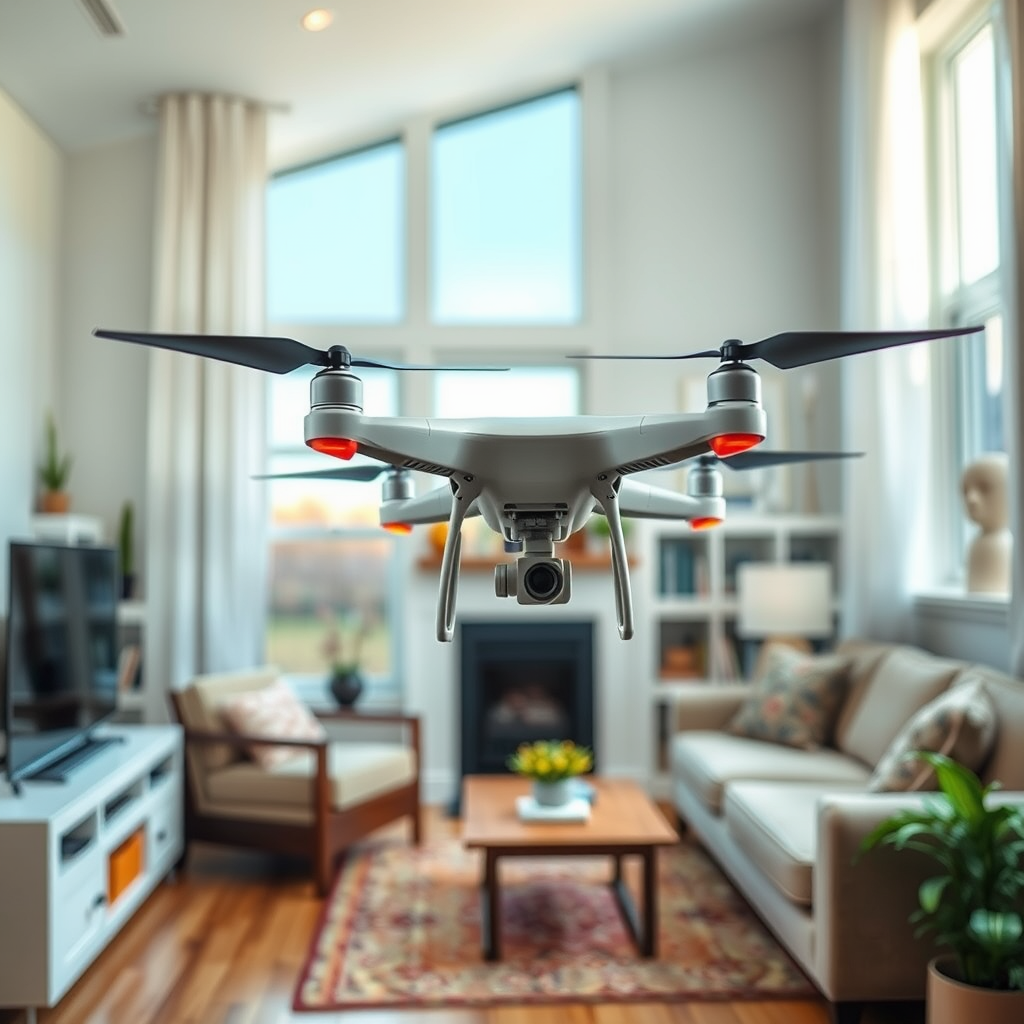
To legally operate a drone, you must familiarize yourself with the Federal Aviation Administration (FAA) regulations that govern drone flights in the United States. As per the FAA, drones must be flown below 400 feet, within visual line of sight, and not over people or moving vehicles unless specific conditions are met. Additionally, commercial drone operators must obtain a Remote Pilot Certificate, while recreational flyers must adhere to the guidelines specified in the FAA’s Part 107 regulations or the Exception for Limited Recreational Operations of Unmanned Aircraft.

Beyond federal regulations, it is essential to check local laws and ordinances that may impose additional restrictions on drone flights. Some municipalities have enacted laws that limit where drones can be flown, particularly in residential areas. This might include no-fly zones over certain properties or requiring permits for flights near schools or parks. Always consult your local government’s website or contact relevant authorities to ensure you are compliant with both state and local regulations.
Privacy Concerns
Respecting your neighbor’s privacy is paramount when considering drone usage over their property. Flying a drone over someone’s home can be perceived as intrusive, even if you are within your legal rights. Many people value their privacy and may not appreciate having a drone hovering over their backyard or property, particularly if it captures video or photographs of their private life.
To mitigate privacy concerns, consider discussing your drone activities with your neighbor beforehand. Informing them of your intentions can prevent misunderstandings and help establish a level of trust. If your neighbor expresses discomfort with your drone flying over their property, it may be wise to adjust your flying patterns to respect their wishes. Initiating an open dialogue can lead to a more amicable relationship and reduce tensions that might arise from perceived invasions of privacy.
Safety Considerations
Safety is a critical aspect of drone operation. Ensure you are flying at a safe altitude, typically below 400 feet, and maintain a distance from people and structures to prevent accidents. Familiarize yourself with the specific airspace regulations that may apply to your location, as some areas may have restrictions on flying near airports or densely populated regions.
Additionally, be aware of potential hazards that could impact your flight path, such as power lines, trees, and other obstacles. Investing in a drone with obstacle avoidance technology can enhance your safety measures significantly. Always conduct a pre-flight check to ensure your drone is in good working order, and practice good judgment when selecting flight times and locations to minimize risk.
Best Practices for Drone Flying
To foster positive relationships with your neighbors while enjoying your drone hobby, consider adopting best practices for drone flying. Always notify your neighbors when you plan to fly, especially if your activities will occur near their property. This simple gesture can go a long way in alleviating concerns and demonstrating your consideration for their comfort.
Where possible, utilize designated flying areas or drone parks that are specifically set up for recreational use. These spaces often have fewer restrictions and can provide a more enjoyable experience without the potential for conflict. Engaging with the local drone community can provide additional insights into popular flying spots and tips for responsible drone operation.
Handling Complaints
In the event that a neighbor raises concerns about your drone usage, be prepared to address these issues calmly and constructively. Acknowledge their feelings and express your willingness to listen. Open communication is key; sometimes, simply explaining the purpose of your drone flights can alleviate fears. If a neighbor expresses discomfort, consider adjusting your flying habits to accommodate their concerns.
Creating a neighborhood agreement on drone usage may also be beneficial. By establishing ground rules that everyone understands and agrees to, you can help minimize future conflicts. Remember, maintaining a good rapport with your neighbors can make all the difference in enjoying your drone activities without strife.
Benefits of Drone Use
Despite the complexities surrounding drone usage, there are numerous benefits to flying drones, both for personal pleasure and practical applications. Drones can be used for aerial photography, offering stunning views for real estate listings or personal projects. They are also valuable in surveying land, inspecting infrastructure, and even assisting in search and rescue operations.
Moreover, drone technology can enhance community engagement by providing opportunities for local organizations to utilize aerial footage for events or community projects. Collaborating with local schools or community groups can further promote positive uses of drone technology, fostering a sense of togetherness and innovation within the community.
In conclusion, flying a drone over your neighbor’s house is permissible under certain conditions, but it’s crucial to be aware of regulations and respect your neighbor’s privacy. By understanding FAA guidelines, local laws, and ethical considerations, you can enjoy your drone hobby responsibly. Open communication with neighbors can help foster a harmonious relationship while allowing you to take advantage of the many benefits that drone technology offers.
Frequently Asked Questions
Can I legally fly my drone over my neighbor’s house?
The legality of flying a drone over a neighbor’s house depends on local laws and regulations, as well as federal guidelines set by the FAA in the United States. Generally, you are allowed to fly your drone in most public airspace as long as you maintain a safe distance and altitude. However, it’s important to consider local ordinances, privacy laws, and common courtesy, as flying too low over private property could lead to disputes or complaints.
What are the privacy concerns associated with flying a drone over my neighbor’s property?
Privacy concerns arise when drones capture images or videos of individuals or their property without consent. In many jurisdictions, flying a drone over someone’s property can be seen as an invasion of privacy, especially if you are recording. To avoid potential legal issues and maintain good neighborly relations, it is best to avoid flying your drone directly over private properties and to respect boundaries.
How can I ensure I am flying my drone safely around my neighbor’s home?
To fly your drone safely around a neighbor’s home, always adhere to the FAA regulations, which include staying below 400 feet, flying within your line of sight, and avoiding populated areas. Prioritize safety by keeping a respectful distance from buildings and people to minimize risk and potential disturbances. Additionally, consider notifying your neighbors in advance about your flight plans, which can help prevent misunderstandings.
What should I do if my neighbor complains about my drone flying over their house?
If your neighbor complains about your drone, it’s important to remain calm and listen to their concerns. Open a dialogue to understand their perspective and be willing to adjust your flying habits if necessary. Demonstrating respect for their privacy and property can help maintain a good relationship and may even lead to a mutual understanding regarding drone usage in the area.
Which drone regulations should I follow to avoid conflicts with my neighbors?
To avoid conflicts with neighbors when flying your drone, familiarize yourself with both federal and local regulations. The FAA requires drone operators to register their drones, fly at or below 400 feet, and avoid flying over people. Additionally, check for any local laws that may impose stricter rules regarding drone operations in residential areas. Understanding these regulations will help ensure that you fly responsibly and respect your neighbors’ rights.
References
- https://www.faa.gov/uas/getting_started/part_107
- https://www.nolo.com/legal-encyclopedia/drone-laws-your-state-29787.html
- https://www.wikiwand.com/en/Drone_law_in_the_United_States
- https://www.ama-assn.org/delivering-care/public-health/drone-laws-and-regulations
- https://www.law.cornell.edu/wex/drone
- https://www.fcc.gov/consumers/guides/rules-drones
- https://www.ajc.com/news/georgia-news/what-drones-can-and-cant-do-in-georgia/6A3VYVZK6FAE7GK35HALU4WJDI/
- https://www.nytimes.com/2021/04/08/us/drone-laws.html
