

Yes, you can fly your drone there, but it depends on several factors including local regulations, airspace restrictions, and the specific location’s rules. Understanding these aspects is crucial to ensure a safe and legal flying experience. With the increasing popularity of drones for recreational and commercial purposes, being aware of the legal frameworks and safety protocols surrounding their use is essential for every pilot. This blog post will delve into the key considerations you must take into account before launching your drone in any location.
Understanding Local Regulations
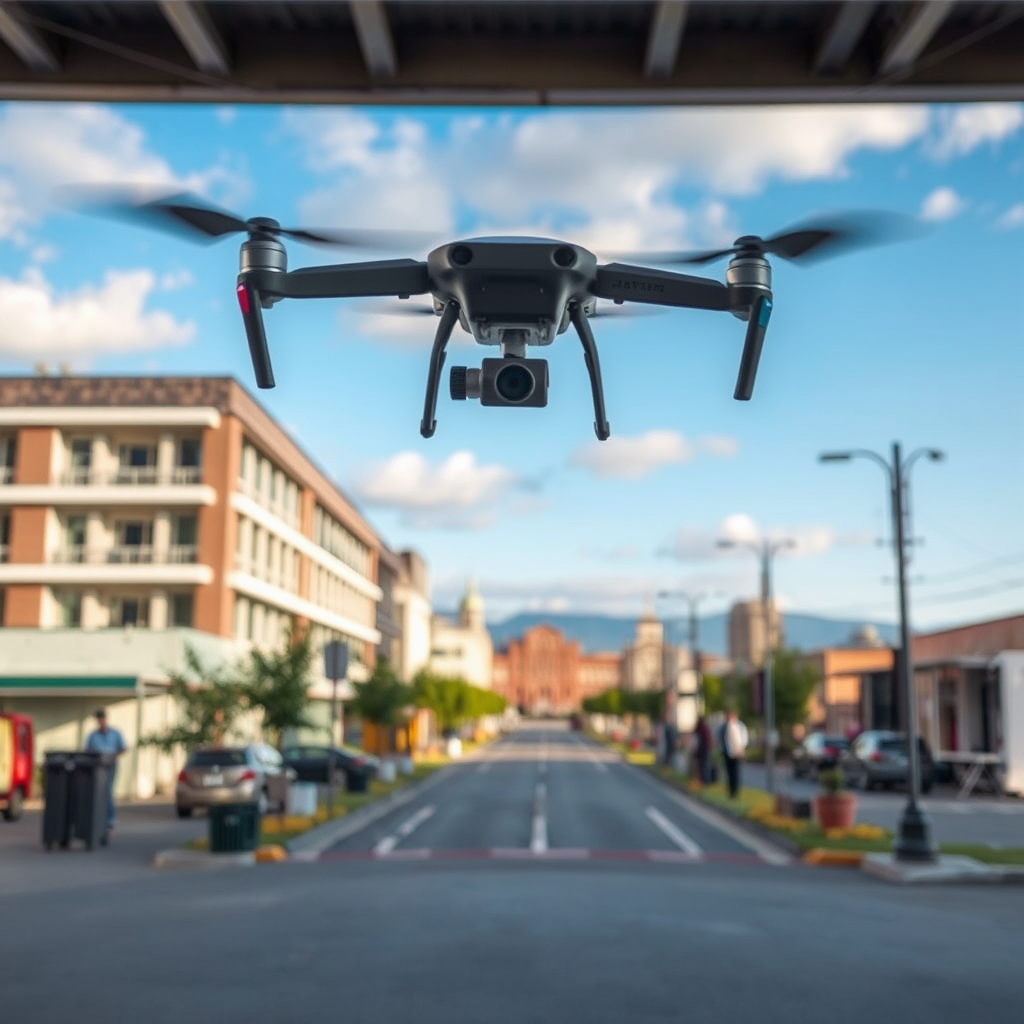
Before flying your drone, it’s vital to check the drone laws specific to the area you plan to fly in. Regulations can vary significantly not only from country to country but also from state to state or even city to city. For example, in the United States, the Federal Aviation Administration (FAA) sets national standards, but many states and local jurisdictions impose additional restrictions. In contrast, the European Union has harmonized regulations under the European Union Aviation Safety Agency (EASA), but specific member countries may have nuances in their implementation.
Local regulations may dictate where you can fly, how high you can go, and the purpose for which you can operate your drone. For instance, some areas may allow recreational flying but prohibit commercial use without special permits. To ensure compliance, always consult local government websites or drone regulation resources before your flight.
Airspace Classifications
Familiarizing yourself with different classes of airspace is crucial for safe drone operation. Airspace is classified into several categories, with specific rules and restrictions for each. For example, Class G airspace is uncontrolled and typically allows for more freedom of operation, whereas Class B, C, D, and E airspaces are controlled and often require prior authorization to fly.
Particularly important are the zones around airports, which are heavily regulated. Flying within five miles of an airport often requires notifying the airport authorities and potentially obtaining permission. Using tools such as the FAA’s B4UFLY app can help you easily understand the airspace classification in your intended flying area, ensuring that you adhere to necessary regulations.
No-Fly Zones
Identifying and respecting no-fly zones is a critical aspect of drone operation. No-fly zones may include sensitive areas such as military bases, national parks, and wildlife refuges. Flying in these areas can result in serious legal consequences, including fines or confiscation of your drone.
To avoid these pitfalls, utilize apps or tools that help map out these zones before flying. The FAA’s UAS Data Delivery System and other mapping tools can aid in identifying prohibited airspace. Additionally, staying updated with local news and regulations can help you avoid inadvertently flying into restricted areas, thereby ensuring a responsible flying experience.
Drone Registration Requirements
Another important consideration is whether your drone needs to be registered. In many jurisdictions, drones above a certain weight or used for commercial purposes must be registered with the appropriate aviation authority. In the U.S., for instance, the FAA requires registration for drones weighing more than 0.55 pounds (250 grams). The registration process is relatively straightforward and can usually be completed online for a nominal fee.
Understanding registration requirements also extends to international travel. Different countries have different thresholds and processes for registration, so if you plan to fly your drone abroad, it is imperative to research that country’s regulations ahead of time. Failure to register your drone can lead to legal complications and fines, jeopardizing your flying experience.
Safety and Etiquette Tips
Safety and etiquette are paramount in drone flying. Always maintain a line of sight with your drone while flying to ensure you have full control over its operations. This not only enhances safety but also complies with many local regulations that require visual line-of-sight operation.
Moreover, be courteous to others around you. Avoid flying your drone over private property without permission and respect people’s privacy. If you’re flying in public spaces, be mindful of crowds and avoid disturbing others with noise or intrusive maneuvers. Adopting a responsible flying attitude fosters goodwill toward drone pilots and helps mitigate the negative perceptions that can sometimes surround drone use.
Insurance and Liability Considerations
Looking into drone insurance options is an essential step for responsible flying. Drone insurance can protect you from potential liabilities that may arise from accidents or damages caused by your drone, including personal injury or property damage. Various providers offer specialized drone insurance policies that can cover a range of incidents.
Understanding your responsibilities in case of accidents is equally important. If your drone causes damage, having insurance can mitigate financial repercussions and provide peace of mind. Always assess your flying environment and potential risks to determine the level of insurance coverage you may need.
Resources for Drone Pilots
Utilizing online resources and communities can significantly enhance your knowledge and experience as a drone pilot. Websites like the FAA’s official page provide comprehensive information on regulations, safety guidelines, and other essential resources. Additionally, forums and social media groups dedicated to drone enthusiasts can connect you with experienced pilots who can share valuable tips and insights.
Joining local drone clubs or organizations is another excellent way to stay updated on the latest industry news and regulations. Many clubs host events, workshops, and training sessions that can help you improve your flying skills and knowledge of drone laws.
In conclusion, while you may be able to fly your drone in various locations, it is essential to research and adhere to local regulations, airspace classifications, and safety protocols. Understanding no-fly zones, registration requirements, and the importance of insurance will further enhance your flying experience. By staying informed and prepared, you can enjoy responsible and legal drone operations while contributing positively to the drone community.
Frequently Asked Questions
What are the legal requirements for flying a drone in the United States?
In the United States, drone operators must adhere to regulations set by the Federal Aviation Administration (FAA). This includes registering drones that weigh more than 0.55 pounds, adhering to altitude limits (usually below 400 feet), and flying only in visual line-of-sight. Additionally, drone pilots must obtain a Remote Pilot Certificate if they intend to use their drone for commercial purposes.
How can I determine if I can fly my drone in a specific location?
To determine if you can fly your drone in a specific location, you should check local regulations and airspace restrictions using apps like B4UFLY or the FAA’s own website. Additionally, it’s essential to look for any no-fly zones, such as near airports, military installations, or crowded areas. Always respect local rules and property rights to ensure safe and legal drone operation.
Why is it important to check for no-fly zones before flying my drone?
Checking for no-fly zones is crucial for safety and compliance with aviation regulations. Flying in restricted areas can lead to legal consequences, including fines and confiscation of your drone. Moreover, it ensures the safety of others, as drones can interfere with manned aircraft and potentially cause accidents, so always be aware of your surroundings and airspace restrictions.
What should I do if I encounter issues while flying my drone?
If you encounter issues while flying your drone, such as technical malfunctions or loss of signal, remain calm and follow safety protocols. First, attempt to regain control or safely land the drone in a suitable area. If the problem persists, refer to the manufacturer’s guidelines for troubleshooting. It’s also wise to keep a log of any incidents for future reference and to improve your flying practices.
Which drones are best for beginners who want to fly recreationally?
For beginners looking to fly drones recreationally, models like the DJI Mini SE or the Holy Stone HS720E are excellent choices. These drones are user-friendly, lightweight, and equipped with features like GPS and obstacle avoidance, making them ideal for novice pilots. They also offer good camera quality for aerial photography and video, enhancing your flying experience while you learn.
References
- https://en.wikipedia.org/wiki/Drone_flying_regulations
- https://www.faa.gov/uas/getting_started/
- https://www.nasa.gov/mission_pages/UAS/
- https://www.ama-flights.com/
- https://www.abcnews.go.com/Technology/faa-drone-rules-know-flying/story?id=66372076
- https://www.theguardian.com/us-news/2021/jun/18/drone-flying-regulations-us-faa
- https://www.nytimes.com/2021/04/22/business/drone-regulations.html
