

Yes, you can fly your drone without a license, but there are specific regulations you must follow depending on your location and the purpose of your flight. Understanding these rules is essential for safe and legal drone operation. The landscape of drone regulations is complex, varying significantly from country to country and even within regions of the same country. Whether you are a hobbyist or a commercial operator, being informed about the legal frameworks governing drone use can help you avoid penalties and ensure a positive flying experience.
Understanding Drone Regulations
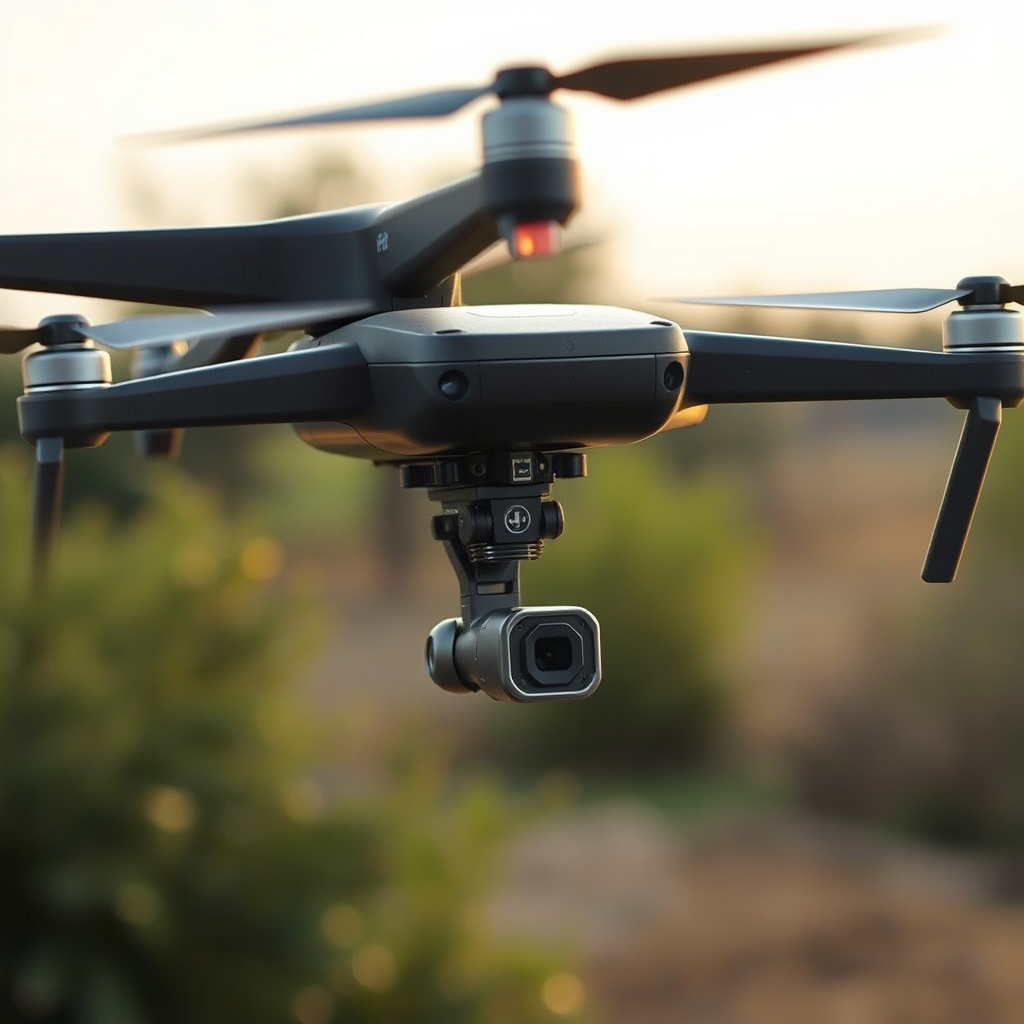
The regulations surrounding drone operation are not uniform and can differ widely across different countries. In the United States, the Federal Aviation Administration (FAA) is the primary regulatory body overseeing drone usage. For recreational users, the FAA has established guidelines that allow them to operate drones without a formal license, provided they adhere to specific rules. However, these regulations can be stringent, especially when it comes to where and how a drone can be flown.
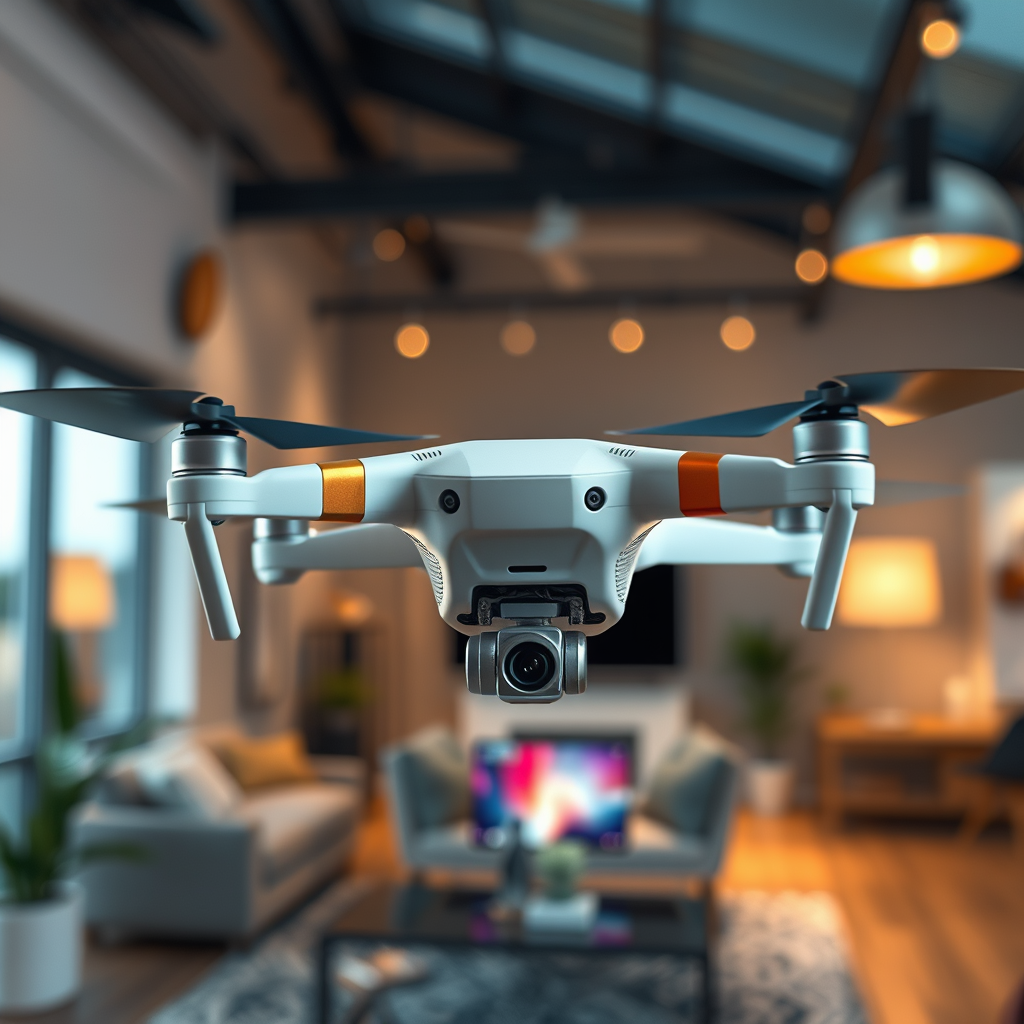
For instance, in countries like Canada and the UK, similar governing bodies set their regulatory frameworks that require different levels of compliance. In Canada, drone pilots must adhere to the Canadian Aviation Regulations, which include registration and pilot certification for certain weights and uses. Therefore, drone operators must familiarize themselves with the laws pertinent to their country or region to ensure compliance and safety.
Recreational vs. Commercial Use
The distinction between recreational and commercial drone use is critical when discussing licensing requirements. Recreational drone flying generally does not require a license if the operator adheres to the FAA’s guidelines, which include flying for personal enjoyment, keeping the drone within visual line of sight, and avoiding restricted airspace.
However, if you intend to use your drone for commercial purposes—such as photography services, agricultural monitoring, or delivery services—you must obtain a Part 107 certification from the FAA. This certification involves passing a knowledge test that covers topics such as airspace classifications, weather, and drone operation regulations. Operators must also register their drones and adhere to operational limits, such as flying during daylight only and maintaining a maximum altitude of 400 feet.
The distinction is essential because it reflects the level of responsibility and understanding required for different types of drone operations. Commercial operations often entail more complex situations, making oversight and regulation necessary to ensure public safety and security.
Registration Requirements
In the United States, most drones weighing over 0.55 pounds must be registered with the FAA. This registration process is relatively straightforward and involves providing information about the drone and owner, followed by a small fee. Registration is crucial as it helps track ownership and usage, thereby contributing to a safer flying environment.
By registering your drone, you not only comply with legal requirements but also establish accountability, which can be beneficial in case of accidents or incidents involving your drone. Additionally, registration is often a prerequisite for obtaining a Part 107 certification, reinforcing the importance of this step for commercial operators.
Failure to register your drone can result in significant fines and legal repercussions. Therefore, it is advisable for all drone operators, recreational and commercial alike, to understand and comply with registration requirements in their respective jurisdictions.
Safety Guidelines for Drone Pilots
Safety should always be a paramount concern for drone pilots. Adhering to established safety guidelines can help prevent accidents, protect property, and ensure compliance with legal frameworks. Key safety practices include:
– Flying Below 400 Feet: This height limit is mandated to prevent interference with manned aircraft, which generally operate at higher altitudes.
– Visual Line of Sight: Pilots must maintain visual contact with their drones at all times. This principle ensures that operators can react promptly to any emerging situations.
– Avoiding Restricted Areas: Steer clear of flying near airports, military bases, and other sensitive locations. The FAA provides maps and resources to help pilots identify restricted airspace.
– Respecting Privacy: Operators should be aware of privacy laws and avoid capturing images or videos of individuals without their consent, as this can lead to legal issues.
By following these safety guidelines, drone pilots can foster a responsible flying culture that prioritizes safety and compliance, ultimately benefiting the entire drone community.
Consequences of Flying Without a License
The repercussions of flying a drone without the required license can be severe, particularly for commercial operators. Engaging in commercial drone operations without a Part 107 certification can lead to fines exceeding $1,000, legal action, and potential bans on future drone operations. The FAA actively monitors drone activities, and reports of unauthorized commercial flights can trigger investigations.
Recreational pilots, while generally facing less stringent penalties, can still incur significant consequences if they violate airspace regulations or safety guidelines. Such violations can result in fines, confiscation of the drone, and potential criminal charges in extreme cases. Additionally, irresponsible flying can lead to accidents that harm people or property, further exacerbating legal troubles.
Given these potential consequences, it is crucial for all drone operators to understand and adhere to the regulatory framework applicable to their flying activities.
Resources for Drone Pilots
To stay informed about the ever-evolving landscape of drone regulations, pilots can utilize a range of valuable resources. The FAA’s Drone Zone website is an excellent starting point, providing comprehensive information on registration, certification, and operational guidelines. Pilots can also find updates on rule changes and safety campaigns that the FAA launches periodically.
Moreover, online communities and forums dedicated to drone enthusiasts offer a wealth of knowledge and support. Websites like DroneDJ, UAV Coach, and Reddit’s r/drones subreddit allow pilots to share experiences, ask questions, and receive advice from seasoned operators. Engaging with these communities can enhance your understanding of best practices and help you navigate challenges associated with drone flying.
For those interested in commercial operations, there are also specialized training programs and workshops available that focus on obtaining the Part 107 certification. These programs can equip aspiring commercial pilots with the necessary skills and knowledge to operate legally and safely.
In summary, while flying a drone without a license is possible for recreational purposes, it comes with specific regulations that must be followed to avoid legal complications. Understanding the nuances of drone law, adhering to safety guidelines, and utilizing available resources can ensure a fruitful and enjoyable flying experience. Always remain informed and fly responsibly to contribute to a safe and thriving drone community.
Frequently Asked Questions
Can I fly my drone without a license in the United States?
In the United States, you can fly a drone without a license for recreational purposes, as long as it weighs less than 55 pounds and you follow the guidelines set by the Federal Aviation Administration (FAA). However, if you plan to use your drone for commercial purposes, such as taking professional photographs or delivering packages, you will need to obtain a Remote Pilot Certificate by passing the FAA’s Part 107 exam.
What are the consequences of flying a drone without a license?
Flying a drone without the required license can lead to various consequences, including hefty fines, legal action, and the potential confiscation of your drone. The FAA has the authority to impose civil penalties for violations, which can range from a few hundred to several thousand dollars. Additionally, operating without a license can pose safety risks and may lead to accidents, endangering others.
How do I know if I need a drone license for my intended use?
To determine if you need a drone license, assess the purpose of your flight. If you are using your drone for recreational purposes, you typically do not need a license. However, if your activities involve any commercial use, such as aerial photography, surveying, or any income-generating endeavor, you must obtain a Remote Pilot Certificate from the FAA.
What are the best practices for flying a drone without a license?
If you are flying a drone recreationally without a license, adhere to best practices to ensure safety and compliance. Always fly below 400 feet, keep your drone within visual line-of-sight, avoid flying near airports, and respect people’s privacy. Familiarize yourself with the FAA’s “Know Before You Fly” campaign, which provides valuable resources and guidelines for safe drone operation.
Which drone models are suitable for beginners who don’t need a license?
For beginners flying drones without a license, consider models that are lightweight and designed for recreational use. Drones such as the DJI Mini SE and the Holy Stone HS110D are excellent choices, as they weigh under 250 grams and come with user-friendly features. These models allow you to learn the basics of flying while remaining compliant with FAA regulations for hobbyists.
References
- https://en.wikipedia.org/wiki/Drone_regulations
- https://www.faa.gov/uas/getting_started/register_drone
- https://www.faa.gov/uas/getting_started/fly_for_fun
- https://www.faa.gov/uas/
- https://www.npr.org/2021/04/29/991339907/drone-regulations-a-guide-to-flying-your-drone-legally
- https://www.theguardian.com/technology/2021/jun/29/drone-laws-uk-flying-without-a-license
- https://www.forbes.com/sites/forbestechcouncil/2022/05/11/the-importance-of-understanding-drone-regulations/?sh=1c1a1fb26356
