

Yes, you can fly your drone without internet access. Most drones are designed to operate offline, leveraging GPS and onboard sensors to navigate their environment autonomously. However, it’s essential to understand the limitations and crucial considerations that come with flying a drone without an internet connection, particularly regarding functionality, safety, and pre-flight preparations.
Understanding Drone Connectivity
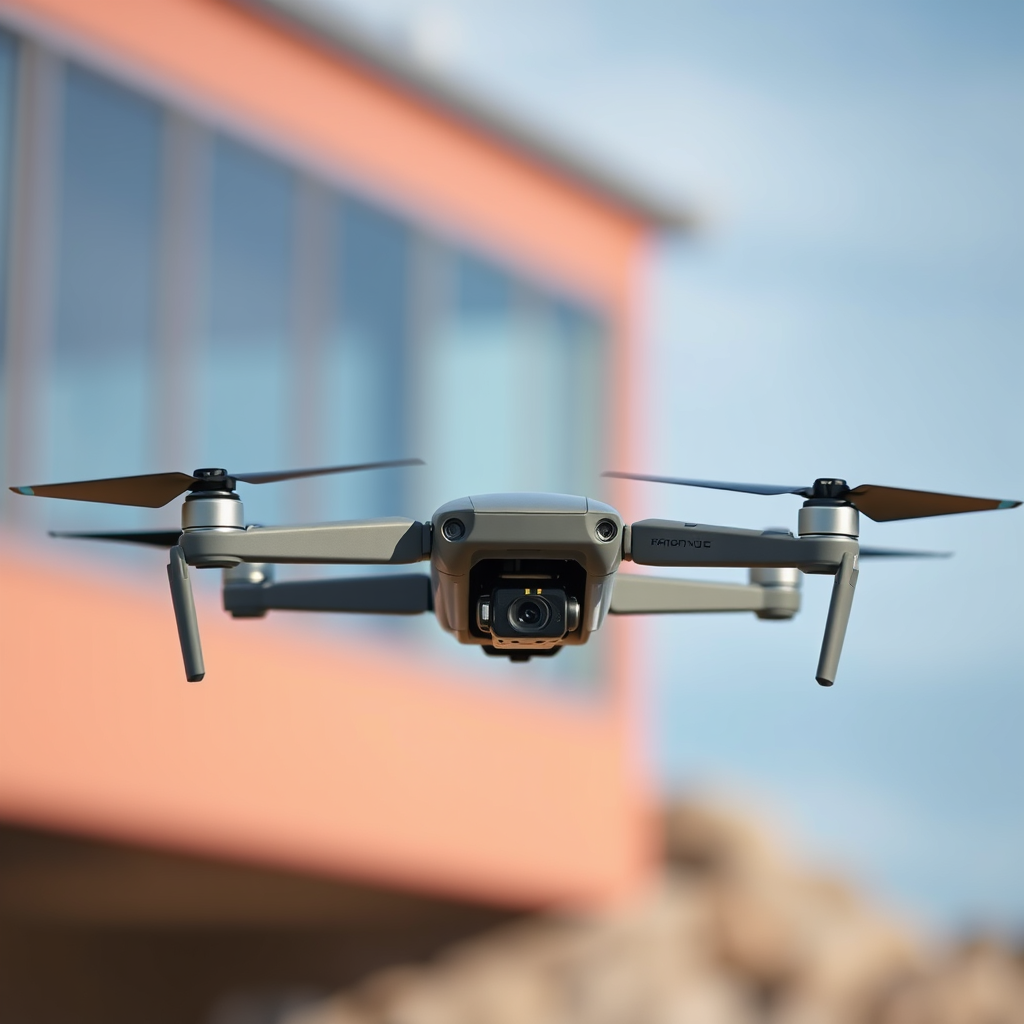
Drones primarily rely on GPS for navigation, a technology that does not require an internet connection. GPS satellites provide location data that allows drones to determine their position, altitude, and distance from waypoints. This means that for basic flying, especially in open environments, you can effectively operate your drone offline. However, some advanced features, such as live streaming, real-time telemetry data, and cloud-based functionalities, necessitate an internet connection. For example, drones equipped with advanced obstacle avoidance systems may need internet access to download the latest software updates and navigate complex environments. Understanding these connectivity nuances is critical for a successful flying experience.
Types of Drones and Their Capabilities
When considering flying without internet access, it’s important to note the distinctions between different types of drones. Consumer drones, such as those from DJI or Parrot, are designed to operate efficiently offline, allowing users to enjoy basic flying, capturing aerial photography, and engaging in recreational activities without needing internet access. These drones typically come equipped with built-in GPS and sensors that facilitate basic flight functionality.
On the other hand, professional drones, often utilized for commercial purposes such as surveying, agriculture, or cinematography, may have more sophisticated features that could be limited when offline. For instance, drones used for mapping often rely on internet connectivity to access updated aerial imagery and geospatial data. Therefore, understanding your drone’s capabilities is crucial for planning your flights accordingly.
Pre-Flight Preparations Without Internet
Before heading out to fly your drone, especially in areas where internet access is unavailable, it’s vital to prepare adequately. One effective strategy is to download maps or flight plans in advance. Many drone applications allow users to save offline maps that can guide navigation during the flight. Additionally, ensure that all firmware and software updates are completed while you have internet access. Keeping your drone’s software up-to-date is essential not only for improved performance but also for safety and reliability during flights.
Moreover, consider creating a checklist of essential items to carry with you, such as spare batteries, a portable charger, and offline flight logs, to ensure that your flying experience goes smoothly.
Safety Considerations When Flying Offline
Flying a drone without internet access introduces specific safety considerations that must be addressed. Before taking off, familiarize yourself with local flying regulations and airspace restrictions. Many areas have no-fly zones, including airports, military bases, and national parks, and it is essential to know these regulations to avoid potential legal issues. Some drones come equipped with geofencing features that prevent them from entering restricted areas, but these features may require initial internet access to function properly.
Additionally, always have a manual backup plan in case of technical issues. This could involve having a secondary navigation method, such as a compass or map, to ensure you can safely return your drone to its starting point if GPS signals are weak or lost.
Troubleshooting Common Issues Without Internet
When flying your drone offline, encountering technical issues is a possibility, and having a troubleshooting plan is essential. Before takeoff, check for satellite signal strength to ensure that your drone can acquire a good GPS lock. A minimum of six satellites is generally recommended for reliable navigation. If the signal is weak, consider changing your location to improve satellite visibility and try again.
Additionally, having a user manual or offline resources, such as downloadable troubleshooting guides, can be invaluable. Many drone manufacturers provide PDF manuals that detail common issues and solutions, which can be accessed without an internet connection. This preparation can save time and prevent frustration during your flying session.
Enhancing Your Offline Flying Experience
To maximize your flying experience without internet access, utilize offline flight applications that allow you to record flight logs and track your drone’s performance. Some applications enable users to create flight plans and set waypoints, which can be helpful in navigating complex terrains without needing real-time data.
Planning your routes in advance will also help prevent getting lost. Utilizing a paper map or an offline navigation app can significantly enhance your situational awareness and provide an additional layer of safety during your flight. Engaging with local drone communities can also yield valuable insights on the best spots for flying without internet access, as seasoned pilots often have recommendations based on their experiences.
In conclusion, flying your drone without internet access is entirely feasible, but it requires adequate preparation and awareness of the limitations involved. By understanding your drone’s capabilities, ensuring all pre-flight preparations are complete, and being mindful of safety considerations, you can enjoy a successful and fulfilling flying experience. With the right planning, your drone flights can be both enjoyable and productive, even in offline conditions.
Frequently Asked Questions
Can I fly my drone without an internet connection?
Yes, you can fly your drone without an internet connection. Most drones operate using GPS and onboard sensors, allowing them to navigate and maintain stability independently of the internet. However, certain functionalities, such as live streaming, accessing maps, or using specific apps for advanced features, may require a Wi-Fi or cellular connection.
What are the limitations of flying a drone without internet access?
When flying a drone without internet access, you may face several limitations. For example, you won’t be able to access real-time weather updates, download maps, or utilize cloud-based features such as firmware updates or flight data logging. Additionally, some drones may rely on an app for initial setup or configuration, which could pose challenges if you lack internet access during that process.
How can I prepare my drone for a flight without internet?
To prepare your drone for a flight without internet, ensure that all necessary updates and downloads are completed in advance. Pre-load any maps or waypoints you may need, and familiarize yourself with the drone’s controls and features offline. Finally, check your drone’s battery life and perform a pre-flight checklist to ensure everything is functioning properly before heading out.
Why do some drone features require an internet connection?
Some drone features require an internet connection due to their reliance on cloud computing or real-time data processing. For instance, features like live video streaming, advanced navigation systems, and firmware updates often need internet access to function correctly. Additionally, some drones utilize online databases for no-fly zone information, which necessitates a connection to ensure compliance with local regulations.
What is the best drone to fly without needing internet access?
The best drones to fly without needing internet access are typically those with robust onboard capabilities and GPS functionality. Models like the DJI Phantom 4 and the Parrot Anafi are excellent choices, as they allow for offline mapping and have reliable GPS navigation. Always check the specifications to ensure that the drone can operate independently without internet reliance, particularly for features you plan to use during your flight.
References
- https://en.wikipedia.org/wiki/Drone_flight
- https://www.faa.gov/uas/getting_started/
- https://www.nytimes.com/2021/04/07/technology/drone-flying-rules.html
- https://www.reuters.com/business/aerospace-defense/drone-flights-can-be-done-without-internet-2021-05-13/
- https://www.techradar.com/news/what-to-know-about-flying-drones-without-internet
- https://www.ncbi.nlm.nih.gov/pmc/articles/PMC7267123/
- https://www.suasnews.com/2020/06/can-you-fly-a-drone-without-internet/
