

Yes, you can import a drone into India, but there are specific regulations and guidelines you must follow. The Indian government, through the Directorate General of Civil Aviation (DGCA), has established a framework to ensure the safe and lawful use of drones. Understanding these regulations, the required documentation, and the associated customs processes is essential for a smooth importation experience.
Understanding Drone Regulations in India
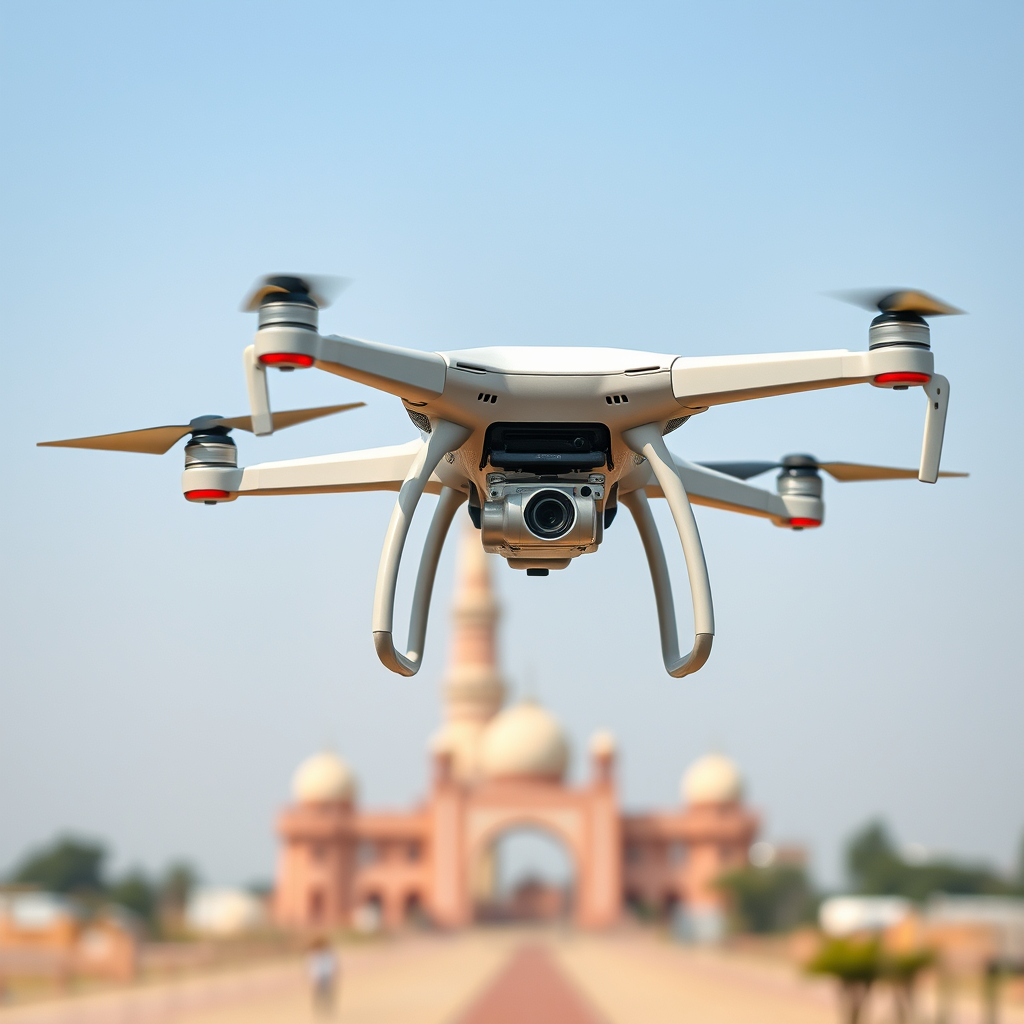
Drones in India are primarily regulated by the Directorate General of Civil Aviation (DGCA), which is the national aviation authority governing civil aviation. The regulatory framework is aimed at ensuring safety, security, and the responsible use of drones, whether for personal or commercial purposes.
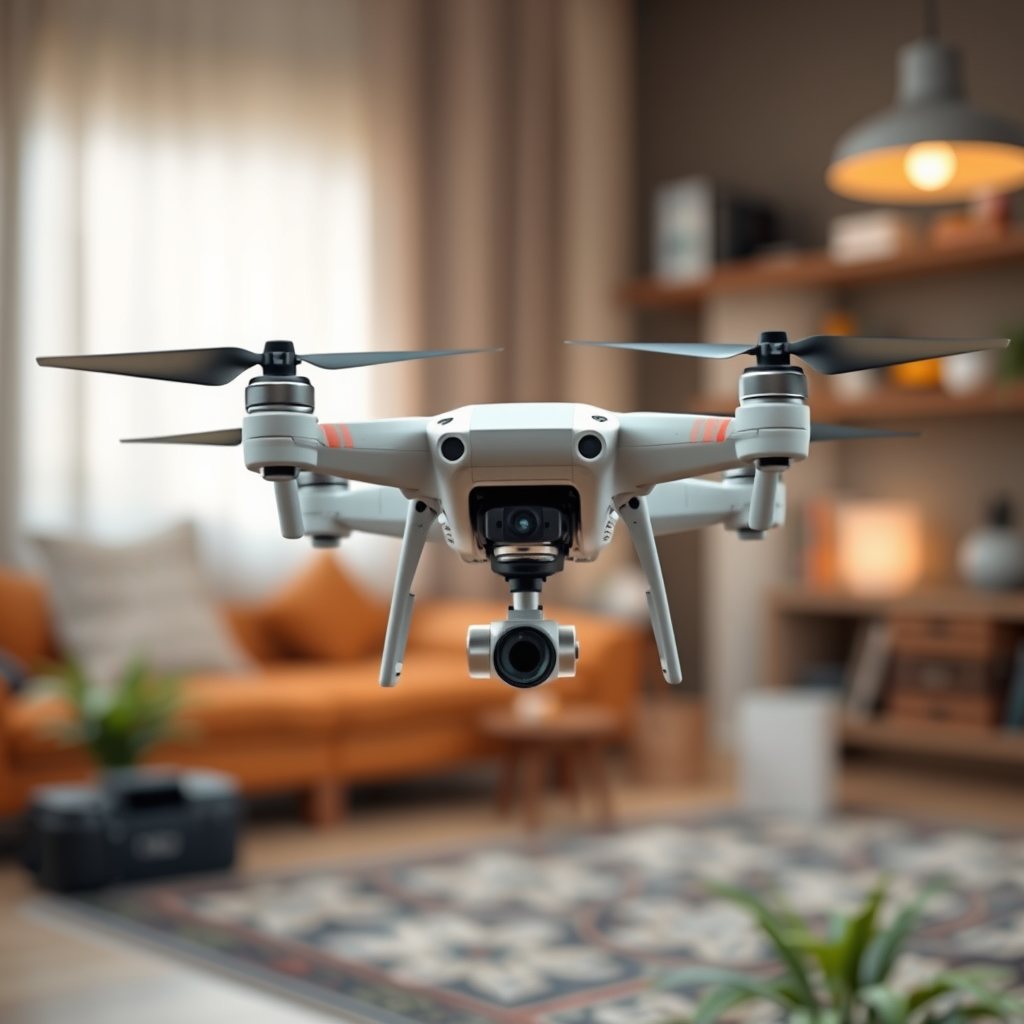
For personal use, individuals can import drones under certain weight limits and specifications, while commercial use typically necessitates stricter compliance with regulations, including obtaining special licenses. The DGCA has categorized drones based on their weight, which influences the rules that apply. For instance, drones weighing less than 250 grams are subject to fewer restrictions compared to heavier models, which may require registration and additional clearances.
Moreover, recent developments in drone policy reflect a growing recognition of the potential benefits of drone technology, including its applications in sectors such as agriculture, surveillance, and delivery services. Therefore, staying abreast of the evolving regulations is crucial for prospective drone importers.
Required Documentation for Import
To import a drone into India, certain key documents are mandatory. First and foremost, one must possess a valid Importer Exporter Code (IEC), which is essential for all import activities in India and can be obtained from the Directorate General of Foreign Trade (DGFT).
Additionally, an application for clearance must be submitted to the DGCA, detailing the specifics of the drone being imported. This includes the drone’s specifications, purpose of use, and compliance with safety standards. Supporting documents such as the invoice from the supplier, bill of lading, and any relevant certifications must accompany the application. It is crucial to ensure that all documents are accurate and complete to avoid delays in the clearance process.
Furthermore, if the drone is intended for commercial use, additional documentation may be required, such as proof of business registration and compliance with operational guidelines specified by the DGCA.
Types of Drones Permitted for Import
The type of drone you intend to import significantly affects the import process. Drones weighing less than 250 grams are generally permitted with minimal regulations. These lightweight drones are often used for recreational purposes and can be imported without extensive documentation.
In contrast, drones classified as “Remotely Piloted Aircraft Systems” (RPAS) that exceed 250 grams are subject to more stringent regulations. Commercial drones used for delivery services, aerial photography, or agricultural applications require specific approvals and certifications from the DGCA. This includes obtaining a Unique Identification Number (UIN) for the drone and a Remote Pilot License (RPL) for the operator.
Understanding the categorization of drones is essential to ensure compliance with import regulations, as importing a drone without the necessary approvals can lead to penalties and confiscation of the equipment.
Customs Duties and Taxes
When importing a drone into India, it is important to be aware of the customs duties and taxes that apply. The customs duties are calculated based on the value of the drone, including any shipping costs. The applicable duty rate can vary depending on the drone’s specifications and purpose.
In addition to customs duties, the Goods and Services Tax (GST) is imposed on imported goods, including drones. As of recent updates, the GST on drone imports is set at 18%. It is advisable for importers to factor these costs into their budget to avoid financial surprises during the import process.
To obtain clarity on the exact duty rates and tax implications, prospective importers may consult the Indian Customs Department or seek assistance from a customs broker who can provide expert guidance on the financial aspects of importing drones.
Steps to Import a Drone
The process of importing a drone into India involves several critical steps. First, thorough research is essential. Identify a reliable supplier or manufacturer who complies with international standards and can provide the necessary certifications for the drone.
Once you have selected a supplier, the next step is to gather all required documentation, including the IEC, clearance application, and any additional certifications. After preparing these documents, submit the application to the DGCA for clearance. It is advisable to double-check all documentation for accuracy and completeness to minimize potential delays.
Following the DGCA’s approval, you will need to coordinate with customs authorities to facilitate the importation of the drone. This may involve paying the necessary customs duties and taxes, followed by a customs inspection if required. Once cleared, you can receive your drone and begin using it in accordance with Indian regulations.
Common Challenges in the Import Process
Importing a drone can be fraught with challenges, particularly related to documentation and compliance with regulations. One common issue is delays in clearance due to incomplete or inaccurate documentation. Importers may find that missing information can lead to lengthy back-and-forth communications with the authorities, potentially delaying the arrival of the drone.
Additionally, staying updated with the latest regulations is crucial, as the DGCA may frequently revise its guidelines. Failure to comply with the most current regulations can result in legal repercussions, including fines and confiscation of the drone. Thus, continuous monitoring of regulatory changes is vital for anyone looking to import a drone into India.
Tips for a Smooth Import Experience
To ensure a seamless import process, consider the following tips. First, stay informed about the latest guidelines issued by the DGCA, as these can change regularly. Subscribing to official DGCA newsletters or following relevant government announcements can help you stay updated.
Consulting with a customs broker or legal expert can also provide valuable insights into navigating the complexities of the import process. These professionals can assist with documentation, compliance, and understanding the nuances of customs regulations, thereby reducing the likelihood of errors.
Lastly, maintaining open communication with your supplier is crucial. Ensure they provide all necessary documentation and certifications ahead of time, and confirm that they are well-versed in the requirements for exporting to India.
In conclusion, while importing a drone into India is feasible, it requires careful attention to regulations, proper documentation, and adherence to customs procedures. By understanding the legal framework and following the outlined steps, you can facilitate a successful import process. This will not only ensure compliance with Indian laws but also allow you to enjoy the benefits of drone technology safely and legally.
Frequently Asked Questions
What are the regulations for importing drones into India?
The regulations for importing drones into India are governed by the Directorate General of Civil Aviation (DGCA). Importers must ensure that the drone complies with the Civil Aviation Requirement (CAR) for Remotely Piloted Aircraft Systems (RPAS). Additionally, you must obtain an Importer Exporter Code (IEC) from the Directorate General of Foreign Trade (DGFT) and register the drone with the DGCA once it arrives in India.
How do I obtain permission to import a drone into India?
To obtain permission to import a drone into India, you need to follow several steps. First, you must apply for an Importer Exporter Code (IEC) from the DGFT. Then, submit a request for drone import to the DGCA, including necessary documentation such as the drone specifications, intended use, and compliance with safety standards. The DGCA will review your application, and upon approval, you can proceed with the import process.
Why is it important to register my drone after importing it to India?
Registering your drone after importing it to India is crucial for legal compliance and safety. The DGCA mandates that all drones above a certain weight must be registered to ensure proper tracking and regulation, which helps prevent accidents and misuse. Moreover, registration provides you with a unique identification number, making it easier to report any issues or incidents involving your drone.
What are the best practices for importing a drone to ensure compliance?
The best practices for importing a drone to ensure compliance include thoroughly researching the DGCA regulations concerning drones, obtaining the necessary import licenses, and ensuring your drone meets the required specifications. Additionally, keep all documentation organized, including invoices, shipping papers, and compliance certificates, to facilitate smooth customs clearance and registration with the DGCA.
Which types of drones are allowed for import into India?
In India, the types of drones allowed for import are categorized based on their weight and intended use. Drones weighing less than 250 grams can be imported with fewer restrictions, while those weighing between 250 grams to 2 kilograms require registration. Additionally, drones intended for commercial use must adhere to stricter regulations and obtain specific permissions from the DGCA. Always check the latest DGCA guidelines to ensure compliance with current import policies.
References
- https://www.civilaviation.gov.in/
- https://www.thehindu.com/news/national/drone-regulations-in-india-what-you-need-to-know/article35025010.ece
- https://www.reuters.com/article/us-india-drones-regulations-idUSKBN2A10O9
- https://www.business-standard.com/article/economy-policy/drone-imports-in-india-what-you-need-to-know-121112200106_1.html
- https://en.wikipedia.org/wiki/Drone_regulation_in_India
- https://www.mygov.in/group-issue/drones-in-india/
- https://www.bbc.com/news/world-asia-india-54810369
