
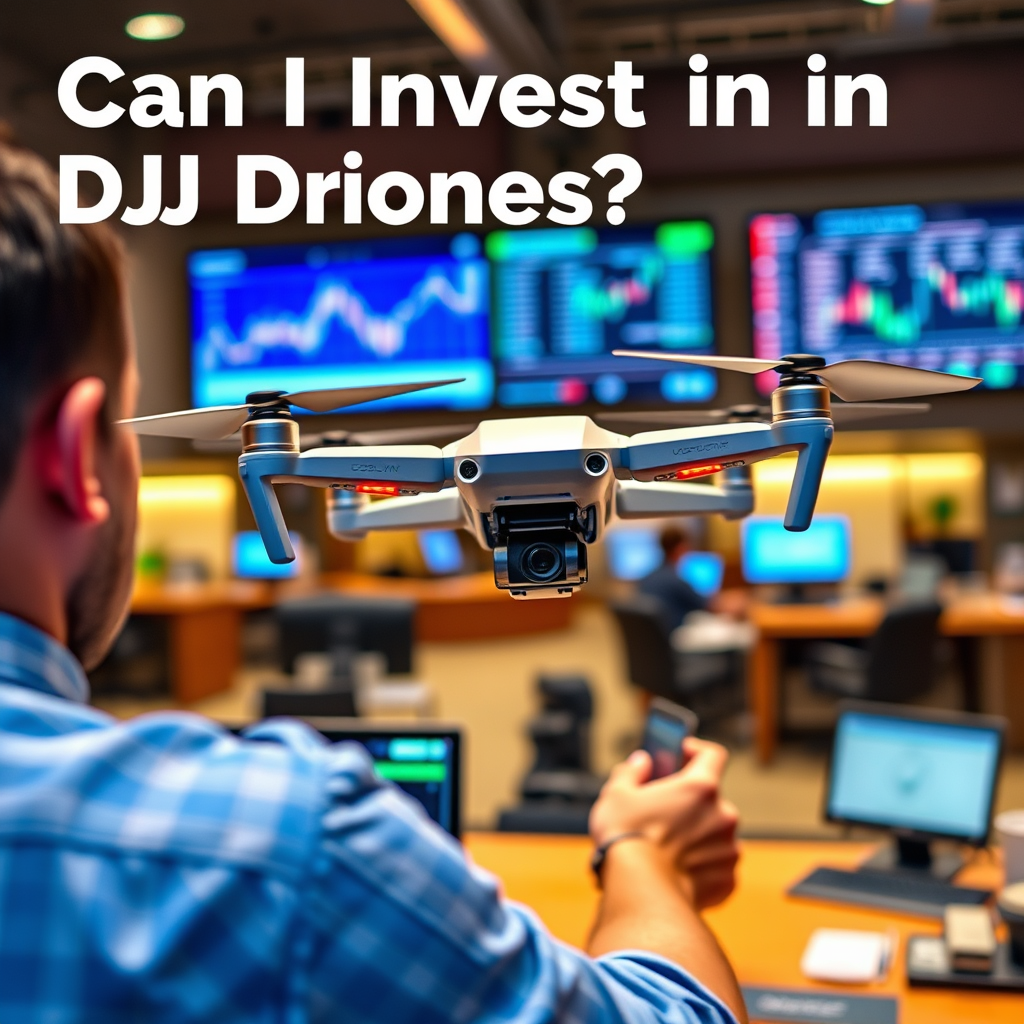
Investing in DJI drones can be a lucrative opportunity, but it depends on your goals and the current market. As a leader in the drone industry, DJI offers a range of products that cater to various sectors, providing potential avenues for investment. This guide will delve into the factors to consider when investing in DJI drones, including market trends, financial performance, risks, and investment strategies.
Understanding DJI as a Company
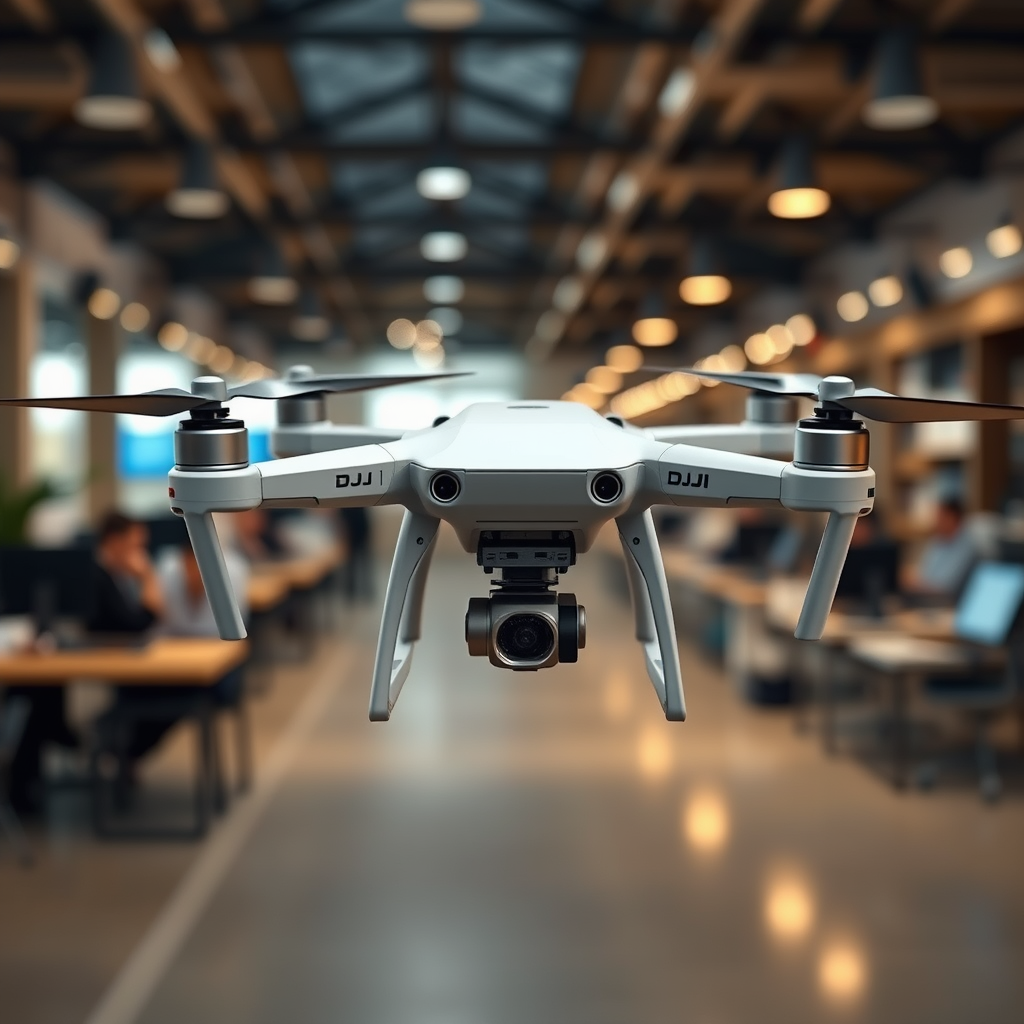
DJI, formally known as Da-Jiang Innovations Science and Technology Co., Ltd., is a Chinese technology company founded in 2006. It has established itself as the global market leader in the drone industry, renowned for its innovative technology and high-quality products. DJI’s product lineup is diverse, encompassing consumer drones like the Mavic series, professional drones such as the Inspire and Phantom series, and enterprise-grade drones for industrial applications.
The company’s commitment to research and development has enabled it to maintain a competitive edge, frequently releasing models equipped with cutting-edge features like advanced obstacle avoidance, high-resolution cameras, and improved battery life. This innovation not only enhances user experience but also expands the potential applications of drones across sectors such as agriculture, construction, film production, and emergency services.
Market Trends in Drone Investment
The drone market is experiencing rapid growth, projected to surpass $40 billion by 2026, according to various industry reports. This growth is driven by increasing applications across multiple sectors, including logistics, agriculture, surveillance, and entertainment. For instance, companies are now utilizing drones for delivery services, which is revolutionizing the logistics sector, while agricultural businesses leverage drones for crop monitoring and analysis.
Understanding market trends such as regulatory changes is essential for potential investors. Governments worldwide are beginning to establish drone regulations to ensure safety and privacy. For instance, in the United States, the FAA has introduced rules that govern drone operations, which can significantly influence market dynamics. Staying informed about these regulations can help investors anticipate changes that may impact DJI’s operations and growth.
Technological advancements also play a crucial role in shaping the drone market. Innovations in artificial intelligence, machine learning, and battery technology are set to enhance drone capabilities, making them more appealing to consumers and businesses alike. As DJI continues to innovate, the company is well-positioned to capitalize on these trends.
Evaluating DJI’s Financial Performance
When considering an investment in DJI drones, it is vital to review the company’s financial performance. Although DJI is privately held and does not publicly disclose all financial data, various reports suggest that the company has consistently shown robust revenue growth. For example, in 2020, DJI reportedly generated over $2.8 billion in revenue, reflecting a significant market share in the consumer and professional drone sectors.
Profit margins also indicate DJI’s financial health. The company has maintained high-profit margins, attributed to its premium pricing strategy and strong brand recognition. Analyzing recent financial reports, investor commentary, and industry analyses can provide deeper insights into DJI’s stability and growth trajectory.
Investors should also consider DJI’s competitive positioning. While DJI commands a substantial market share, competition from companies like Parrot, Skydio, and Autel Robotics is intensifying. Evaluating how DJI responds to this competition, through innovation and marketing strategies, is crucial for understanding its long-term viability.
Risks Associated with Investing in DJI Drones
As with any investment, there are inherent risks associated with investing in DJI drones. Market volatility is a primary concern, especially as consumer preferences evolve and new competitors emerge. The drone market is relatively young and subject to rapid technological changes, which can affect market dynamics and consumer demand.
Additionally, legal and regulatory risks pose significant challenges. DJI has faced scrutiny over data privacy and security concerns, particularly in markets like the United States. Regulatory bodies have implemented restrictions on drone usage, which could hinder DJI’s growth prospects if not navigated carefully. Investors must stay informed about ongoing legal developments that may impact DJI’s operations.
Another risk factor is geopolitical tensions. DJI, being a Chinese company, could be affected by trade restrictions or tariffs imposed by various countries. This could lead to supply chain disruptions or increased operational costs, potentially impacting profitability.
Different Ways to Invest in DJI Drones
Investing in DJI drones can be approached in several ways. One of the most straightforward methods is through direct investment in DJI if it goes public in the future. Currently, since DJI is privately held, individual stock purchases are not available. However, investors can consider Exchange-Traded Funds (ETFs) that include DJI and other drone manufacturers, providing a diversified investment approach.
Another avenue is investing in companies that produce drone-related technologies or components, such as camera manufacturers, battery technology firms, or software developers specializing in drone applications. These companies may benefit from the growing drone market and provide indirect exposure to DJI’s success.
Crowdfunding platforms also offer opportunities to invest in emerging drone startups or technologies. Participating in crowdfunding can provide investors with early access to innovative products and potentially high returns, albeit with higher risks.
Consumer Demand and Future Outlook
Consumer demand for drones has been steadily increasing, driven by technological advancements and expanding applications. The rise of recreational drone use, coupled with the growing interest in drone photography and videography, has boosted demand for consumer-grade drones. Furthermore, enterprises are increasingly adopting drones for business operations, from surveying land to monitoring wildlife, indicating a shift towards more professional applications.
Looking ahead, the future of the drone market appears promising. As technology continues to evolve, advancements in autonomous flight, enhanced AI capabilities, and improved battery life will likely lead to even broader adoption across various industries. Analysts predict that the integration of drones into everyday business operations will become commonplace, further propelling market growth.
The potential for drones in sectors like delivery services, public safety, and infrastructure inspection suggests a bright future. Investors who can identify and act on emerging trends will be well-positioned to capitalize on the opportunities presented by this dynamic market.
Tips for Successful Drone Investment
To maximize the potential of investing in DJI drones, staying informed about industry news and innovations is essential. Subscribing to relevant industry publications, attending drone expos, and following key influencers on social media can help keep investors updated on the latest developments.
Networking with other investors and industry experts can provide valuable insights into market trends and investment strategies. Joining online forums or attending industry conferences can facilitate connections with like-minded individuals who share a passion for drone technology.
Moreover, conducting thorough due diligence before making any investment decisions is critical. This includes analyzing financial reports, market analyses, and understanding the competitive landscape. By gathering comprehensive information, investors can make informed choices that align with their investment goals.
Investing in DJI drones offers exciting possibilities, but it’s essential to conduct thorough research and understand the market dynamics. By evaluating DJI’s financial performance, market trends, and potential risks, you can make informed investment decisions. Start by exploring DJI’s latest offerings and consider joining investment communities to stay updated on opportunities in the drone sector.
Frequently Asked Questions
Can I invest in DJI drones as a retail investor?
Yes, you can invest in DJI drones indirectly by purchasing stocks of companies that manufacture or sell drone technology. DJI itself is a private company, so its shares are not available on public stock exchanges. However, you can consider investing in publicly traded companies that partner with DJI or are involved in the drone industry, such as those that produce drone components or offer drone-related services.
What are the risks of investing in the drone industry, particularly with DJI products?
Investing in the drone industry presents several risks, including regulatory challenges, technological changes, and market competition. DJI, while a leader in the consumer drone market, faces competition from other manufacturers and potential trade restrictions. Additionally, government regulations on drone usage can impact sales, so it’s essential to research these factors before investing.
How can I evaluate the investment potential of DJI drones?
To evaluate the investment potential of DJI drones, consider market trends, sales growth, and the overall health of the drone industry. Analyze DJI’s product lineup, customer reviews, and market share to gauge consumer interest. Additionally, keep an eye on regulatory developments and technological advancements that could influence the demand for drones in various sectors, such as agriculture, photography, and delivery services.
Which DJI drones are most popular for commercial use, and how does that affect investment potential?
The DJI Matrice series and the DJI Phantom series are among the most popular drones for commercial use, catering to industries like agriculture, construction, and surveying. Their popularity indicates strong market demand, which can positively affect investment potential in related companies. Understanding which models are favored by professionals can help you identify trends and potential growth opportunities in the drone market.
Why should I consider investing in drone technology beyond just DJI products?
Investing in drone technology beyond DJI products offers diversification and exposure to a rapidly growing industry. As drones become increasingly integrated into various sectors like logistics, agriculture, and emergency services, opportunities arise in other companies that provide complementary technologies, software, and services. Exploring a broader range of drone-related investments can enhance your portfolio and reduce risk associated with dependence on a single company.
References
- Drone
- https://www.bbc.com/news/technology-57099028
- https://www.theguardian.com/us-news/2021/apr/12/drones-regulation-usa
- Unmanned Aircraft Systems (UAS) | Federal Aviation Administration
- https://www.nytimes.com/2021/07/22/technology/drones-business.html
- https://www.reuters.com/technology/drones-are-here-and-they-are-changing-how-business-works-2021-05-24/
- drones | TechCrunch
- https://www.nasa.gov/mission_pages/UAS/index.html
- https://www.itu.int/en/ITU-T/focusgroups/ict4sdg/Pages/default.aspx
