

Yes, you can legally shoot down a drone over your property, but there are significant legal risks and consequences to consider. While some may perceive this as a straightforward solution to an invasion of privacy or annoyance, the laws governing drone use and property rights are complex and vary widely by jurisdiction. Understanding these nuances is crucial before taking any drastic action.
Understanding Drone Laws
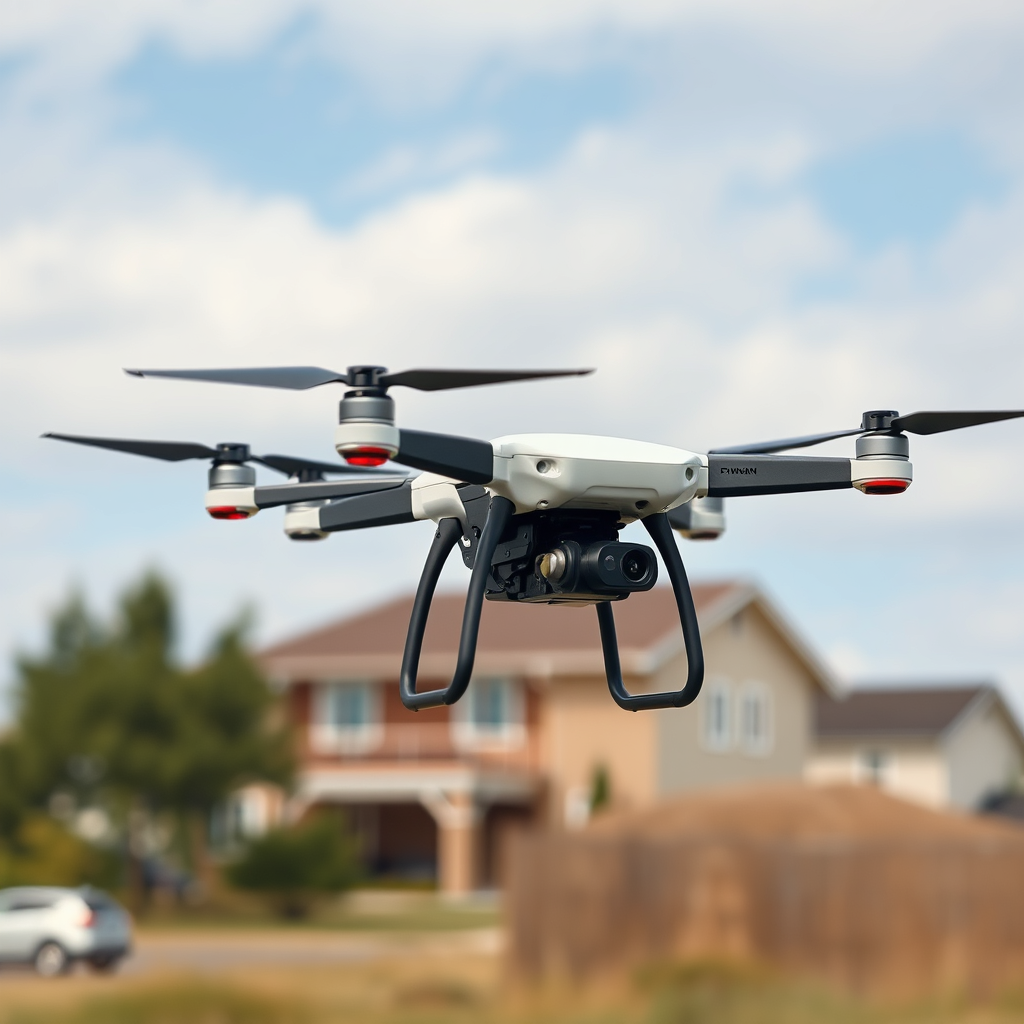
Federal regulations in the United States, particularly those governed by the Federal Aviation Administration (FAA), provide a framework for drone operations. According to these regulations, drones are classified as unmanned aerial systems (UAS), and their operation is subject to specific rules designed to ensure safety and compliance within national airspace. The FAA prohibits individuals from shooting down drones, as this could pose risks to public safety and the integrity of the airspace system.

When it comes to property rights, the “airspace” above one’s property is generally considered to extend to a reasonable height. However, legal interpretations can vary. The landmark case of United States v. Causby established that property owners have rights to the airspace above their land, but these rights do not extend indefinitely. Drones flying at altitudes that comply with FAA regulations (typically under 400 feet) are legally permitted to operate, which can complicate a property owner’s claim to defend their airspace.
State-Specific Laws
Laws regarding drone usage can differ significantly from state to state. For example, California has enacted strict laws regarding drone surveillance, particularly concerning privacy violations, allowing property owners to take legal action if a drone invades their privacy. Conversely, states like Texas have more lenient regulations, where the laws focus more on property rights without specific provisions against drones.
Additionally, many states have introduced legislation that allows law enforcement to use drones for various purposes, which can further cloud the legal landscape. For instance, in 2021, Florida passed a law that prohibits drones from being used to record individuals without their consent, but this does not grant property owners the right to shoot them down. Therefore, understanding local regulations is crucial for anyone contemplating taking action against a drone.
Legal Consequences of Shooting Down a Drone
Shooting down a drone can lead to severe legal repercussions. At the federal level, individuals may face criminal charges, including destruction of property, reckless endangerment, or even federal felony charges if the drone is deemed to be in controlled airspace. The FAA has outlined penalties that can range from fines to imprisonment, depending on the severity of the action.
Moreover, property owners who shoot down a drone may also face civil liability. If the drone operator decides to pursue legal action, the property owner may be responsible for damages not only to the drone itself but also for any collateral damage that could occur during the incident. Estimates for the cost of a consumer drone can vary widely, but some models are valued at several thousand dollars, and legal fees can add significantly to the financial burden.
Alternatives to Shooting Down a Drone
Rather than resorting to shooting down a drone, there are several alternative strategies that property owners can employ. Reporting the drone to local law enforcement or the FAA is a recommended course of action. Authorities are better equipped to handle the situation and can investigate whether the drone is operating within legal parameters.
Additionally, property owners can utilize non-destructive deterrent measures to discourage drone activity. For instance, using drones equipped with signal jammers, while illegal for individual use, may have legal avenues through authorized agencies. Other methods include employing reflective surfaces or other visual barriers to shield privacy without resorting to violence.
Self-Defense and Privacy Laws
Self-defense laws can occasionally intersect with drone-related situations, particularly if a drone poses a genuine threat to personal safety. However, the legal justification for self-defense is typically narrow and must be substantiated by imminent danger. For instance, if a drone is being used in a way that poses a direct threat to individuals on the ground, there may be a case for self-defense.
In terms of privacy laws, many states have enacted legislation aimed at protecting individuals from being surveilled without their consent. For example, laws in states like New York prohibit drone operators from using drones to capture images or video of individuals in private settings without permission. If a drone is invading your privacy, contacting law enforcement may lead to intervention without the need for drastic measures.
Seeking Legal Advice
Given the complexity of drone laws and the potential consequences of taking action against a drone, consulting with a legal expert is essential. An attorney specializing in aviation or property law can provide guidance tailored to your specific situation and jurisdiction. Resources such as local bar associations or online legal services can help individuals find qualified legal assistance.
Understanding the intricacies of drone legislation and property rights not only protects you legally but also ensures that any actions taken align with current laws and regulations.
In conclusion, while the idea of shooting down a drone over your property might seem appealing, the legal ramifications can be severe. Federal regulations, state-specific laws, and the potential for civil liability create a complex landscape that demands careful navigation. Exploring alternative options and seeking legal advice are critical steps to ensure you are protected and informed before taking any drastic measures.
Frequently Asked Questions
Can I legally shoot down a drone that is flying over my property?
Generally, you cannot legally shoot down a drone flying over your property. In most jurisdictions, using firearms or any weapon to disable or destroy a drone can lead to serious legal consequences, including criminal charges. Instead, if you feel a drone is invading your privacy or posing a threat, it’s advisable to report the incident to local law enforcement or the FAA, which governs airspace regulations.
What are the laws regarding drones flying over private property?
The laws surrounding drones flying over private property vary by state and country, but in the U.S., the FAA generally allows drones to fly in national airspace, including over private property. However, if a drone invades your privacy or captures images without consent, you may have grounds to file a complaint or seek legal action based on state privacy laws. It’s essential to understand both federal regulations and local laws to know your rights.
How can I protect my property from unwanted drones?
To protect your property from unwanted drones, you can employ several strategies. First, you might consider using physical barriers, such as privacy fencing or foliage. Additionally, there are drone detection systems and anti-drone technology available that can alert you to drones in your vicinity. Always remember to check local regulations to ensure that any protective measures you take comply with the law.
Why do people want to shoot down drones over their homes?
People may feel compelled to shoot down drones over their homes primarily due to concerns about privacy invasion, security threats, or safety risks, especially if the drone is flying low or behaving erratically. The presence of a drone can evoke feelings of vulnerability and discomfort, leading some individuals to consider extreme measures. However, it’s crucial to address these concerns legally and safely, as shooting down a drone can escalate the situation and result in legal repercussions.
Which authorities should I contact if I see an intrusive drone?
If you see an intrusive drone flying over your property, you should contact local law enforcement or the Federal Aviation Administration (FAA) to report the incident. Local police can assist if the drone is violating privacy rights or local laws, while the FAA handles airspace regulations and can investigate unauthorized drone operations. Additionally, documenting the drone’s flight pattern and any potential violations can be helpful when reporting the issue.
References
- https://en.wikipedia.org/wiki/Drone#Legal_issues
- https://www.faa.gov/uas/getting_started/remote_id
- https://www.nolo.com/legal-encyclopedia/can-i-shoot-drone-my-property-29740.html
- https://www.reuters.com/legal/americans-are-not-allowed-shoot-down-drones-their-properties-2021-04-27/
- https://www.ncsl.org/research/telecommunications-and-information-technology/drone-laws.aspx
- https://www.forbes.com/sites/forbestechcouncil/2021/10/26/drone-laws-in-the-us-what-you-need-to-know/
- https://www.aclu.org/news/privacy-technology/2020/06/what-you-need-to-know-about-drones-and-your-privacy/
- https://www.theguardian.com/us-news/2020/jun/18/us-drone-laws-property-rights
- https://www.bbc.com/news/technology-46308606
