

Yes, you can pack a drone in your checked luggage, but there are important regulations and safety considerations to keep in mind. Traveling with a drone requires careful attention to airline policies, battery regulations, and international laws to ensure a seamless journey. Understanding these factors will help you navigate the complexities of transporting your drone, so you can focus on capturing stunning aerial footage at your destination.
Understanding Airline Policies
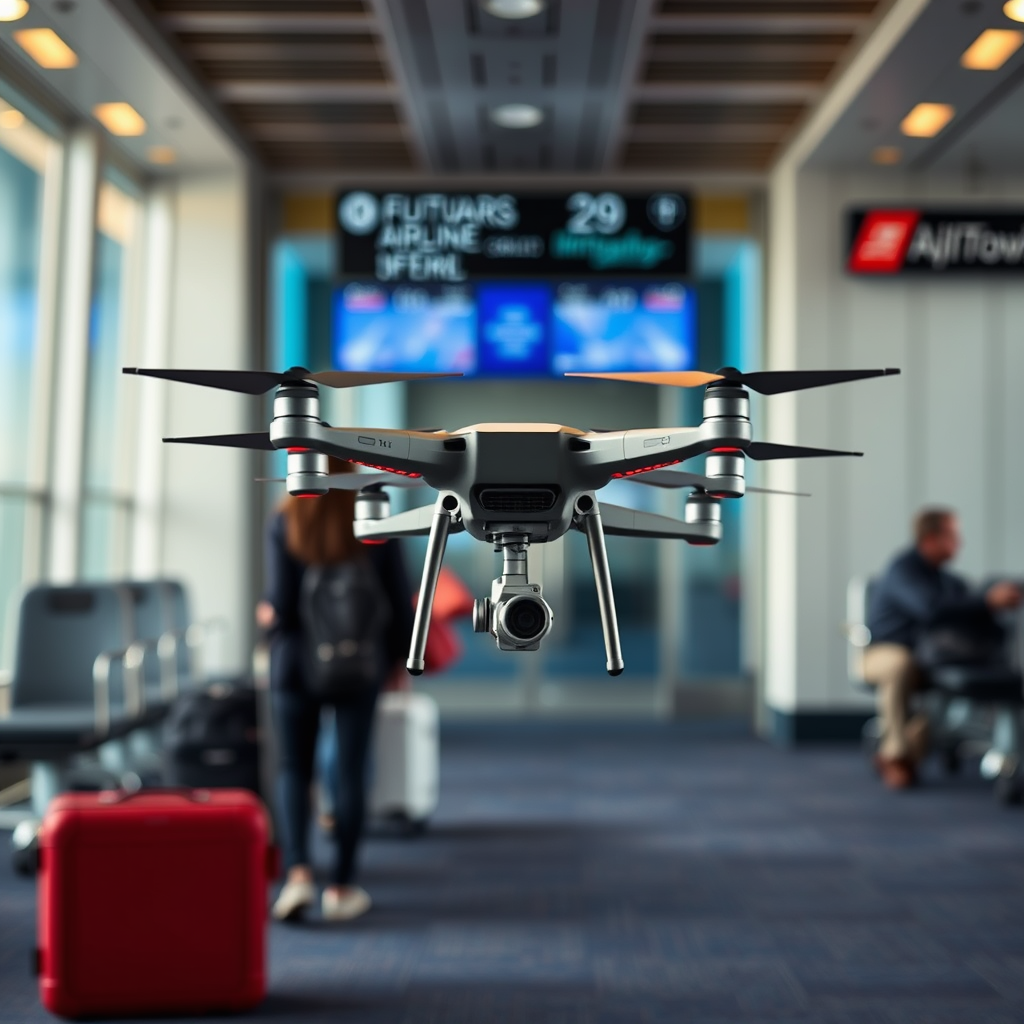
When it comes to packing a drone in checked luggage, the first step is to familiarize yourself with the specific policies of the airline you are flying with. Different airlines may have varying rules regarding the transportation of drones, often influenced by safety protocols and regulations governing air travel. For example, while some airlines may allow drones in checked baggage, they might impose restrictions on the size and weight of the drone, or limit the type of batteries you can transport.
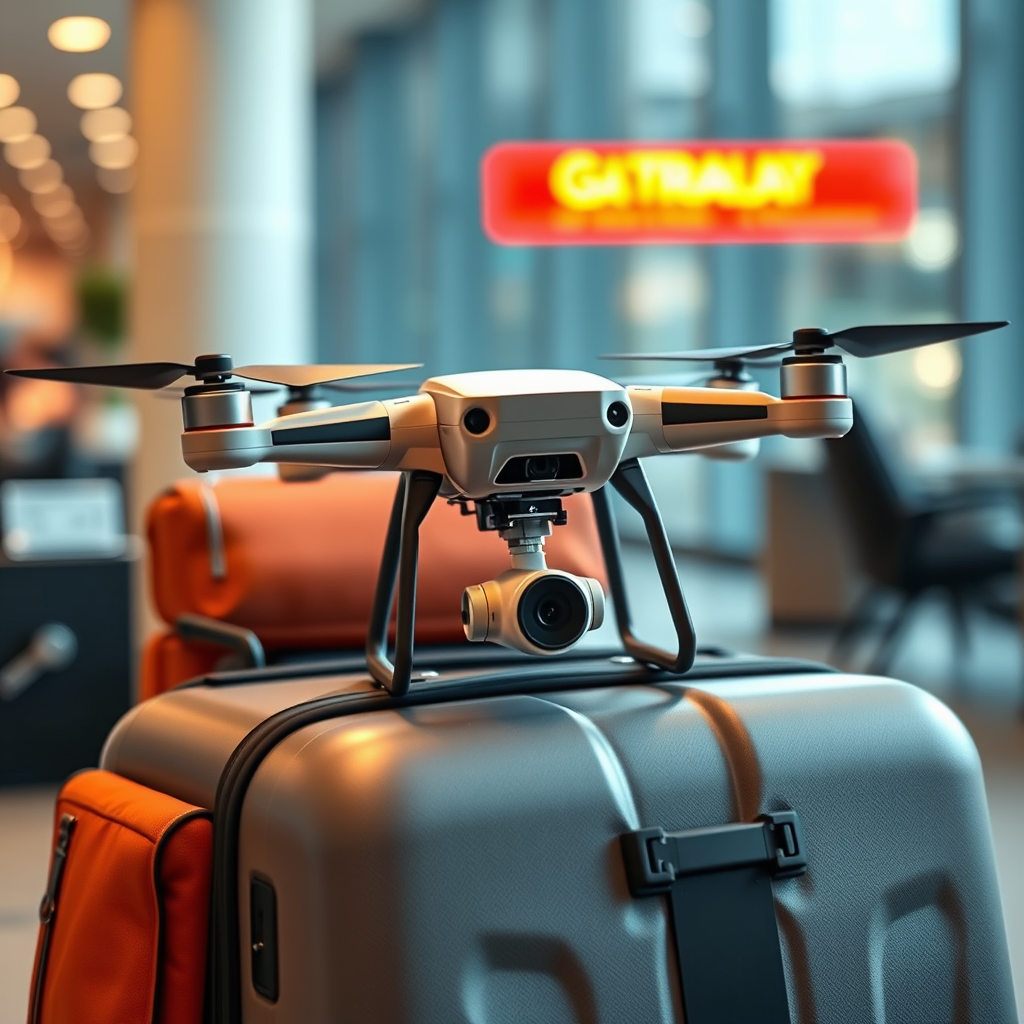
To avoid any last-minute surprises at the airport, always check with your airline prior to your flight. This can usually be done by visiting the airline’s website or contacting their customer service. Additionally, it is wise to review the Transportation Security Administration (TSA) regulations if you are traveling within the United States, as they provide guidelines on what can be carried in checked and carry-on luggage.
Battery Regulations
One of the most critical aspects of traveling with a drone is understanding battery regulations. Most drones operate on lithium-ion or lithium-polymer batteries, which are subject to strict guidelines due to their potential fire hazard. The International Air Transport Association (IATA) and various airlines typically restrict the transport of lithium batteries in checked baggage.
To ensure safety and compliance, it is often recommended to carry your drone’s batteries in your carry-on luggage instead of packing them in checked baggage. Carry-on storage allows for easier monitoring and access in case of an emergency. Additionally, many airlines limit the watt-hour rating of lithium batteries that can be transported, usually capping it at 100 watt-hours for carry-on items. Always double-check the specifics of your drone’s batteries and the airline’s regulations to avoid any issues during your journey.
Preparing Your Drone for Travel
Preparation is key when packing your drone for travel. Disassembling your drone as much as possible not only saves space in your luggage but also provides better protection against damage during transit. Remove propellers and any detachable parts and store them in a separate padded case or compartment.
Using a padded case or the original packaging is highly recommended to safeguard your drone against physical impacts. A well-designed drone case will provide cushioning, keeping your equipment secure and minimizing the risk of damage. Additionally, it is beneficial to include any necessary accessories, such as remote controls and extra batteries, in the same case, ensuring everything is organized and easily accessible.
International Travel Considerations
Traveling internationally with a drone adds another layer of complexity due to varying drone laws across different countries. It is essential to research the regulations of your destination country before you travel, as some nations may impose restrictions on drone entry, require permits, or even ban the use of drones altogether. For instance, countries like Japan have strict regulations regarding drone operations, including height restrictions and no-fly zones.
You can typically find this information on government websites, or you may consult local drone enthusiast groups and forums for insights. In some cases, you may need to apply for a permit in advance, especially if you plan to use your drone for commercial purposes. Understanding these regulations will help you avoid legal issues and ensure a hassle-free experience upon arrival.
Security Screening Procedures
When traveling with a drone, be prepared for additional security screening at airport checkpoints. Security personnel may require you to remove the drone from its case for inspection. To streamline this process, keep your drone accessible in your carry-on luggage and be ready to cooperate with security staff.
In some instances, you may also be asked to demonstrate the functioning of your drone or show its batteries. Having your drone well-organized and easily accessible will help facilitate a smoother screening process and minimize delays. Familiarizing yourself with airport security procedures can further enhance your travel experience and prevent any unexpected complications.
Tips for Safe Travel with Drones
To ensure a smooth travel experience with your drone, consider implementing the following best practices. First, label your luggage clearly with your contact information. This not only helps if your luggage gets lost but also provides an easy way for airport staff to contact you if they have questions about your drone during the screening process.
Additionally, consider investing in travel insurance that covers your drone in case of loss or damage. While this may seem like an extra expense, it can provide peace of mind, especially if your drone is valuable or essential for your trip. Lastly, always monitor local regulations and customs regarding drones at your destination, as these can change frequently and may impact your ability to fly.
In conclusion, packing a drone in your checked luggage is feasible, but it requires careful planning and adherence to airline and international regulations. By understanding airline policies, battery regulations, and international travel considerations, you can ensure that your drone arrives safely at your destination. Prepare adequately, stay informed about security procedures, and follow best practices to make your travel experience with a drone as seamless as possible.
Frequently Asked Questions
Can I pack a drone in my checked luggage?
Yes, you can pack a drone in your checked luggage, but there are specific guidelines you must follow. Airlines and countries have varying regulations regarding the transport of drones, so it’s essential to check with your airline beforehand. Additionally, be mindful of battery regulations, as lithium-ion batteries typically need to be carried in your carry-on luggage rather than checked baggage due to safety concerns.
What are the restrictions for packing a drone in checked luggage?
Restrictions for packing a drone in checked luggage often include limitations on battery size and quantity. Most airlines permit drones without batteries in checked luggage, but lithium batteries must usually be transported in carry-on bags. It’s also advisable to remove the battery from the drone and secure it properly to prevent damage during transit, as well as to check your airline’s specific policies on drone transport.
How should I pack my drone for checked luggage to avoid damage?
To ensure your drone arrives safely in checked luggage, pack it in a sturdy case with adequate padding. Disassemble any removable parts, such as propellers and landing gear, and wrap them separately to prevent scratches and breakage. Additionally, include clear labels on the case indicating that it contains fragile equipment to alert baggage handlers.
Why is it recommended to carry drone batteries in my carry-on instead of checked luggage?
It is recommended to carry drone batteries in your carry-on luggage due to the fire risk associated with lithium-ion batteries. In the event of a battery malfunction, you can address the issue more quickly in the cabin than in the cargo hold. Airlines and aviation authorities have strict regulations regarding battery transport to enhance safety, so always comply with these guidelines when traveling with a drone.
Which airlines have specific policies regarding drone transport in checked luggage?
Many airlines have specific policies regarding drone transport, and these can vary widely. Major airlines like American Airlines, Delta, and United have guidelines in place that restrict or regulate drones and their batteries. Always check the airline’s official website for their latest policies on drones and reach out to customer service if you have any specific questions to ensure compliance before your trip.
References
- https://www.faa.gov/uas/getting_started/registration
- https://www.tsa.gov/travel/security-screening/whatcanibring/items/drone
- https://www.nytimes.com/2021/07/02/travel/drones-airline-luggage.html
- https://www.wired.com/story/faa-drone-luggage-rules/
- https://www.bbc.com/news/world-us-canada-50904439
- https://www.traveldoc.aero/drone-carry-on-checked-luggage/
- https://www.aopa.org/news-and-media/all-news/2020/february/25/carrying-drones-on-airplanes
- https://www.theguardian.com/travel/2020/jan/02/travelling-with-a-drone-what-you-need-to-know
