
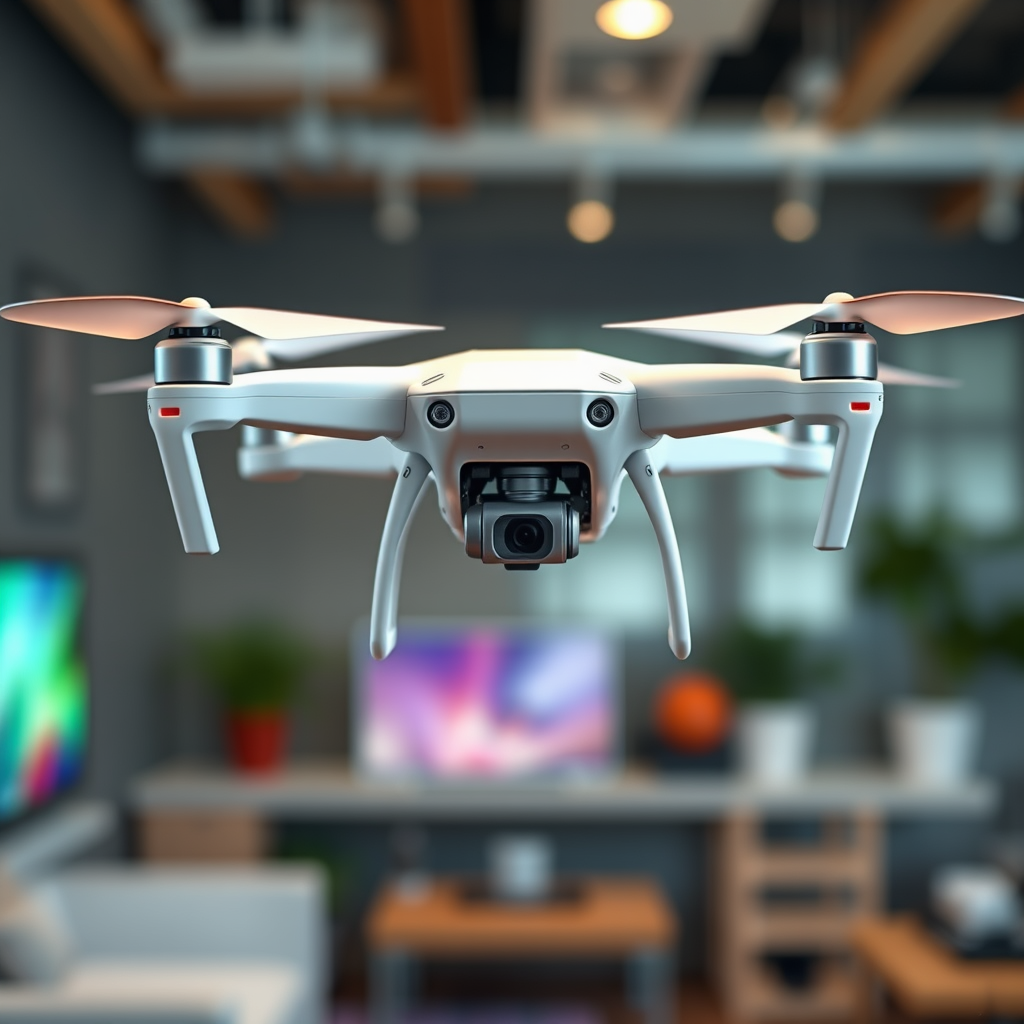
Yes, you can pawn a drone, but there are several factors to consider before doing so. Understanding the value of your drone, the terms of the pawn shop, and the potential alternatives can help you make an informed decision. Drones have become popular consumer electronics, and their value can vary widely based on several factors such as model, condition, and included accessories. This article will guide you through the essentials of pawning a drone, from understanding its value to exploring alternatives.
Understanding Drone Value
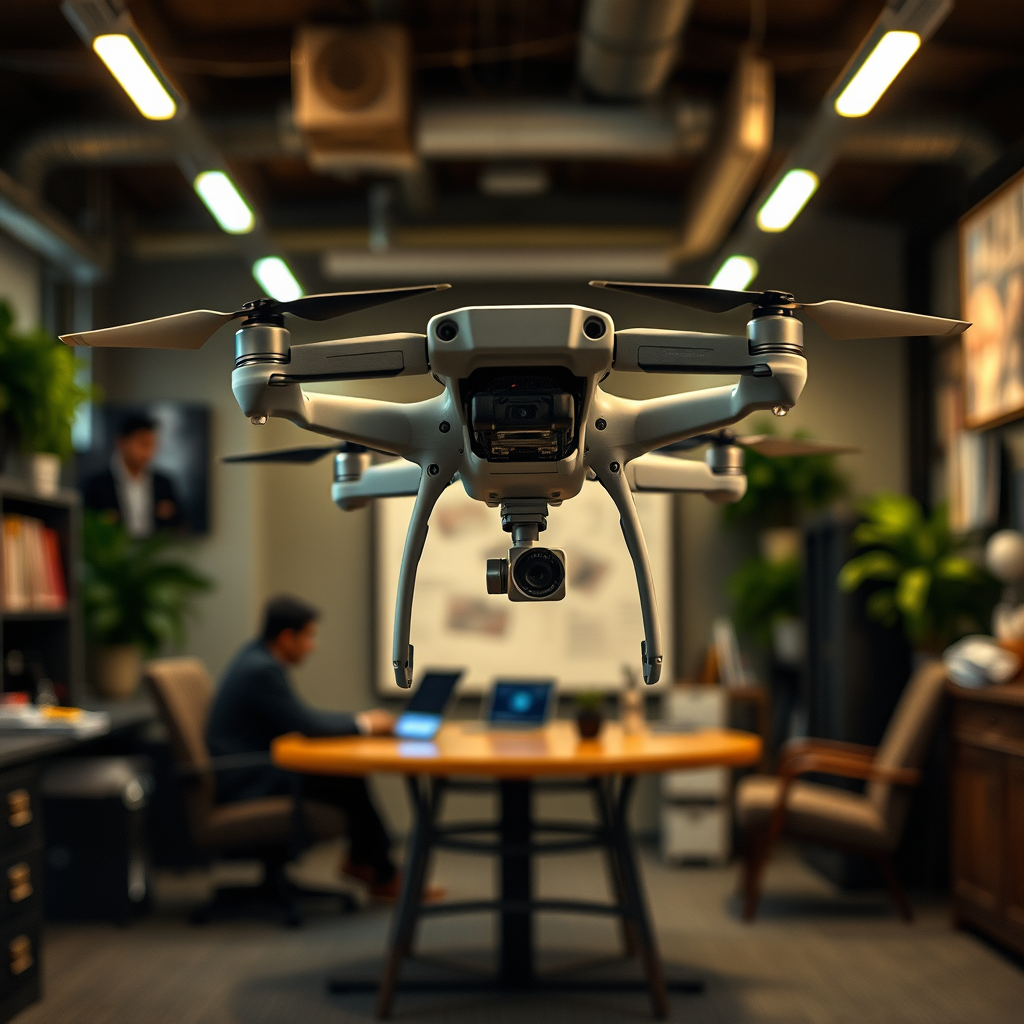
Drones can vary significantly in price based on brand, features, and condition. High-end models, like those from DJI or Autel Robotics, can fetch substantial amounts, while entry-level models may not hold much value. To ensure you receive a fair pawn offer, it’s crucial to research the market value of your specific drone model. Websites like eBay or specialized drone forums can provide insights into how much similar drones have sold for recently.
For instance, if you own a DJI Mavic Air 2, which retails for around $800, you might expect to receive a pawn offer that is about 50-70% of its market value. Conversely, a less well-known brand or an older model may yield a lower percentage. Additionally, the drone’s condition plays a significant role in its valuation; a well-maintained drone with minor wear may be valued higher than one that shows significant signs of use or damage.
Choosing the Right Pawn Shop
Not all pawn shops accept drones, so it’s important to find one that specializes in electronics. Drones fall into a niche category, and pawn shops that focus on electronics, particularly those that have experience with photography or videography equipment, are more likely to provide a fair offer.
Before visiting a shop, check online reviews or ask for recommendations from friends or local drone enthusiasts. Websites like Yelp or Google Reviews can help you gauge the reputation of a pawn shop. Look for shops that have a history of fair dealings and positive customer service experiences. Additionally, consider visiting multiple shops to compare offers and terms, as this will ensure you get the best deal possible.
Preparing Your Drone for Pawning
To maximize the value of your drone, preparation is key. Start by cleaning your drone thoroughly, removing any dirt or debris that could detract from its appearance. Ensure that it is in working condition; test all features, including the camera, remote, and battery life. A functioning drone is far more appealing to a pawn shop than one that shows signs of neglect or malfunction.
Gather all accessories, including the remote control, batteries, charging cables, and any manuals or original packaging. Presenting a complete package not only enhances the perceived value of your drone but also demonstrates to the pawn shop that you have taken good care of it. When you arrive at the pawn shop, be prepared to demonstrate that the drone operates correctly, as this can significantly influence the offer you receive.
What to Expect During the Pawning Process
When pawning your drone, be prepared to provide identification and proof of ownership. Most pawn shops require valid identification, such as a driver’s license, to comply with local regulations. Some may also ask for a receipt or other documentation proving that you own the drone.
Understand the terms of the loan, including interest rates and repayment periods. Pawn shops typically offer a loan based on a percentage of the item’s value, and you will need to pay back the loan amount plus interest within a specified timeframe to reclaim your drone. Interest rates can vary widely, often ranging from 10% to 25% per month, so be sure to clarify these details before agreeing to the terms. It’s advisable to ask about any additional fees, such as storage fees or penalties for late payments, to avoid unexpected costs.
Alternatives to Pawning Your Drone
Pawning your drone is not your only option. If you’re looking for immediate cash but want to retain ownership, consider selling your drone online through platforms like eBay, Craigslist, or specialized drone marketplaces. Selling outright may yield a higher profit than pawning, as pawn shops typically buy at a significantly reduced rate.
Another alternative is renting out your drone. If you don’t need immediate cash and want to retain ownership, consider listing your drone on rental platforms such as Fat Llama or ShareGrid. Renting can provide a steady income stream while keeping your drone in your possession for personal use down the line.
Risks of Pawning Your Drone
While pawning can provide quick cash, it comes with inherent risks. If you cannot repay the loan within the agreed timeframe, you risk losing your drone permanently. Unlike selling, where you relinquish ownership willingly, pawning places your item at risk of forfeiture if financial circumstances change.
Moreover, pawning may offer less cash than selling outright, making it critical to weigh your options carefully. If you find yourself needing to pawn your drone, ensure you have a clear plan for repayment to avoid losing a valuable asset. Assess your financial situation and determine if pawning is truly the best route for you.
In summary, while pawning a drone is indeed possible, it requires careful consideration and preparation. Understanding the value of your drone, choosing the right pawn shop, and being aware of the pawning process are all essential steps. Additionally, it’s wise to explore alternative options like selling or renting your drone to maximize its value. By taking these factors into account, you can make an informed decision that aligns with your financial needs.
Frequently Asked Questions
Can I pawn a drone that I bought online?
Yes, you can pawn a drone that you bought online, as long as it is in good working condition and has all its original accessories, such as the remote control and batteries. Pawn shops typically accept various electronics, including drones, but the value they offer will depend on the brand, model, and condition of your drone. Be sure to have any relevant paperwork, such as the receipt or warranty, to potentially receive a better offer.
What factors affect the value of my drone when pawning it?
The value of your drone when pawning it is influenced by several factors, including its brand, model, age, and condition. High-end drones from reputable manufacturers like DJI or Parrot tend to hold their value better than lesser-known brands. Additionally, any included accessories, such as extra batteries or carrying cases, can enhance the overall value. Lastly, the current market demand for drones can also impact the pawn shop’s offer.
How do I prepare my drone for pawning?
To prepare your drone for pawning, first ensure it is clean and in good working condition. Charge the batteries and perform a test flight to confirm it operates smoothly. Gather all original accessories, including the remote control, extra batteries, and any documentation, such as the manual and original packaging. Providing a complete package increases your chances of receiving a higher offer from the pawn shop.
Why should I consider pawning my drone instead of selling it?
Pawning your drone can be a quick way to obtain cash without permanently losing ownership of the item. When you pawn, you receive a loan based on your drone’s value, allowing you to reclaim it later by paying back the loan plus interest. This is particularly beneficial if you need immediate funds and are confident you can repay the loan, unlike selling, which transfers ownership permanently.
Which types of drones are most commonly accepted at pawn shops?
Most pawn shops will accept a wide range of drones, but those that are compact, portable, and equipped with high-definition cameras are generally more desirable. Popular consumer models from brands like DJI (e.g., Mavic or Phantom series) and beginner-friendly options from Parrot or Holy Stone are often accepted. Additionally, commercial-grade drones used for photography or surveying may also be valued higher, depending on their specifications and condition.
References
- https://en.wikipedia.org/wiki/Drone
- https://www.faa.gov/uas/getting_started/education
- https://www.nytimes.com/2021/06/01/technology/drones-regulations.html
- https://www.consumerreports.org/drones/what-you-need-to-know-about-drones-a41691929/
- https://www.nap.edu/catalog/25465/drones-and-the-future-of-aerial-robotics
- https://www.techdirt.com/articles/20210324/13004646396/pawn-shop-issues-involving-drones.shtml
- https://www.dronelawjournal.com/2020/09/pawning-your-drone-is-it-legal/
