

Yes, you can report a drone flying over your property if you feel it violates your privacy or local laws. Drones are subject to various regulations, and understanding your rights can help you take appropriate action. As drone technology becomes increasingly common, many individuals find themselves grappling with the implications of these flying devices. Whether you are concerned about privacy invasion, potential harassment, or simply unwanted surveillance, knowing how to address drone-related issues is essential for safeguarding your rights.
Understanding Drone Regulations
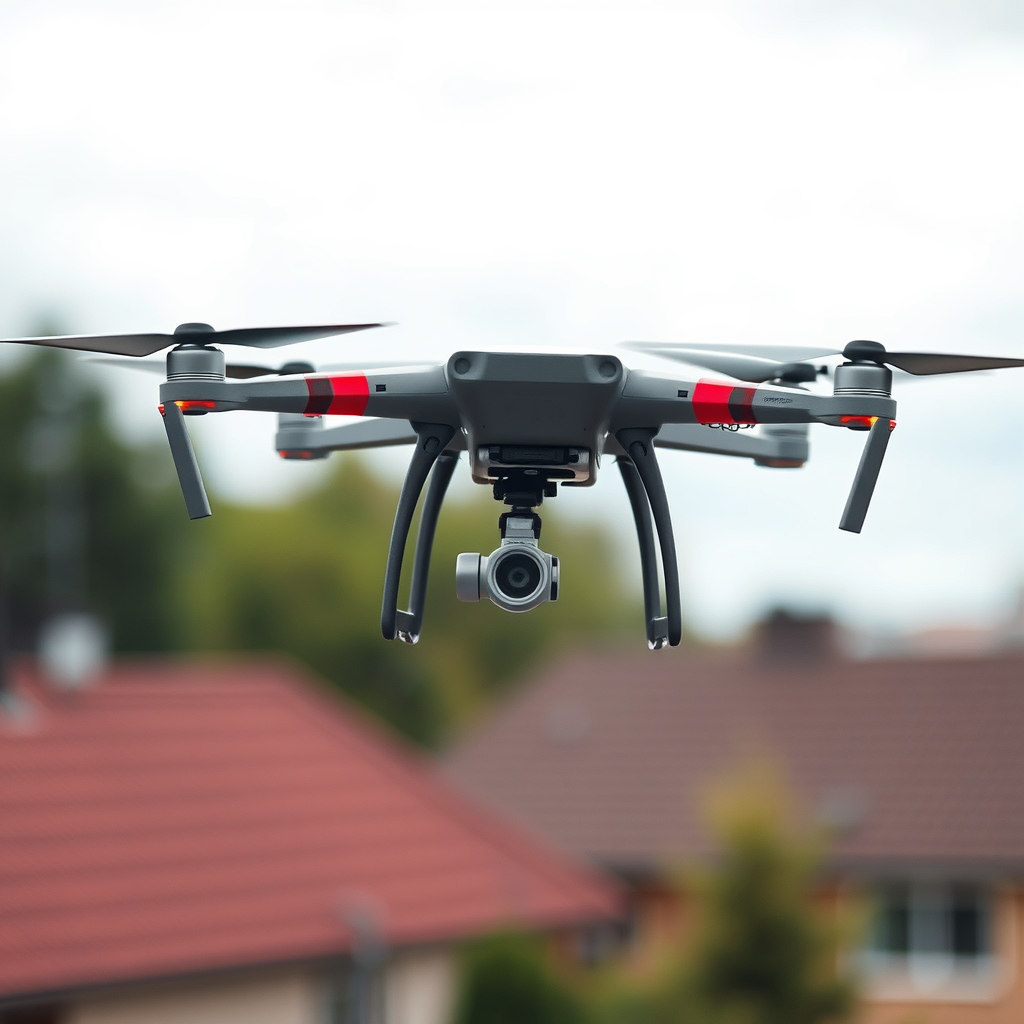
Drones, or unmanned aerial vehicles (UAVs), are regulated by the Federal Aviation Administration (FAA) in the United States. Understanding these regulations is crucial for both drone operators and property owners. The FAA mandates that drones must not fly above 400 feet in uncontrolled airspace and must adhere to specific no-fly zones, which include areas near airports, near stadiums during events, and other sensitive locations. Violating these regulations can result in penalties for the drone operator.

Furthermore, local laws may impose additional restrictions on drone operations. Many municipalities have enacted ordinances that prohibit flying drones over private property without the owner’s consent or specify certain times when drone flight is permissible. For example, some cities may restrict drone use during nighttime hours to mitigate noise or privacy concerns. Familiarizing yourself with both federal and local regulations can provide a solid foundation for understanding your rights regarding drone activity over your property.
Privacy Concerns with Drones
As drones are often equipped with high-resolution cameras capable of capturing detailed images and videos, privacy concerns have become a significant issue. The presence of a drone flying over your property can lead to feelings of vulnerability, especially if the drone is perceived to be recording or surveilling you and your family.
It’s essential to consider whether the drone’s presence constitutes harassment or invasion of privacy. For instance, if a drone is consistently hovering over your backyard or peering into your windows, this behavior may be considered intrusive and could warrant a complaint. Additionally, the context of the drone’s operation matters; if it is being used for commercial purposes, the operator may have different legal obligations compared to a recreational flyer. Being aware of the distinctions between acceptable and intrusive drone use is vital in assessing your situation and determining the appropriate course of action.
How to Gather Evidence
Before reporting a drone, it is crucial to gather evidence that substantiates your claims. Start by documenting the drone’s flight patterns, including the times it appears and any specific behaviors that raise your concerns. Keep a written log detailing each occurrence, which can help establish a pattern of harassment or invasion of privacy.
Additionally, photographs or videos of the drone in flight can serve as compelling evidence when reporting your complaints. Ensure that any recorded media clearly shows the drone’s position relative to your property and any actions that could be considered intrusive. This documentation will be invaluable when you contact authorities, as it provides concrete proof of your claims rather than relying solely on anecdotal evidence.
Reporting to Authorities
Once you have gathered sufficient evidence, the next step is to report the drone to the appropriate local authorities. Depending on your location, this may involve contacting the police, local law enforcement, or city officials responsible for regulating drone activities. When reporting, be prepared to provide detailed information about the drone, including its appearance, the operator (if identifiable), and any relevant documentation you have collected.
In some cases, your local government may have specific procedures for reporting drone complaints, which can often be found on their website. If the drone is flying in violation of FAA regulations, you can also report it directly to the FAA through their online reporting system. Providing detailed and organized information will enhance your chances of a prompt and effective response.
Seeking Legal Advice
If you believe your rights have been violated by a drone flying over your property, it may be wise to consult with a legal professional who specializes in privacy law or drone regulations. An attorney can help you understand your rights and the potential legal actions you can take against the operator of the drone.
For example, if you can demonstrate that the drone’s operation has caused you emotional distress or has resulted in tangible harm, you may have grounds for a civil suit. Legal professionals can also advise you on the feasibility of seeking a restraining order against the drone operator if their activities are deemed to be harassing or threatening. Understanding the legal landscape surrounding drone usage is essential for effectively addressing your concerns.
Drone Complaint Resources
To further assist with your concerns regarding drones, numerous resources are available at both federal and local levels. The FAA provides comprehensive guidelines on drone regulations and offers a specific portal for reporting drone misuse. Local government websites may also have dedicated sections for handling drone-related issues, including contact information for relevant authorities.
Additionally, consider exploring community forums or groups where individuals share their experiences with drone complaints. These platforms can provide valuable insights and advice on how to effectively address similar situations and may even connect you with others who are experiencing the same issues. Engaging with your community can foster a sense of solidarity and empower you to take action against invasive drone practices.
In conclusion, if you feel threatened or invaded by a drone flying over your property, you have the right to report it. By understanding the regulations governing drone operations, documenting your concerns effectively, and knowing your options for reporting, you can take meaningful action to protect your privacy. Whether through legal advice or community support, being proactive about your rights will help you navigate the complexities of drone use and ensure that your personal space remains respected.
Frequently Asked Questions
Can I report a drone flying over my property?
Yes, you can report a drone flying over your property if you believe it is violating privacy laws or regulations. In the United States, the Federal Aviation Administration (FAA) allows drones to fly over private land, but local laws may vary. If you feel the drone poses a safety risk or is infringing on your privacy, it’s advisable to document the incident and contact local law enforcement or your local aviation authority for guidance.
What should I do if a drone is invading my privacy?
If a drone is invading your privacy, the first step is to determine the drone’s operator, if possible. You can try to identify the drone’s registration number, which is legally required in many areas. Next, document the situation by taking photos or videos and note the time and location of the incidents. You can then report the drone to local law enforcement or file a complaint with the FAA if you believe it’s being operated illegally or unethically.
Why are drones flying over my house, and is it legal?
Drones may fly over your house for various reasons, including aerial photography, surveying, or recreational use. Generally, it is legal for drones to fly over private property as long as they adhere to FAA regulations, such as maintaining a safe distance from people and not exceeding altitude limits. However, privacy concerns may arise if the drone is used to capture images or videos without permission, which may violate state or local privacy laws.
How can I find out who owns the drone flying over my property?
To find out who owns a drone flying over your property, you can look for a registration number on the drone itself, which is required for most commercial and recreational drones weighing more than 0.55 pounds. This number can be checked against the FAA’s online database. If you can’t identify the owner, consider documenting the incident and contacting local law enforcement, who may be able to assist you in locating the operator.
What are the best practices for dealing with a persistent drone issue?
If you’re dealing with a persistent drone issue, start by documenting each incident, noting the time, date, and nature of the disturbances. Communicate your concerns directly with the drone operator if you feel safe doing so. If the issue continues, you can contact local authorities or file a complaint with the FAA. Additionally, familiarize yourself with local laws regarding drone operation to better understand your rights and options in addressing the situation.
References
- https://www.faa.gov/uas/getting_started/registration
- https://www.nolo.com/legal-encyclopedia/drone-laws-your-state-29754.html
- https://www.privacyrights.org/resources/drones-and-privacy
- https://www.bbc.com/news/technology-48923510
- https://www.aclu.org/other/drone-privacy
- https://www.epa.gov/air-research/drones-and-air-quality-research
- https://www.brookings.edu/research/drones-and-the-law/
- https://www.ncsl.org/research/technology-and-innovation/state-drone-laws.aspx
