

Yes, you can shoot a drone flying over your property, but it is illegal and may lead to serious legal consequences. Taking such drastic action could result in criminal charges and civil lawsuits, making it essential to fully understand the laws and regulations regarding drone operations. In this blog post, we will explore the complexities of drone laws, property rights versus airspace rights, potential legal consequences, alternatives to shooting a drone, safety and ethical considerations, and how you can protect your privacy effectively.
Understanding Drone Laws
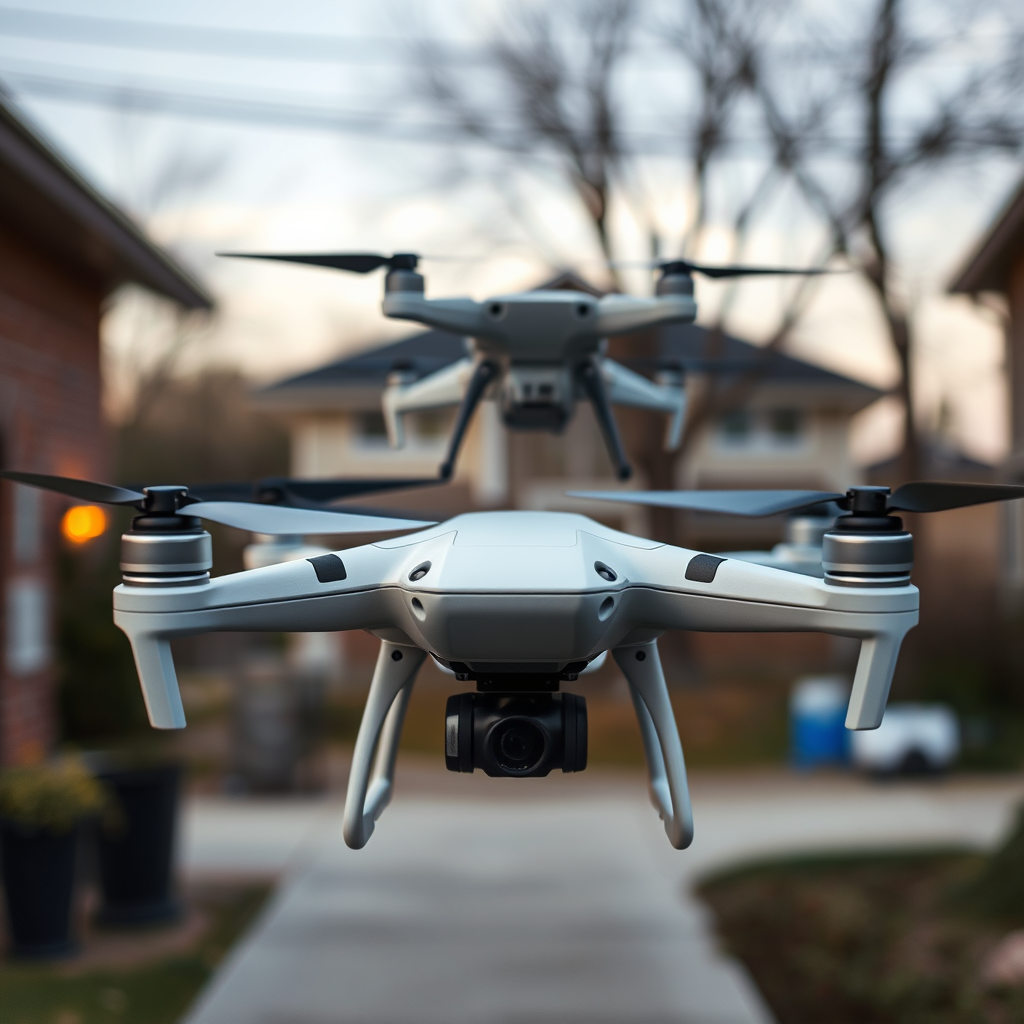
In the United States, drone usage is primarily regulated by the Federal Aviation Administration (FAA). The FAA has established a comprehensive set of rules governing the operation of unmanned aerial vehicles (UAVs), which are designed to ensure public safety and promote the integration of drones into the national airspace system. These regulations include requirements for drone registration, pilot certification, and operational limitations that vary based on the drone’s weight and intended use.
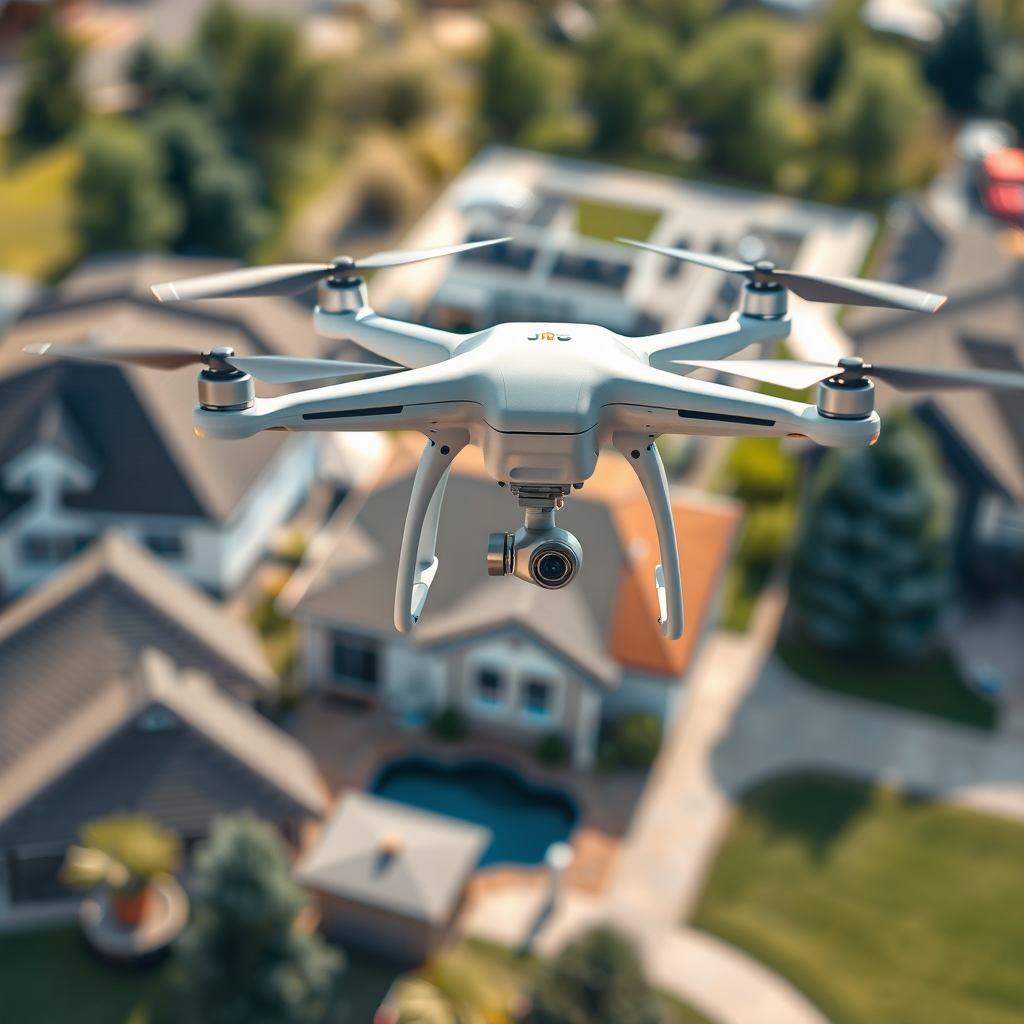
Property owners must also be aware that their rights concerning aerial trespass are limited. While individuals may feel entitled to protect their property from unwanted surveillance, the law recognizes that airspace above a certain altitude is public. Generally, the FAA stipulates that drones operating at or below 400 feet are not infringing on private property rights, which complicates the situation for those who feel their privacy is being violated.
Property Rights vs. Airspace Rights
The distinction between property rights and airspace rights is crucial in understanding the legality of shooting a drone. Property owners hold rights to the land beneath their feet, but they do not own the airspace above it indefinitely. Courts have consistently ruled that property owners have limited rights to the airspace above their property, generally allowing for public air traffic as long as it operates within legal parameters.
In practical terms, this means that drones flying at legal altitudes—typically below 400 feet—are permitted to operate over private property without infringing on the landowner’s rights. This legal framework creates a challenging environment for property owners who may feel threatened or invaded by a drone hovering over their land. It is essential for individuals to understand these limitations before considering any actions that could potentially lead to legal consequences.
Potential Legal Consequences
Shooting a drone can lead to severe legal repercussions. First and foremost, it could result in criminal charges such as destruction of property or reckless endangerment. Drones, like any other object, are considered personal property, and damaging or destroying them can lead to prosecution under laws that protect property rights.
Additionally, individuals who shoot a drone may find themselves subject to civil lawsuits. If a drone operator can prove that their equipment was damaged due to someone’s deliberate actions, they could seek compensation for repair or replacement costs. Insurance policies may not cover such incidents, leaving the shooter liable for significant financial burdens. A clear understanding of the legal landscape is vital to avoid potential pitfalls that could arise from impulsive decisions to shoot a drone.
Alternatives to Shooting a Drone
Instead of resorting to drastic measures, there are several alternatives to consider if you encounter a drone flying over your property. One of the most effective actions is to report the drone to local authorities, particularly if it poses a threat to your safety or privacy. Many local law enforcement agencies have protocols in place for addressing drone-related complaints, and they can investigate the situation more thoroughly.
Another option is to utilize technology designed to disrupt drone operations, such as drone jammers or signal disruptors. However, it is crucial to note that the legality of such devices varies by jurisdiction, and many states have laws prohibiting their use. Always conduct thorough research and consult local regulations before exploring these technological solutions.
Safety and Ethical Considerations
Shooting at a drone is not only illegal but also poses significant safety risks. Bullets can travel far beyond the intended target, posing danger to people and property in the vicinity. The potential for unintended harm is high, especially in populated areas, making this action reckless and irresponsible.
Moreover, ethical considerations should weigh heavily on any decision to shoot a drone. Engaging in violent actions against an unmanned vehicle could set a dangerous precedent and escalate tensions within a community. It is essential to consider the broader implications of such actions and seek peaceful, constructive resolutions instead.
How to Protect Your Privacy
If you are concerned about drones invading your privacy, there are proactive measures you can take to deter unwanted aerial observation. Installing privacy fences and utilizing surveillance systems can create physical barriers that discourage drone operators from lingering over your property. Additionally, being informed about local drone regulations enables you to advocate for your rights effectively.
Consider joining community discussions or local advocacy groups focused on drone regulations to stay updated on changes that may affect your privacy rights. Engaging with policymakers can help shape legislation that balances technological advancements with individuals’ rights to privacy and property protection.
In conclusion, while the instinct to shoot a drone flying over your property may be a natural response, it is crucial to understand the severe legal ramifications that accompany such an action. The complexities of drone laws and property rights require careful consideration and a thoughtful approach. Exploring safer, legal alternatives to protect your privacy is not only advisable but necessary in today’s technologically advanced world. Always consult with local laws and authorities before taking any action, and prioritize peaceful resolutions to any conflicts that may arise.
Frequently Asked Questions
Can I legally shoot down a drone flying over my property?
Legally, shooting down a drone is generally not permissible. In most jurisdictions, drones are considered aircraft, and shooting one down could result in serious legal consequences, including criminal charges. Instead, consider reporting the drone to local authorities and familiarize yourself with laws regarding privacy and airspace to address any concerns.
What should I do if a drone is hovering over my property?
If a drone is hovering over your property, you can start by assessing the situation calmly. First, check if it poses a threat to your privacy or safety. If it continues to be a nuisance, document its presence and contact local law enforcement or aviation authorities to report the incident. Many regions have specific regulations regarding drone operations that may help resolve the issue.
Why are drones allowed to fly over private property?
Drones are permitted to fly over private property due to federal aviation regulations that govern the airspace. The Federal Aviation Administration (FAA) considers the airspace above your property as part of national airspace, which means drones can legally operate there as long as they adhere to safety guidelines and regulations. Understanding these regulations can help you navigate any concerns regarding drone activity near your property.
How can I protect my privacy from drones flying over my property?
To protect your privacy from drones, consider installing privacy screens, barriers, or landscaping that obstruct views from above. Additionally, you can research local drone laws to understand your rights and report any invasive drone activity to authorities. Engaging with your community about drone awareness can also help in creating a more controlled environment regarding drone operations.
What are the best ways to deter drones from flying over my property?
To deter drones, you can utilize various non-destructive methods such as using anti-drone technology like signal jammers (where legal), or simply raising awareness among your neighbors about drone safety and etiquette. Visual deterrents, like hanging reflective materials or flags, may also make your property less appealing to drone operators. Always remember to prioritize legal methods and consult local regulations before taking action.
References
- https://www.faa.gov/uas/getting_started/uas_basics
- https://www.nolo.com/legal-encyclopedia/your-rights-drones-flying-over-your-property-29719.html
- https://www.aclu.org/news/privacy-technology/what-you-need-to-know-about-drones-and-privacy
- https://www.sciencedirect.com/science/article/pii/S2352146518301620
- https://www.nytimes.com/2021/06/14/us/drones-privacy-property-rights.html
- https://www.law.cornell.edu/wex/drone
- https://www.theguardian.com/us-news/2020/jun/17/drone-regulation-privacy-property-rights
- https://www.nasaa.gov/what-we-do/airspace/what-are-the-rules-for-drones-over-private-property/
