
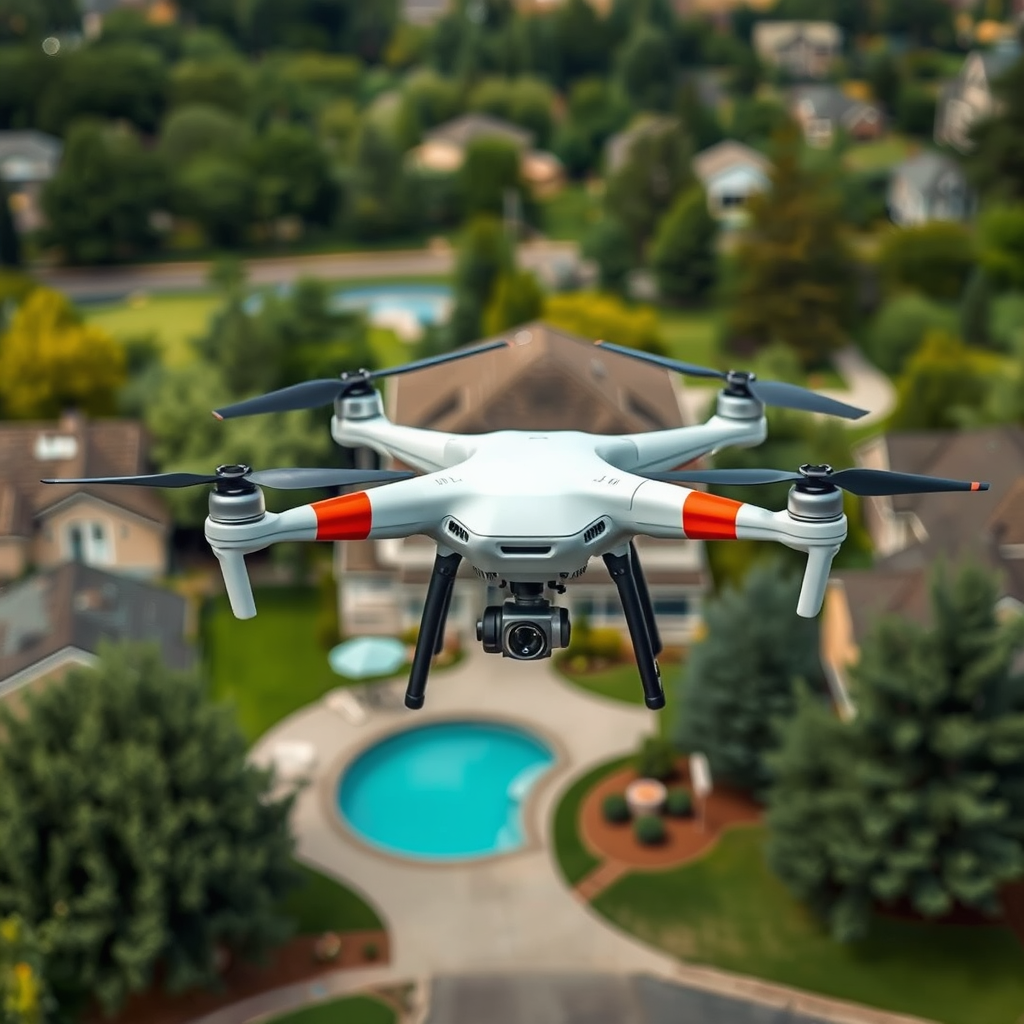
Yes, you can shoot a drone over your property, but there are legal and safety considerations to keep in mind. While property rights generally empower owners to manage activities on their land, the complexities of drone law complicate this issue significantly. Understanding the regulations set forth by the Federal Aviation Administration (FAA), as well as state and local laws, is crucial for responsible drone ownership and operation. This article will explore these aspects in detail, ensuring you are well-informed before taking any action.
Understanding Property Rights
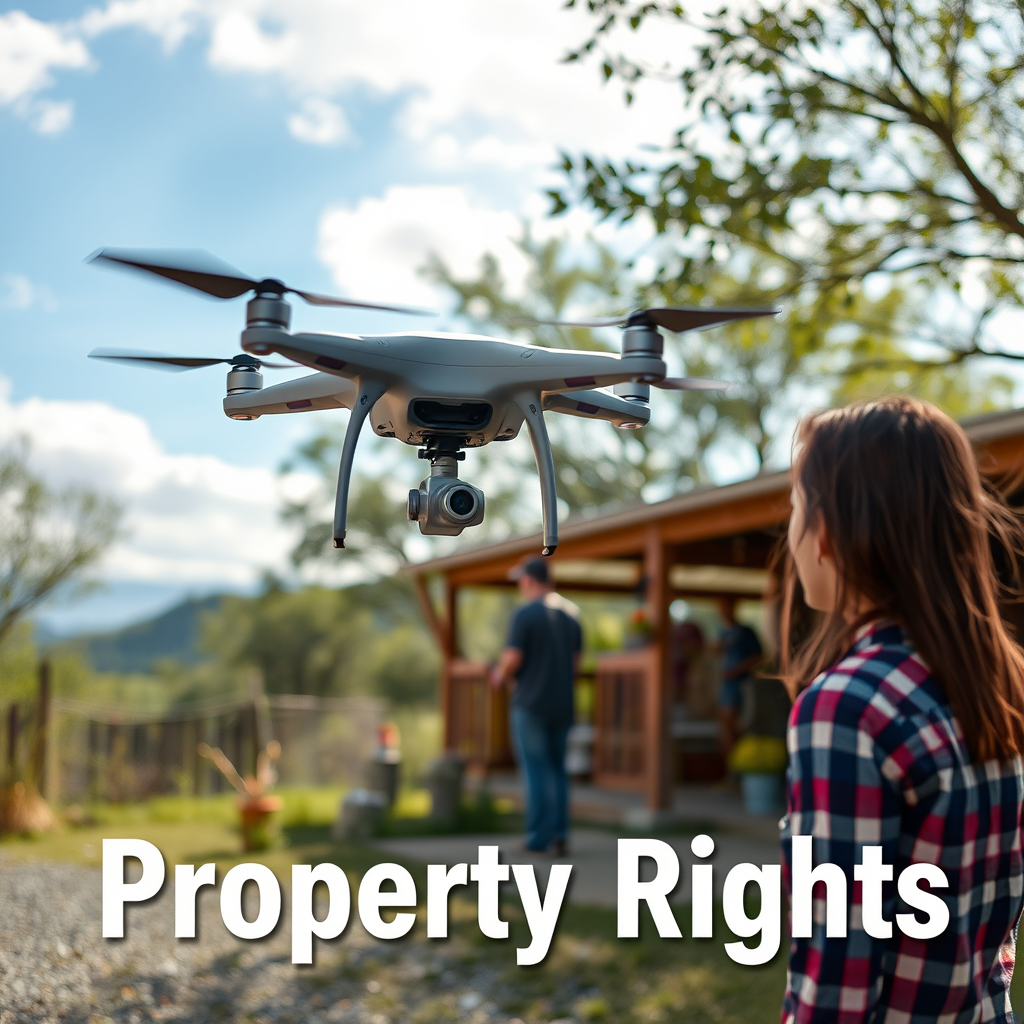
Property owners typically have the right to control activities that occur on their land, which extends to aerial space up to a certain altitude. However, the legal concept of property rights regarding airspace is nuanced. In general, landowners own the airspace above their property only to a reasonable height necessary for the use and enjoyment of their land. This means that while you may have some rights to prevent drone activity above your property, these rights are limited.
Before considering any action, it’s advisable to check local laws regarding aerial property rights and drone regulations. For instance, some jurisdictions have enacted laws that specifically address drone usage, including restrictions on flying over private property without consent. Understanding these nuances can help delineate what actions you may legally take regarding a drone that invades your airspace.
Federal Aviation Administration (FAA) Regulations
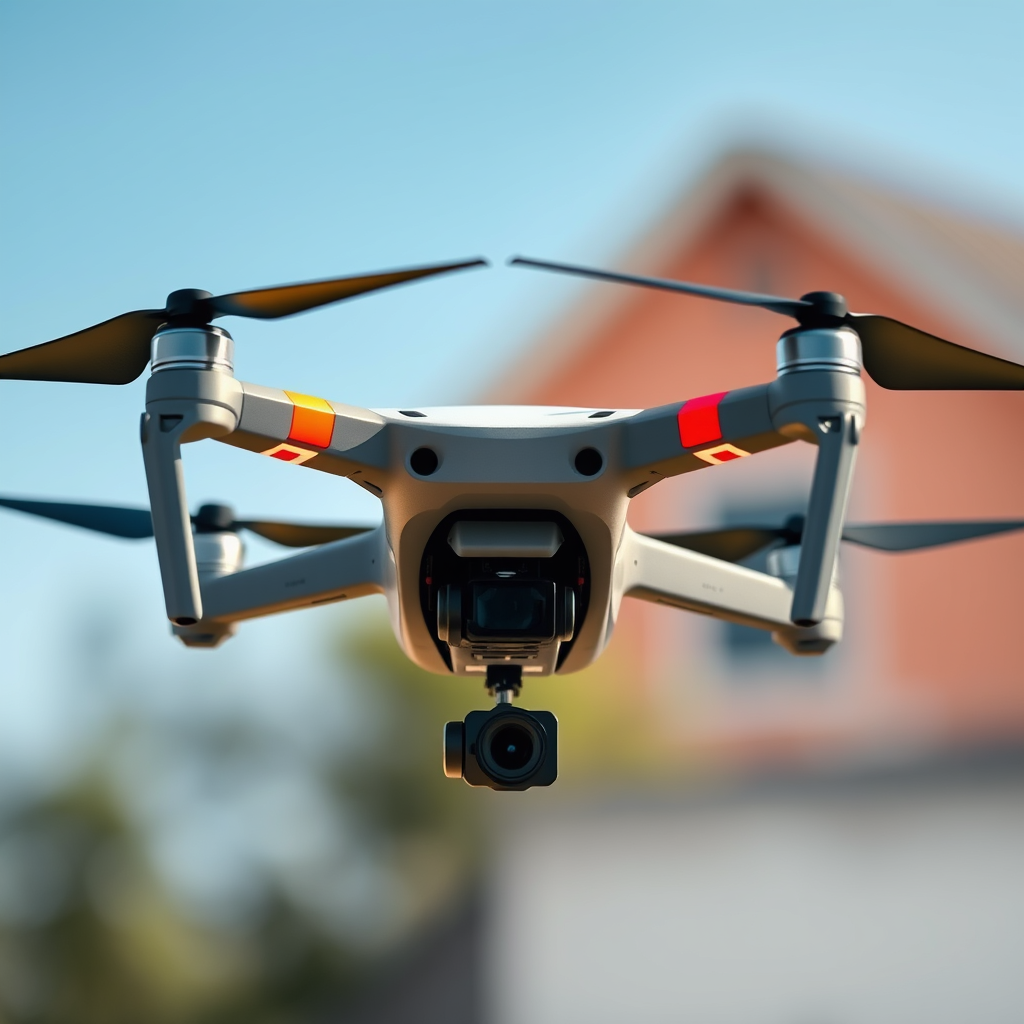
The FAA holds the authority to regulate all airspace in the United States, which includes the operation of drones. According to FAA regulations, drones must be flown within the visual line of sight of the operator and typically below an altitude of 400 feet. These regulations are designed to ensure safety and prevent potential accidents in the airspace shared by manned and unmanned aircraft.
Additionally, the FAA has established a set of rules for drone operators, including the requirement for registration of drones weighing more than 0.55 pounds. These regulations help maintain order in the airspace and allow authorities to track drone operations. If a drone is flying over your property, it is essential to first determine whether the operator is adhering to these FAA regulations. If they are not, you may have grounds to report the incident rather than resorting to shooting down the drone.
State and Local Laws
Beyond federal regulations, various states have enacted specific laws concerning drone usage, often categorizing drones as personal property. Some states, such as Texas and Florida, have laws that specifically address the shooting down of drones, typically considering them as trespassing when they invade private airspace. However, these laws can vary significantly, and local ordinances may impose additional restrictions on the usage of firearms, including in the context of shooting drones.
For example, California has strict laws regarding the discharge of firearms in urban areas, which can complicate any efforts to shoot down a drone. In many cases, shooting a drone may be seen as an illegal act, leading to potential legal ramifications. Therefore, understanding the landscape of state and local laws is crucial before considering any actions against a drone.
Safety Considerations
When contemplating the act of shooting down a drone, safety must be a primary concern. Shooting a drone poses several risks, including the potential for causing harm to people, property, and even the drone itself. Bullets can ricochet or travel further than intended, resulting in unintended injuries or damage. Additionally, firing a weapon in populated areas can lead to severe consequences, including injury to bystanders or damage to nearby structures.
Moreover, consider the safety of the drone operator. If the drone is being flown irresponsibly or intrusively, there are safer and more effective methods of addressing the issue without resorting to firearms. Consideration of these risks is essential not only for your safety but also for the safety of your community.
Liability and Legal Consequences
While you might feel justified in taking action against a drone flying over your property, the legal consequences can be severe. Shooting a drone may lead to criminal charges such as reckless endangerment, illegal discharge of a firearm, or even assault if someone is injured. Moreover, the drone operator may pursue civil lawsuits for damages, especially if the drone is destroyed or if personal injuries occur as a result of your actions.
Understanding the potential ramifications before taking action is crucial. Engaging in violent acts against a drone can have significant legal and financial implications, which may outweigh any perceived benefits of protecting your privacy or property rights.
Alternatives to Shooting a Drone
Before resorting to shooting a drone, consider non-violent alternatives that can effectively address your concerns. One option is to report the drone activity to local authorities, such as law enforcement or the FAA. Many regions have specific channels for reporting drone violations, and authorities can take appropriate action against irresponsible operators.
Another alternative is to use interference devices, which are designed to disrupt the drone’s signal without causing physical harm. These devices can safely incapacitate a drone, allowing it to land without endangering anyone or anything in the vicinity.
Community engagement can also be a powerful tool in addressing unauthorized drone use. Building awareness and fostering discussions within your community about drone regulations can lead to better understanding and cooperation among residents and drone operators alike.
In conclusion, while you may have the right to shoot a drone over your property, it is crucial to consider the legal implications, safety concerns, and potential alternatives. Understanding property rights, FAA regulations, state and local laws, and the risks involved can help you navigate this complex issue effectively. By staying informed and acting responsibly, you can protect your rights while contributing to a safer environment for everyone.
Frequently Asked Questions
Can I legally fly a drone over my property?
Yes, as a property owner, you have the right to fly a drone over your own land. However, it’s crucial to adhere to local laws and regulations established by the Federal Aviation Administration (FAA) and any state or local ordinances. Additionally, make sure to maintain a safe distance from people and structures to avoid potential liability issues and respect privacy laws.
What are the restrictions for flying a drone over my property?
While you can fly a drone over your property, there are still restrictions to consider. Drones must be flown below 400 feet and away from airports or other restricted airspaces. It’s also important to check for any no-fly zones, such as near military bases or sensitive areas, and to ensure that you respect the privacy of neighbors to avoid any disputes.
How can I ensure safe drone operation over my property?
To ensure safe drone operation, start by conducting a pre-flight check of your drone’s battery, propellers, and controls. Familiarize yourself with the drone’s features and capabilities and maintain visual line of sight while flying. Additionally, consider using a drone safety app to check for real-time weather conditions and to map out safe areas for flying to minimize risks.
Why is it important to check local drone laws before flying over my property?
Checking local drone laws is essential to avoid fines or legal consequences. Different regions may have specific regulations regarding drone usage, including altitude limits, flight paths, and privacy concerns. Understanding these laws helps ensure that you fly responsibly and maintain good relationships with neighbors and local authorities.
What are the best practices for flying a drone over residential areas?
The best practices for flying a drone over residential areas include flying during designated hours to avoid disturbing residents, keeping your drone within visual line of sight, and staying at least 25 feet away from people not involved in the operation. Additionally, always respect the privacy of others by not capturing images or videos of private property without permission, and consider using a drone with noise-reduction technology to minimize disturbances.
References
- https://www.faa.gov/uas/getting_started/part_107/
- https://www.nolo.com/legal-encyclopedia/drone-law-what-you-need-know-29799.html
- https://www.theguardian.com/us-news/2021/jun/22/drone-laws-regulations-united-states
- https://www.ama-assn.org/delivering-care/public-health/drone-regulations-are-shifting
- https://www.ncbi.nlm.nih.gov/pmc/articles/PMC7755378/
- https://www.cnet.com/news/drone-laws-what-you-can-and-cant-do/
- https://www.wired.com/story/drone-law-what-you-need-to-know/
- https://www.fcc.gov/consumer-help-center-general-information-drones
