

Yes, you can shoot a drone over your property in Ohio, but it is subject to certain legal and safety regulations. Understanding these laws is crucial to avoid potential legal issues and to ensure safe practices when dealing with drones. The increasing prevalence of drones has raised questions about the rights of property owners and the implications of taking extreme measures against these flying devices. This article delves into the various aspects of drone regulations, property rights, safety considerations, legal consequences, alternatives to shooting, and how to report unwanted drone activity.
Understanding Drone Regulations in Ohio
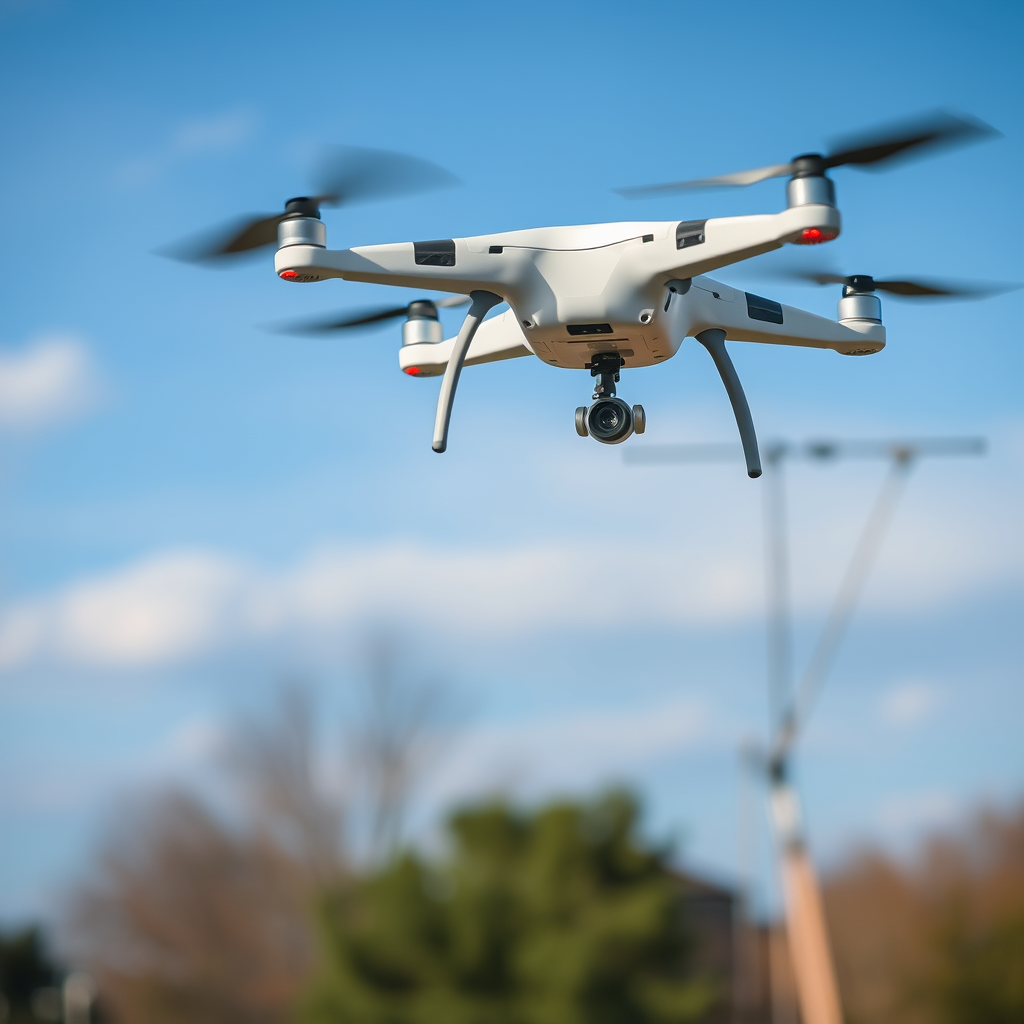
Ohio adheres to the federal drone regulations established by the Federal Aviation Administration (FAA), which govern the operation of unmanned aircraft systems (UAS) across the United States. These regulations include requirements for drone registration, operational limitations, and guidelines for both commercial and recreational drone pilots. Additionally, Ohio state law may introduce further stipulations that affect how drones can be operated, particularly concerning privacy and safety. Municipal codes may also impose local restrictions, making it essential for property owners to check with their city or county government for any specific regulations that apply to their area.
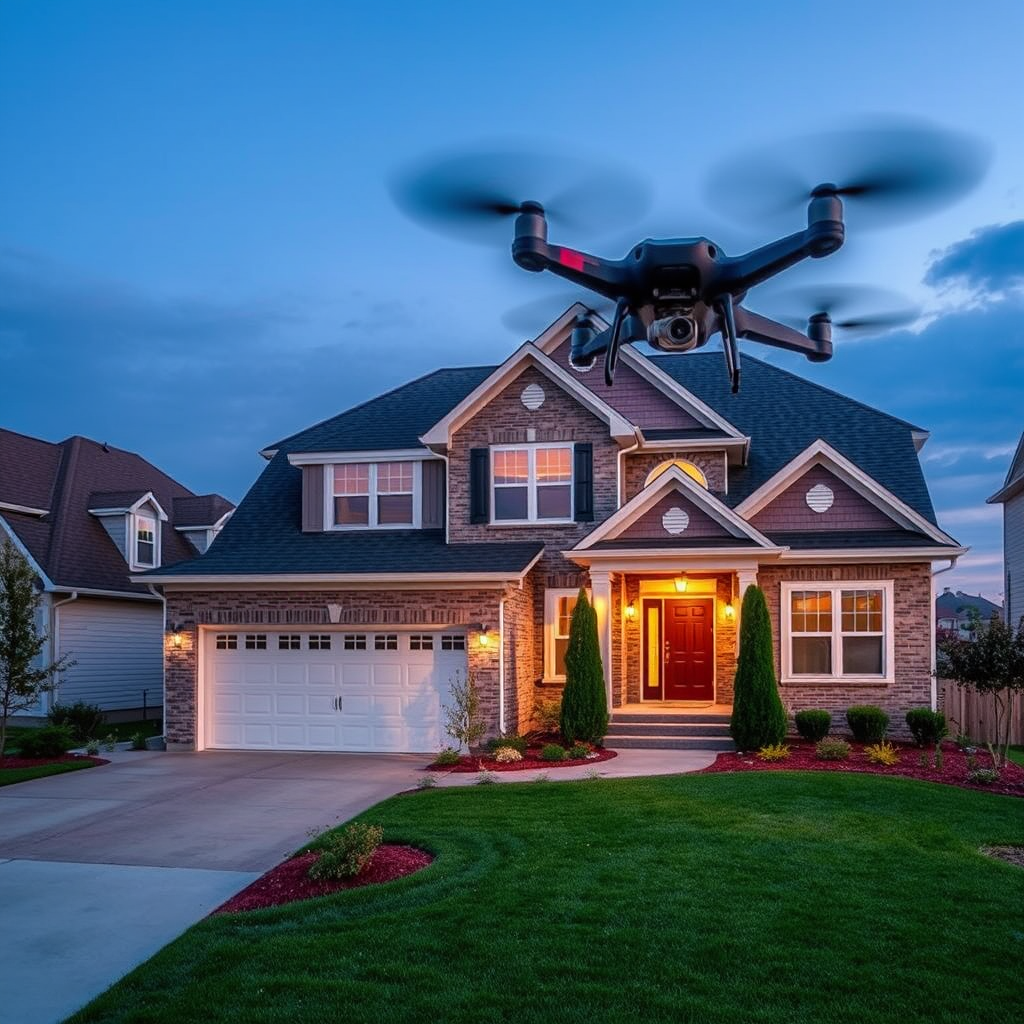
In essence, while the FAA provides a broad framework, local laws can vary significantly, which necessitates a comprehensive understanding of both federal and local drone regulations to ensure compliance and safe practices.
Property Rights and Airspace
Property owners generally maintain control over the airspace above their real estate, but this control has limitations. The legal concept known as “navigable airspace” means that the FAA retains jurisdiction over airspace used for commercial air travel, typically above 500 feet. This jurisdiction means that while you may feel entitled to protect your property from unwanted drone surveillance or activity, any measures taken must respect federal airspace regulations.
Furthermore, the concept of “reasonable use” applies; property owners cannot claim exclusive rights to the airspace at all altitudes. This legal ambiguity can create tension between property rights and federal authority, especially as drone technology continues to evolve. Therefore, it is vital to understand the limits of your property rights concerning airspace before taking any action against a drone.
Safety Considerations
Shooting at drones presents significant safety hazards, which cannot be overstated. Firearms can cause unintended injuries to bystanders or damage to property, leading to serious legal and financial repercussions. Additionally, stray bullets can pose risks far beyond the immediate vicinity, creating a public safety concern.
Instead of resorting to potentially dangerous actions, property owners should consider non-lethal alternatives for dealing with unwanted drones. For instance, utilizing netting systems designed to capture drones without causing damage, or employing visual deterrents such as reflective surfaces, can be effective strategies. These methods not only prioritize safety but also demonstrate a commitment to responsible drone management.
Legal Consequences of Shooting Drones
The legal ramifications of shooting down a drone can be severe, encompassing criminal charges such as vandalism, destruction of property, and even endangerment. As drones are considered private property, damaging one can lead to civil lawsuits for restitution.
Cases related to drone shooting are evolving, with courts beginning to address the complexities surrounding property rights and airspace. In some instances, individuals have faced felony charges for discharging a weapon in a manner that endangers others. As such, staying informed about current legal landscapes and precedents is critical for property owners contemplating action against drones.
Moreover, local law enforcement agencies may have different interpretations of the law regarding drone shooting, further complicating the situation. Therefore, before taking any action, it is wise to consult legal counsel to understand the risks fully.
Alternatives to Shooting Drones
Instead of resorting to drastic measures, there are several effective alternatives for addressing unwanted drone activity. One of the most practical steps is to contact local law enforcement or the FAA to report any disturbances caused by drones. Authorities are equipped to handle such complaints and can take appropriate action based on established regulations.
In some cases, engaging directly with the drone operator can yield positive results. This approach fosters communication and can lead to a mutual understanding regarding the use of airspace. Operators may not be aware of their drone’s impact on your property and may be willing to adjust their flight paths.
Another option is the use of drone jamming technology, which can disrupt a drone’s control signal. However, it is essential to note that the legality of this technology varies by state and local laws, so one must ensure compliance with relevant regulations before considering this option.
Reporting Unwanted Drones
If a drone is causing a disturbance, it is crucial to report the incident to local law enforcement or the FAA. When reporting, provide as much detail as possible, including the drone’s appearance, behavior, and flight path. Documenting the drone’s activities can strengthen your case and provide necessary evidence if legal action becomes necessary.
The FAA has a specific process for reporting drone-related issues, and being proactive in your approach can help safeguard your rights as a property owner. This documentation may also support any claims you might need to pursue regarding property damage or invasion of privacy.
In conclusion, while you technically can shoot a drone over your property in Ohio, the legal implications and safety concerns make it inadvisable. Understanding the federal and local regulations, recognizing the limitations of your property rights, and considering safer alternatives are crucial steps to take before contemplating drastic actions. Always explore alternative solutions and stay informed about your rights and responsibilities concerning drones, as navigating this evolving landscape requires diligence and careful consideration.
Frequently Asked Questions
Can I shoot a drone over my property in Ohio?
Yes, you can fly a drone over your property in Ohio as long as you comply with both federal and state regulations. The Federal Aviation Administration (FAA) governs drone usage and requires that operators follow specific guidelines, such as maintaining a visual line of sight and flying below 400 feet. Additionally, be aware of local laws or homeowner association rules that might impose restrictions on drone operations.
What are the FAA regulations for flying drones in Ohio?
The FAA regulations for flying drones in Ohio include registering your drone if it weighs more than 0.55 pounds, adhering to a maximum altitude of 400 feet, and maintaining visual line of sight during flight. Additionally, you must avoid flying near airports, over people, or in restricted airspace unless you have special permission. Following these guidelines ensures safe and legal drone operations.
How can I check if my property is near restricted airspace for drone flying in Ohio?
To determine if your property is near restricted airspace for drone flying in Ohio, you can use tools like the FAA’s online B4UFLY app, which provides real-time airspace information. Additionally, sectional charts and drone-specific maps can help identify no-fly zones, including areas surrounding airports and military bases. Always verify your flight path before launching your drone to avoid potential violations.
Why is it important to know local drone laws in Ohio?
Knowing local drone laws in Ohio is crucial to avoid fines and legal issues associated with unauthorized drone use. Local regulations may vary significantly from federal rules and could include restrictions on flying over private property, noise ordinances, or specific flight restrictions in urban areas. Understanding these laws helps ensure responsible drone operation and respect for the privacy of others.
What should I do if my neighbor complains about my drone flying over their property in Ohio?
If a neighbor complains about your drone flying over their property in Ohio, it’s important to address their concerns respectfully. You should explain the regulations that allow you to fly over your property and discuss any specific issues they have, such as noise or privacy. Consider adjusting your flying habits or flight times to maintain good neighborly relations while still enjoying your drone activities.
References
- https://www.faa.gov/uas/getting_started/foia/drone_laws
- https://www.nolo.com/legal-encyclopedia/drone-law-overview-29718.html
- https://www.ohio.gov/wps/portal/gov/site/home/resources/drone-law
- https://www.abcnews.go.com/Technology/drone-laws-state-state-guide/story?id=74239966
- https://www.washingtonpost.com/technology/2021/04/20/drone-legislation/
- https://www.ohioattorneygeneral.gov/Files/Briefing-Room/News-Releases/2021/Drone-Law-Update-2021
- https://www.nerdwallet.com/article/investing/drone-laws-by-state
- https://www.cnet.com/news/drone-laws-in-every-state-2021/
