
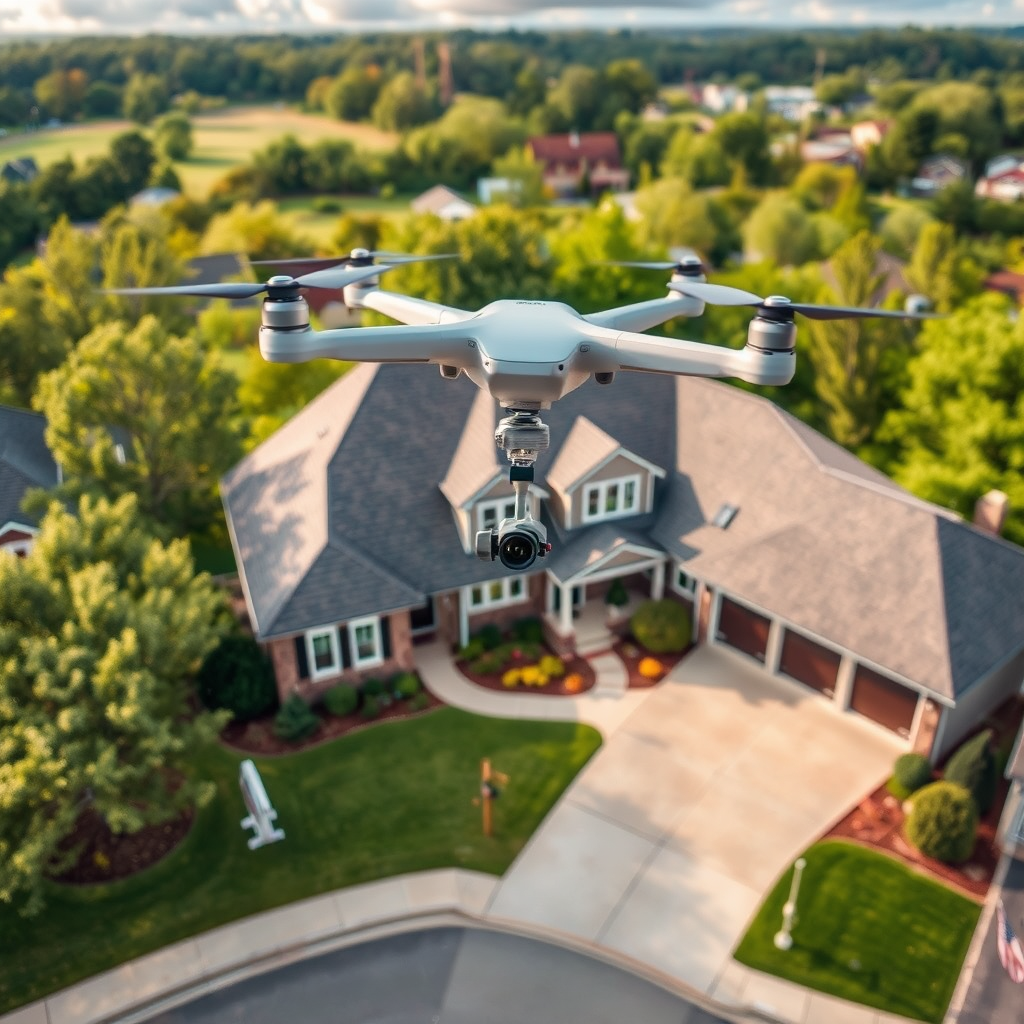
Yes, you can shoot a drone over your property in Pennsylvania, but there are important legal considerations to keep in mind. While property owners may feel justified in defending their rights against perceived intrusions, understanding the laws and regulations surrounding drone use is crucial for protecting your rights and ensuring safety. This blog post will delve into the complexities of drone regulations, property rights, and legal options available for property owners in Pennsylvania.
Understanding Drone Regulations in Pennsylvania

The Federal Aviation Administration (FAA) plays a pivotal role in regulating airspace, including the operation of drones. Under federal law, the FAA governs the use of unmanned aircraft systems (UAS) to ensure safety and efficiency in the national airspace. In Pennsylvania, drone operators must comply with both federal regulations and any state-specific laws that may impose additional restrictions on drone operation. For instance, Pennsylvania has enacted laws that address drone use concerning privacy and the unauthorized collection of information.
Drone operators in Pennsylvania must register their drones with the FAA if they weigh more than 0.55 pounds, and they must adhere to specific operational guidelines, such as maintaining visual line-of-sight and not flying over people. Furthermore, local municipalities may establish their own regulations regarding drone use, which can include restrictions on flying over certain areas like schools, parks, or private property without permission.
Understanding these regulations is essential for property owners who may encounter drones flying over their land, as it helps clarify the operational boundaries that both drone pilots and property owners must respect.
Property Rights and Airspace
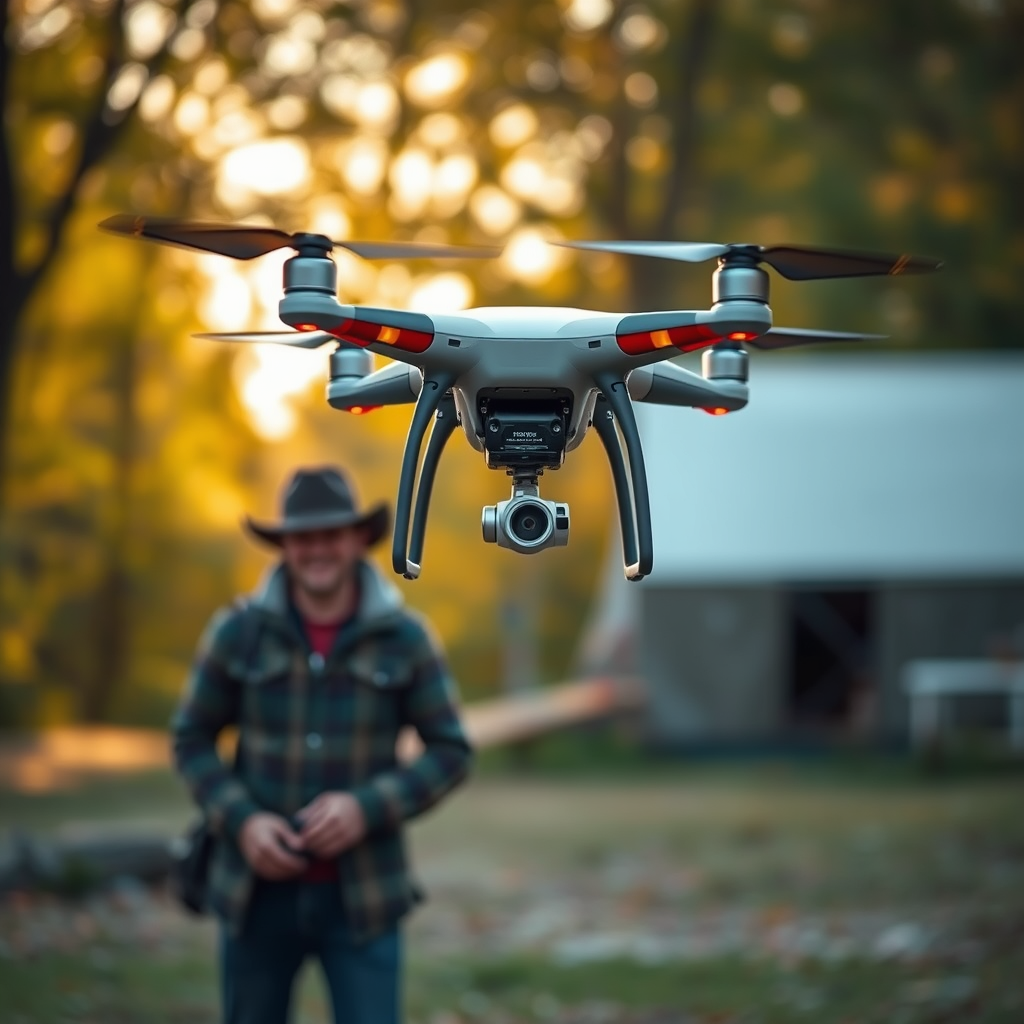
Property owners typically have rights to the airspace above their land, but these rights are not absolute and are subject to FAA regulations. The concept of “navigable airspace” allows aircraft, including drones, to operate at certain altitudes without infringing on property rights. Generally, the FAA defines navigable airspace as starting at 500 feet above ground level. Therefore, while a property owner might feel they have a claim to the airspace directly above their property, the law allows for drone operation at altitudes regulated by the FAA.
Shooting down a drone can lead to significant legal repercussions, including civil liability for damages. If a property owner damages a drone, they may be held responsible for the costs of repair or replacement. Additionally, discharging a firearm could violate local laws and regulations, leading to criminal charges. It is crucial for property owners to understand that any action taken against a drone must be legally justified to avoid unintended legal consequences.
Self-Defense and Justification
In certain situations, property owners may feel justified in using force if they perceive a drone as a threat. However, the legal definitions of self-defense vary widely, and what may seem like a reasonable reaction in the heat of the moment can lead to serious legal ramifications. Pennsylvania law allows for the use of reasonable force in self-defense, but this must be proportional to the threat faced.
If a drone is being used to invade privacy—such as capturing images or videos without consent—the property owner may feel justified in taking action. However, before resorting to any form of force, it’s essential to consult local laws to understand the legal definitions of threats and self-defense. Engaging with law enforcement or seeking legal counsel can provide clarity on the appropriate steps to take if a drone is perceived as intrusive.
Alternatives to Shooting a Drone
Before considering shooting a drone, it is advisable to explore non-lethal alternatives to address disturbances. One effective approach is to contact local authorities to report the drone’s operation, especially if it poses a safety risk or is violating privacy rights. Local law enforcement agencies are often equipped to handle these situations and can take appropriate action against the drone operator if necessary.
Additionally, engaging directly with the drone operator can sometimes resolve the issue amicably. If you identify the pilot, expressing your concerns about privacy or safety may lead to a productive dialogue. Many drone operators are unaware of the impact their activities have on nearby property owners, and a simple conversation can encourage them to adjust their flight paths.
Using technology to your advantage is also a viable option. There are various drone detection systems available that can help you monitor drone activity near your property. These systems allow property owners to be informed of any drone incursions, enabling them to take appropriate action based on the situation.
Reporting and Legal Recourse
If a drone is violating your privacy or safety, it is critical to report the incident to local law enforcement. Providing detailed information about the drone’s operation—such as its flight path, time of occurrence, and any identifiable features—can assist authorities in addressing the situation effectively. Law enforcement agencies may have established protocols for dealing with drone-related complaints, and they can provide guidance on how to protect your rights.
Understanding the complaint process and your rights as a property owner is crucial for addressing drone issues effectively. Familiarizing yourself with local ordinances regarding drone use can enhance your ability to advocate for your rights. In some cases, documenting the drone’s activities, such as taking photographs or video evidence, can be beneficial if legal action becomes necessary.
Seeking Legal Advice
Given the complexities surrounding drone use and property rights, consulting with a legal expert is advisable for personalized advice concerning drone-related incidents. An attorney knowledgeable about aviation law and privacy rights can help clarify your rights and potential liabilities. They can guide you through the legal landscape, ensuring that you act within the boundaries of the law while defending your interests.
Knowing your rights can empower you to take appropriate action against unauthorized drone use while minimizing the risk of legal repercussions. Legal professionals can also represent you in any disputes that may arise, whether through direct negotiations or in court if necessary.
In summary, while it may be tempting to take matters into your own hands regarding a drone over your property, it’s important to understand the legal framework governing drone use in Pennsylvania. Always consider alternatives and consult legal advice if necessary to navigate these situations safely and legally. Engaging in a proactive and informed approach will help protect your rights while ensuring compliance with applicable laws and regulations.
Frequently Asked Questions
Can I legally fly a drone over my property in Pennsylvania?
Yes, you can legally fly a drone over your property in Pennsylvania, provided you adhere to both federal and state regulations. The Federal Aviation Administration (FAA) regulates airspace, which includes drone usage, and requires that all drone operators register their drones if they weigh more than 0.55 pounds. Additionally, you must follow any local ordinances that may restrict drone flights, ensuring you fly at a safe altitude and avoid congested areas.
What are the height restrictions for flying a drone over my property in Pennsylvania?
In Pennsylvania, as per FAA regulations, drone flights are generally restricted to a maximum altitude of 400 feet above ground level. This rule is in place to prevent interference with manned aircraft and ensure safety in the airspace. It’s also crucial to keep your drone within visual line of sight and avoid flying near airports or other restricted airspaces.
Are there any specific areas in Pennsylvania where I cannot fly my drone?
Yes, there are specific areas in Pennsylvania where flying drones is prohibited or restricted. No-fly zones typically include locations near airports, military bases, and certain state parks. Additionally, you should be cautious about flying over private property without permission, as this may lead to legal disputes. Always check the FAA’s B4UFLY app or local regulations to ensure you’re aware of any restrictions in your area.
How do I ensure I am compliant with Pennsylvania drone laws when flying over my property?
To ensure compliance with Pennsylvania drone laws, you should start by registering your drone with the FAA if it weighs more than 0.55 pounds. Familiarize yourself with the specific rules outlined in the Pennsylvania state laws and any local ordinances relevant to drone use. Additionally, consider taking a drone safety course to enhance your knowledge of safe flying practices, which can help reduce risks and ensure you fly responsibly.
What should I do if my neighbor complains about my drone flying over their property?
If your neighbor complains about your drone flying over their property, the best approach is to engage in a respectful conversation to understand their concerns. While you may have the right to fly over your property, it’s important to be a good neighbor and maintain open communication. Consider discussing flight times or altering your flight paths to minimize disturbances, and if needed, consult local laws to ensure you’re fully compliant with any regulations regarding drone flights in residential areas.
References
- https://www.faa.gov/uas/getting_started/part_107
- https://www.pa.gov/guides/drone-law-in-pennsylvania/
- https://www.witf.org/2021/06/05/pennsylvania-drone-law/
- https://www.nolo.com/legal-encyclopedia/drone-law-pennsylvania-32975.html
- https://www.psu.edu/news/research/story/drones-and-property-rights/
- https://www.law.umich.edu/special/exoneration/Pages/casedetail.aspx?caseid=4013
