

Yes, you can shoot a drone over your property in the UK, but there are important legal restrictions and safety considerations to keep in mind. Understanding these rules will help ensure you comply with regulations while enjoying your drone-flying experience. The UK has established comprehensive regulations governing the operation of drones, particularly in relation to airspace and property rights. This blog aims to clarify these regulations, your rights as a property owner, the safety implications of shooting a drone, and the consequences of taking such an action.
Understanding Drone Regulations in the UK
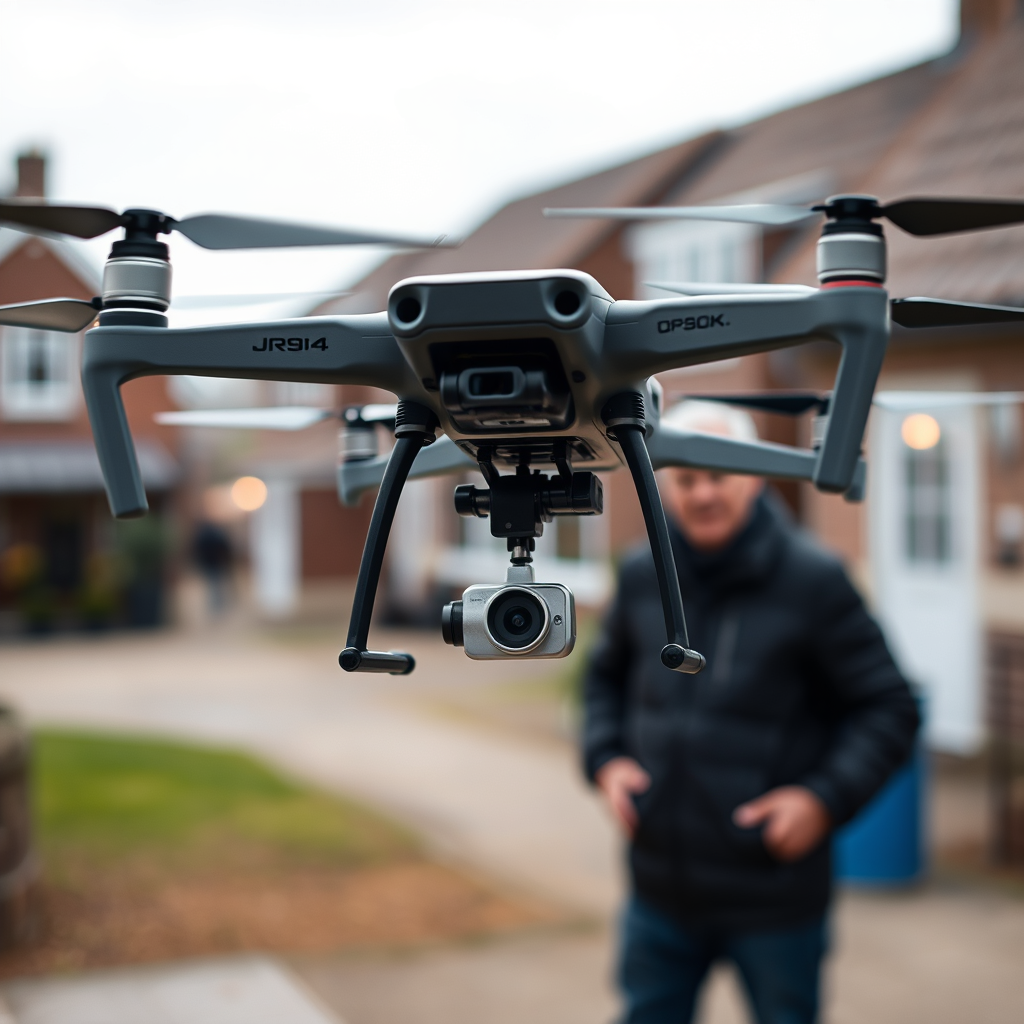
Drones in the UK are primarily governed by the regulations set forth by the Civil Aviation Authority (CAA). The CAA oversees all aspects of aviation safety, including the operation of unmanned aerial vehicles (UAVs). To legally operate a drone, you must comply with the Air Navigation Order (ANO), which outlines specific rules regarding drone flight, including registration requirements, pilot competency, and operational limitations.
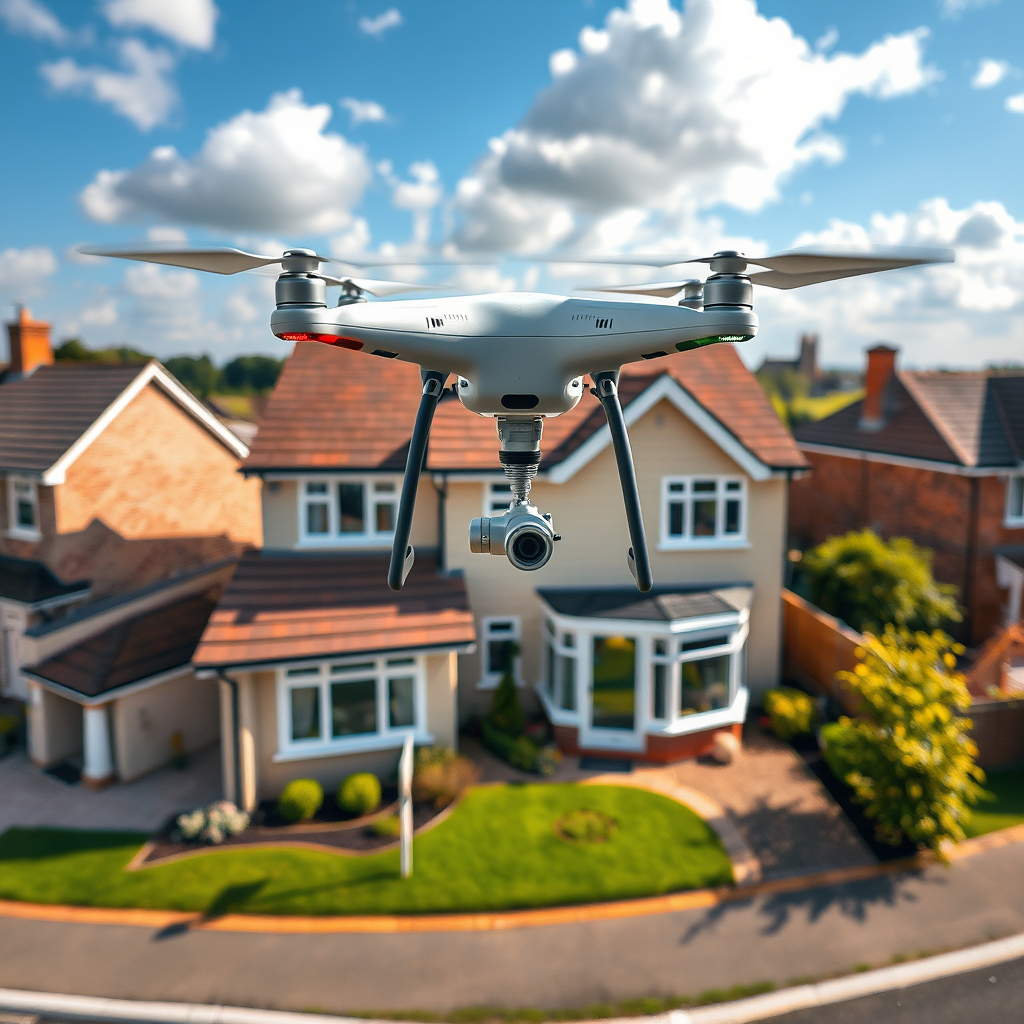
For instance, drones weighing more than 250 grams must be registered, and the operator must possess a valid flyer ID. Additionally, the drone must not be flown above 400 feet in altitude or within a 1-kilometer radius of airports and airfields. Understanding these regulations is crucial for anyone considering shooting a drone over their property, as non-compliance can lead to significant penalties.
Your Rights as a Property Owner
As a property owner in the UK, you have certain rights regarding activities occurring above your land. While you generally own the airspace above your property, this right is subject to limitations and does not give you the authority to shoot down drones arbitrarily. If a drone is flying too low—typically considered below 50 feet—this may constitute trespass, providing grounds for a legal complaint.
However, the law is not straightforward. The courts have historically viewed airspace ownership in a limited context, meaning that while you can assert some rights, enforcement can be complicated. If a drone is infringing upon your privacy or causing distress, it may be worth consulting legal advice to explore your options.
Safety Considerations When Shooting a Drone
Shooting a drone poses significant safety risks. First and foremost, any attempt to shoot down a drone can lead to unintended injuries to people or damage to property. Firearms, projectiles, or even homemade devices could cause collateral harm, escalating a situation that could have been resolved through dialogue.
Furthermore, there are established guidelines for drone operation that include maintaining a safe distance from people and structures. The CAA recommends keeping a minimum distance of 150 meters from crowds and buildings. By adhering to these guidelines, you not only help ensure safety but also protect yourself from potential legal ramifications.
Adhering to maximum altitude regulations is also essential. The legal ceiling for drone operation is usually 400 feet above ground level unless you receive special permissions. Violating these regulations could lead to criminal charges against the operator and expose you to liability if you take harmful action.
Consequences of Shooting a Drone
Shooting down a drone can lead to serious legal repercussions, including criminal charges. The CAA treats such actions as a violation of aviation regulations, which could result in hefty fines or even imprisonment. Moreover, if the drone is damaged or the operator is injured due to your actions, you could face civil liability for damages.
For example, if a drone is shot down and crashes into a passing vehicle or injures an individual, you may find yourself embroiled in a legal battle that could result in significant financial losses. It’s crucial to understand that the risks associated with shooting a drone often far outweigh any perceived benefits.
Reporting Unwanted Drones
If you encounter a drone that you believe is invading your privacy or causing disturbances, there are appropriate avenues for addressing the issue. First, consider contacting the drone operator directly if you can identify them. Many operators are willing to engage in a conversation and may not be aware that their drone is causing concern.
If direct communication fails or the situation escalates, you can report the drone to local authorities or the police. The CAA has established guidelines for reporting issues related to drone usage, including privacy violations. It is advisable to document the incident with photographs and notes, as this evidence may be useful in any subsequent discussions with authorities.
Alternatives to Shooting a Drone
Instead of resorting to drastic measures like shooting down a drone, consider exploring more constructive alternatives. Engaging the drone operator directly can often lead to a resolution without conflict. Many drone enthusiasts are keen to follow the law and respect the rights of property owners.
If direct communication is not feasible, consider mediation options. Local community organizations or dispute resolution services can provide resources to help both parties reach a satisfactory agreement. This approach not only fosters goodwill but also aligns with legal protocols, ensuring that you remain compliant with UK regulations.
In conclusion, while you may have the right to shoot a drone over your property in the UK, it is crucial to understand the legal implications and potential consequences. The risks associated with taking such action—both from a safety and legal standpoint—are significant. Instead of taking drastic actions, consider alternative solutions for addressing any concerns you may have regarding drone activity. Engaging in dialogue and leveraging available resources can often lead to a more amicable resolution, allowing you to enjoy your property without conflict.
Frequently Asked Questions
Can I legally fly a drone over my property in the UK?
Yes, you can legally fly a drone over your own property in the UK, as long as you comply with the regulations set by the Civil Aviation Authority (CAA). This includes ensuring that your drone is registered if it weighs over 250 grams, maintaining visual line of sight while flying, and adhering to height restrictions of 120 meters (400 feet). Additionally, you must not infringe on the privacy rights of others while operating your drone.
What are the restrictions for flying a drone over my house in the UK?
While you can fly a drone over your property, there are several important restrictions to consider. You must not fly within 50 meters of people or buildings not under your control, which includes neighbors’ homes. Furthermore, you should avoid flying within restricted airspace, such as near airports or military bases, and ensure you are not breaching any local laws regarding privacy and noise.
How do I ensure my drone flight over my property is safe and compliant?
To ensure that your drone flight is safe and compliant, start by familiarizing yourself with the UK drone regulations set by the CAA. Check the weather conditions, avoid flying near crowds, and maintain a visual line of sight with your drone at all times. It’s also a good idea to conduct a pre-flight check of your drone’s battery and functionality, and to keep abreast of any local bylaws that might affect drone usage in your area.
Why do I need to register my drone to fly over my property in the UK?
Registration is required for drones that weigh more than 250 grams to ensure that operators are aware of the legal requirements and safety guidelines associated with flying. This process helps the CAA maintain accountability and promotes responsible drone use. By registering, you also gain access to valuable resources and training that can enhance your understanding of safe drone operation.
What should I do if I encounter issues with neighbors while flying my drone over my property?
If you encounter issues with neighbors while flying your drone, the best approach is to communicate openly and respectfully about your drone activities. Inform them of the regulations that allow you to fly over your property and address any specific concerns they may have, such as privacy or noise. If conflicts persist, consider adjusting your flight times or locations to minimize disturbances, as maintaining good neighborly relations is essential.
References
- https://www.gov.uk/government/publications/drone-safety-rules/drone-safety-rules
- https://www.caa.co.uk/Consumers/Unmanned-aircraft/Drone-safety/
- https://www.bbc.com/news/technology-49608024
- https://www.theguardian.com/technology/2020/jul/29/uk-drone-laws-explained-what-you-need-to-know
- https://www.nationaltrust.org.uk/features/what-you-need-to-know-about-drones-on-national-trust-land
- https://www.wired.co.uk/article/drone-laws-uk-2022
- https://www.reuters.com/article/us-uk-drone-idUSKBN2A70DG
