

Yes, you can shoot a drone, but it is illegal and highly discouraged in most situations. Engaging in such actions can lead to severe legal consequences, including criminal charges and civil lawsuits, as well as potential safety risks for yourself and others. This article will delve into the legal implications, safety considerations, and viable alternatives to shooting a drone, providing a comprehensive guide to understanding the complexities surrounding this issue.
Legal Implications of Shooting a Drone
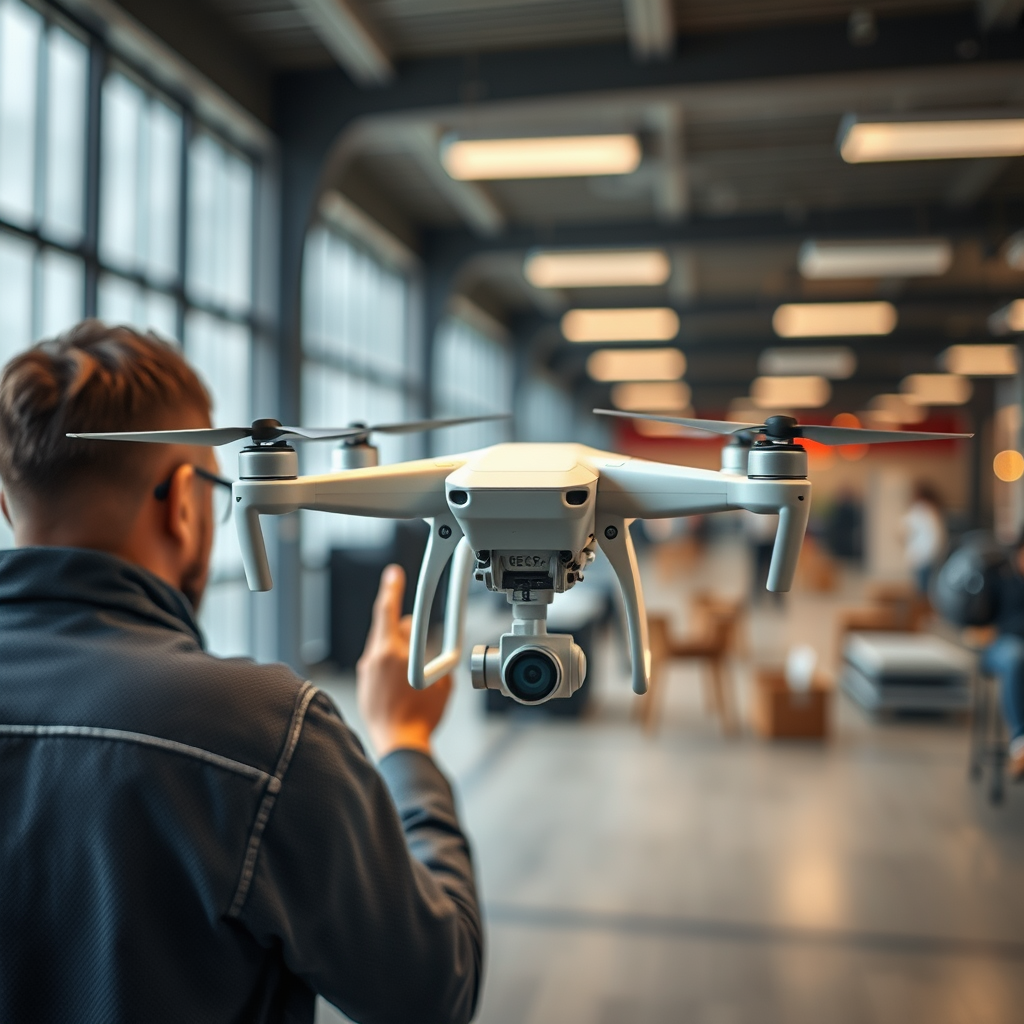
Most jurisdictions classify shooting a drone as a criminal act. In the United States, for example, the Federal Aviation Administration (FAA) has strict regulations against the destruction of aircraft, which includes drones. According to the FAA, intentionally damaging or destroying a drone can result in criminal charges, including fines and imprisonment. Furthermore, many states have laws that specifically prohibit the use of firearms against any aerial vehicle, further emphasizing the legal risks associated with such actions.
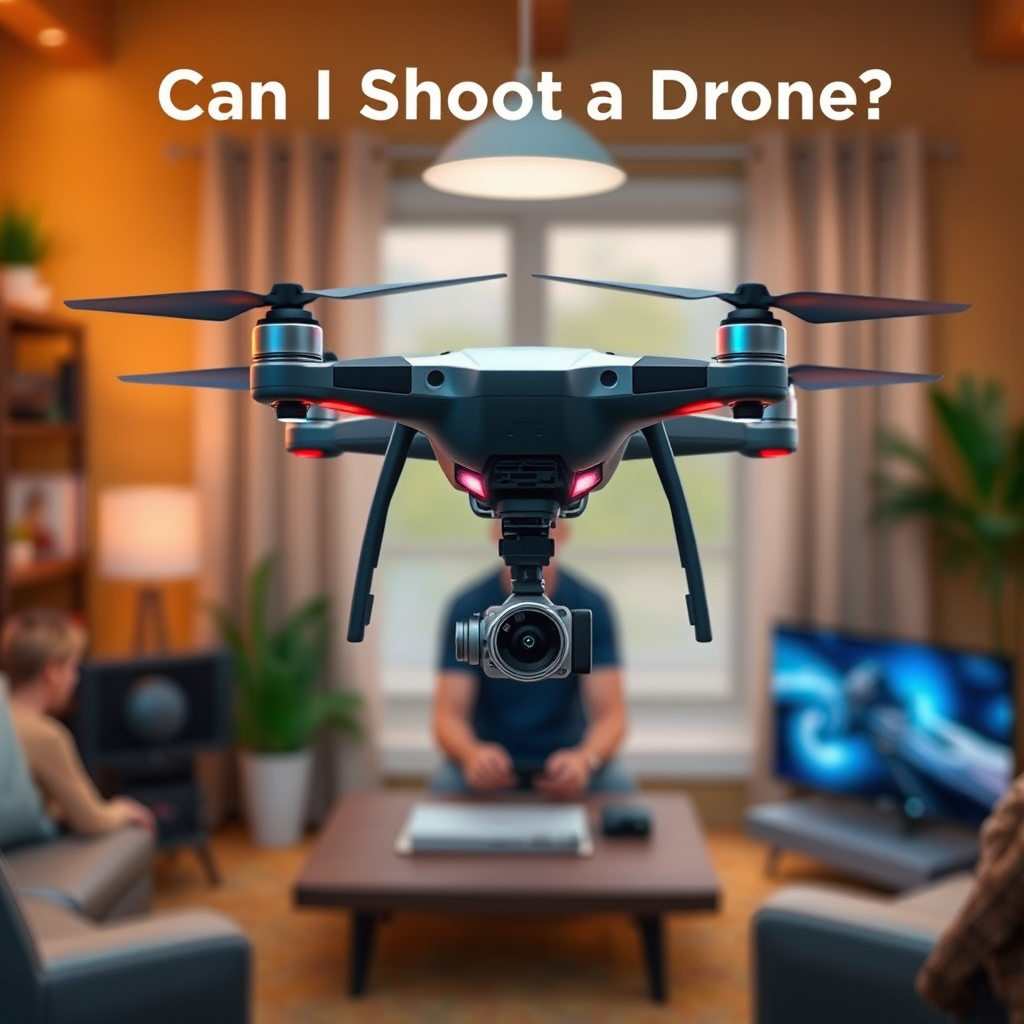
In addition to criminal charges, damaging or destroying someone else’s property can lead to civil lawsuits. Drones, as personal property, may belong to individuals or companies, and shooting one down can open you up to lawsuits for damages. Victims of such actions may seek compensation for the drone’s value, potential loss of business, and even emotional distress. Therefore, the legal ramifications of shooting down a drone extend far beyond immediate consequences, potentially leading to a lengthy legal battle.
Safety Risks Involved
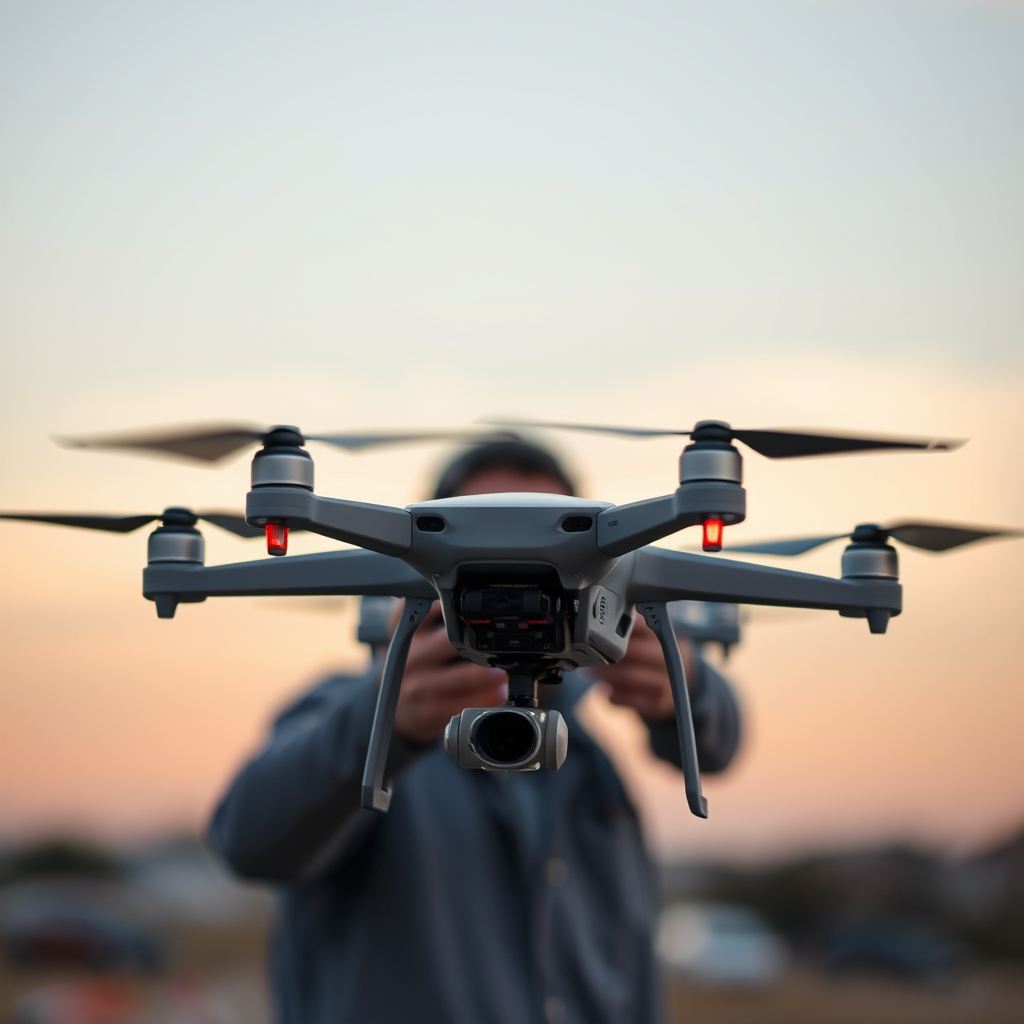
Shooting at a drone poses significant safety risks. One of the most immediate dangers is the potential for bullets or projectiles to unintentionally harm people or property. Drones often operate in populated areas, and a stray bullet could hit bystanders, vehicles, or buildings, leading to severe injuries or property damage. The unpredictability of a falling drone can also cause harm; even if you succeed in shooting it down, it could crash into someone or something, resulting in collateral damage.
Moreover, shooting a drone poses a risk of injury to nearby aircraft. Drones frequently share airspace with manned aircraft, including helicopters and planes. An errant projectile could inadvertently strike an aircraft, leading to catastrophic consequences, including the loss of life. The FAA has stressed that the airspace is not a place for personal vigilante justice, and it is essential to prioritize safety over impulsive reactions.
Alternatives to Shooting a Drone
Instead of resorting to shooting, there are several non-destructive measures you can take if you feel threatened or disturbed by a drone. One of the most effective actions is to report the drone to local authorities, such as law enforcement or the FAA. They have the tools and expertise to address the situation appropriately, ensuring that any violations of drone regulations are dealt with legally and safely.
Additionally, consider using drone jammers or other technology designed for safe intervention. Drone jammers emit signals that disrupt the communication between the drone and its operator, causing the drone to land or return to its takeoff point. However, it’s essential to understand that using jammers may also be illegal in many areas, so always check local laws before employing such devices.
Understanding Drone Regulations
Familiarizing yourself with local laws regarding drone usage and airspace is crucial for anyone concerned about drone activity in their vicinity. Drone regulations vary significantly between jurisdictions, so understanding the specifics of your area is vital. In the United States, for instance, the FAA governs airspace use, while individual states and municipalities may have additional regulations regarding drone operation, including restrictions on flying over private property or specific public spaces.
Government regulations often specify how drones can be operated in your area, including altitude limits, no-fly zones, and requirements for drone registration. Many regions also require drone operators to maintain visual line-of-sight with their drones and adhere to specific hours of operation. By understanding these regulations, you can better assess whether a drone is operating legally and what steps you can take if it is not.
What to Do if a Drone is Disturbing You
If a drone is disturbing you, the first step is to document the drone’s activity. Take note of its appearance, flight patterns, and any interactions it may have with people or property. This documentation can be crucial if you decide to report the drone to authorities or seek legal action. Be sure to gather as much information as possible, including photographs or videos, as this evidence can support your case.
Once you have documented the drone’s activity, report it to the appropriate authorities. Law enforcement agencies and the FAA are typically the best points of contact for reporting drone-related disturbances. Provide them with the information you have gathered, and they will be able to assess the situation and take appropriate action.
If you feel comfortable and it is safe to do so, consider discussing the issue directly with the drone operator. Open communication can sometimes resolve misunderstandings or concerns about privacy and safety. However, ensure that your approach is calm and respectful to avoid escalating the situation further.
Engaging with Drone Operators
Encouraging open communication with drone operators can foster a better understanding of the technology and its usage within your community. Many drone enthusiasts are passionate about their hobby and may be unaware of the concerns others have regarding privacy or safety. By engaging in constructive dialogue, you can address any worries or misconceptions, promoting responsible drone usage.
Promoting responsible drone usage within your community can involve organizing educational workshops or discussions about drone regulations, safety protocols, and best practices. Collaborating with local drone clubs or organizations can help facilitate these events and encourage responsible flying. By working together, communities can create an environment where drone technology can be utilized safely and beneficially.
In conclusion, while the idea of shooting a drone might seem appealing in certain situations, it is fraught with legal and safety issues. The potential for severe legal consequences and safety risks far outweighs any immediate gratification gained from such actions. It is crucial to explore safer, legal alternatives, such as reporting disturbances and engaging with drone operators constructively. Understanding the complex landscape of drone usage and regulations can pave the way for a more harmonious coexistence between drone enthusiasts and the wider community.
Frequently Asked Questions
Can I legally shoot down a drone flying over my property?
In most cases, shooting down a drone is illegal and can result in severe legal consequences. Laws in the United States, for example, classify drones as aircraft, and damaging them can lead to charges of destruction of property or even federal offenses. If a drone is invading your privacy or posing a safety risk, it’s best to contact local authorities rather than taking matters into your own hands.
What should I do if a drone is bothering me?
If a drone is causing a disturbance, the first step is to identify if it is indeed invading your privacy or posing a threat. You can try to communicate with the drone operator if they are visible. If the issue persists, document the occurrences with video or photos and report it to local law enforcement or the Federal Aviation Administration (FAA) for further assistance.
Why are drones flying over my house, and what are they used for?
Drones may fly over residential areas for various reasons, including aerial photography, real estate surveys, agricultural monitoring, or even recreational purposes. While many drone operators are hobbyists, commercial operators may be using drones for business-related activities. Understanding the purpose can help alleviate concerns and provide context for their presence.
What are the best practices for flying drones legally and safely?
To fly drones legally and safely, operators should familiarize themselves with local laws and regulations, including FAA guidelines. Key practices include maintaining a visual line of sight, flying below 400 feet, avoiding crowded areas, and respecting no-fly zones, such as near airports or military installations. Additionally, registering the drone if it weighs over 0.55 pounds is crucial for compliance.
Which states have the strictest laws regarding drones and their use?
States like California, New York, and Texas have some of the strictest laws regarding drone usage, often focusing on privacy concerns and safety regulations. California, for example, has regulations that protect individuals from drone surveillance, while New York enforces strict no-fly zones in urban areas. Always check your specific state’s laws as they can vary significantly and may include additional restrictions on commercial drone use.
References
- https://www.faa.gov/uas/getting_started/remote_id
- https://www.faa.gov/uas/
- https://en.wikipedia.org/wiki/Drone
- https://www.theguardian.com/technology/2021/apr/27/drone-laws-uk
- https://www.nytimes.com/2020/07/13/us/drone-laws.html
- https://www.lawfareblog.com/what-you-need-know-about-drone-laws
- https://www.nolo.com/legal-encyclopedia/drone-laws-what-you-need-know-29035.html
- https://www.aclu.org/news/privacy-technology/drones-and-privacy-what-you-need-to-know
