

Yes, in most cases, you cannot legally shoot at a drone. Engaging in such actions can lead to serious legal consequences, including criminal charges. The rapid proliferation of drones in both recreational and commercial settings has raised various concerns regarding privacy, safety, and legal rights. This article will explore the legal regulations, safety concerns, and alternatives to consider when dealing with drones, providing you with a comprehensive understanding of how to navigate these encounters responsibly and legally.
Understanding Drone Regulations
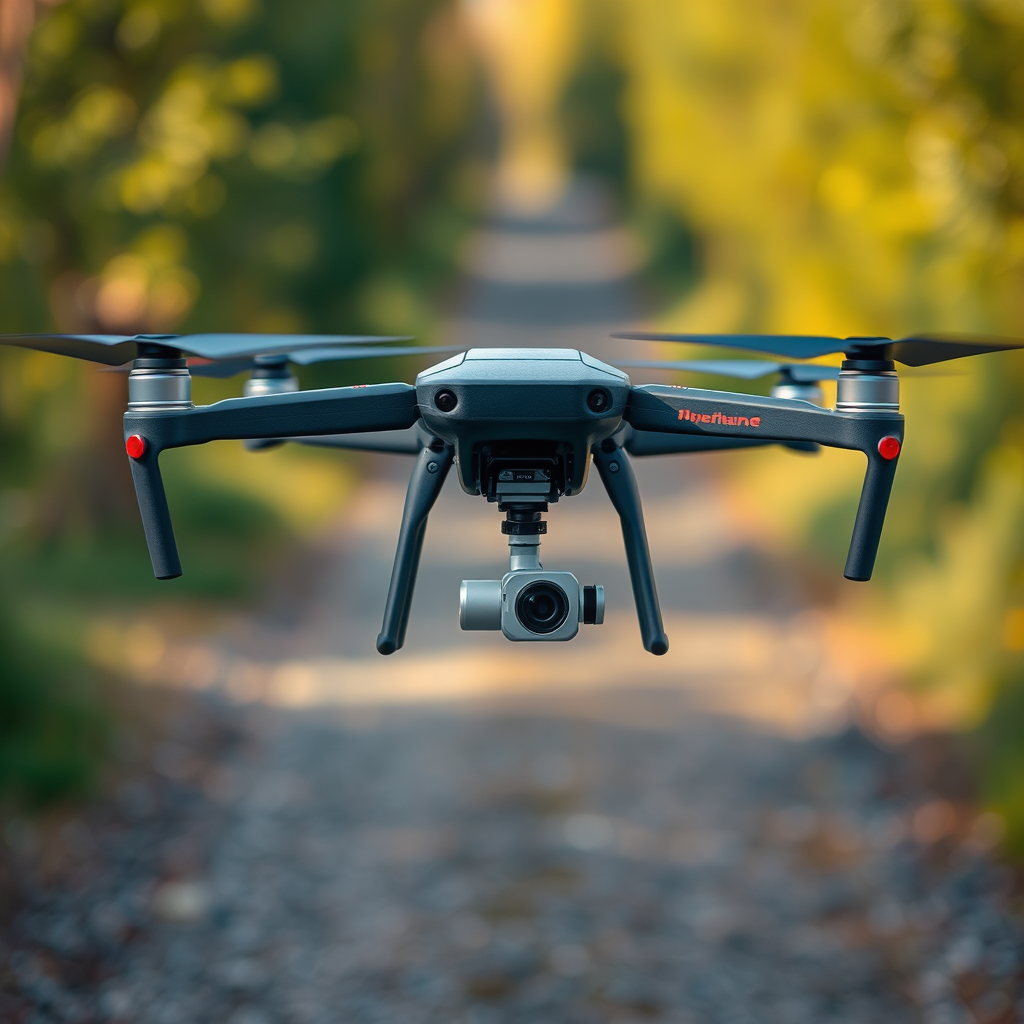
The Federal Aviation Administration (FAA) has established clear guidelines regarding the operation of drones in the United States. These regulations explicitly prohibit individuals from shooting at drones. The FAA considers drones to be part of the national airspace system, and any interference with that airspace, particularly through the use of firearms or other weapons, is strictly forbidden.
In addition to federal regulations, many states have implemented their own laws regarding drone operation and protection. For instance, some states have enacted statutes that classify the shooting down of a drone as a crime, while others have specific laws addressing the invasion of privacy that may arise from drone usage. Understanding these regulations is critical for anyone considering an aggressive approach to dealing with drones.
Moreover, since drones can be classified as personal property, many states have laws protecting the rights of drone owners against unlawful destruction or damage. Engaging in violent actions against a drone could result in not only criminal charges but also civil liability for damages incurred.
Legal Consequences of Shooting at a Drone
The legal ramifications of shooting at a drone can be severe and multifaceted. Engaging in such actions may lead to potential criminal charges, including felony charges for reckless endangerment, which is defined as putting others at risk through negligent behavior. In many instances, a person who shoots at a drone can face charges that could result in significant fines and imprisonment.
Furthermore, if the drone is owned by someone else, the shooter may also be liable for damages. This could include the cost of the drone itself, as well as any consequential damages that arise from its destruction. The potential for financial liability underscores the importance of considering non-violent alternatives when dealing with drone-related issues.
In certain cases, individuals have faced civil lawsuits from drone operators for damages resulting from unauthorized interference with their equipment. These legal challenges can be costly and time-consuming, further emphasizing the risks associated with shooting at a drone.
Safety Risks Involved
Shooting at a drone poses significant safety risks that extend beyond legal consequences. One of the most pressing concerns is the potential for injury to bystanders. Drones can be found in various environments, including residential neighborhoods, public parks, and commercial areas. Discharging a firearm in these settings increases the likelihood of accidents that could harm innocent individuals or lead to property damage.
Additionally, such actions can escalate confrontations with drone operators. This escalation may result in heightened tensions and could lead to further conflicts, including retaliation or aggressive responses from the drone operator. In some instances, drone operators may legally film or document the encounter, potentially leading to additional legal repercussions for the individual who initiated the confrontation.
Given these risks, it is crucial for individuals to approach drone encounters with caution and to consider their safety and the safety of others as a priority.
Alternatives to Shooting at a Drone
When faced with a drone that poses a perceived threat or concern, there are several non-destructive alternatives to consider. One of the most effective courses of action is to report the drone to local authorities. If the drone is flying in a manner that violates privacy or safety regulations, local law enforcement or aviation authorities can take appropriate action.
For those concerned about privacy issues, there are non-destructive measures that can be employed to mitigate discomfort. This may involve utilizing privacy shields or barriers, or simply addressing the issue directly with the drone operator, if safe to do so. Many drone operators are amenable to discussing their activities and may be willing to adjust their flight paths or practices in response to community concerns.
Additionally, public forums and community organizations can serve as platforms for addressing broader drone-related issues. Engaging in discussions about drone usage and creating community guidelines can foster a better understanding between drone operators and residents, ultimately reducing conflicts.
How to Handle Drone Encounters
When encountering a drone, it is essential to remain calm and assess the situation before reacting. Panicking or acting impulsively can lead to escalation and unintended consequences. Instead, take a moment to observe the drone’s behavior, its proximity to people, and any potential risks it may pose.
If it is safe and appropriate to do so, consider communicating with the drone operator. Many operators are hobbyists or professionals who adhere to regulations and may not realize they are causing concern. A polite conversation can often clarify misunderstandings and foster a more amicable resolution.
In situations where the drone poses a clear threat, such as invasion of privacy or unsafe flying conditions, documenting the encounter with photographs or videos can provide valuable evidence if further action is required. This documentation may assist authorities in resolving the situation.
The Future of Drone Regulation
As drone technology continues to evolve, so too does the landscape of regulations governing their use. Emerging legislation and policies may significantly impact how drones are operated and the rights of individuals regarding aerial privacy. Discussions surrounding privacy, property rights, and the implications of advanced drone technologies are ongoing within both legislative and public spheres.
For instance, as drones are increasingly utilized for commercial purposes, such as package delivery and aerial surveillance, there is a growing need for comprehensive regulations that address potential conflicts between drone operations and individual rights. The future may see stricter regulations on drone usage in residential areas or enhanced guidelines for privacy protections.
Moreover, advancements in drone technology, such as improved surveillance capabilities and autonomous flying, are also prompting discussions about ethical considerations and safety protocols. Stakeholders from various sectors, including technology, law enforcement, and civil rights organizations, are actively engaged in these conversations to shape a regulatory framework that balances innovation with public safety.
In conclusion, shooting at a drone is not a viable or legal option. Understanding the laws and exploring safer alternatives is crucial for navigating encounters with drones. If you find yourself frequently troubled by drone activity, consider reaching out to local authorities or community organizations for assistance. By fostering healthy dialogue and adhering to regulations, individuals can contribute to a safer and more respectful coexistence with drone technology.
Frequently Asked Questions
Can I legally shoot at a drone flying over my property?
Legally shooting at a drone flying over your property is generally prohibited in most jurisdictions. In the United States, for example, the Federal Aviation Administration (FAA) regulates airspace, and discharging a firearm at an aircraft, including drones, can lead to severe penalties, including fines and imprisonment. It is advisable to check local laws and regulations regarding drone usage and airspace rights before taking any action.
What are the consequences of shooting at a drone?
The consequences of shooting at a drone can be severe and include criminal charges, civil liability, and hefty fines. Shooting at a drone can be classified as a federal offense, as it poses significant safety risks to both the drone operator and others in the vicinity. Additionally, you may be held liable for any damages caused to the drone or injury to individuals, making it crucial to explore legal alternatives for addressing drone-related issues.
How can I safely disable a drone without shooting it?
If you want to disable a drone safely, consider using non-destructive methods such as a drone jamming device, which disrupts the communication between the drone and its operator. Alternatively, you can use a drone-catching net, which is specifically designed to capture drones without causing harm. It’s vital to ensure that any method you choose complies with local laws and regulations to avoid legal repercussions.
Why are drones flying over my house, and what can I do about it?
Drones may fly over residential areas for various reasons, including photography, surveillance, or recreational use. If you are concerned about privacy or safety, the first step is to communicate with the drone operator if identified. If the drone’s presence is intrusive or violates privacy laws, you can report it to local law enforcement or regulatory authorities who can investigate the situation and provide guidance on your rights.
Which laws apply to drone usage in residential areas?
Drone usage in residential areas is governed by a combination of federal, state, and local laws. At the federal level, the FAA has established regulations for drone operation, including registration and flight restrictions. Many states and municipalities have enacted their own laws that may address privacy concerns and flying over private property. It’s essential to familiarize yourself with these regulations to understand your rights and responsibilities regarding drone activity in your area.
References
- https://en.wikipedia.org/wiki/Drone
- https://www.faa.gov/uas/getting_started/remote_pilot_certification
- https://www.theguardian.com/us-news/2022/jun/29/drones-legal-rights
- https://www.nytimes.com/2020/06/30/us/drones-police.html
- https://www.nolo.com/legal-encyclopedia/can-you-shoot-drone-32895.html
- https://www.wired.com/story/what-to-do-if-you-see-a-drone/
