

Yes, you can’t legally shoot down a drone flying over your property in most jurisdictions. Engaging in such actions can lead to severe legal consequences, including fines and criminal charges. As drones become increasingly common in our skies, understanding the legal landscape surrounding their use is essential for property owners. This article will delve into the intricacies of drone laws, the potential ramifications of taking drastic action, safety concerns, and alternatives that can be pursued if you find yourself facing an unwanted drone over your land.
Understanding Drone Laws
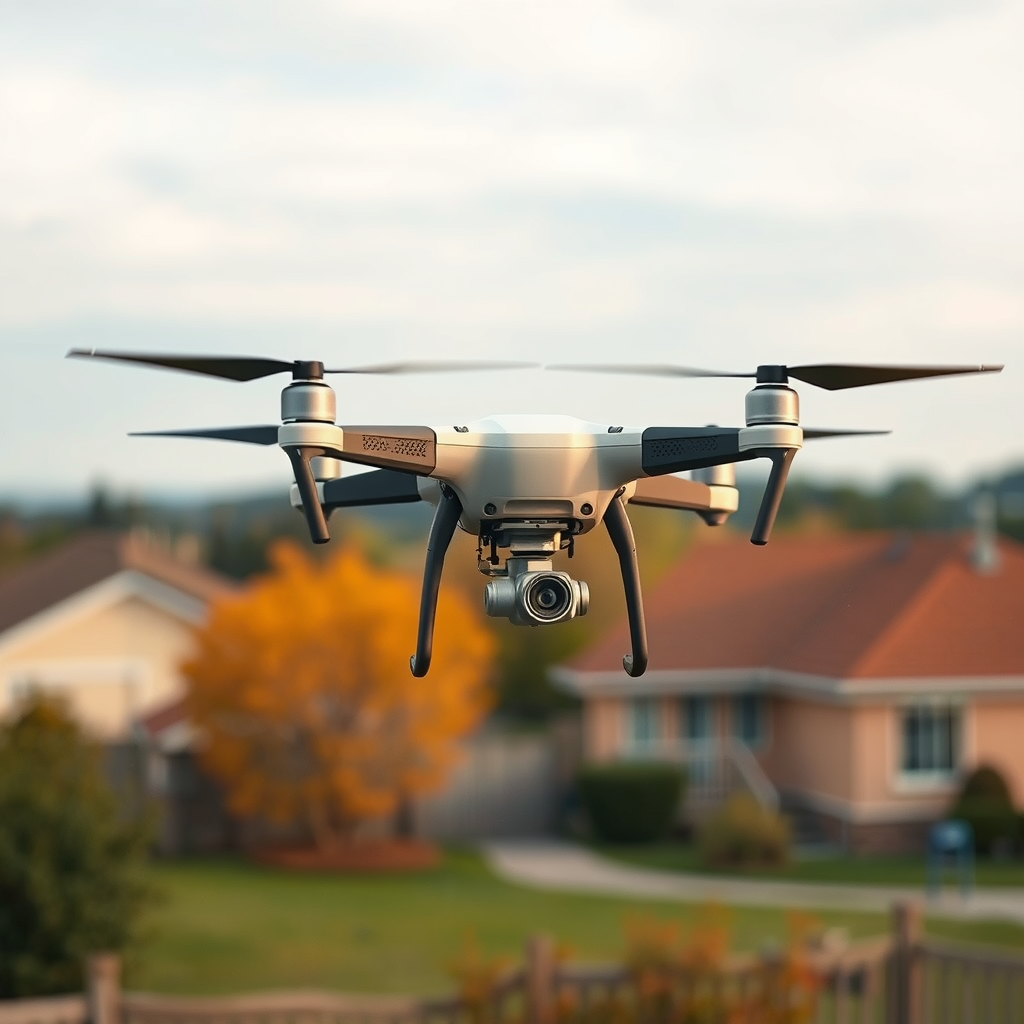
Federal regulations govern drone usage, primarily enforced by the Federal Aviation Administration (FAA). Under these regulations, drones are classified as aircraft, which means they are subject to specific rules regarding their operation. The FAA mandates that drones must be flown at or below 400 feet in controlled airspace and away from populated areas unless the operator has special permissions. Additionally, most states have enacted their own laws that protect property rights and privacy; however, these laws can vary significantly from one jurisdiction to another.
For example, some states have specific statutes that address the use of drones for surveillance, while others may have laws that specifically prohibit shooting at drones. Understanding the nuances of both federal and state laws is crucial. Property owners should familiarize themselves with not only the FAA regulations but also local ordinances that may provide additional protections or restrictions regarding drone operations in their vicinity.
Legal Consequences of Shooting Down a Drone
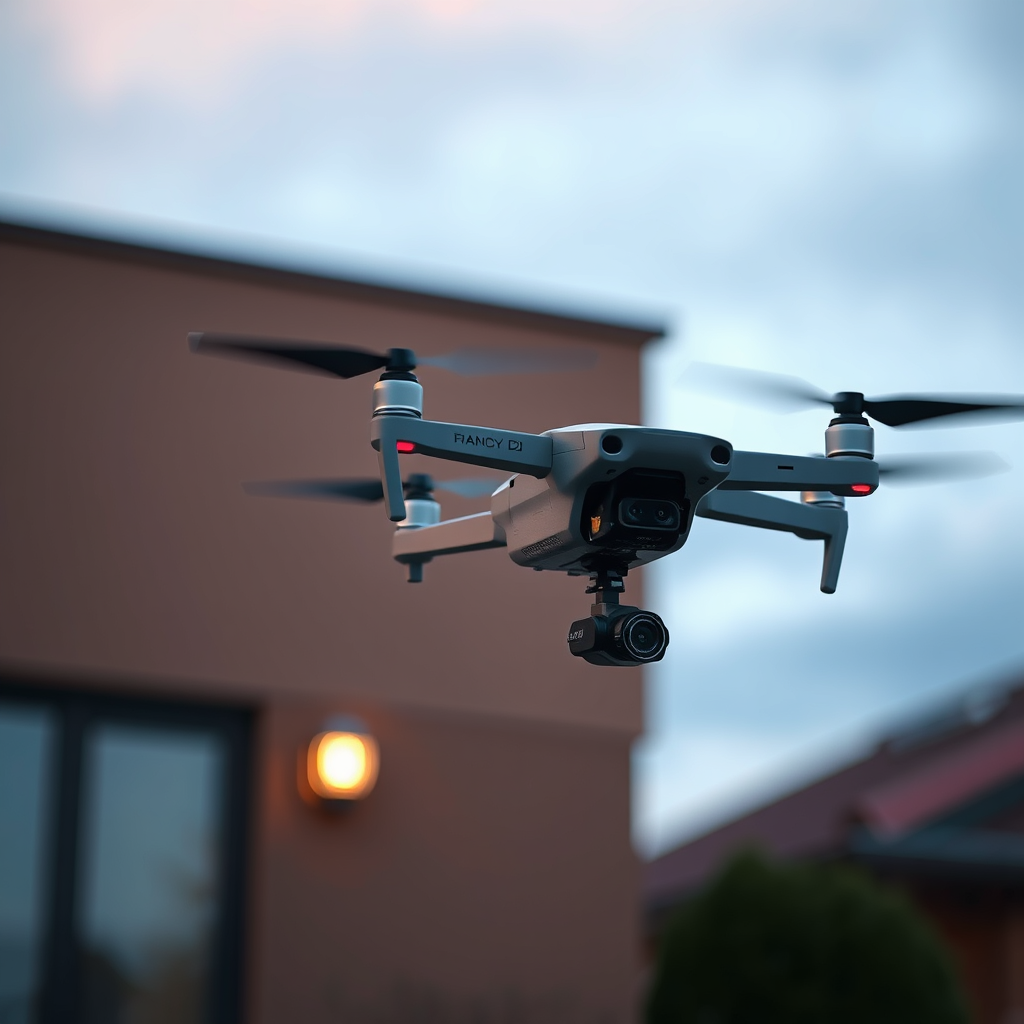
Shooting down a drone may violate federal laws regarding aircraft safety. The FAA has strict regulations that prohibit interference with aircraft operations, and taking action against a drone can be interpreted as such interference. This could lead to serious legal consequences, including hefty fines or even imprisonment for violating federal aviation laws.
Moreover, you could face criminal charges for destruction of property or endangerment. If a drone is shot down and crashes into a neighboring property or injures someone, the shooter could be held liable for damages. Cases have arisen where individuals have been prosecuted for shooting down drones, underscoring the gravity of this decision. Legal precedents exist that reinforce the protection of unmanned aerial vehicles (UAVs) under the same laws that govern manned aircraft, making it clear that violent responses are fraught with legal peril.
Safety Risks Involved
Using a firearm poses significant safety risks to bystanders and yourself. In many instances, drones are operated in populated areas—whether urban or suburban—where a stray bullet could endanger the lives of innocent people. The unpredictability of a falling drone also presents a potential hazard; it could land on vehicles or homes, causing property damage or personal injury.
Consider the case of a man in Kentucky who shot down a drone that was allegedly hovering over his property. The drone crashed into a nearby field, and while no one was injured, the incident raised serious concerns about public safety. The use of firearms to address drone disturbances can escalate tensions and lead to unintended consequences, making non-lethal alternatives far more advisable.
Alternatives to Shooting Down a Drone
If you find a drone hovering over your property, consider alternative measures rather than resorting to violence. One effective approach is to contact local authorities to report the drone if it’s causing a disturbance. Law enforcement agencies are typically equipped to handle such situations and can investigate whether the drone is operating within legal parameters.
Additionally, employing non-destructive measures, such as signal jammers (where legal) or physical barriers, can be considered. Signal jammers can disrupt a drone’s control signal, forcing it to land or return to its point of origin. However, it’s crucial to note that the use of jammers is illegal in many areas, including the United States, as they interfere with licensed radio communications. Therefore, it is essential to understand local laws before considering this option.
Physical barriers, such as trees or landscaping, may act as a deterrent for drone operators who wish to invade your privacy. While this approach doesn’t directly remove the drone, it can help discourage future incursions.
Protecting Your Privacy
Understanding your rights concerning privacy and trespass laws is vital in protecting yourself from unwanted drone surveillance. Many states have enacted laws that prohibit drone use for invasive surveillance, thus providing a legal avenue to address privacy concerns. For instance, if a drone is being used to capture images or video of you or your property without consent, you may have grounds to take legal action against the operator.
To further safeguard your privacy, consider installing privacy screens or using landscaping to obscure your property from aerial views. Tall hedges, fences, and strategically placed trees can create barriers that limit the effectiveness of drones equipped with cameras. Additionally, utilizing window treatments or privacy films can prevent unwanted observation from drones hovering nearby.
Seeking Legal Advice
If you frequently encounter drones and have ongoing concerns, consulting with a lawyer is a prudent step. Legal professionals can provide tailored advice based on your specific situation and local laws. They can help you understand your rights and obligations, and inform you about any potential legal recourse you may have against drone operators who infringe upon your privacy or property rights.
Moreover, a legal expert can assist you in drafting a cease and desist letter if you know the owner of the drone, or guide you on how to report the incident to local authorities effectively. Understanding the legal framework surrounding drones in your jurisdiction will empower you to take informed action when necessary.
In conclusion, while the idea of shooting down a drone might seem tempting, it’s important to understand the legal ramifications and safety concerns associated with such actions. Instead, consider reporting the drone to local authorities or exploring legal avenues to protect your privacy. By staying informed and proactive about your rights as a property owner, you can navigate the evolving landscape of drone usage while safeguarding your property and peace of mind.
Frequently Asked Questions
Can I legally shoot down a drone flying over my property?
No, shooting down a drone flying over your property is generally illegal and can lead to serious legal repercussions. In most jurisdictions, drones are considered aircraft, and shooting them down could be classified as unlawful use of a firearm or destruction of property. Instead of taking drastic measures, consider reporting the drone to local authorities or using legal channels to address your concerns.
What should I do if a drone is invading my privacy?
If a drone is invading your privacy, it’s important to document the situation by taking photos or videos of the drone and noting the time and date. You can then contact local law enforcement or the Federal Aviation Administration (FAA) to report the incident. Familiarizing yourself with local drone laws can also help you understand what actions you can take to protect your privacy.
How can I safely identify the owner of a drone over my property?
To identify the owner of a drone, you can look for identifying markings on the drone itself, as many operators are required to register their drones and display their registration number. You may also use a drone detection app to help locate the drone’s operator. If the drone is causing a disturbance or violating laws, you can report it to local authorities, who may be able to assist in identifying the owner.
Why are drones allowed to fly over private property?
Drones are allowed to fly over private property under federal aviation regulations, which grant airspace rights to drone operators. While property owners have rights to their land, the airspace above it typically falls under federal jurisdiction. This means that drones can legally fly at certain altitudes, provided they adhere to local laws and regulations, which can vary by location.
What are the best ways to deter drones from flying over my property?
To deter drones from flying over your property, you can use physical barriers such as trees or privacy fences, which may make your property less appealing to drone operators. Additionally, you can install drone jamming devices, where legal, or employ visual deterrents like reflective objects that may confuse drones. Engaging with local community ordinances and discussing your concerns with neighbors can also foster a more drone-aware environment.
References
- https://www.faa.gov/uas/getting_started/what_is_ua
- https://www.nolo.com/legal-encyclopedia/drone-law-flying-over-private-property-32209.html
- https://www.theverge.com/2019/8/21/20823417/drone-laws-private-property-flying-legal-rights
- https://www.reuters.com/article/us-usa-drone-laws-idUSKBN1ZK1D4
- https://www.wired.com/story/drone-laws-private-property/
- https://www.nytimes.com/2020/01/17/us/drone-law-privacy.html
- https://www.privacyinternational.org/explainer/3064/drone-privacy-and-law
- https://www.aclu.org/news/privacy-technology/the-legal-issues-surrounding-drones-and-privacy
- https://www.washingtonpost.com/technology/2021/06/18/drone-law-property-rights/
