
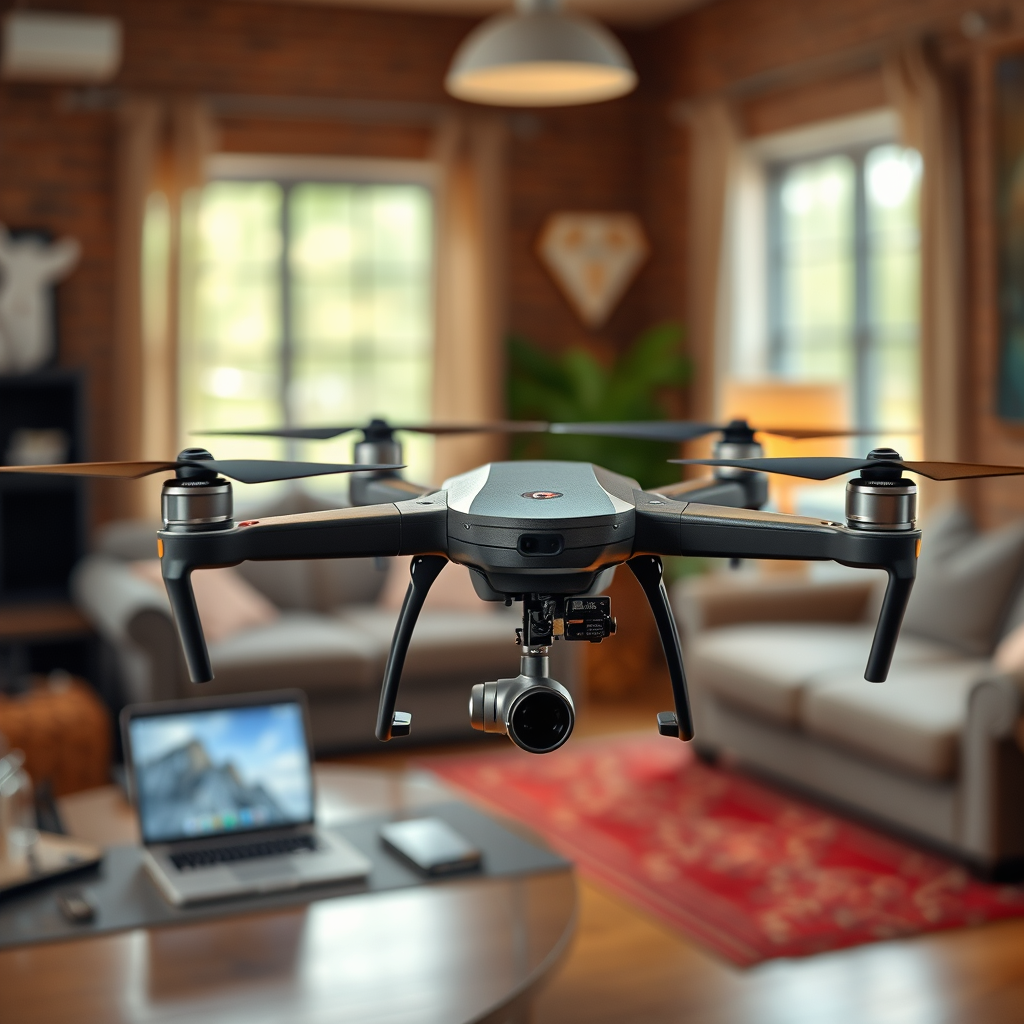
Yes, you can shoot down a drone in Texas, but it’s heavily regulated and could lead to serious legal consequences. Understanding the laws surrounding drone use and personal property rights is crucial before taking any action. Texas has specific laws regarding drones, and while the frustration of a drone invading your airspace may be valid, resorting to extreme measures such as shooting it down carries significant risks, including potential criminal charges and civil liabilities.
Understanding Texas Drone Laws
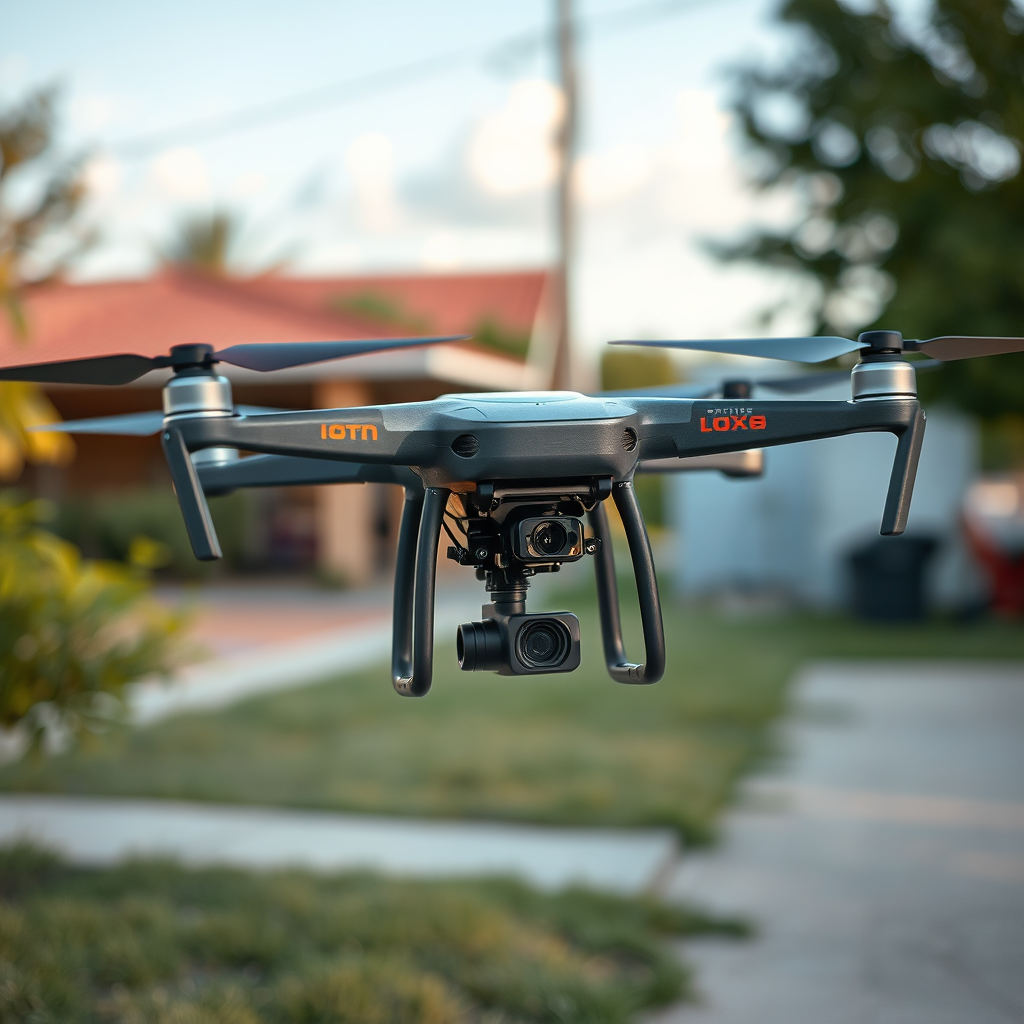
Texas law is designed to balance the rights of property owners with the operational freedoms of drone users. According to Texas Government Code §423, the use of drones for invasive surveillance on private property is prohibited. This law aims to protect individuals from unwarranted intrusion into their personal lives. However, the term “invasive surveillance” can be subject to interpretation, and distinguishing between legitimate drone use and invasion of privacy can complicate matters.
Shooting down a drone, while it might seem like a straightforward response to an invasion, can be classified as destruction of property under Texas law. Drones are considered personal property, and damaging or destroying someone else’s property can lead to criminal mischief charges. If a drone operator can prove that their drone was shot down without just cause, the shooter could face serious legal repercussions, including fines and possibly jail time.
Property Rights and Drones
Property owners have certain rights over their airspace, but these rights are far from absolute. The Federal Aviation Administration (FAA) regulates U.S. airspace, which complicates interactions between property owners and drone operators. According to the FAA, individuals do not own the airspace above their property indefinitely; instead, property owners have a right to the airspace only up to a certain height, which is generally considered to be around 500 feet. This means that drones flying at higher altitudes may not necessarily be infringing on a property owner’s rights.
Furthermore, the legal framework surrounding drones and property rights is still evolving. Courts have yet to establish clear precedents, and as drone technology continues to advance, legal interpretations may change. Property owners must remain informed about both state and federal regulations to understand their rights and the limitations imposed by aviation laws.
Self-Defense and Drones
The concept of self-defense is often invoked in discussions about shooting down a drone. However, applying the legal definitions of self-defense to drone encounters can be problematic. In Texas law, self-defense is justified when there is an imminent threat to a person’s safety or property. If a drone is hovering over your property, it may feel intrusive, but it does not automatically pose a physical threat that would justify shooting it down.
In some isolated cases, if a drone is being used in a manner that poses an immediate danger—such as dropping harmful substances or capturing compromising images without consent—there may be a more valid argument for self-defense. Nevertheless, proving that a drone was a legitimate threat in a legal context is challenging, and property owners are advised to consider alternative measures before resorting to such drastic actions.
Legal Consequences of Shooting Down a Drone
The potential legal consequences of shooting down a drone in Texas can be severe. Individuals who take matters into their own hands may face charges that include criminal mischief, which can range from a Class C misdemeanor to a felony, depending on the value of the drone destroyed. For example, if a drone valued at $1,500 is shot down, the perpetrator could face felony charges, resulting in significant fines and potential prison time.
Additionally, civil lawsuits may arise from the drone owner seeking damages for the loss of their property. The cost of legal fees, damages, and potential settlements can far exceed the frustration of the initial drone encounter. Given the rising popularity of drones and the increasing number of drone operators, property owners must weigh the consequences of their actions carefully.
Alternative Actions to Take
Instead of shooting down a drone, property owners have several alternative actions they can take when faced with an intrusive drone. Firstly, consider reporting the drone to local authorities if it is causing disturbances or violating privacy laws. Law enforcement agencies have the training and authority to handle drone-related issues without escalating the situation.
Another effective approach is to communicate directly with the drone operator, if possible. Many drone users are hobbyists who may not be aware that they are infringing on someone’s property rights. A polite conversation can often lead to a resolution without the need for confrontation. Furthermore, utilizing non-violent methods, such as contacting local media or drone advocacy groups, can raise awareness about drone-related concerns in your community.
The Role of Law Enforcement
Law enforcement agencies are equipped to respond to illegal drone activity, including instances of harassment or privacy invasion. If a drone poses a genuine threat or if it is being operated in violation of local laws, contacting the police is a more prudent option than taking matters into your own hands. Law enforcement can investigate the situation, determine whether any laws have been violated, and take appropriate action against the drone operator.
Additionally, many police departments are beginning to establish specialized units for handling drone-related incidents. These units can provide guidance to property owners on how to proceed if they encounter problems with drones, ensuring that actions taken are within legal boundaries.
Future of Drone Regulations
The landscape of drone regulations is continuously evolving, and ongoing discussions at both state and federal levels may lead to changes in personal rights and responsibilities concerning drone use. As technology advances and the prevalence of drones increases, new regulations may emerge to address privacy concerns, airspace rights, and responsible drone operation.
Property owners should stay informed about these developments to better understand their rights and obligations regarding drones. Subscribing to newsletters from the FAA, local government websites, and drone advocacy organizations can help keep you updated on any legislative changes that may affect your ability to manage drone encounters effectively.
In summary, while the idea of shooting down a drone in Texas may seem appealing in certain situations, it is fraught with legal risks. Understanding state and federal laws regarding drones, property rights, and self-defense is essential for property owners facing drone-related issues. Opting for safer alternatives, such as reporting the drone to authorities or engaging with the operator, can mitigate legal repercussions. Always consult legal advice if you find yourself in such a predicament to ensure your actions align with current laws and regulations.
Frequently Asked Questions
Can I legally shoot down a drone in Texas?
No, you cannot legally shoot down a drone in Texas. Texas law prohibits the use of firearms to damage or destroy drones, which are considered aircraft. Shooting down a drone could lead to criminal charges, including criminal mischief or even endangerment, as it poses significant risks to public safety and property.
What should I do if a drone is flying over my property in Texas?
If a drone is flying over your property in Texas and you feel uncomfortable or believe it is invading your privacy, you should first try to identify the operator. If necessary, you can contact local law enforcement or the Federal Aviation Administration (FAA) to report the drone. Additionally, you may want to familiarize yourself with local regulations regarding drone operation to better understand your rights.
Why are drones regulated in Texas, and what laws should I know?
Drones are regulated in Texas primarily for safety and privacy reasons. The Texas Government Code and FAA regulations govern their use, including restrictions on flying over private property without permission and maintaining a certain distance from people and buildings. Understanding these laws can help you navigate your rights and responsibilities regarding drone interactions.
How can I protect my privacy from unwanted drone surveillance in Texas?
To protect your privacy from unwanted drone surveillance in Texas, consider installing privacy screens or landscaping barriers around your property. You can also educate yourself about local laws regarding drone usage and potentially file a complaint with law enforcement if you believe your privacy is being violated. Engaging with neighbors can also help build community awareness and discourage unwanted drone activity.
What are the penalties for shooting down a drone in Texas?
The penalties for shooting down a drone in Texas can be severe, including felony charges for criminal mischief if the drone is valued over a certain amount. Additionally, you could face civil lawsuits from the drone owner for damages. It’s important to understand that these actions not only violate the law but can also jeopardize public safety, leading to potentially serious consequences.
References
- https://www.texastribune.org/2021/05/18/texas-drones-legislation/
- https://www.txdot.gov/government/legislation/2021/legislative-summary.html
- https://www.faa.gov/uas/
- https://www.nolo.com/legal-encyclopedia/can-you-shoot-drone-texas-29729.html
- https://www.theguardian.com/us-news/2021/may/19/texas-drone-shooting-law
- https://www.nytimes.com/2021/05/19/us/texas-drone-law.html
